
Film
Kolya
Kolya is a warm, wry Czech comedy-drama set in the last days of communism, about a womanizing bachelor cellist who marries a Russian woman for cash and ends up raising her five-year-old son when she vanishes. Gentle and funny rather than sentimental, it lets history creep in at the edges until it can no longer be ignored.
Should you watch it?
Watch it if you enjoy warm, slightly wry stories where an unlikely bond grows out of a practical arrangement, and where gentle humour sits comfortably beside real tenderness.
Skip it if you want brisk plotting or a lot of incident; this is a quiet, character-led film that lingers on small domestic moments and a slow thaw between its two leads.
What it asks of you: Around an hour and three-quarters, unhurried and conversational, with a light touch on the comedy and enough patience to let the relationship develop at its own pace.
Not sure? Find tonight's pick in a minute.
If you liked this
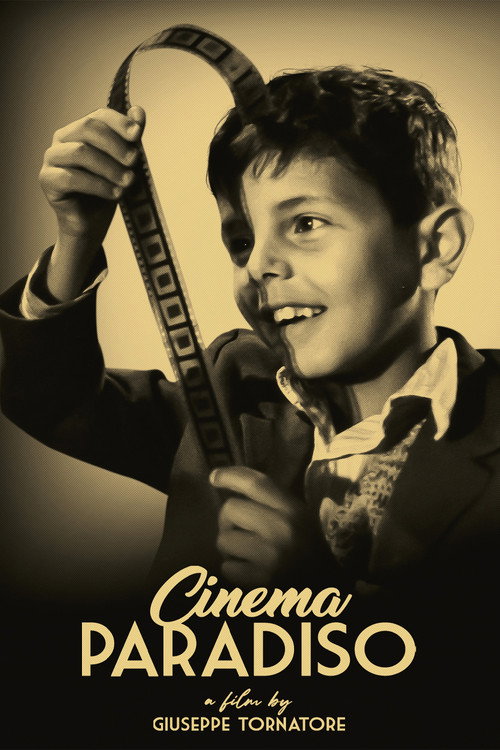
Cinema Paradiso1988
Another film about an unlikely, unsentimental bond between a gruff older man and a child, wrapped in the same tender nostalgia that makes Kolya so lovable, with the past sneaking up through small quiet moments.
But Its sentimentality runs thicker than Kolya's, and the ending swings hard for the heart in a way some viewers find manipulative rather than earned.
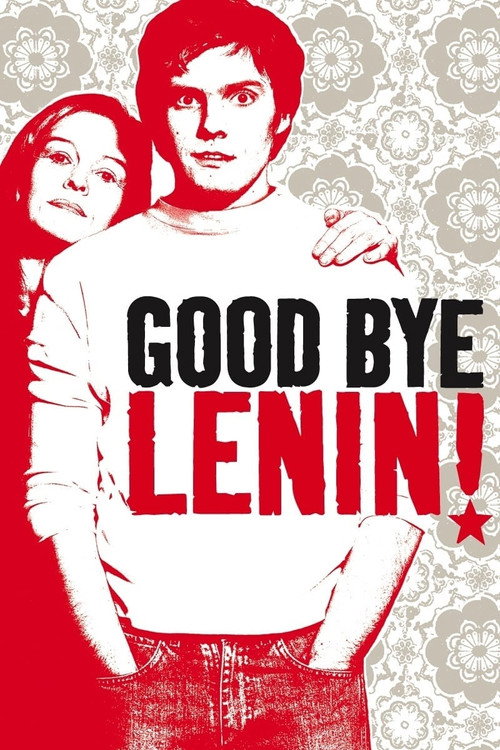
Good Bye, Lenin!2003
Set at the exact hinge of history Kolya only gestures toward, this German comedy follows a son faking the continued existence of communism to protect his sick mother. Same era, same tender absurdity.
But Its central conceit is broader and more farcical than Kolya's slow-burn realism, so if you wanted subtlety, you'll find slapstick instead.
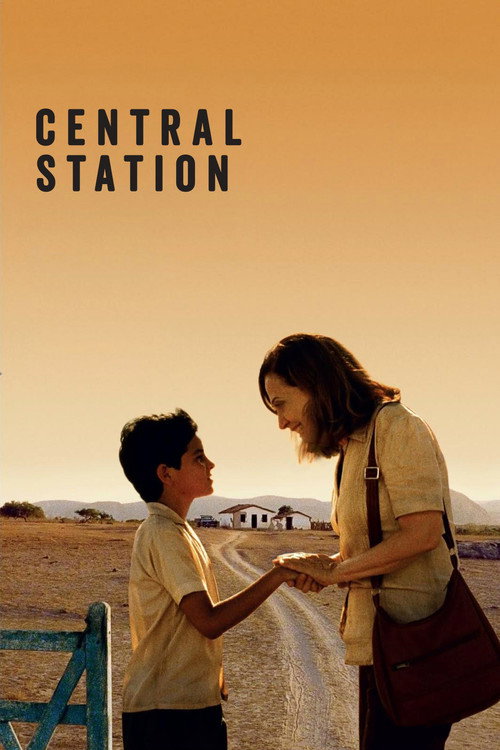
Central Station1998
A cynical woman and an abandoned boy cross Brazil together, slowly stopping annoying each other and starting to love each other, with the same unsentimental warmth and distrust of easy resolutions Kolya has.
But It's more road movie than domestic story, and its ending lands bittersweet rather than the soft landing Kolya eventually offers.
Not sure tonight? Get a pick in a minute, starting from Kolya
The wildcard
Something you would not have found on your own.
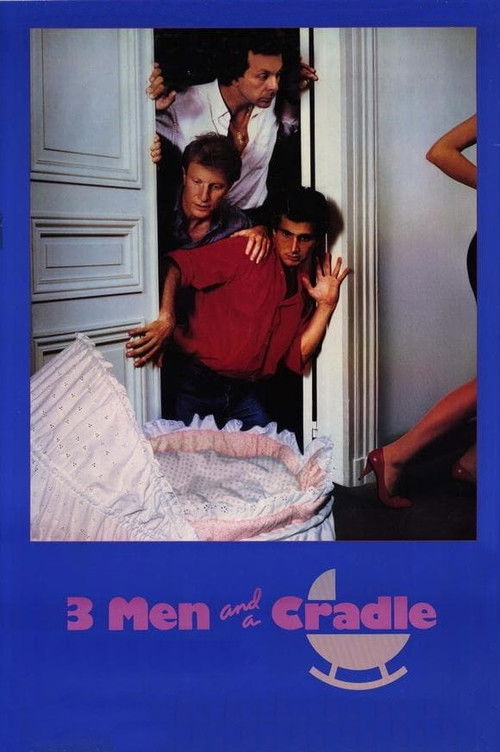
Three Men and a Cradle1985
Same engine — men with zero interest in fatherhood forced into it by circumstance — run through pure farce instead of Kolya's understated realism.
Three bachelor roommates find a baby on their doorstep and reluctantly become fathers, all farce and slapstick where Kolya is patient and dry — the same premise turned up to eleven.
But It's broad, silly, and unapologetically a comedy rather than a comedy-drama, with none of Kolya's political weight or restraint.
More like this (8)
The Intouchables2011
A wealthy quadriplegic and his unlikely caretaker build a friendship neither of them wanted, told with the same mix of comedy and unforced tenderness that carries Kolya through its harder turns.
But It's glossier and more crowd-pleasing than Kolya, and some critics have accused it of smoothing over harder truths for easy laughs.

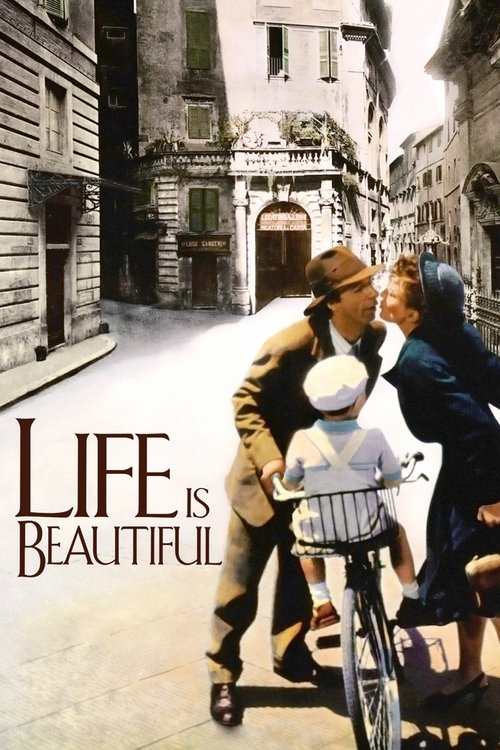
Life Is Beautiful1997
Roberto Benigni's father uses comedy and imagination to shield his son from horror, echoing how Kolya uses humour to soften a hard political moment — both trust laughter to carry real weight.
But The stakes are Holocaust-level rather than Cold War bureaucracy, and the tonal whiplash between comedy and tragedy is far more brutal.
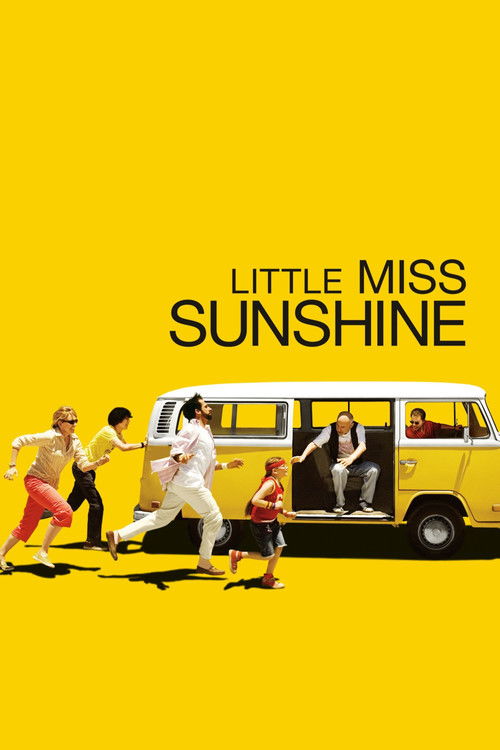
Little Miss Sunshine2006
A chaotic, barely-functional family forms under pressure and discovers they need each other more than expected, with a similar dry, comic tenderness for an odd-couple household as Kolya has.
But It's American indie quirk through and through — louder, more ensemble-driven, and far less interested in history than in family dysfunction.
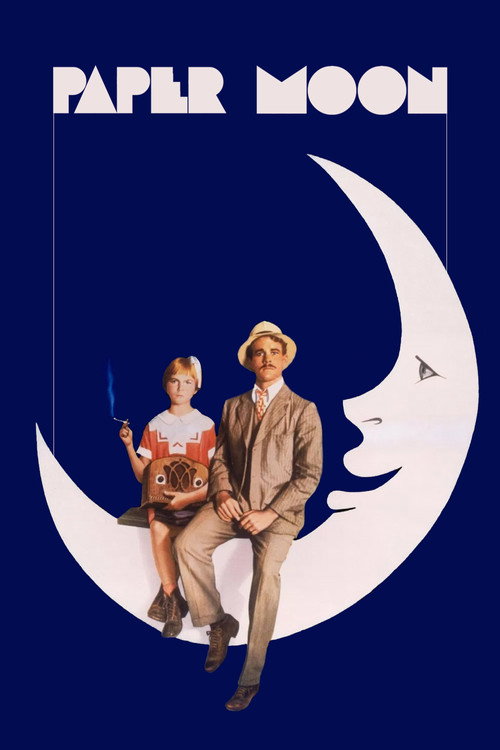
Paper Moon1973
A conman and a possibly-his-daughter grift their way across Depression-era America, growing attached against their better judgment — the same reluctant-guardian arc as Kolya, shot in gorgeous black and white.
But It's drier and more deadpan than Kolya, with less warmth on the surface even though the feeling underneath is similar.
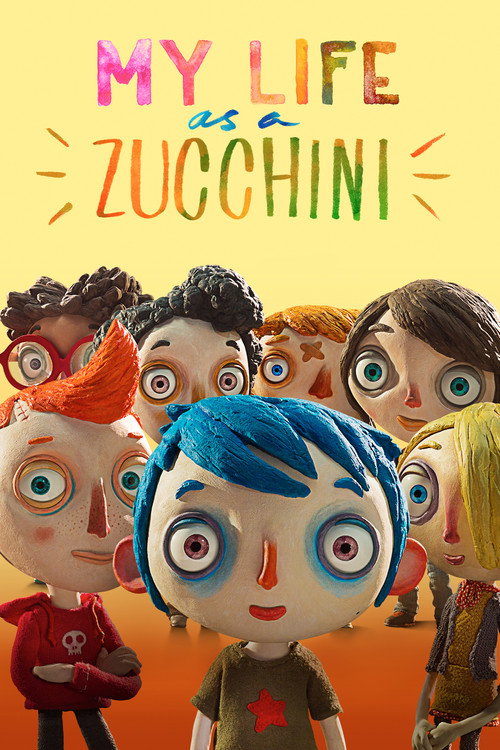
My Life as a Zucchini2016
This French stop-motion film follows an orphaned boy finding an unlikely found family, told with the same gentle, unsentimental eye for how children actually process loss and change.
But It's animated and pitched to a slightly younger sensibility, so the register is softer and simpler than Kolya's adult comedy.
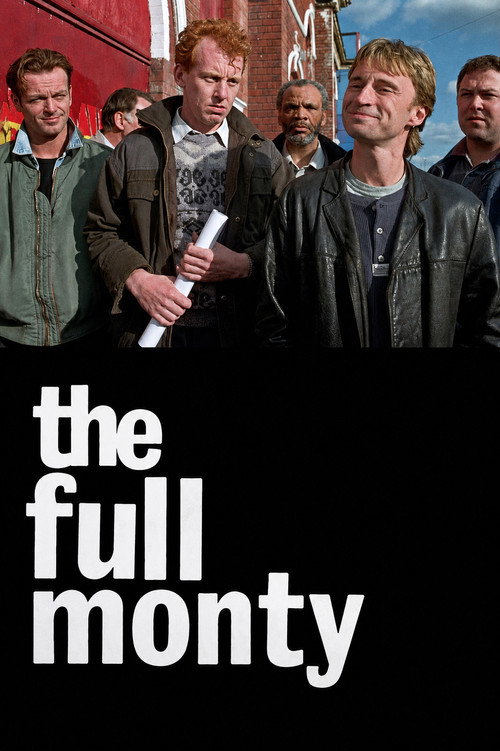
The Full Monty1997
Unemployed steelworkers turn to stripping to survive, finding dignity and comedy in economic collapse — the same instinct Kolya has for locating warmth inside a system falling apart around its characters.
But It swaps Kolya's political backdrop for British working-class comedy, and the humour is broader, closer to slapstick than wit.
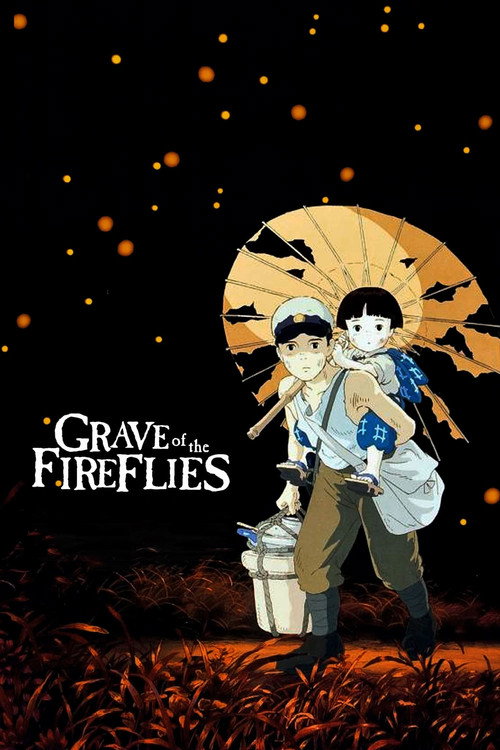
Grave of the Fireflies1988
Both are about improvised, reluctant guardianship forced by a crumbling political order — Kolya just happens to land on history's gentler side.
An animated Japanese film about a teenage boy forced to become a parent to his little sister amid the collapse of wartime society, asking Kolya's exact question — what do you owe a child who isn't yours — in devastating terms.
But This is one of the saddest films ever made, with none of Kolya's comic relief. Go in braced, not expecting a light evening.
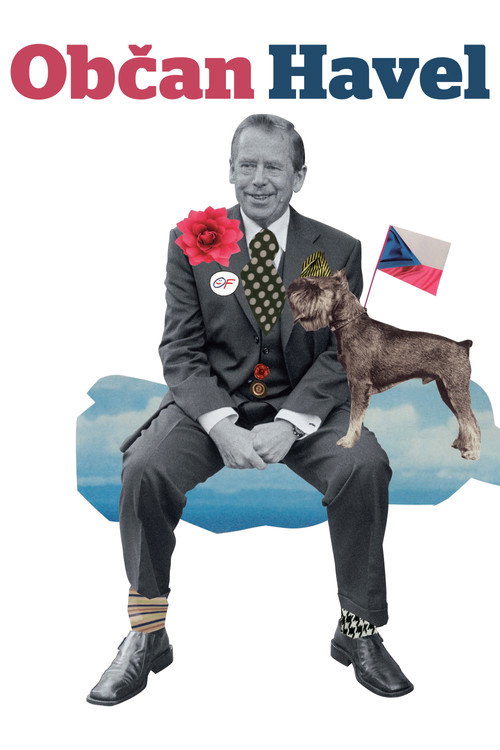
Citizen Havel2008
Kolya ends right as the Velvet Revolution begins; this shows what that revolution actually looked like from the inside, in an entirely different register and medium.
A fly-on-the-wall documentary following Václav Havel through his presidency, capturing the real revolution that only flickers at the edges of Kolya's story — the history the fiction is quietly reacting to.
But It's a long, dry, observational documentary with none of Kolya's warmth or narrative shape — for people who want the context, not the comfort.
People
Cast
 Zdeněk SvěrákFrantišek Louka
- Andrei KhalimonKolya
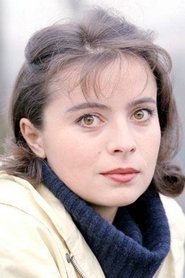 Libuše ŠafránkováKlára
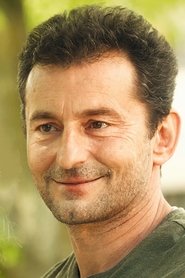 Ondřej VetchýBrož
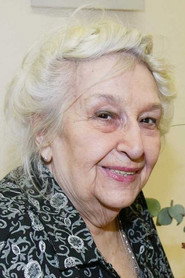
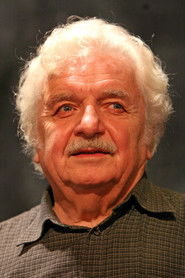 Ladislav SmoljakHoudek
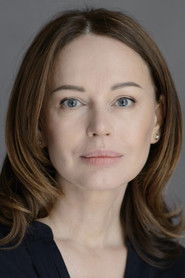 Irina BezrukovaNadezda
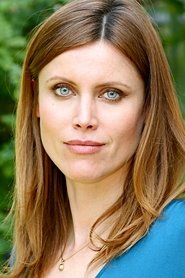 Silvia ŠuvadováBlanka
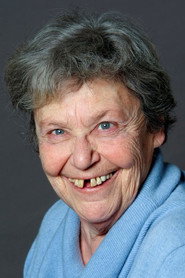 Liliyan MalkinaAunt Tamara
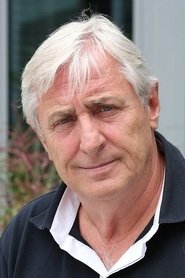 Karel HeřmánekMusil
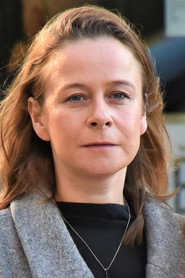 Petra ŠpalkováPaša
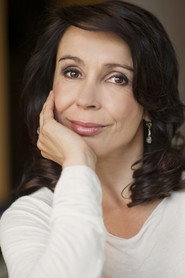 Nela BoudováBrožová
Directing
- Jan SvěrákDirector
- David RauchFirst Assistant Director
- Daniela HumlScript Supervisor
- Mykola GeykoSecond Assistant Director
- Slávek HorákSecond Assistant Director
Writing
- Zdeněk SvěrákScreenplay
- Pavel TaussigStory
Production
- Soňa TicháčkováCasting
- Ernst GoldschmidtCo-Producer
- Jiří JežekExecutive Producer
- Pavel ŠolcExecutive Producer
- Eric AbrahamProducer
- Jan SvěrákProducer
- Berenice FugardProducer's Assistant
- Ján BošelaProducer's Assistant
- Valerie DhiverProducer's Assistant
- Ivana KvapilováProduction Accountant
- Aneta ValáškováProduction Assistant
- Ilann GirardProduction Assistant
- Jana VeseláProduction Assistant
- Klára BukovskáProduction Assistant
- Ondřej JežekProduction Assistant
- Zuzana ČervenkováProduction Assistant