
Film
At the Edge of Darkness (Song of the Earth Part 1)
- Slow-burning
Klaus Wyborny's opening movement in his five-part *Song of the Earth* cycle, a philosophical essay-film examining how modern Europe emerged from medieval darkness. Meditative, image-driven, intellectually ambitious. For those who think cinema can think, and aren't afraid of a film that asks questions instead of answering them.
Should you watch it?
Watch it if you are drawn to films that treat history as a grand, abstract idea rather than a story of people, and you enjoy following an artist's long, personal project one chapter at a time.
Skip it if you want a story with characters and momentum, since this is a first movement that sets up a sweeping theme and leaves most of its ideas open.
What it asks of you: Only about an hour, but a patient, unhurried pace and a readiness to take it as one stage of a larger argument rather than a complete evening.
Not sure? Find tonight's pick in a minute.
If you liked this
Sans Soleil1983
Chris Marker's kaleidoscopic meditation on memory, time, and human consciousness across continents. Essayistic, visually hypnotic, structured like a letter read aloud. Utterly original.
But No plot, no linear argument. It moves by association and mood. Demands active attention and rewards patience, but won't hold your hand.

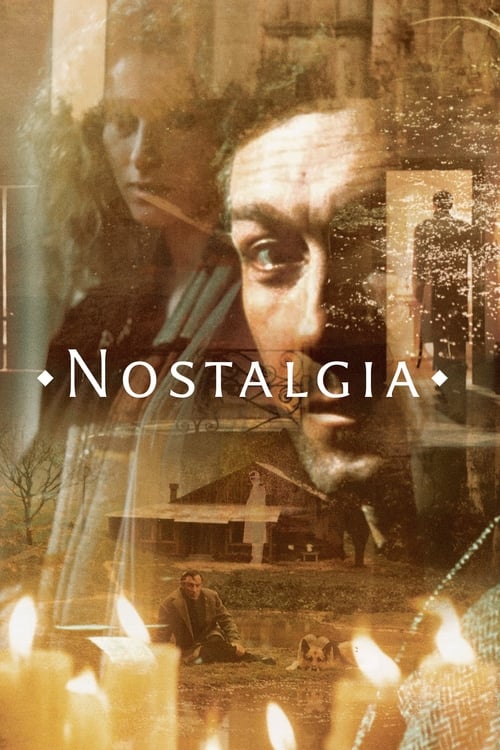
Nostalgia1983
Andrei Tarkovsky exploring time, faith, and the weight of history through a long, slow pilgrimage through Italy. Philosophical cinema at its most searching and cinematically gorgeous.
But Tarkovsky moves glacially. Scenes breathe and breathe and breathe. If you watch to find things happening rather than to be changed by what you see, this will test you.
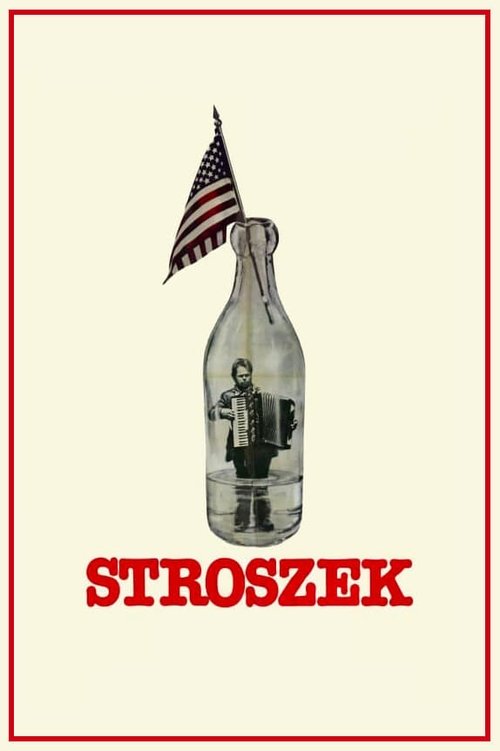
Stroszek1977
Werner Herzog's strange, tender portrait of European displacement and yearning. A ex-con and a prostitute leave Berlin for rural Wisconsin. Weird, moving, unlike anything else.
But The tone is deliberately off-kilter. Scenes feel fragmentary. The ending is surreal and bleak in ways that might feel arbitrary if you're expecting narrative momentum.
Not sure tonight? Get a pick in a minute, starting from At the Edge of Darkness (Song of the Earth Part 1)
The wildcard
Something you would not have found on your own.
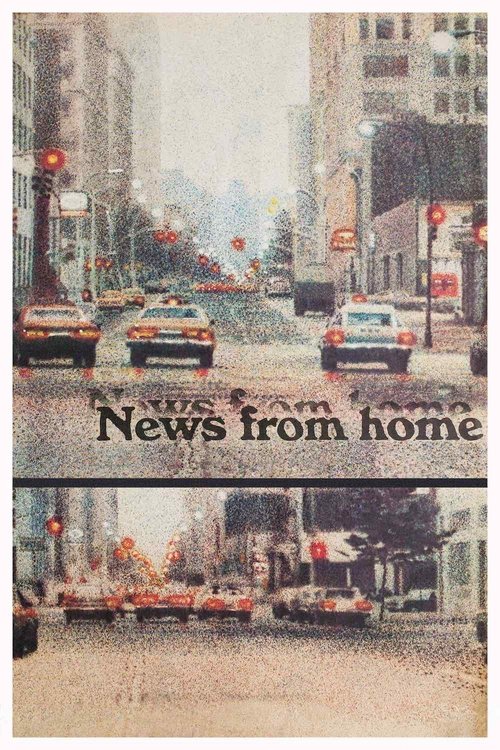
News from Home1976
Both are philosophical essay-films examining civilization and the human condition through image and meditation rather than narrative. Both move by association and contemplation.
Chantal Akerman films New York City streets—ordinary, quotidian, patient—while reading her mother's letters about loneliness and absence. Essay and personal elegy at once. Austere, moving, unexpected.
But Structurally minimal. Long static shots of traffic and pedestrians. The sound design is sparse. Patience is not just requested; it is the film itself.
More like this (8)
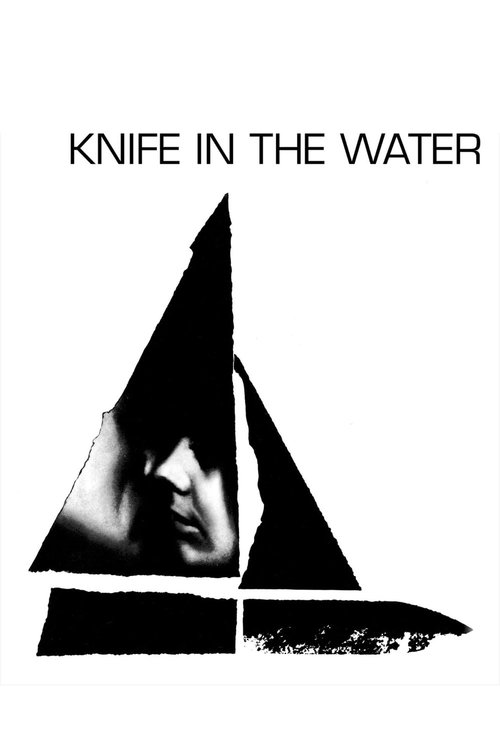
Knife in the Water1962
Roman Polanski's debut: three people on a sailboat in Poland, psychological tension building from nothing. Intimate, philosophically charged, perfectly controlled. A masterclass in cinema.
But Very much a chamber piece. Confined, talkative, concerned with ideas and atmosphere rather than incident. Slow by 1960s standards, glacial by today's.
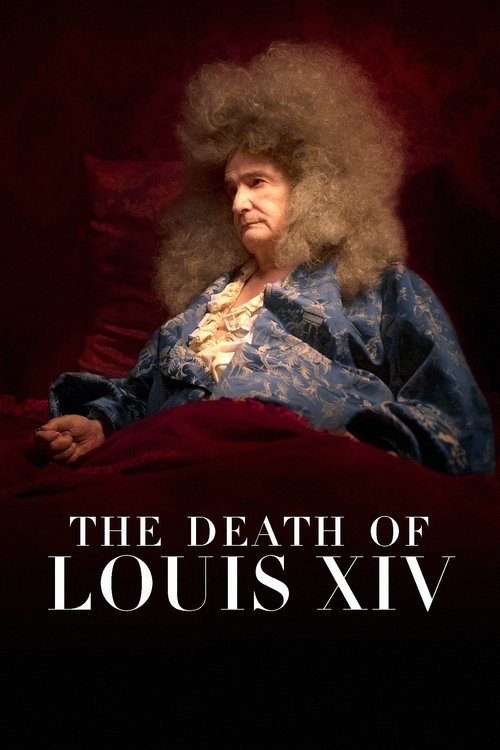
The Death of Louis XIV2016
Albert Serra watches the Sun King decline day by day, moment by moment. Exquisite, strange, treating the body and the dying of light as primary subjects. Radically patient.
But It is what it says: mostly a filmed watch as an old man dies, in scenes of baroque ritual and bodily detail. Gorgeous but unsparing and claustrophobic.
Stalker1979
Tarkovsky's science-fiction poem: a guide leads two men through a mysterious zone toward a room that grants wishes. About longing, faith, the limits of desire. Transcendent and strange.
But Seventy minutes feel like four hours. Nothing happens in the way you expect. Some find it profound; others find it impenetrably slow.

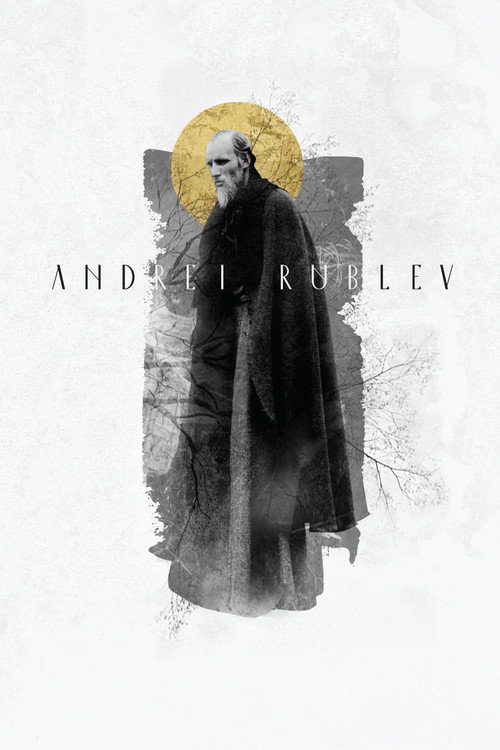
Andrei Rublev1966
Tarkovsky's chronicle of a medieval Russian icon painter amid violence and artistic doubt. Episodic, visually overwhelming, about the cost of beauty and faith. Unmissable.
But Nearly three hours and in Russian, with episodic structure that doesn't grip like plot. The pacing is meditative to the point of strain for some viewers.
Synecdoche, New York2008
Charlie Kaufman's spiral into artistic obsession, grief, and the collapse of the real into the representable. A man builds a scale model of New York inside a warehouse. Intellectually restless and formally daring.
But Deliberately confusing, self-referential, emotionally punishing. Meaning is buried in layers. Easy to feel you're missing something, or that the film is playing games at your expense.

The Turin Horse2011
Béla Tarr's final film, a mythological meditation on the end of the world through the daily routine of an old man, a girl, and a horse. Monochrome, hypnotic, apocalyptic calm.
But Sixty minutes of repetition, decay, and philosophical despair shot in black and white. If you want action or uplift, this is a closed door.

The Act of Killing2012
Both examine the emergence of systems of power and civilization, but where Wyborny looks backward at history's formation, Oppenheimer looks at how the perpetrators of modern history refuse to acknowledge it.
Joshua Oppenheimer films Indonesian death-squad leaders re-enacting their massacres as movie fantasies. Surreal, horrifying, impossible to forget. About how societies process atrocity and the performance of power.
But Watching people describe and perform mass murder is unbearable. Graphic in word if not image. Requires moral fortitude and leaves you shaken.

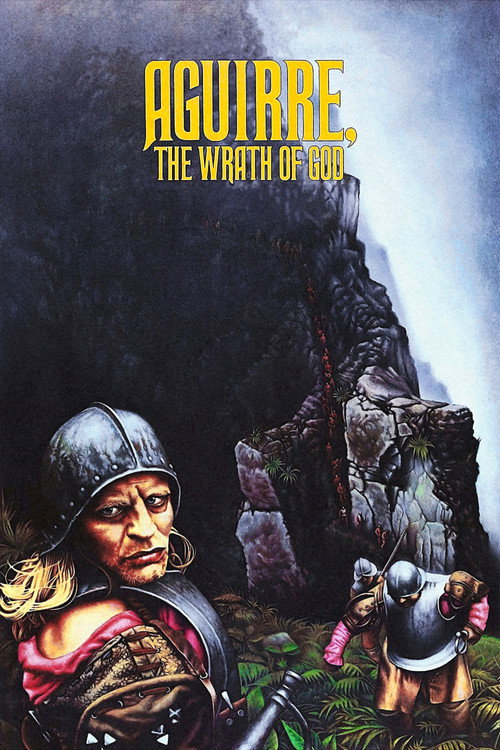
Aguirre, the Wrath of God1972
Both are German-language meditations on European history and consciousness; both treat landscape as a character. Both are intellectually restless and visually uncompromising.
Werner Herzog's fever dream of a Spanish conquistador chasing El Dorado downriver into madness. Hallucinatory, philosophical, about the collision of European ambition with wilderness. Visually overwhelming.
But Surreal and elliptical. The dialogue is stilted and philosophical. Shot on locations of genuine difficulty; it has the texture of documentary. Character motivation is oblique.
People
Directing
- Klaus WybornyDirector