
Film
Defence of the Realm
A 1986 British political thriller where a reporter and an aging journalist chase a story linking an MP to espionage and a nuclear near-miss. It's taut, paranoid stuff—the kind of film that moves fast and trusts you to keep up. For anyone who loves institutional corruption, Cold War tension, and the idea that the truth might actually be findable if you're stubborn enough.
Should you watch it?
Watch it if you love paranoid, dialogue-driven newsroom thrillers where a reporter pulls at loose threads and the menace lives mostly in conversations and corridors, much like the Cold War-era conspiracy films of the period.
Skip it if you want the Action label to deliver, since this is mostly talk, legwork and telephone calls, and its 1980s look and slow-building suspicion may feel creaky to modern eyes.
What it asks of you: It runs about 96 minutes and builds its tension through interviews and document hunts rather than set pieces, so it needs steady attention more than sudden jolts.
Not sure? Find tonight's pick in a minute.
If you liked this
All the President's Men1976
Two journalists methodically unpick Watergate while power closes in around them. The template for political thrillers: meticulous, escalating, and genuinely thrilling because the stakes feel real and personal.
But Slow by modern standards. Long stretches of phone calls and filing cabinets—if you need action beats every ten minutes, this will test your patience.

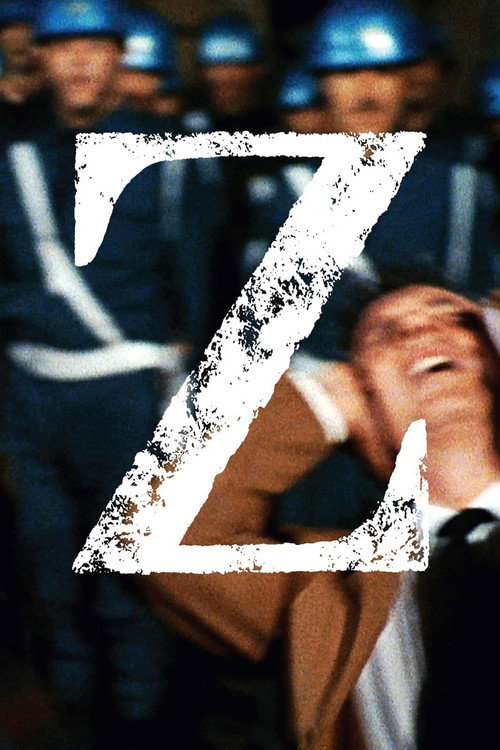
Z1969
Costa-Gavras' masterpiece about a journalist investigating a political assassination in a country on the brink of fascism. Urgent, intellectually fierce, and structurally brilliant—it shows how a single act spirals into systemic corruption.
But Heavily political and didactic. It's made by someone with something to say, and it says it loudly. Subtlety is not the goal.
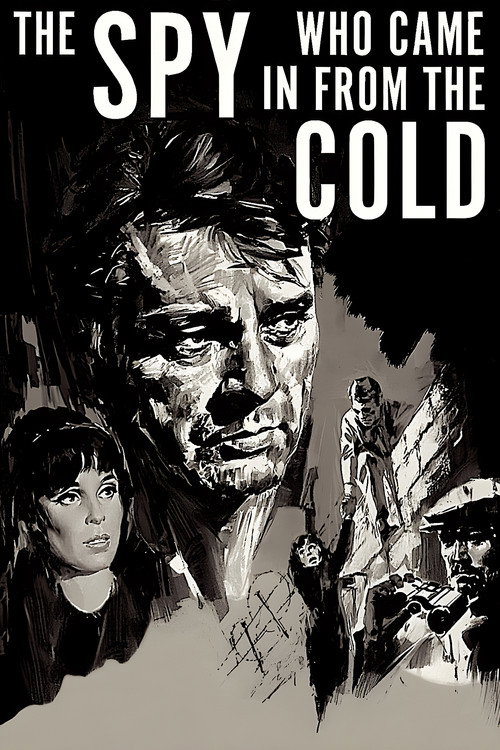
The Spy Who Came In from the Cold1965
Le Carré's Cold War novel as a film: gritty, unglamorous spycraft where everyone's compromised and ideology feels like a tired excuse. It's the anti-Bond—morally murky and authentically paranoid.
But Bleak and slow. There's no heroism here, just exhaustion and betrayal. If you want spy stories with style and verve, look elsewhere.
Not sure tonight? Get a pick in a minute, starting from Defence of the Realm
The wildcard
Something you would not have found on your own.
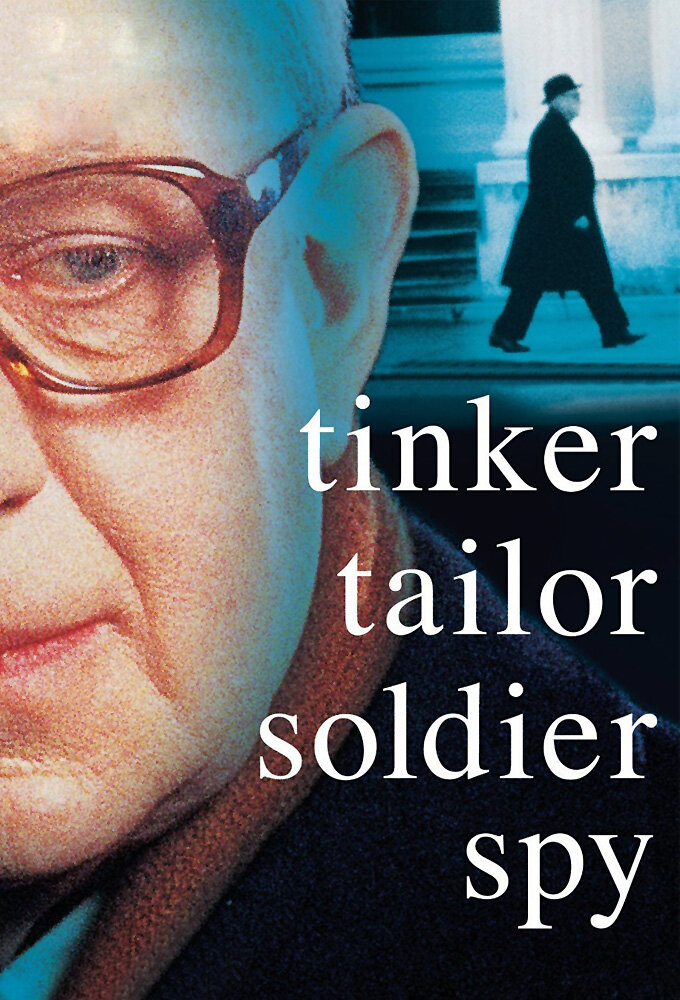
Tinker Tailor Soldier Spy1979
Both are British political narratives where the real corruption isn't theatrical—it's institutional and suffocating. Both ask: who do you trust when the system itself is compromised?
A seven-hour BBC miniseries of Le Carré's novel, with Alec Guinness as Smiley hunting a Soviet mole in the Cold War's twilight. It's a different beast from Defence altogether—dense, mysterious, deliberately unglamorous. Rewards total attention with profound, quiet intelligence.
But Famously impenetrable on first viewing. The pace is glacial, the characters are often opaque, and the emotional payoff is muted. It's a puzzle box, not a thriller.
More like this (6)
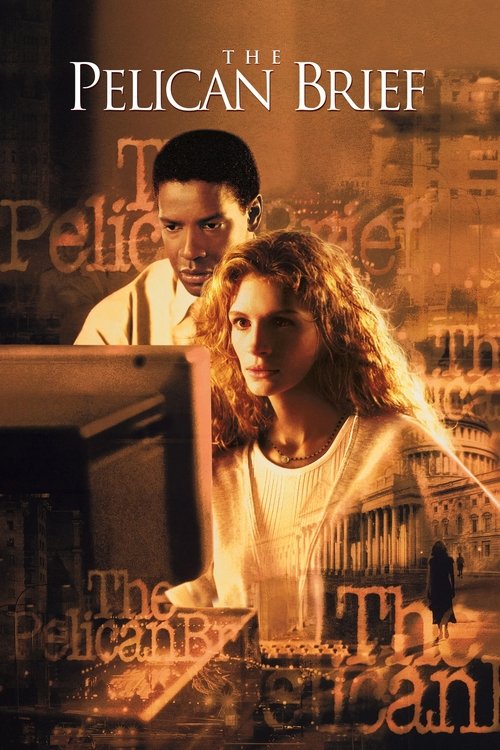
The Pelican Brief1993
A law student uncovers a conspiracy behind Supreme Court assassinations. Grisham filtered through Pakula's paranoia—it's smart, propulsive, and genuinely dangerous-feeling without ever losing the plot.
But Sits in that tricky space between thriller and prestige drama. Too preposterous for some, too earnest for others. Julia Roberts in full fright mode isn't everyone's speed.
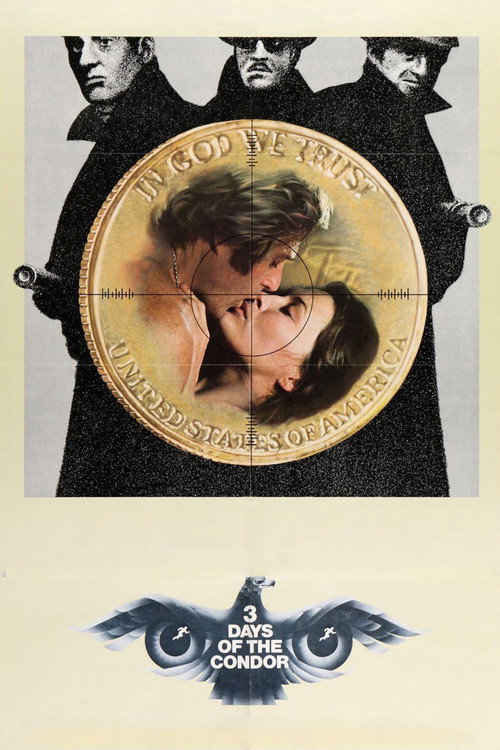
Three Days of the Condor1975
Robert Redford as a CIA analyst who becomes a target after stumbling onto something he wasn't meant to find. Paranoid, stylish, and built on genuine '70s dread—the government actually does want him dead, and that's just the beginning.
But The ending divides people sharply. Some find it philosophically satisfying; others find it defeatist and anticlimactic.
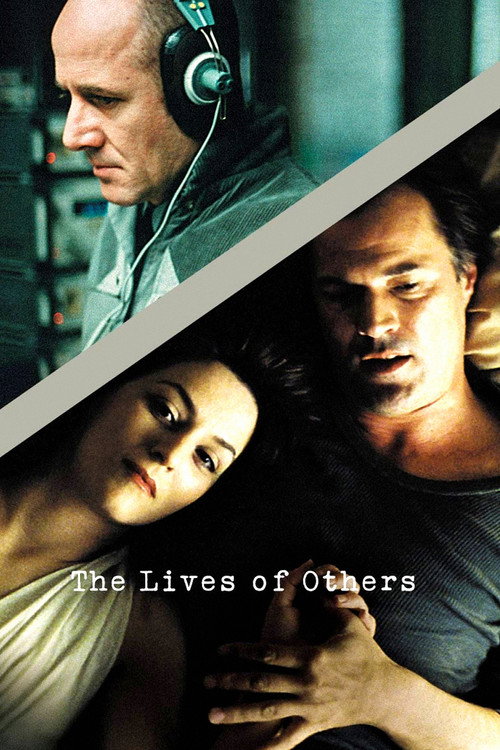
The Lives of Others2006
A Stasi surveillance expert bugs a playwright and gradually becomes consumed by the humanity he's meant to ignore. Morally intricate and visually restrained—it's about what happens when you really listen to someone you're supposed to destroy.
But Deliberately paced and emotionally quiet. The power is subtle; if you need drama telegraphed clearly, you'll miss what makes it extraordinary.
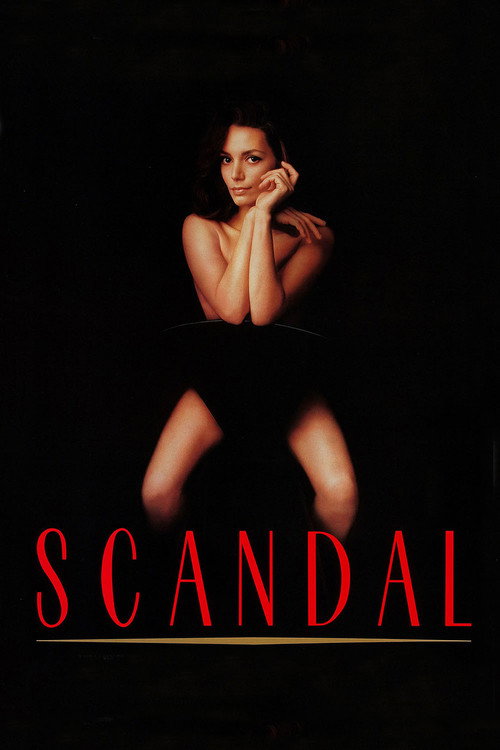
Scandal1989
Michael Caton-Jones' account of the Profumo affair: sex, scandal, and the machinery of institutional self-preservation grinding remorselessly forward. Witty, angry, and genuinely scandalous without being salacious.
But The plot hinges on events many viewers won't know. It assumes British political literacy; outsiders may find themselves adrift.
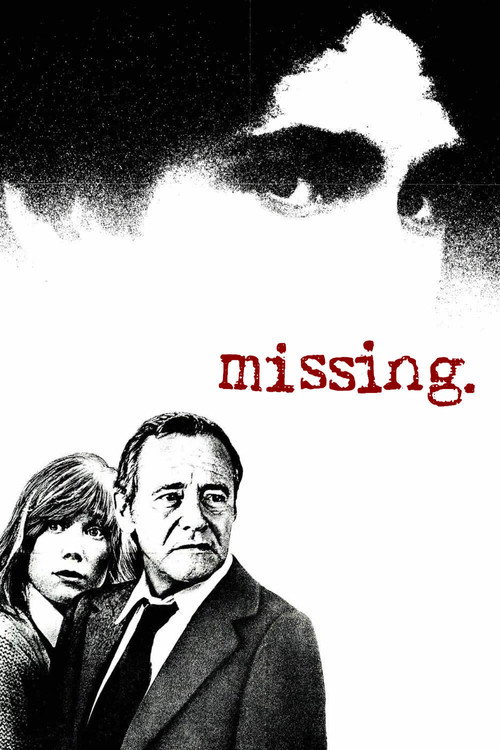
Missing1982
Costa-Gavras again: an American woman searching for her disappeared son in Pinochet's Chile. Formally audacious, deeply political, and built on real anguish rather than thriller mechanics. It's urgent in a way that lingers.
But Angry and polemical—there's no neutrality here, only righteousness. If you want balanced 'both sides' storytelling, this will feel propagandistic.
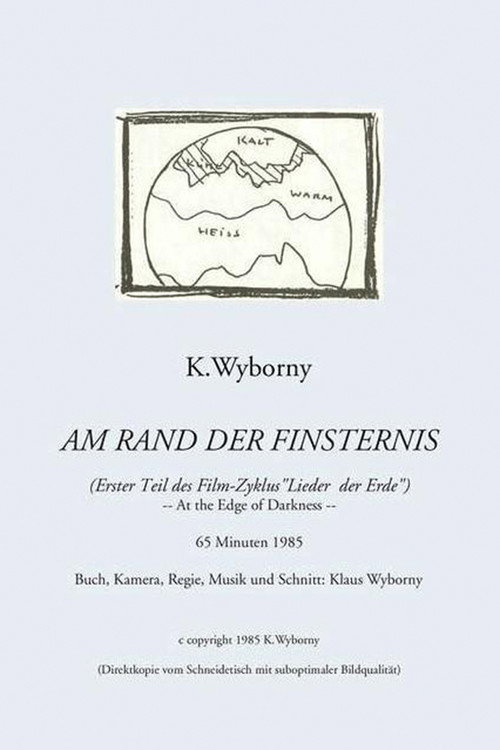
At the Edge of Darkness (Song of the Earth Part 1)1985
A BBC nuclear paranoia miniseries: a detective investigating his daughter's death uncovers layers of government conspiracy and environmental horror. Genuinely unsettling and built with real craft—British television at its most intelligent and disturbed.
But Shot in soft focus on videotape; the image quality reflects its age sharply. Slow-burning in ways that modern viewers may find glacial.
People
Cast
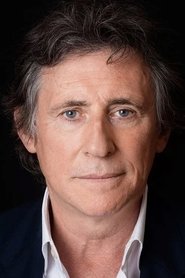 Gabriel ByrneNicholas 'Nick' Mullen
 Greta ScacchiNina Beckman
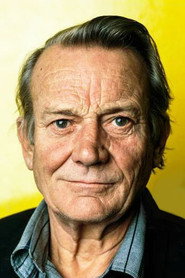 Denholm ElliottVernon Bayliss
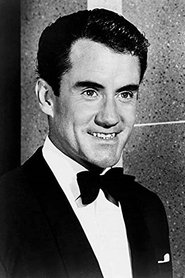 Ian BannenDennis Markham
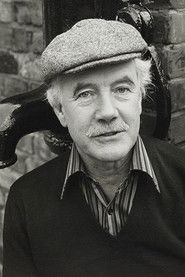 Fulton MackayVictor Kingsbrook
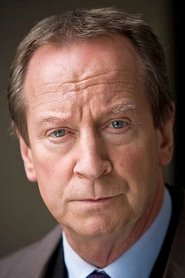 Bill PatersonJack Macleod
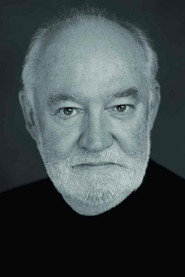 David CalderHarry Champion
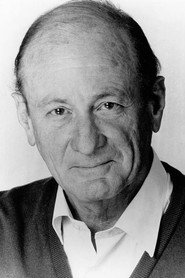 Frederick TrevesArnold Reece
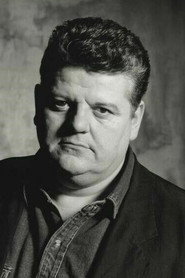 Robbie ColtraneLeo McAskey
 Steven WoodcockSteven Dyce
 Graham Fletcher-CookMickey Parker
 Annabel LeventonTrudy Markham
Directing
- David DruryDirector
- Ene WattsScript Supervisor
Writing
- Martin StellmanWriter
Production
- Mary SelwayCasting
- David PuttnamExecutive Producer
- Lynda MylesProducer
- Robin DouetProducer