
Film
Infamous
Infamous traces Truman Capote's obsessive relationship with a murder case while writing In Cold Blood, exploring how an iconic writer's ambition and ego collide with the human cost of his art. It's a character study wrapped in true crime, anchored by Toby Jones's chameleonic performance. For those interested in creative obsession, the mechanics of literary fame, and how storytellers exploit their subjects' suffering.
Should you watch it?
Watch it if you are drawn to character studies of a charming, self-regarding writer who gets tangled in the lives he is documenting, and you don't mind a piece that circles the same material.
Skip it if you wanted the grip of a crime thriller, since this is a slow, talky study of a man's obsession rather than a story that drives toward its subject.
What it asks of you: Long quiet stretches of talk and self-absorption, a slow pace over just under two hours, and a charming protagonist who grows uncomfortable to watch.
Not sure? Find tonight's pick in a minute.
If you liked this
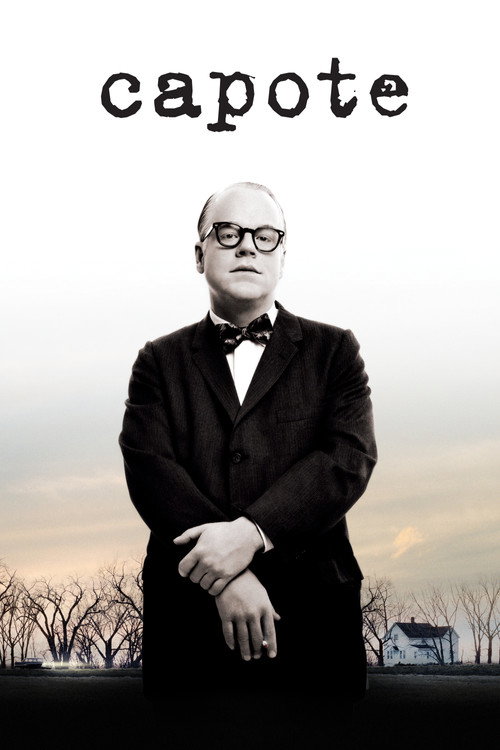
Capote2005
Philip Seymour Hoffman's Oscar-winning performance captures Capote's voice and vulnerability with staggering precision. The film charts the same In Cold Blood obsession but with different emphasis—more interior, more focused on the writing process itself.
But It came out almost simultaneously, so if you've seen this one, Infamous feels like a remix rather than a new story. Hoffman's Capote is less theatrical, which some find more compelling.
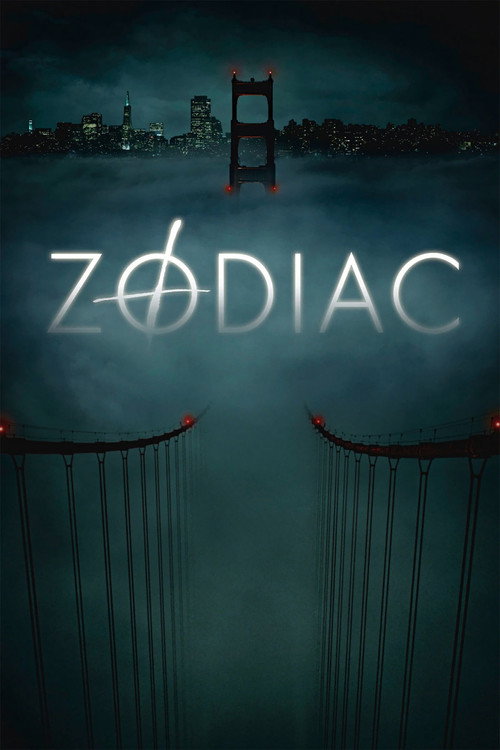
Zodiac2007
Fincher explores obsession, investigation, and a man consumed by pursuing a story that may destroy him. Like Capote, it's about the thin line between journalistic pursuit and personal fixation, told with forensic intensity.
But It's a slow procedural that prioritizes mood and detail over plot momentum. If you want resolution and closure, this will frustrate you.
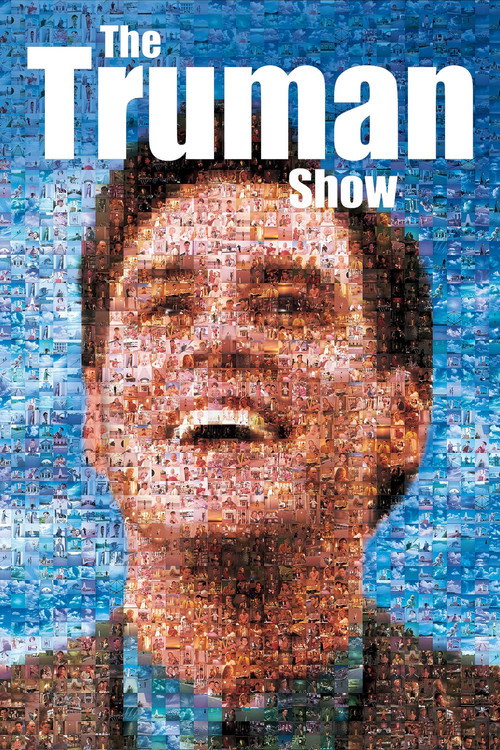
The Truman Show1998
A dark meditation on artifice, performance, and the gap between public persona and private self. Toby Jones plays a different Truman entirely, but the film's interest in constructed identity mirrors Infamous's examination of Capote's self-invention.
But It's funny and surreal in ways that some mistake for lightweight. The philosophy is genuine, but it doesn't announce itself heavily.
Not sure tonight? Get a pick in a minute, starting from Infamous
The wildcard
Something you would not have found on your own.
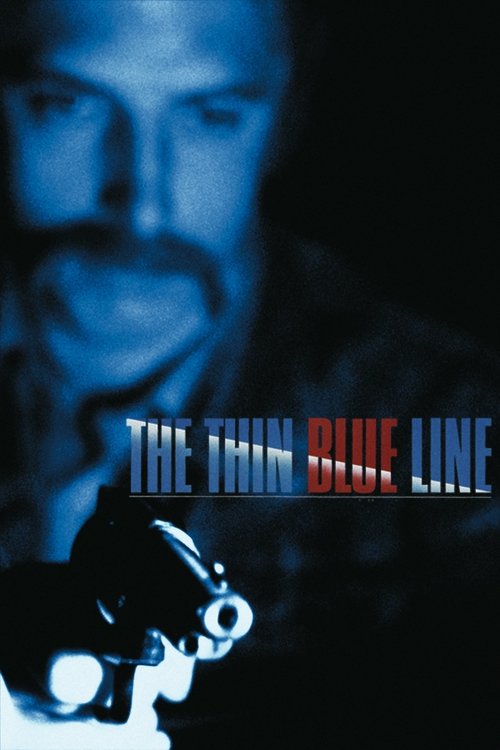
The Thin Blue Line1988
Both examine how we construct truth from crime. Capote exploited his subjects' story; Morris's film exposes how those stories can be manipulated by investigators, media, and the system itself. They're inverse takes on the same obsession.
Errol Morris's documentary about a man wrongly convicted for murder is a masterpiece of investigative narrative. It's Capote's In Cold Blood in reverse—showing how storytelling can obscure truth rather than illuminate it, and how obsession with a case can distort justice itself.
But It's a documentary, not drama, and it has a very specific formal style (reenactments, interviews, animation). If you want narrative actors and conventional structure, this won't satisfy that.
More like this (7)
In Cold Blood1967
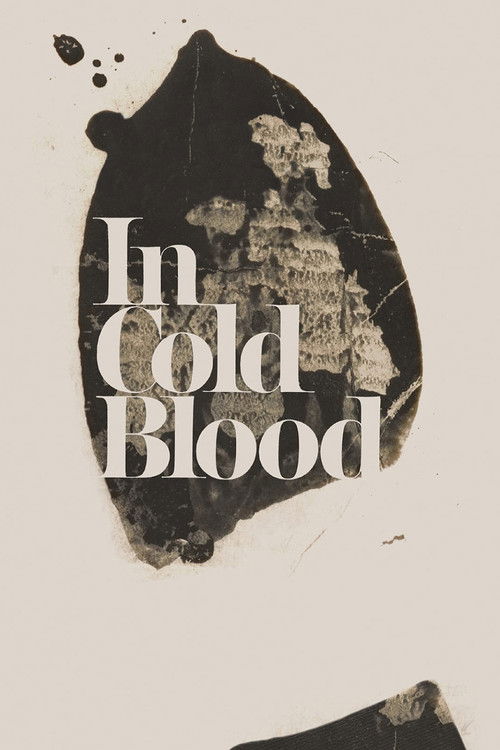
The film adaptation of the actual book Capote wrote. Watching this after Infamous creates a strange loop—you see the finished work after understanding how much of Capote ended up in it, and how much he extracted from his subjects.
But Shot in stark black-and-white with deliberate pacing, it feels like a period artifact. The tone is investigative and cold rather than emotionally generous.
Nightcrawler2014
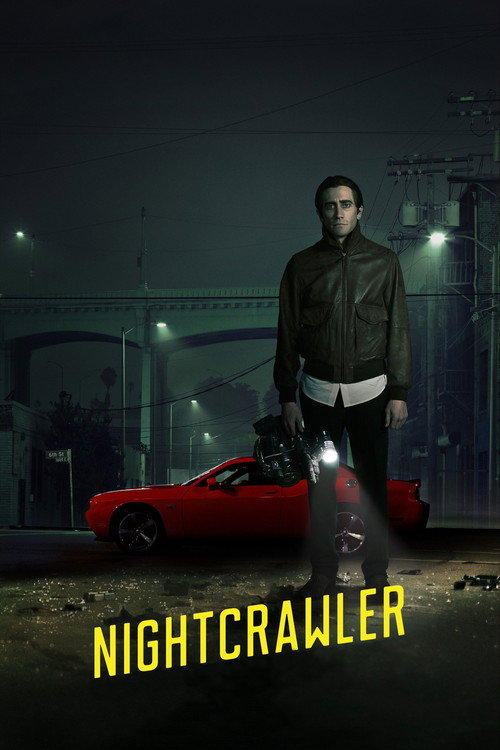
Jake Gyllenhaal plays a man who profits from tragedy and death by capturing and selling footage. It's about exploitation, ambition, and the moral bankruptcy of turning suffering into content—Capote's sins in a modern register.
But Lou Bloom is a sociopath, and the film doesn't ask you to sympathize with him. If you need a morally redemptive protagonist, this will make you queasy.
Finding Neverland2004
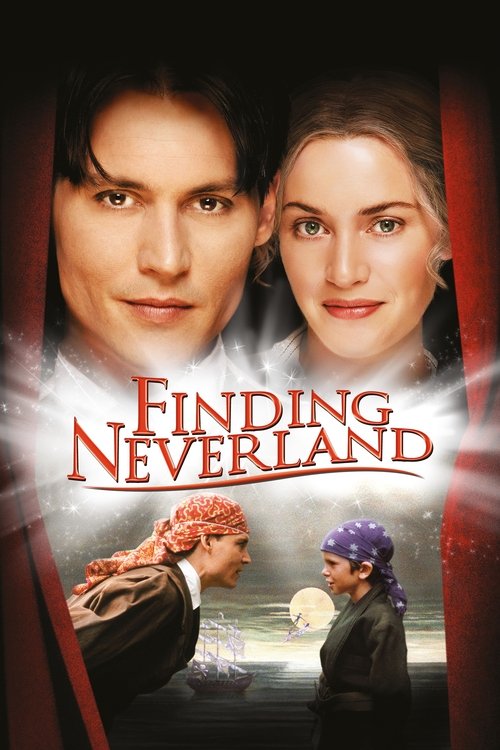
Johnny Depp as J.M. Barrie explores how a writer mines his life and the lives of others for art. It's gentler than Infamous, but it examines the same territory: the artist's hunger and the collateral damage of creation.
But It can feel sentimental, and the conceit that suffering produces good art isn't interrogated—it's accepted. Some find it manipulative.
The Post2017
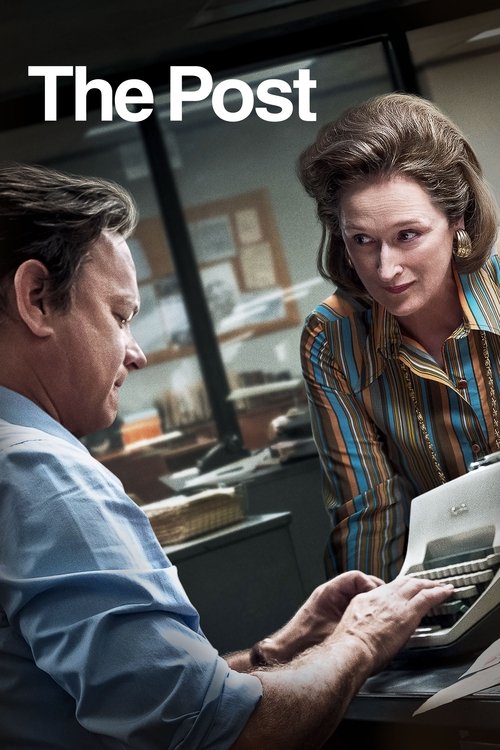
Spielberg examines journalism, institutional power, and the decision to publish secrets that powerful people want buried. It's about whether the public's right to know outweighs personal privacy—a question Infamous raises about Capote's work.
But It's more concerned with political stakes than psychological depth. If you're drawn to Infamous for its character study, this feels broader and less intimate.
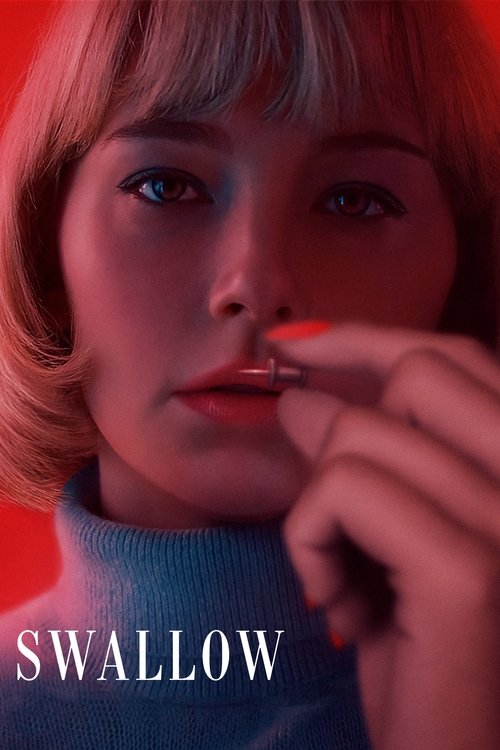
Swallow2020
Hunter Swaney's debut is a portrait of female self-destruction that unfolds with mounting dread. Like Infamous, it examines obsession and the body as a site of control, though here the control is self-inflicted rather than social.
But It's genuinely disturbing and graphic. The premise (a woman compulsively swallows inedible objects) is not metaphorical—it's literal and difficult to watch.
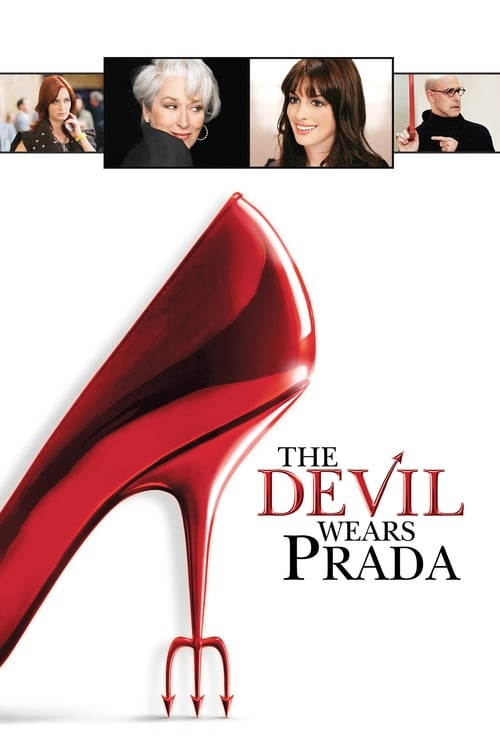
The Devil Wears Prada2006
Meryl Streep as Miranda Priestly embodies ruthless ambition and the extraction of labor from those around her. Released the same year as Infamous, it explores how charismatic, talented people justify their narcissism through excellence.
But It's a comedy-drama about fashion, which can feel lightweight compared to crime and murder. The tone is much lighter, and it's not interested in moral complexity.
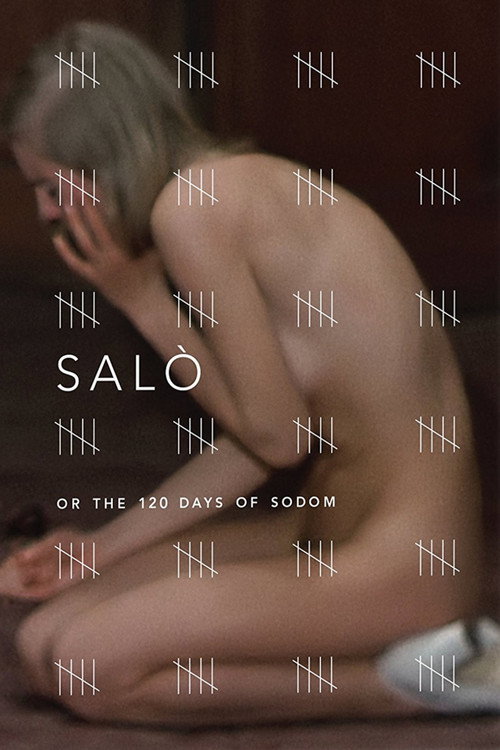
Salò, or the 120 Days of Sodom1976
Both examine the ethics of using another person's body, will, and story for artistic or personal gain. Capote's relationship with Perry Smith is a quieter, more socially acceptable version of the absolute domination Pasolini depicts. They're at opposite ends of the same spectrum.
Pasolini's final film is brutal, transgressive, and utterly intentional. It's about power, cruelty, and the corruption that comes from absolute control over another person's body and will. Infamous whispers what this film screams—that obsession with another human being is a form of possession.
But It's extremely graphic and disturbing. There are scenes of real degradation and violence. It's a film that asks whether art has obligations to decency, and it answers provocatively. Many people should not watch this.
People
Cast
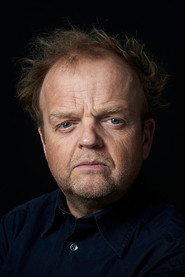 Toby JonesTruman Capote
 Sandra BullockNelle Harper Lee
 Daniel CraigPerry Smith
 Peter BogdanovichBennett Cerf
 Jeff DanielsAlvin Dewey
 Hope DavisSlim Keith
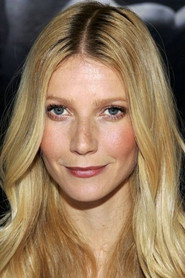 Gwyneth PaltrowKitty Dean
 Isabella RosselliniMarella Agnelli
 Juliet StevensonDiana Vreeland
 Sigourney WeaverBabe Paley
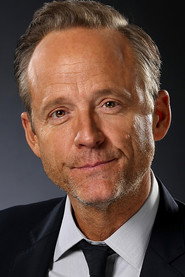 John Benjamin HickeyJack Dunphy
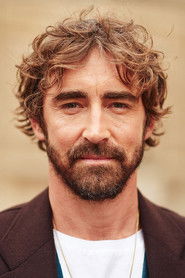 Lee PaceDick Hickock
Directing
- Douglas McGrathDirector
- Daniel J. ShawFirst Assistant Director
- Catherine GoreScript Supervisor
- Pam FullerScript Supervisor
- Kathie TullSecond Assistant Director
- Louis GuerraSecond Assistant Director
- Meg BeattySecond Second Assistant Director
- Patrick ManganSecond Second Assistant Director
Writing
- George PlimptonBook
- Douglas McGrathScreenplay
Production
- Audrey RosenbergAssociate Producer
- Charles PuglieseAssociate Producer
- Beth SepkoCasting
- Ellen ChenowethCasting
- Ellen LewisCasting
- John WellsExecutive Producer
- Anne Walker-McBayProducer
- Christine VachonProducer
- Jocelyn HayesProducer
- Natalie AngelProduction Coordinator
- Susan KirrUnit Production Manager