
Film
The Toolbox Murders
- Slasher
- Serial killer
- Very dark
A grimy 1978 slasher where a masked killer stalks an apartment building, dispatching residents with improvised weapons. It's nasty, blunt, and committed to its premise in ways that feel transgressive even now. For fans of proto-slashers that don't apologize and don't blink.
Should you watch it?
Watch it if you like grimy, slow-building 1970s slashers where the dread comes from a shabby apartment building and an unseen menace more than from gore set pieces.
Skip it if you want a brisk, polished thriller; this one moves unevenly, its performances feel rough, and its violence is nasty enough to sour the mood.
What it asks of you: Settle in for a leisurely ninety-three minutes, with long stretches of ordinary apartment life before the grisly bits arrive, and keep your attention on small clues.
Not sure? Find tonight's pick in a minute.
If you liked this
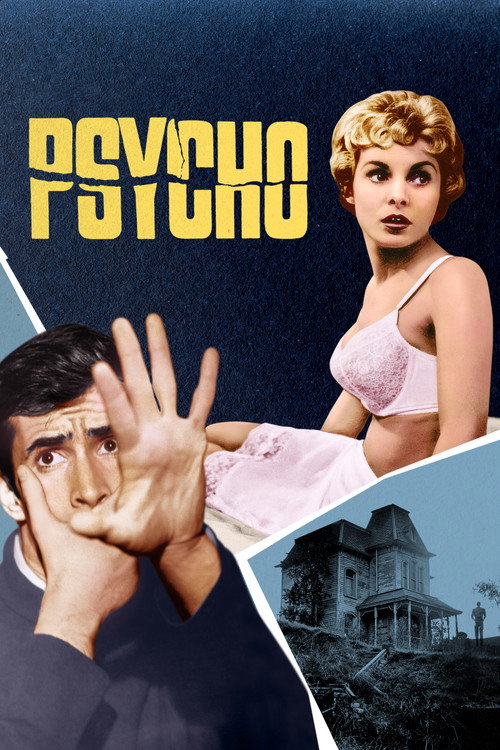
Psycho1960
The template Toolbox Murders follows but perfects. Hitchcock's control of suspense, the shower sequence's visceral shock, and the psychological depth make this the gold standard—and you've likely never seen it on a big screen.
But Sixty years old and shot in black-and-white; it can feel more austere than visceral to modern eyes. The pacing won't rush you.
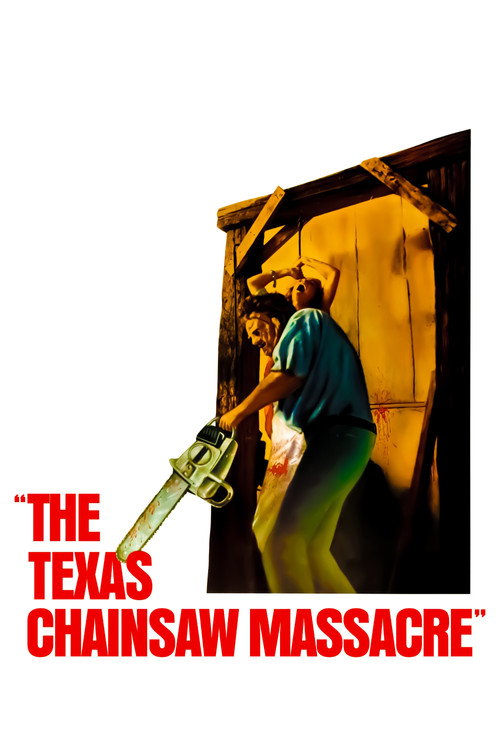
The Texas Chain Saw Massacre1974
Raw, anarchic, and willing to feel *wrong* in ways most horror films won't risk. It's a cousin in aesthetic—grimy, relentless, shot like a nightmare. Peak 70s horror fury.
But The chainsaw never stops screaming and neither does the film's mood. Some find it exhausting rather than exciting. No relief valve.
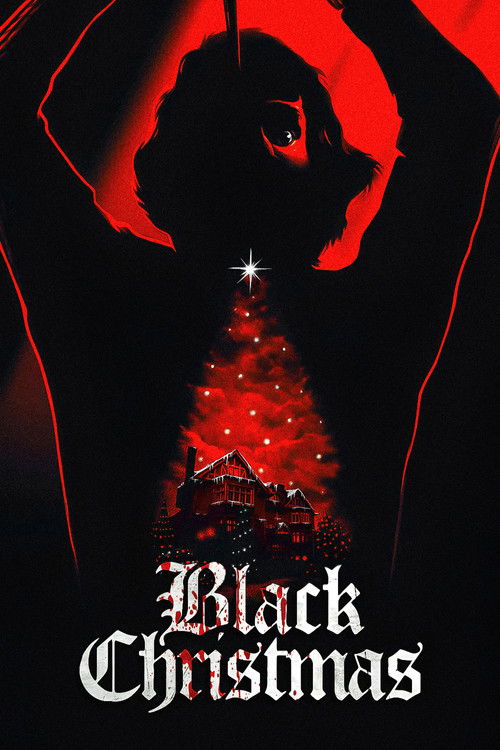
Black Christmas1974
The other blueprint for modern slashers. Confined location, unseen killer, a body count among people we like. The opening is as good as horror gets, and the dread never lifts.
But It takes its time; if you want a body every five minutes, this will feel slow. The climax divides viewers.
Not sure tonight? Get a pick in a minute, starting from The Toolbox Murders
The wildcard
Something you would not have found on your own.
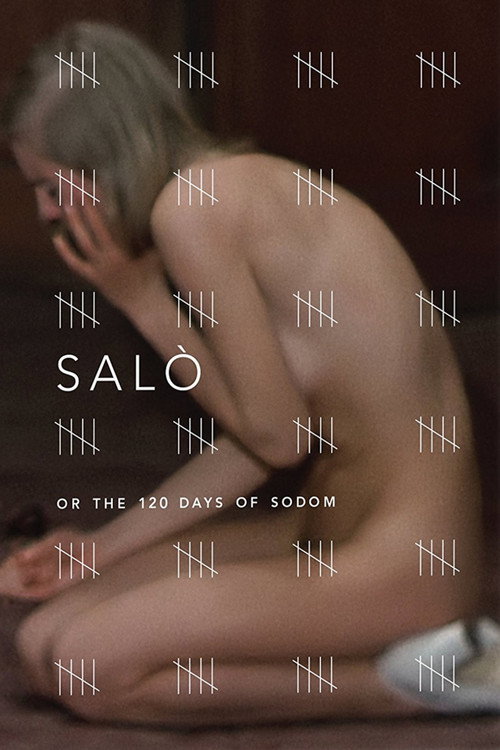
Salò, or the 120 Days of Sodom1976
Both strip away narrative comfort and force the audience to sit in visceral discomfort. Where slashers distract you with story, these films ask you to look.
Pasolini's final film is the anti-Toolbox Murders: it trades the thriller's momentum for static, baroque cruelty, turning exploitation into philosophy. Both films ask what violence actually looks like when you stop flinching. Salo just goes much further.
But It is genuinely difficult to watch. Not suspenseful—exhausting. Long sequences of degradation and bodily horror with no plot momentum. Many people don't finish it, and they're not wrong to stop.
More like this (7)
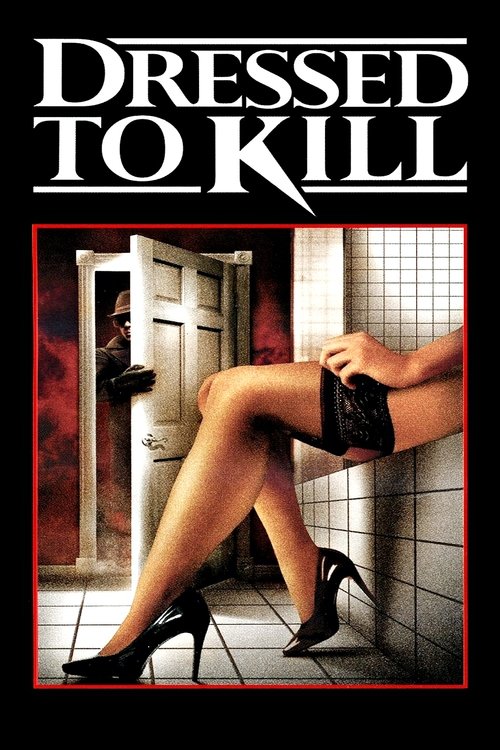
Dressed to Kill1980
De Palma's operatic evolution of the slasher, with the voyeuristic camera and red herring plotting of Hitchcock but the nastiness of the 70s. Verhoeven-adjacent perversity. A genuine guilty pleasure.
But The sexual subtext is explicit and uncomfortable by design. If you find De Palma's gaze exploitative rather than brilliant, this will not change your mind.
The Lodger: A Story of the London Fog1927
Hitchcock's first thriller, about a mysterious tenant in a boarding house. It invented the visual language of suspicion and paranoia. Silent but hypnotic, and only 80 minutes.
But It's silent. If that's a dealbreaker, skip it. The plot is also thin and sometimes stagey by modern standards.

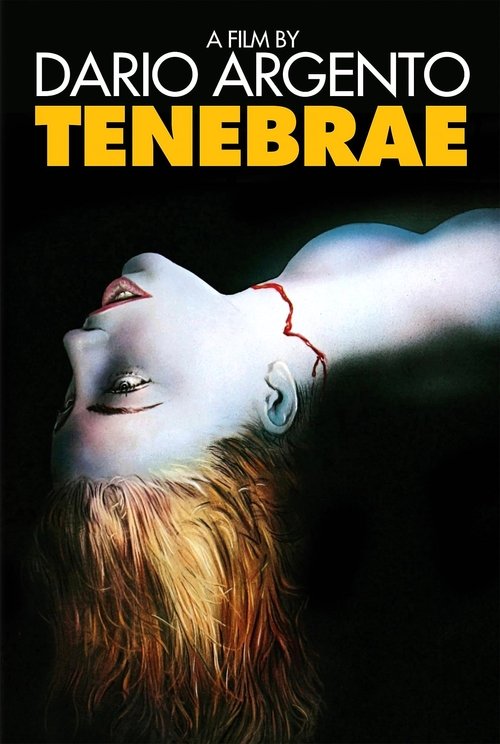
Tenebre1982
Dario Argento's masterclass in style and violence. A writer becomes entangled in a serial killer case. It's giallo (Italian horror thriller) at its most gorgeous and grotesque. Impeccable cinematography and a killer soundtrack.
But It's operatic and often confusing; the plot exists mainly to justify the set-pieces. If you want logic, look elsewhere.
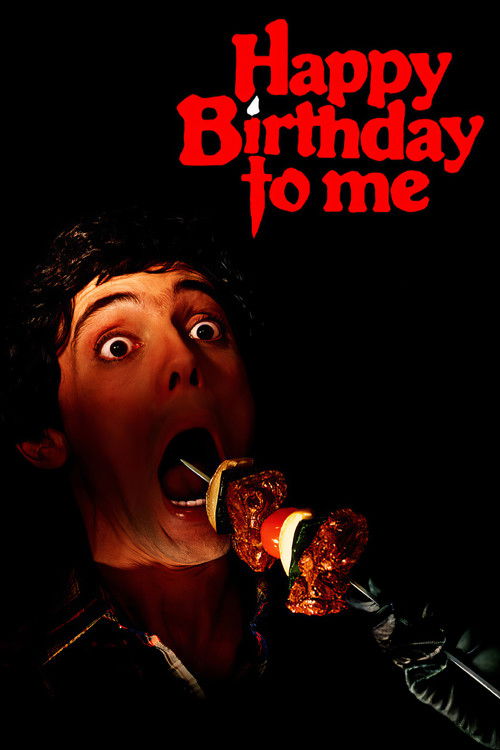
Happy Birthday to Me1981
A proto-slasher with genuine atmosphere and a cast you're rooting for. It has the 80s sheen but the gritty edge of the 70s, and the twist lands.
But The kills are inventive but sometimes corny. It's a little caught between camp and carnage, which not everyone buys.
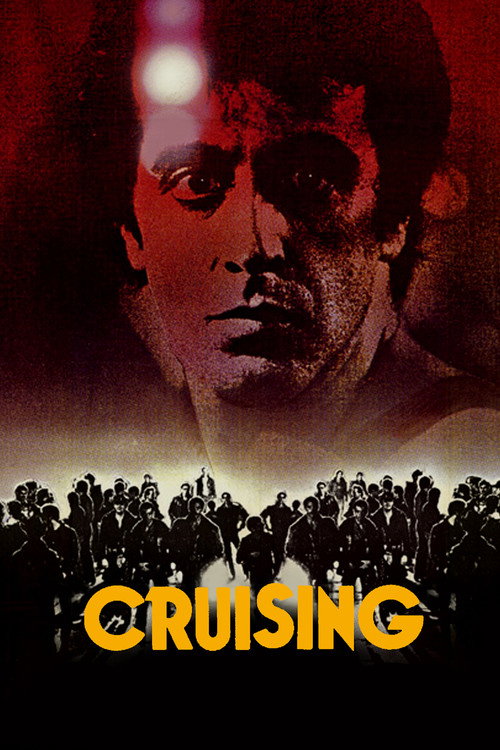
Cruising1980
Friedkin's controversial deep-dive into New York's underground gay scene, where a cop hunts a serial killer. It's transgressive, queasy, and visually stunning. Like no other slasher.
But The subject matter and the film's ambiguity about it provoked protests then and still provoke now. Some see it as exploitative; others as fearless. There's no neutral reading.
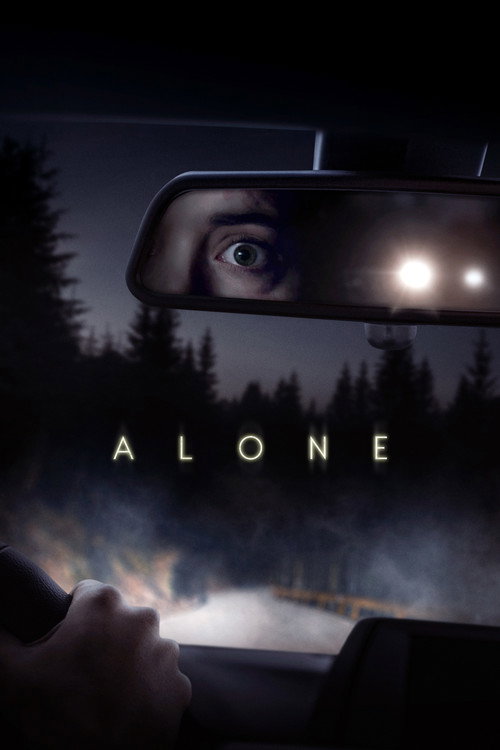
Alone2020
Both films understand that the best horror is about vulnerability in spaces that feel inescapable—apartment complex, empty road, no exit.
A woman and a predator play cat-and-mouse across the Pacific Northwest. It's a slasher boiled down to its essence: two people, one car, the landscape as character. Taut, misanthropic, and brutally efficient.
But It's bleak and gives you almost nothing to hold onto. No charm, no relief, no sympathy. If you need a character to root for, don't watch this.
Come and See1985
Both films refuse to look away from violence or soften it for audience comfort. The difference is register: Toolbox is genre pulp, Come and See is historical requiem. Same moral unflinching.
A Soviet WWII film that treats violence with the gravity Toolbox Murders approaches with exploitation. A boy witnesses atrocity, and the film's unflinching eye asks you to do the same. Art-house, yes, but devastating and real.
But It's not entertainment. It's a document of human cruelty that doesn't offer catharsis or closure. Some call it a masterpiece, others find it unwatchable and unfair.

People
Cast
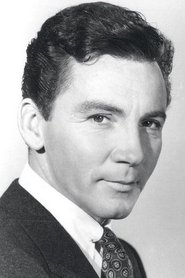 Cameron MitchellVance Kingsley
 Pamelyn FerdinLaurie Ballard
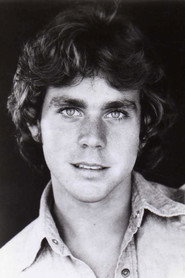 Wesley EureKent Kingsley
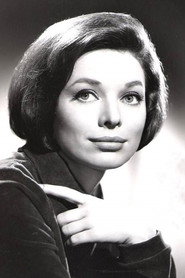 Aneta CorsautJoanne Ballard
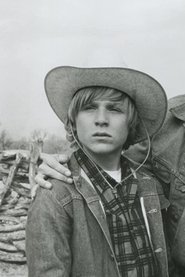 Nicolas BeauvyJoey Ballard
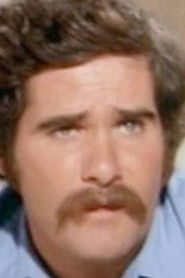 Tim DonnellyDetective Jamison
- Faith McSwainMrs. Andrews
- Marciee DrakeDebbie
- Evelyn GuerreroMaria
 Kelly NicholsDee Ann (as Marianne Walter)
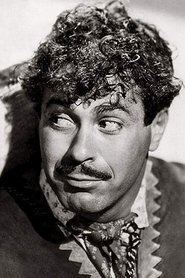 Don DiamondSgt. Cameron
- Victoria PerryWoman in Apartment
Directing
- Dennis DonnellyDirector
Writing
- Ann KindbergScreenplay
- Neva FriedennScreenplay
- Robert EasterScreenplay
- Robert EasterStory
Production
- Tony DiDioProducer
Recommended by
Outnumbered, Bread and Roses, The Burning, Bloody Birthday, Pieces, Don't Go in the House