
Film
Don't Go in the House
- Slasher
- Serial killer
- Very dark
A 1979 proto-slasher about a disturbed man weaponising his childhood trauma. Gritty, ugly, and relentlessly bleak—it's exploitation horror that doesn't flinch from its own ugliness. For viewers who prize authenticity over comfort, and who want to see how the genre's darker impulses looked before the rules solidified.
If you liked this
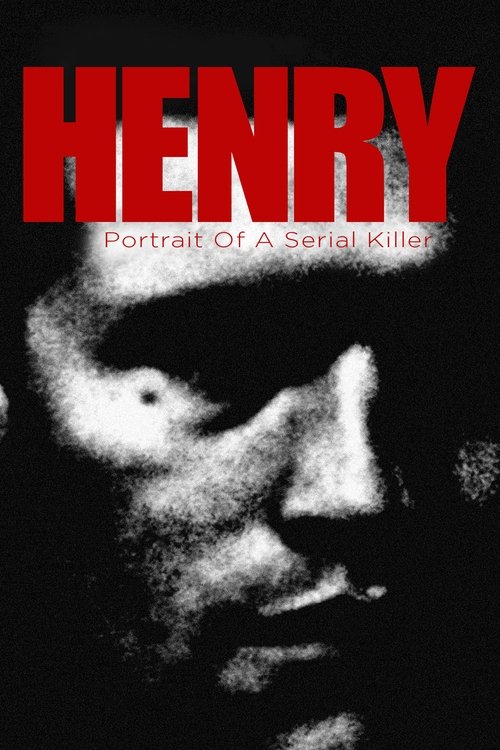
Henry: Portrait of a Serial Killer1986
A foundational film about casual, unmotivated violence. Shot with documentary flatness and no score, it captures the same numbing dread and refusal to sensationalise killing that makes Don't Go in the House so disturbing.
But Genuinely difficult to watch. No catharsis, no justice, no reason to feel better when it ends. Some scenes linger in ways you won't enjoy.
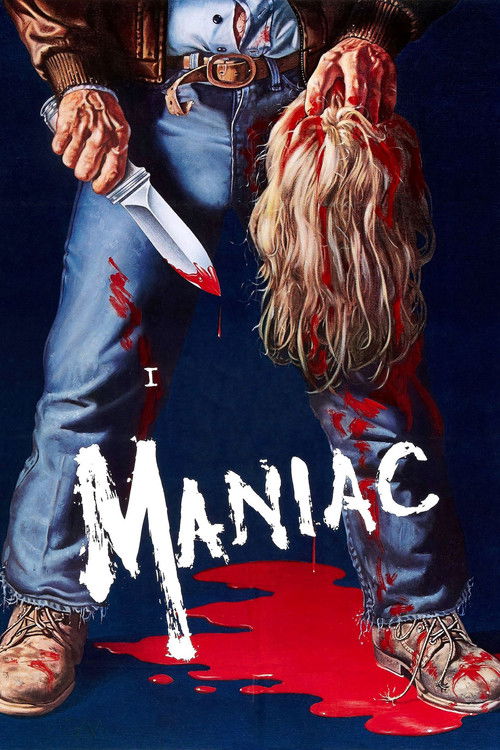
Maniac1980
Another 1980 New York slasher about psychological disintegration. Joe Spinell's performance and the film's chaotic energy capture similar desperation, but with a rawer, more sympathetic portrait of mental illness.
But Arguably more exploitative, with a camera that sometimes seems to enjoy the violence rather than condemn it. The ending feels unearned.
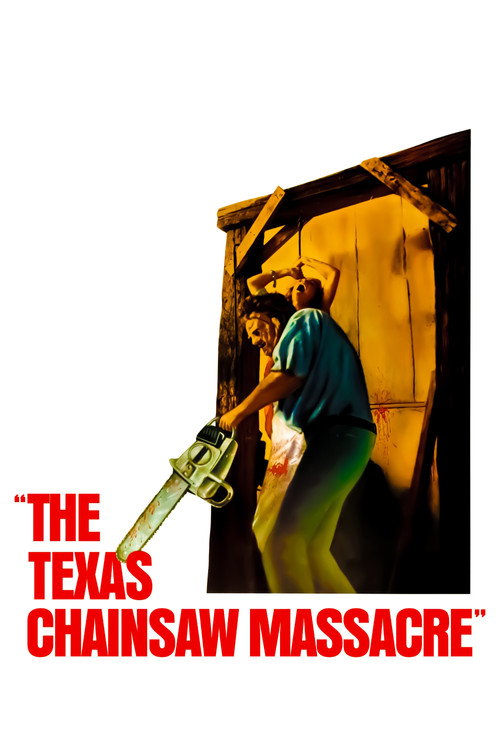
The Texas Chain Saw Massacre1974
The template for visceral, handheld horror. It's about trauma and family pathology expressed through violence, shot with the same ugly immediacy that makes Don't Go in the House so effective.
But By now, you may have already seen it. If not, be aware it's more suggestion and sound design than gore—which some find more unsettling, others just tedious.
Not sure tonight? Get a pick in a minute, starting from Don't Go in the House
The wildcard
Something you would not have found on your own.
Come and See1985
Both are about the destruction of innocence through violence, filmed with an almost sociological commitment to not looking away. Both refuse to make the violence comprehensible.
A Soviet war film about a boy's initiation into Soviet partisan combat. Like Don't Go in the House, it's a relentless descent into trauma told without sentiment or release. Visually horrifying and spiritually devastating.
But Utterly bleak. The most physically and psychologically gruelling film on this list. Black-and-white, subtitled, three hours long, and it never once gives you a break.

More like this (7)
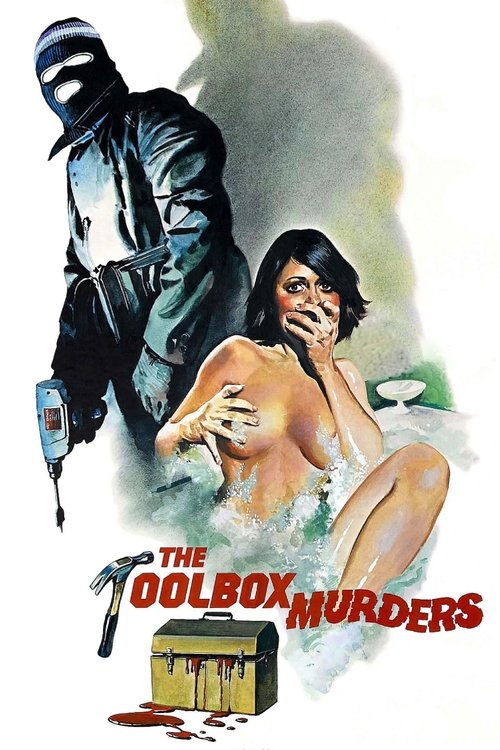
The Toolbox Murders1978
A lesser-known contemporary that follows a deranged man killing women in an apartment building. Shares the same cramped claustrophobia and focus on a killer's psychosis without judgment or explanation.
But Feels like a lesser film—less coherent, less committed to its own logic. Exploitation without the artistic weight that might justify it.
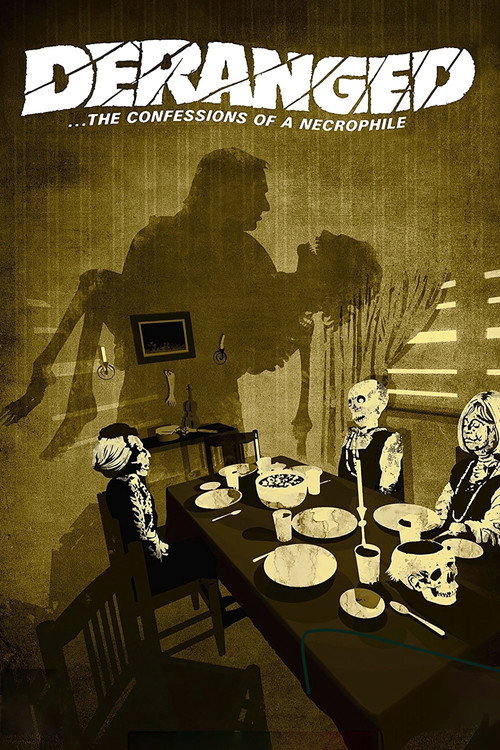
Deranged1974
A deeply unpleasant film loosely based on Ed Gein, focused on a man's complete psychological breakdown. It has the same documentary approach and refusal to make evil comprehensible.
But Almost revels in degradation. Very hard to find, and when you do, the quality is often poor. Some will feel it's pointless suffering.
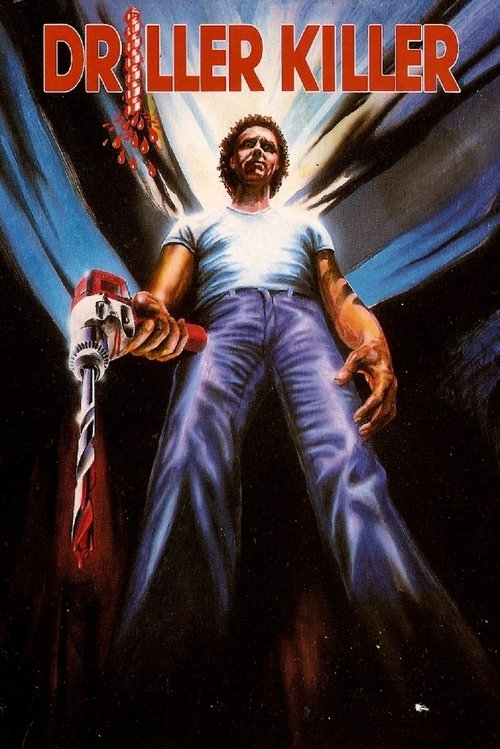
The Driller Killer1979
Abel Ferrara's debut: a tortured artist in New York turns violent. Handheld, chaotic, and genuinely concerned with the killer's fractured psychology rather than spectacle.
But Incoherent in places. Ferrara's later films are much better made. This feels like a student project, which means formal slickness won't help you through it.
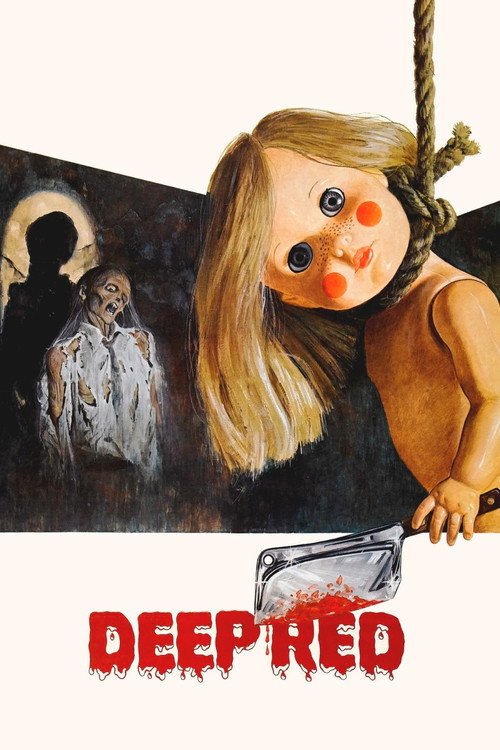
Deep Red1975
A giallo that's far more stylish than Don't Go in the House, but shares an obsession with trauma—particularly how childhood violence shapes adult pathology. Gorgeous and disturbing.
But More accessible than what you're about to watch, which might feel like a step backward. Also much longer, and the plot becomes baroque.
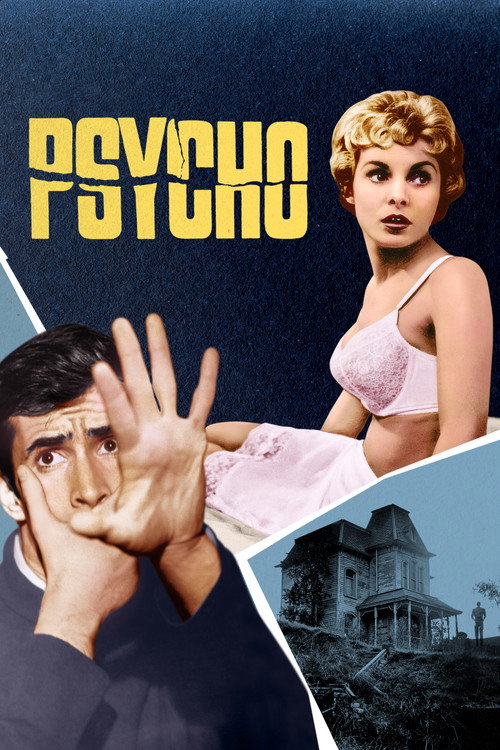
Psycho1960
The obvious ancestor. Hitchcock's understanding of how abuse creates killers is still the reference point. It's brilliant filmmaking and genuinely shocking.
But You've probably seen it. And it's a thriller first, character study second—less willing to live in the pathology the way Don't Go in the House is.
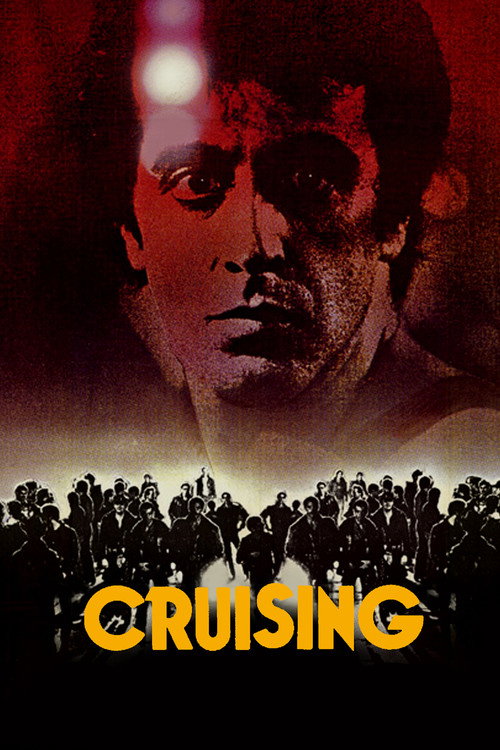
Cruising1980
Friedkin's deeply uncomfortable film about a cop posing as gay to catch a serial killer. It shares Don't Go in the House's grimness and refusal to offer moral clarity or easy answers.
But Widely reviled on release, partly for valid reasons. The politics are murky at best. It's also a slow, fractured thriller, not a character study.
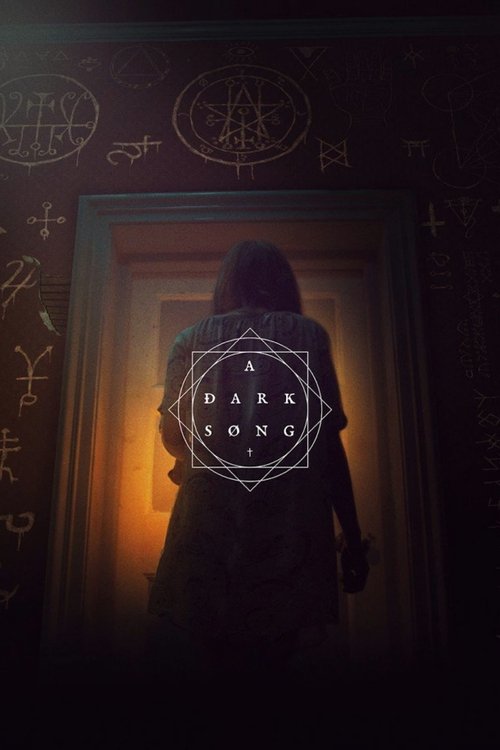
A Dark Song2016
Both films understand that trauma lives in the body and in spaces. Both are about how people survive—or fail to survive—their own damage. Don't Go in the House shows what happens when there's no redemption; A Dark Song imagines what survival might look like.
A recent chamber drama about grief, trauma, and the rituals we use to process unbearable loss. It's quiet and strange, shot in isolation, with two people locked in a psychological journey toward transcendence or madness.
But Slow, meditative, and structured like a séance. Nothing like the surface genre you know. If you need plot momentum, this will feel like punishment masquerading as art.
People
Cast
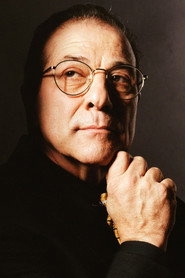 Dan GrimaldiDonald 'Donny' Kohler
- Robert CarnegieBobby Tuttle
- Ruth DardickMrs. Kohler
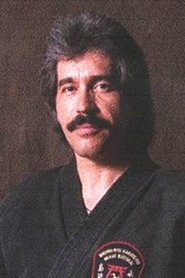
- Bill RicciVito
 Johanna BrushayKathy Jordan
- Ralph D. BowmanFather Gerritty
- Mary Ann ChinnWoman in Street
- Susan SmithGirl in Market
 Darcy SheanGirl in Car

Directing
- Joseph EllisonDirector
Writing
- Ellen HammillScreenplay
- Joe MasefieldScreenplay
- Joseph EllisonScreenplay
- Joe MasefieldStory
Production
- Dennis StephensonAssociate Producer
- Matthew MallinsonAssociate Producer
- Edward L. MontoroExecutive Producer
- Ellen HammillProducer