
Film
The Driller Killer
- Slasher
- Serial killer
- Very dark
Abel Ferrara's grimy 1979 debut follows a broke artist in New York spiralling into violence, using a power drill as his weapon. It's ugly, claustrophobic, and deliberately amateurish—shot on a shoestring with handheld cameras that make you feel the protagonist's unravelling. For completists of transgressive cinema and those fascinated by how extreme horror finds its form on no budget.
If you liked this
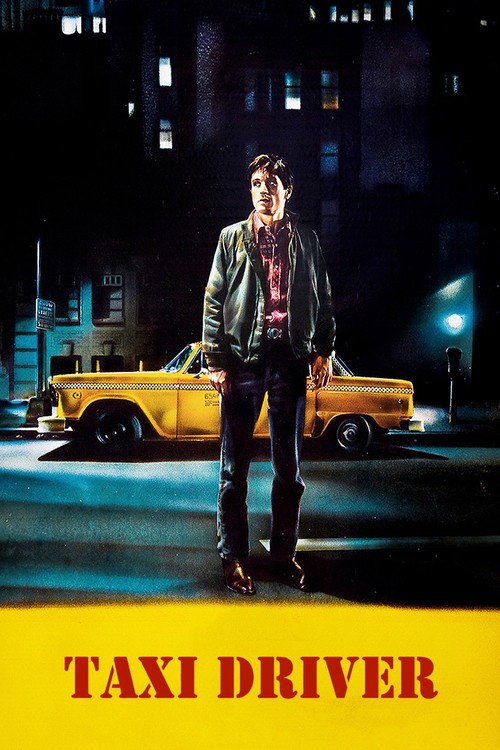
Taxi Driver1976
The clearest ancestor: an isolated man adrift in New York, urban decay as psychological landscape, violence as a symptom of fractured consciousness. Scorsese's vision with infinitely larger resources, but the DNA is identical.
But Three hours of mounting dread. Travis Bickle's monologues can feel dated, and the misanthropy runs so deep it exhausts some viewers.
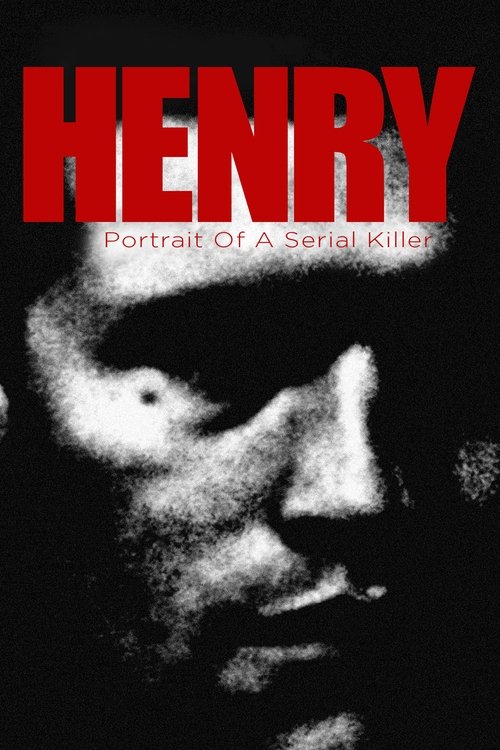
Henry: Portrait of a Serial Killer1986
Another no-budget horror film that found something real in depicting casual, motiveless killing. Shot with similar grittiness, refusing to sensationalise or judge—just showing the flatness of the killer's existence.
But Genuinely disturbing in ways that go beyond jump scares. Long, boring stretches between acts of violence. Some find that more unsettling than shock value, not less.
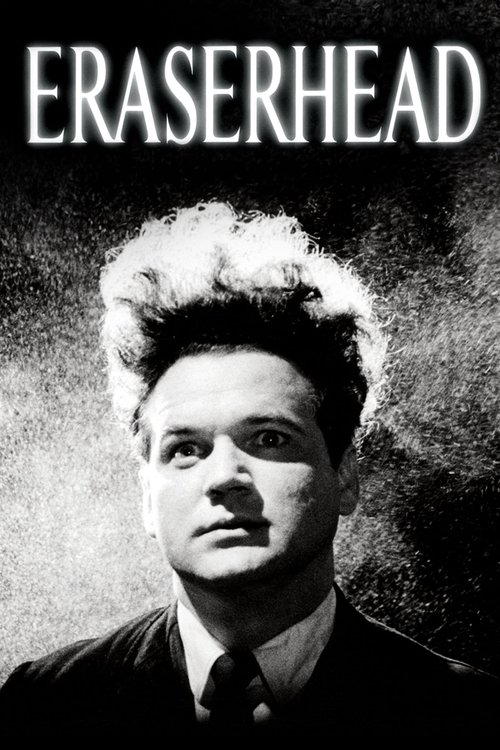
Eraserhead1977
David Lynch's nightmarish debut about a man suffocating under domestic and industrial pressure. Like Driller Killer, it's deliberately ugly, shot in grainy black-and-white, and treats the protagonist's mental collapse as visceral horror.
But Surreal and obtuse. If you're looking for plot clarity or conventional narrative, you'll find neither here.
Not sure tonight? Get a pick in a minute, starting from The Driller Killer
The wildcard
Something you would not have found on your own.
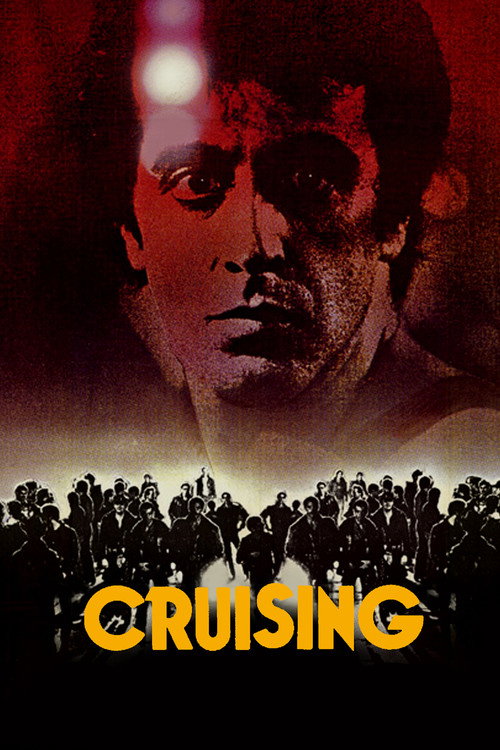
Cruising1980
Both are 1979-80 New York films about men descending into the city's violent underworld; both shot on location with documentary urgency; both treating urban decay as a mirror for psychological unravelling.
William Friedkin's controversial thriller about an undercover cop hunting a killer in New York's gay underground. Made in the same moment as Driller Killer and set in the same city's night streets, but from the inverse angle—the hunter instead of the hunted. Both films treat the urban underworld as a character.
But Homophobic subtext was explosive on release and hasn't aged away. Long stretches of cruising and club scenes that feel voyeuristic rather than illuminating. Heterosexual viewers may struggle with its logic.
More like this (8)
Possession1981
Andrzej Żuławski's unhinged masterpiece about a marriage disintegrating in 1980s Berlin. Raw, sexual, violent, and shot with absolute commitment to chaos. Another European film that channels psychological breakdown through visceral horror.
But Deliberately fractured editing and sound design. The grotesque practical effects divide people sharply. Some find it genius; others find it self-indulgent.

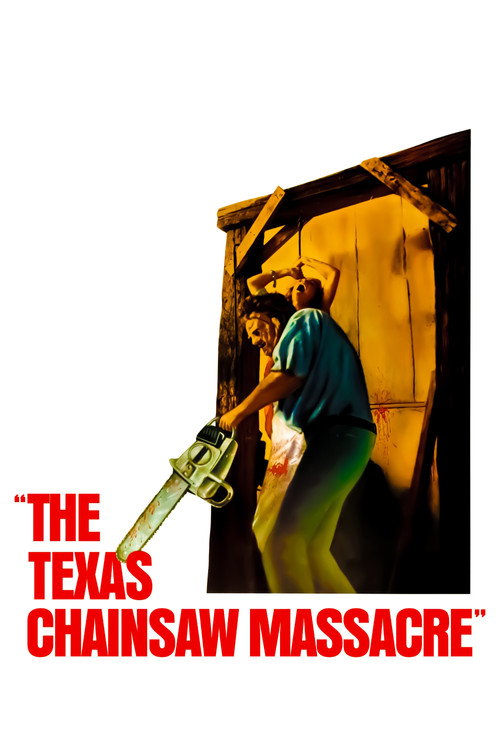
The Texas Chain Saw Massacre1974
Tobe Hooper's landmark proves horror doesn't need gore to devastate—it needs authenticity. Like Ferrara, Hooper made something epochal on nothing, using handheld immediacy and documentary-style graininess to horrify.
But The actual gore is minimal, but the *idea* of it is overwhelming. Some viewers hate being made to feel complicit in the violence.
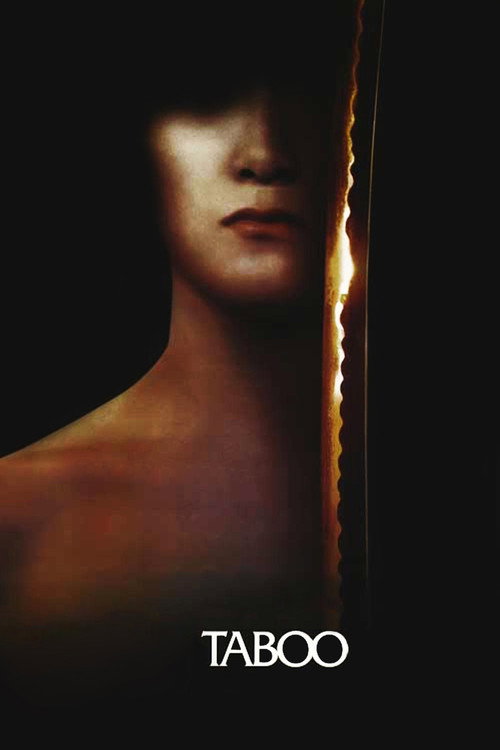
Taboo1999
Nagisa Oshima explores how desire, power and madness corrupt a group, shot with clinical precision but psychological ferocity. A meditation on violence and sexuality that shares Ferrara's willingness to stay uncomfortably close to the subject.
But Japanese period piece with a glacial pace. Requires patience and engagement with thematic subtlety over plot momentum.
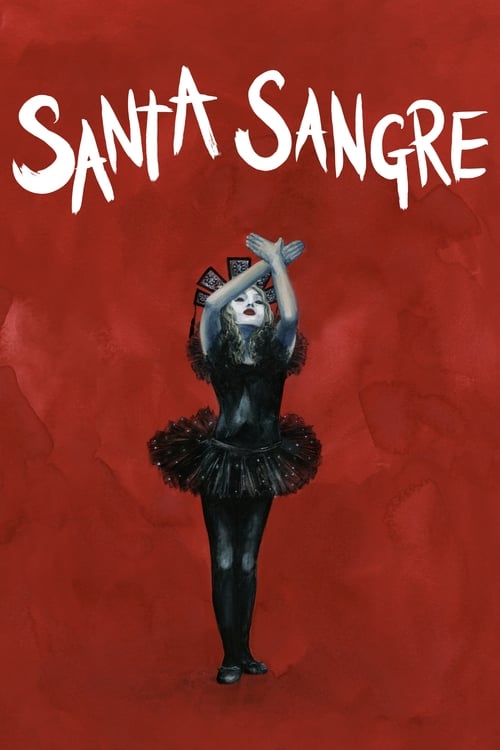
Santa Sangre1989
Jodorowsky's surrealist nightmare about a man raised by a mutilated mother, unable to distinguish himself from her violence. Operatic and grotesque, but rooted in real psychological horror—trauma made visible.
But The surrealism overwhelms narrative. If you need grounding in literal reality to follow a story, this will frustrate you.
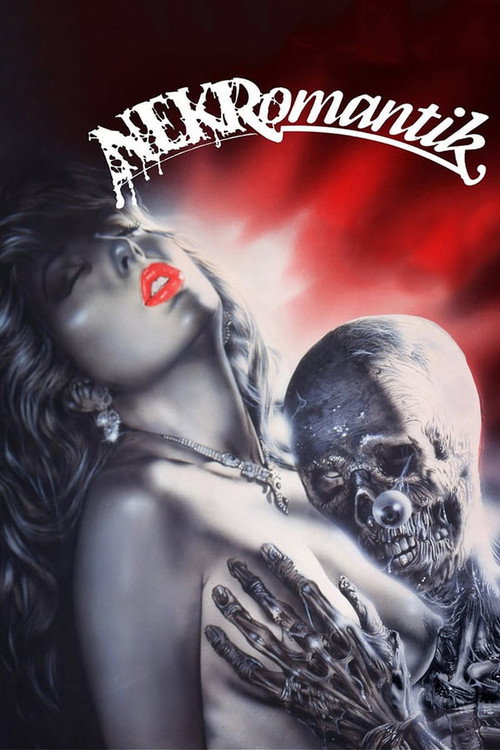
Nekromantik1988
Another transgressive low-budget horror that asks uncomfortable questions about desire and taboo. Rob Schmadebeck's refusal to look away or judge creates a strange kind of honesty that echoes Ferrara's approach.
But Genuinely repulsive imagery designed to make you complicit. This isn't entertainment in any traditional sense—it's provocation.
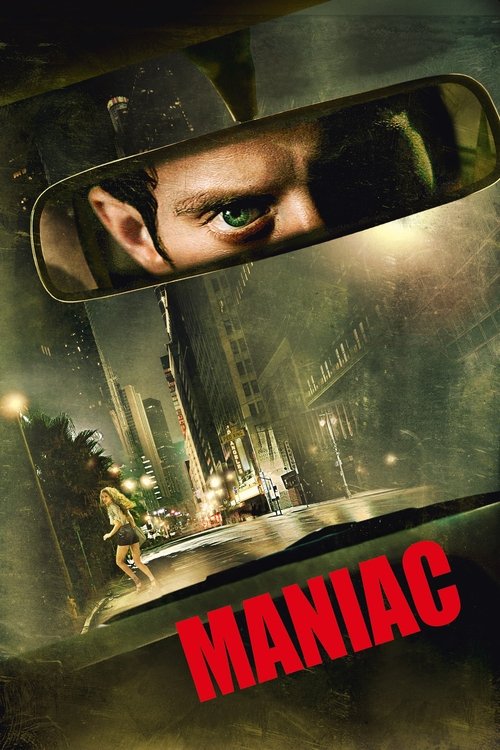
Maniac2012
Franck Khalfoun's remake shot almost entirely from the killer's POV in first-person. Updates Ferrara's aesthetic with digital clarity; the visual strategy forces identification in ways the original could only imply.
But The first-person approach exhausts some viewers. Relentless and claustrophobic in a way that can feel punitive rather than illuminating.
Come and See1985
Both depict systematic dehumanisation and the erosion of conscience. Both refuse sentimentality or distance. Both suggest that exposure to atrocity breaks something irreparable in the observer.
Elem Klimov's devastating Soviet war film follows a boy's innocence destroyed by the Eastern Front. Like Driller Killer, it's a descent into hell without moral framework or redemption. The methodology is different—epic rather than intimate—but the bone-deep commitment to showing psychological annihilation is identical.
But One of cinema's most difficult films. Real animal death. Graphic violence against children. Not for any occasion where you want to feel okay afterward.

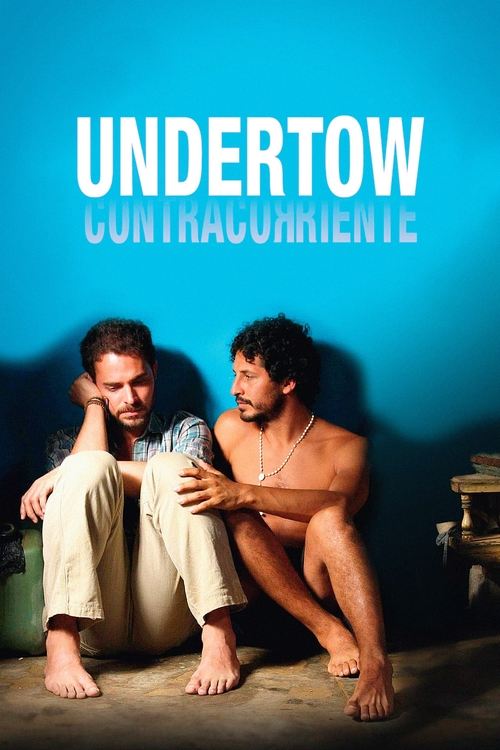
Undertow2009
Both use confined settings (city/village) where social pressure mounts until explosion. Both are interested in the point where desire or desperation tips into destruction. Ferrara shoots from the killer's numbness; this shoots from the victim's tenderness—opposite angles on the same machinery.
Javier Fuentes-León's intimate Colombian thriller about a closeted fisherman and a drifter in a remote village. Completely different register—it's lyrical, sensual—but shares Ferrara's interest in how social constraint and isolation breed violence. A counterpoint: where Ferrara shows violence as symptom, this shows love as transgression in a world that forbids it.
But Slow-paced character study. The homophobic context of the village may feel claustrophobic to the point of unbearable. No catharsis, and the ending stings.
People
Cast
 Abel FerraraReno Miller (as Jimmy Laine)
 Carolyn SmithCarol Slaughter (as Carolyn Marz)
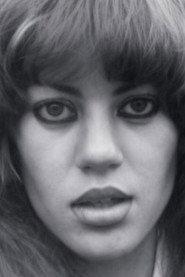 Pamela BergmanPamela Bergling (as Baybi Day)
- Harry SchultzDalton Briggs
- Alan WynrothAl the Landlord
- Maria HelhoskiThe Nun
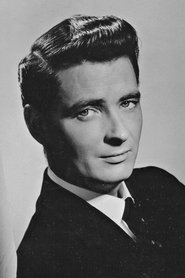 James O'HaraMan in Church
- Richard HoworthStephen - Carol's Husband
- Louis MascoloKnife Victim
- Tommy SantoraAttacker
- Rita GoodingTV Spot
- Chuck SaafTV Spot
Directing
- Louis MascoloAssistant Director
- Holly YellenContinuity
- Abel FerraraDirector
- Holly YellenScript Supervisor
Writing
- Nicholas St. JohnScreenplay
Production
- D.A. MetrovAssociate Producer
- Arthur WeisbergExecutive Producer
- Deborah DeliaProduction Assistant
- Mary KaneProduction Manager