
Film
The Jeffrey Dahmer Files
- Serial killer
- Very dark
The Jeffrey Dahmer Files blends archival material, real interviews, and dramatised reconstruction to piece together the summer of 1991 through the eyes of those who lived nearby. It's a hybrid documentary that treats its neighbours and investigators as the story's true centre rather than the killer himself. Unsettling and formally inventive, it asks what it means to survive proximity to evil.
Should you watch it?
Watch it if you are drawn to experimental nonfiction that circles a crime from the edges, caring more about the bystanders' texture and unease than about the killer's biography.
Skip it if you want a straight true-crime narrative or a clear through-line, since this is fragmented, mixes staged scenes with archive and interviews, and keeps its subject at a distance.
What it asks of you: At 76 minutes it moves slowly and stays in quiet rooms, letting half-finished testimony and fictional re-enactments hang before anything resolves.
Not sure? Find tonight's pick in a minute.
If you liked this
Memories of Murder2003
Bong Joon-ho's investigation of a serial killer in 1980s South Korea builds atmosphere through the perspectives of detectives, journalists, and ordinary people caught in the case's gravity. It's methodical, morally complex, and haunting.
But The pacing is deliberate and the ending offers no catharsis. If you want a puzzle neatly solved, this isn't it.

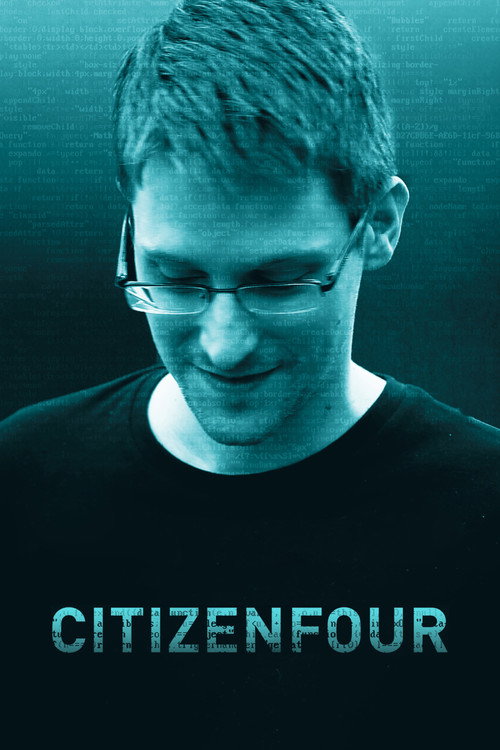
Citizenfour2014
Laura Poitras's documentary about Edward Snowden unfolds in real time with an intimate, urgent clarity. It captures the moment a secret becomes public and follows the people at the centre as events spiral around them.
But It requires patience with technical detail and doesn't offer a tidy resolution. The drama is bureaucratic rather than visceral.
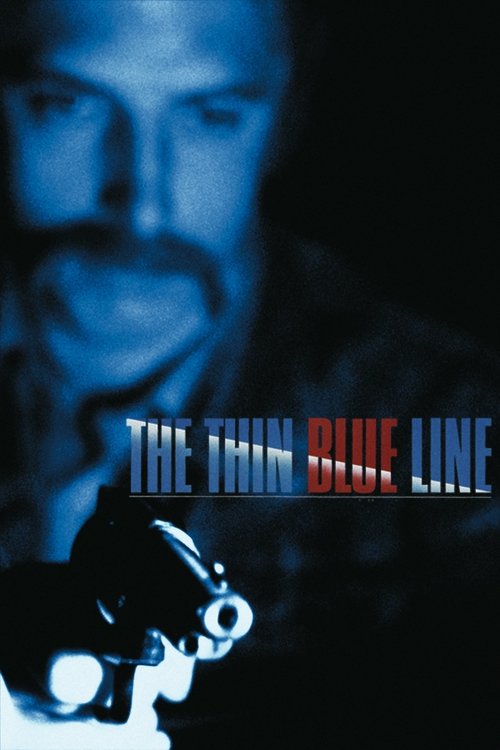
The Thin Blue Line1988
Errol Morris reconstructs a murder case in Dallas through interviews and stylised re-enactments, gradually exposing a wrongful conviction. It's a masterclass in how form shapes what we believe to be true.
But The reconstruction sequences feel dated now, and the film moves slowly before it accelerates. Early sections can feel repetitive.
Not sure tonight? Get a pick in a minute, starting from The Jeffrey Dahmer Files
The wildcard
Something you would not have found on your own.
Salò, or the 120 Days of Sodom1976
Both are experimental approaches to documenting real horror through form rather than narrative. Salò uses artifice to make horror visible rather than consumable; Dahmer Files uses reconstruction the same way.
Pasolini's final film is a stylised, theatrical document of atrocity and power that refuses to hide or exploit its content. It's not sensationalism; it's a moral and aesthetic statement about how we represent cruelty.
But It's extremely difficult to watch—not for shock value, but because Pasolini's formal control makes the violence inescapable and asks you to witness without flinching or looking away.
More like this (6)
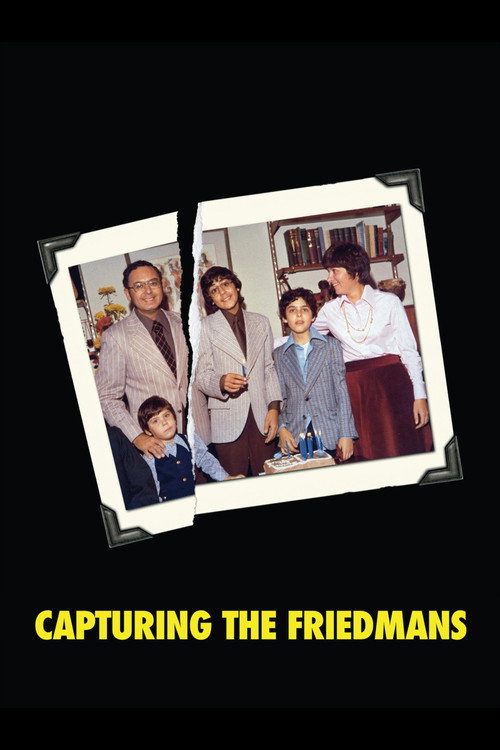
Capturing the Friedmans2003
Andrew Jarecki's hybrid documentary dissects a family destroyed by allegations of child abuse, using home video and interviews to show how truth fractured under investigation. It's formally brilliant and morally troubling.
But The film never reaches certainty about what actually happened, which some find unsatisfying. It's also deeply uncomfortable.
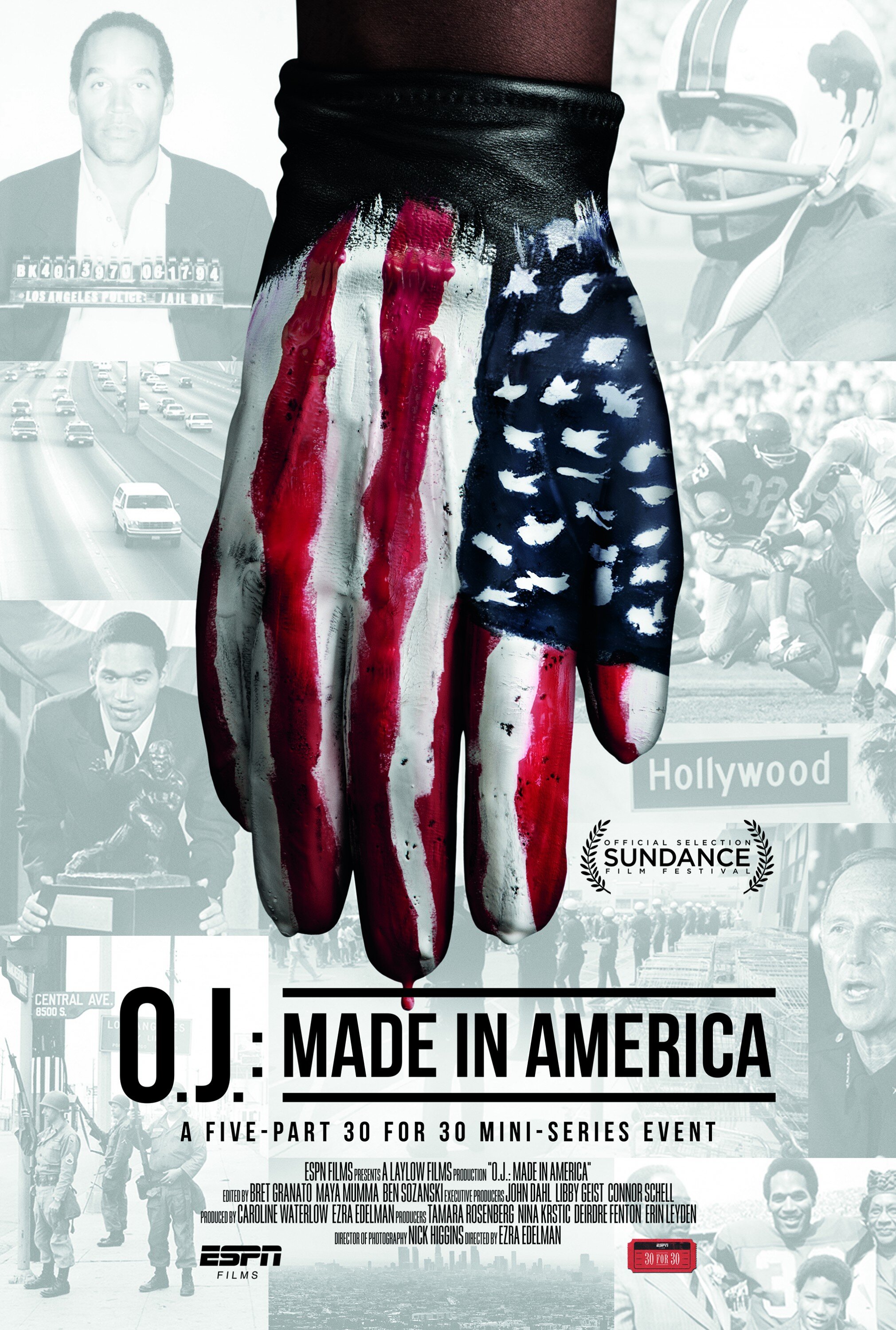
O.J.: Made in America2016
Ezra Edelman's five-hour documentary uses the Simpson trial as a lens to examine race, celebrity, media, and justice in America. It's exhaustive, gripping, and genuinely educational.
But The length is a real commitment, and the trial itself moves into familiar territory for anyone who lived through it or knows the case well.
The Act of Killing2012
Joshua Oppenheimer asks Indonesian death-squad leaders to re-enact their mass killings, creating a documentary that's formally radical and philosophically devastating. It's about how people live with atrocity.
But The fake violence is disturbing in ways real violence sometimes isn't. The viewing experience is genuinely difficult and not for everyone.

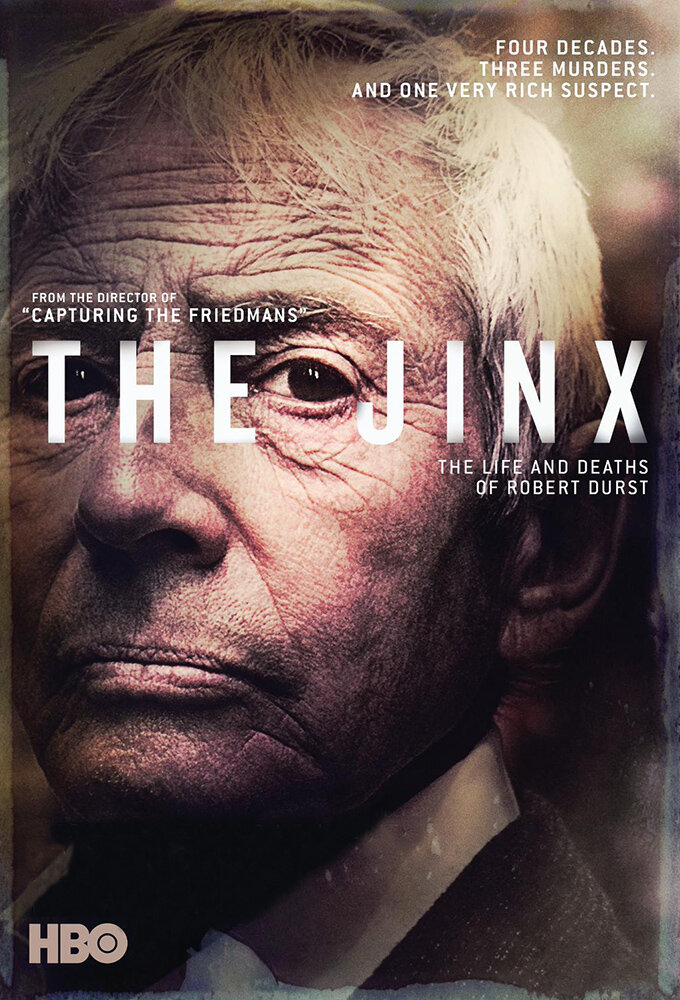
The Jinx: The Life and Deaths of Robert Durst2015
HBO's six-part series about a suspected serial killer unfolds like a thriller, with new evidence emerging across episodes and Durst himself granting astonishing interviews that seem to damn him in real time.
But The editing is manipulative and the interviews feel staged. Some of the drama dissolves under scrutiny, and the legal aftermath complicated the narrative the show sold.
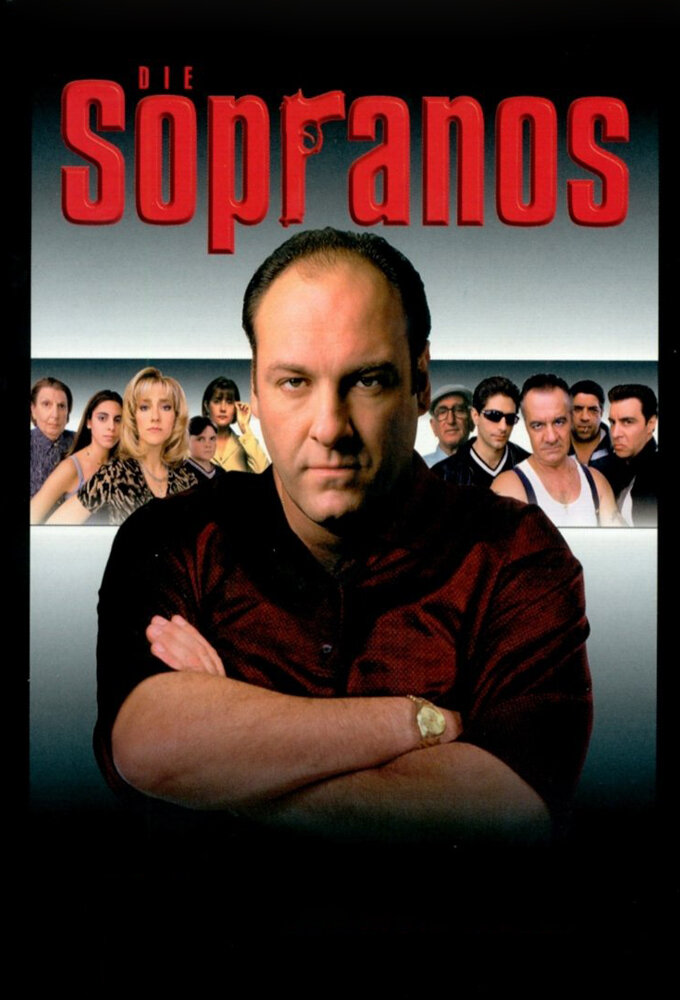
The Sopranos1999
Both centre the killer's interior life less than the people around them—family, neighbours, colleagues—and how proximity to darkness changes them. The killer is the circumstance, not the subject.
Chase's series spends eight seasons inside the mind of a man committing terrible acts while maintaining his ordinary life. It's a psychological excavation of how ordinary people compartmentalise evil.
But It's a huge time commitment and the pacing in early seasons is slow. Some viewers find the protagonist difficult to spend time with, which is rather the point.
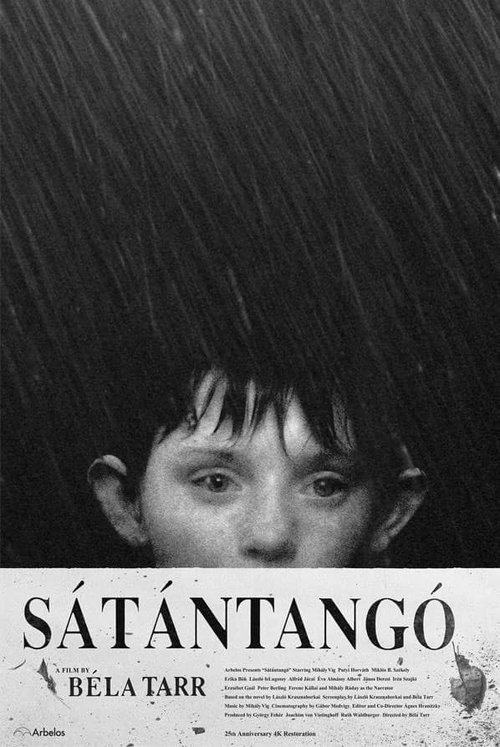
Satantango1994
Both treat a dark subject through formal restraint and observation rather than dramatisation. They ask us to sit with discomfort and refuse easy answers or catharsis.
Béla Tarr's seven-and-a-half-hour Hungarian masterpiece observes a collapsing community in an abandoned industrial town through long, patient takes. It's about moral decay and how people survive despair together.
But The length is not metaphorical—it is actually seven and a half hours. The black-and-white cinematography and glacial pacing will exhaust viewers looking for conventional narrative momentum.
People
Cast
- Andrew SwantJeffrey Dahmer
- Pamela BassSelf - Jeffrey Dahmer's Neighbour
- Jeffrey JentzenSelf - Medical Examiner
- Pat KennedySelf - Detective
Directing
- Chris James ThompsonDirector
Writing
- Andrew SwantWriter
- Chris James ThompsonWriter
Production
- Barry PoltermannExecutive Producer
- Chris SmithExecutive Producer