
Film
The Canterbury Tales
Pasolini's bawdy, grotesque adaptation of Chaucer in 1370s England. Medieval peasants, pilgrims and thieves copulate, scheme and philosophise with startling explicitness and dark comedy. Anarchic, sensual, repulsive to some—a film that feels dangerous and genuinely lived-in rather than performed.
Should you watch it?
Watch it if you enjoy bawdy, episodic medieval comedy told with a painterly eye, where coarse jokes and sensual crowds matter more than a single plot.
Skip it if you want a tidy, linear story; these tales wander, break off abruptly, and can feel shapeless, with bawdiness that some will find repetitive.
What it asks of you: It runs under two hours but spreads its attention across several separate stories, moving between bawdy farce and lush, slow tableaux, so patience with abrupt shifts of tone helps.
Not sure? Find tonight's pick in a minute.
If you liked this
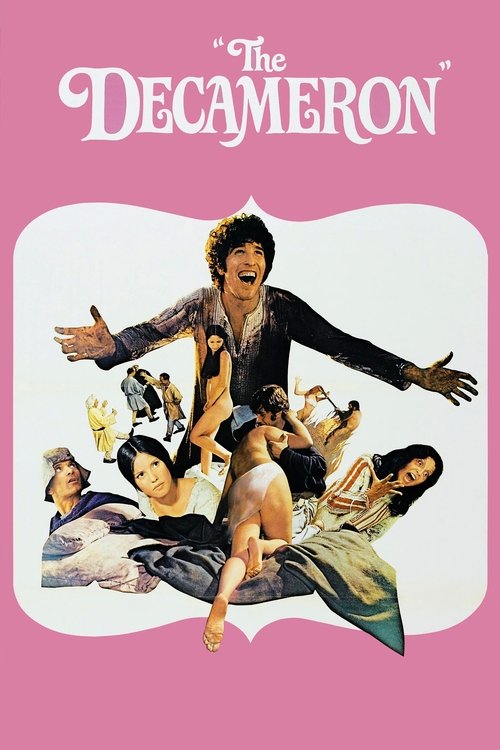
The Decameron1971
Pasolini's preceding film uses the same approach: framing stories told during plague-time as an excuse for erotic vignettes, social chaos, and philosophical tangents. If you want more of this exact energy, here's where it started.
But It's even more graphic and less interested in plot coherence. The pacing sprawls; patience required.
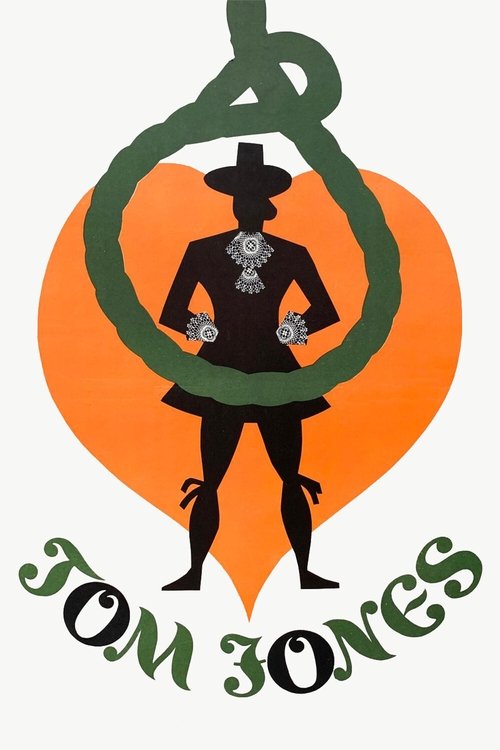
Tom Jones1963
Bawdy, episodic 18th-century romp with the same raucous energy and anti-establishment spirit. Fast, funny, full of sexual appetite and class commentary disguised as fun. Tony Richardson's direction has real verve.
But Much more conventionally charming than Pasolini's version. If you want transgression, this softens it.
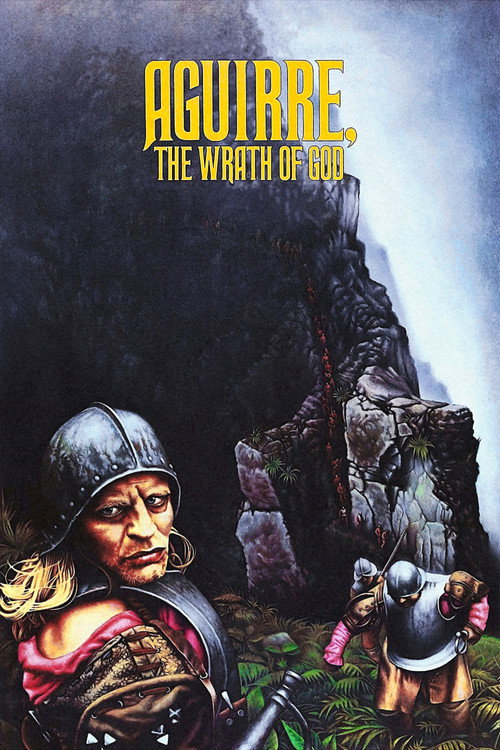
Aguirre, the Wrath of God1972
Herzog's Spanish conquest film shares the same grimy, almost documentary realism about historical degradation. Men unravelling in landscape. Myth colliding with mud. Refuses to prettify the past.
But Bleaker, more ascetic. There's no sex here, no comedy—just slow dissolution. Different tone entirely.
Not sure tonight? Get a pick in a minute, starting from The Canterbury Tales
The wildcard
Something you would not have found on your own.
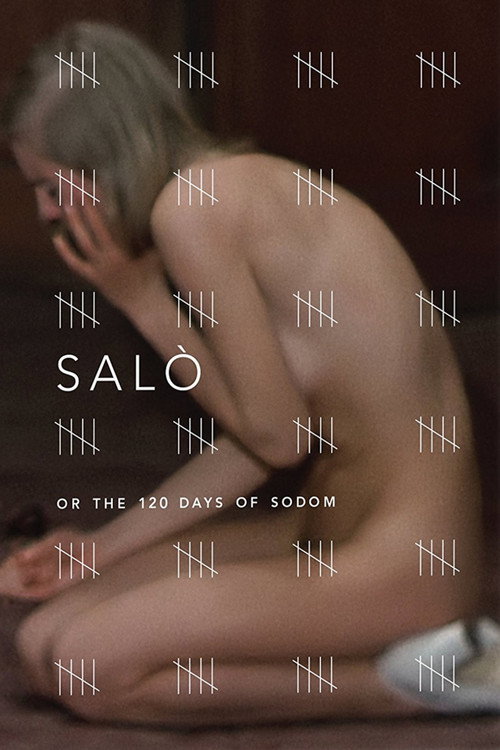
Salò, or the 120 Days of Sodom1976
Pasolini's other great adaptation, pushing the same formal and moral project to breaking point. Same director, same conviction that cinema must disturb to tell truth.
Pasolini's final film and the culmination of his method: transposing a transgressive text (de Sade) into a specific historical moment (Fascist Italy). More extreme, more schematic, more unbearable—but the same urgent need to show power corrupting bodies. Watch both as a pair.
But Graphically depicts sexual violence, torture and degradation. It's not entertainment; it's an ordeal. Many will find it unwatchable, and they will not be wrong.
More like this (8)
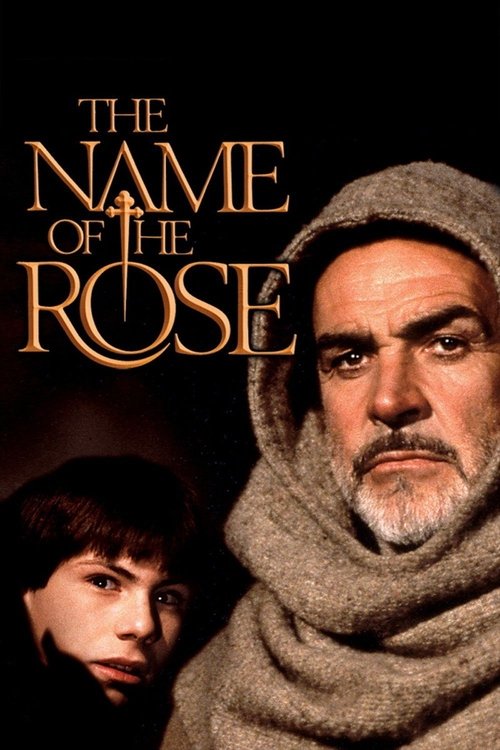
The Name of the Rose1986
Medieval monastery mystery with intellectual weight and sensory richness. Sean Connery brings gravitas to questions about knowledge, faith and power. Beautifully made, deeply engaged with its period.
But Reverent where Pasolini is profane. Mystery-plot structure is conventional. You're watching prestige cinema, not cinema that wants to offend you.
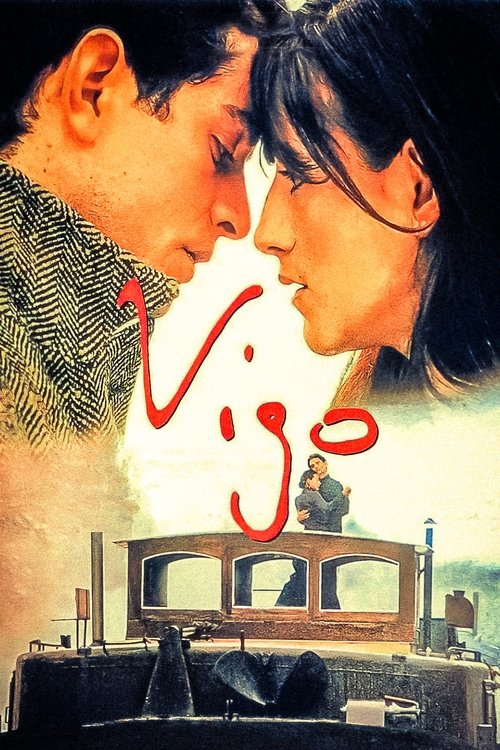
Vigo1998
Documentary about a director making transgressive art in hostile times. Pasolini saw Vigo as a spiritual predecessor. Understanding that lineage deepens both filmmakers—and the stakes of making work that refuses compromise.
But It's a documentary about another filmmaker, not a narrative. Requires genuine interest in cinema history to justify the detour.
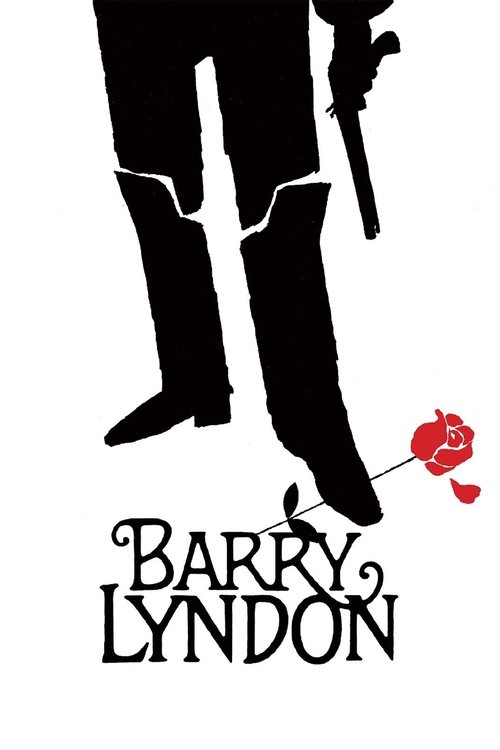
Barry Lyndon1975
Kubrick's picaresque 18th-century scoundrel narrative told in painterly candlelit frames. Another episodic male journey through vice and fortune, equally committed to unglamorous period detail and moral ambiguity.
But Glacially slow and visually baroque. The beauty can feel cold. Three hours of a character you don't especially like.
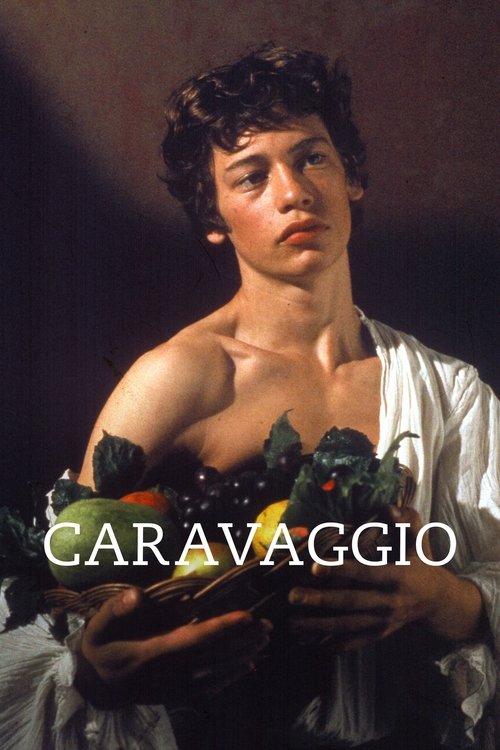
Caravaggio1986
Derek Jarman's portrait of the painter as sexual, violent, criminal artist. Merges high art with street life, sacred with profane. Visually sumptuous and politically alive—another queer director claiming the Renaissance as his own.
But Graphic sexual content, anachronistic dialogue, and a fractured narrative. If you need historical accuracy or linear storytelling, this will infuriate you.
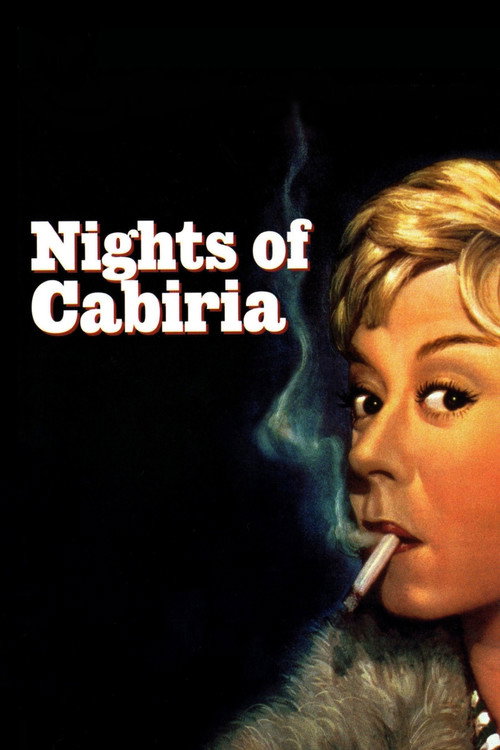
Nights of Cabiria1957
Fellini's Roman street-life comedy-drama about a prostitute with unbreakable spirit. Grotesque, funny, heartbreaking. Shows how European cinema treats sex and survival with neither prudishness nor exploitation.
But Melodramatic by modern standards. Sympathetic framing of sex work might feel patronising depending on perspective. Slower than you expect.
Kes1970
Working-class British realism with genuine tenderness and anger. A boy and a bird. Loach's empathy for the marginalised echoes Pasolini's—but the tone is quieter, the violence quieter too.
But More naturalistic means less visually exciting. The climax is devastating in a way that offers no catharsis. A punishing watch emotionally.

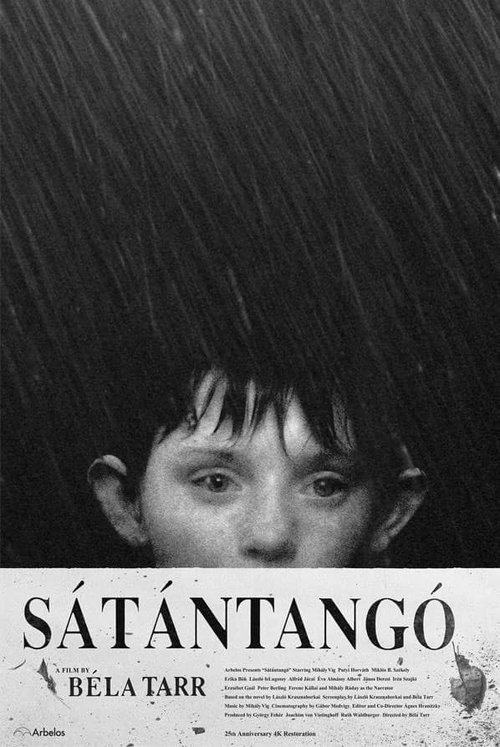
Satantango1994
Both are sprawling moral essays in the guise of picaresque narratives. Both trust visual storytelling over explanation. Both refuse to resolve their characters' spiritual confusion—that confusion IS the point.
Béla Tarr's seven-hour Hungarian film about post-communist collapse and spiritual searching. Like Canterbury Tales, it's episodic, digressive, full of hustlers and the desperate. But it replaces sex with boredom and rain. Hypnotic in a completely different register.
But Seven hours. Black and white. Minimal dialogue, minimal plot. If you want constant forward momentum or narrative satisfaction, this is the opposite. Requires deliberate patience.
A Prophet2009
Same unflinching eye on how institutions (prison, the church, feudal hierarchy) make people corrupt themselves. Same refusal to judge while showing clearly what's being lost.
Jacques Audiard's prison drama about a young man becoming powerful through manipulation and violence. Like Pasolini, it's unflinching about bodies in systems of power, about how desire and survival corrupt character. Morally complex, never sentimental.
But French cinema school realism, not transgressive provocation. Slower-paced dialogue-driven thriller might disappoint if you came for sex and grotesquerie. Harder to love than to respect.

People
Cast
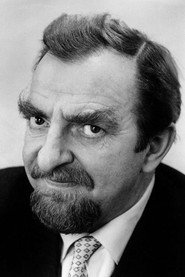 Hugh GriffithSir January
 Laura BettiThe Wife from Bath
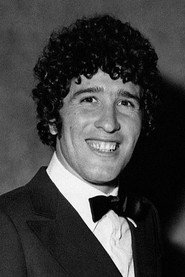 Ninetto DavoliPerkin
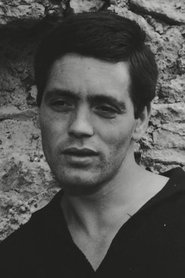 Franco CittiDevil

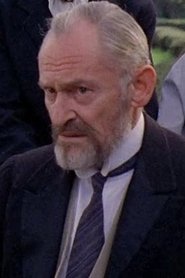 Alan WebbOld Man
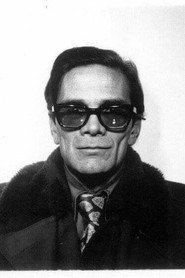 Pier Paolo PasoliniGeoffrey Chaucer
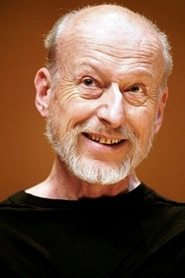 Vernon DobtcheffThe Franklin
 Jenny RunacreAlison
- Adrian StreetFighter
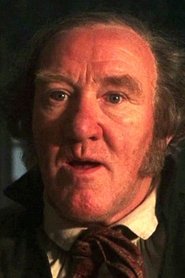 Derek DeadmanThe Pardoner
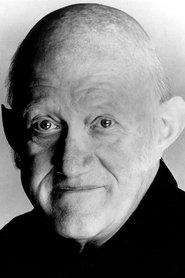 Nicholas SmithFriar
Directing
- Peter ShepherdAssistant Director
- Sergio CittiAssistant Director
- Umberto AngelucciAssistant Director
- Umberto CastagnaAssistant Director
- Pier Paolo PasoliniDirector
- Beatrice BanfiScript Supervisor
Writing
- Geoffrey ChaucerNovel
- Pier Paolo PasoliniScreenplay
Production
- Alberto GrimaldiProducer
- Adriano MagistrettiProduction Coordinator
- Anthony MooreProduction Coordinator
- Alessandro von NormanProduction Manager
- Franca TassoProduction Secretary
- Ennio OnoratiProduction Supervisor