
Film
Arabian Nights
Other titles called Arabian Nights: the 1942 film.
- Fairy tale
- Strange
Pasolini's final film transforms the Arabian Nights into a sensual, transgressive fever dream. It's episodic and digressive, moving between lovers and schemers with a painter's eye for flesh and colour. Explicitly sexual without apology, strange without pretence—this is folklore remade by an artist who wants you aroused and unsettled in equal measure.
Should you watch it?
Watch it if you like picaresque storytelling where one tale hatches another, and you don't mind a loose, sensual dreamscape that trades plot tidiness for wonder and bawdy warmth.
Skip it if you want a tight narrative or a brisk runtime, since at over two hours it drifts episodically and its frank sexuality is central, not decorative.
What it asks of you: Expect a long, unhurried sit that moves in loose episodes, with dreamlike pacing and frank nudity; attention wanders in and out, so let your mind wander too.
Not sure? Find tonight's pick in a minute.
If you liked this
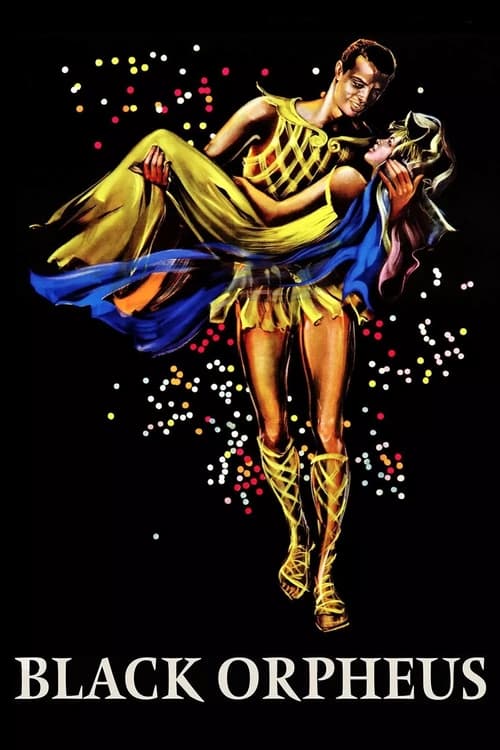
Black Orpheus1959
A mythological tale remade in a new setting with sensual cinematography and an open approach to sexuality. It has the same quality of myth-making in a visual register that feels urgent and alive.
But The representation is dated in ways that can feel uncomfortable, and the pastoral romanticism may strike you as naïve.
Suspiria1977
Another late-70s European film that swaps narrative clarity for pure visual and sensory experience. It prioritizes atmosphere and beauty over plot coherence in the same deliberate way.
But The story is minimal and cryptic, and if you need clear dramatic purpose you'll find it frustrating rather than immersive.

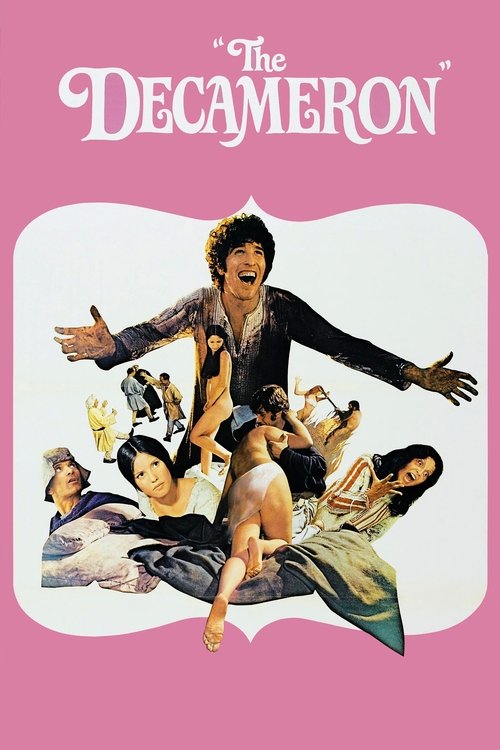
The Decameron1971
Pasolini's earlier film from the Trilogy of Life, equally episodic and bawdy. It shares the same narrative structure and sexual frankness, so it's the closest thing to a sibling work.
But It's essentially more of the same approach, so if you're ambivalent about Pasolini's style, this won't convert you.
Not sure tonight? Get a pick in a minute, starting from Arabian Nights
The wildcard
Something you would not have found on your own.
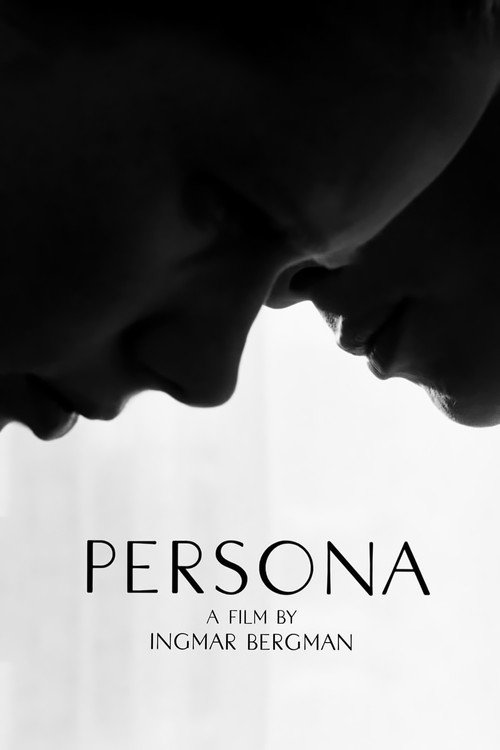
Persona1966
Both films use cinema itself as a kind of mirror or spell, exploring how image and desire shape identity. Neither offers answers; both insist on questions.
Bergman's chamber piece about identity and desire that works through visual abstraction rather than plot. Like Arabian Nights, it treats the body and face as text, and refuses the comfort of narrative resolution.
But It's austere and confrontational, with minimal story and maximum psychological opacity. Not sensual—severe.
More like this (6)
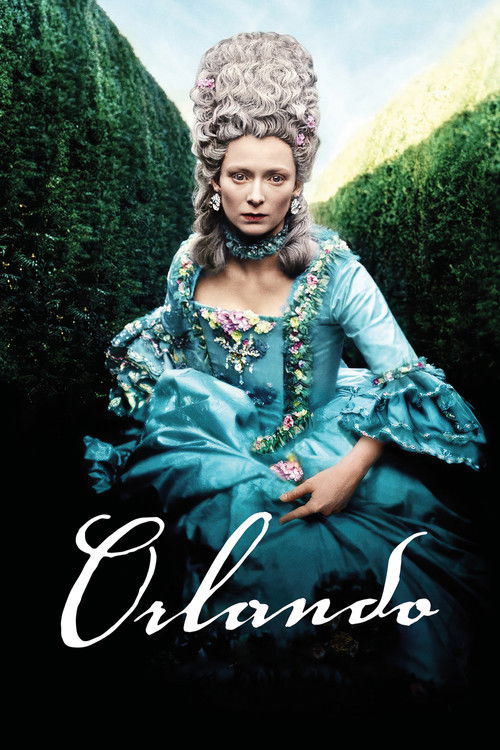
Orlando1992
Sally Potter's adaptation plays with time and gender as fluidly as Pasolini plays with desire and form. Both films use visual spectacle to explore identity across registers.
But It's more formally experimental and less narrative-driven, which some find precious rather than liberating.
The Canterbury Tales1972
Another chapter in Pasolini's Trilogy, using a classic text as scaffold for scenes of sexuality, comedy, and transgression. Structurally and thematically it's his closest echo.
But The episodic structure and sexual content will test your patience if you prefer linear dramatic arcs.
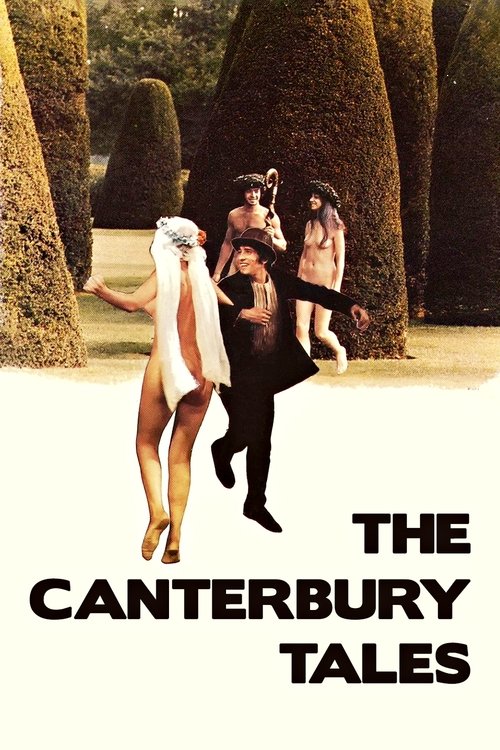
Leonor1975
A Spanish historical fantasy that shares the dreamlike visual grammar and erotic charge. It's equally unafraid of beauty, strangeness, and flesh.
But It's obscure, poorly distributed, and can be hard to find—and the narrative is deliberately opaque.
Masters of the Universe1987
A pulp fantasy with more visual wit than you'd expect, built on episodic adventure and spectacle. It has the same B-movie confidence Pasolini brought to folk material.
But It's campy in a way that's sometimes unintentional, and the sexual charge is absent—it's all adventure.

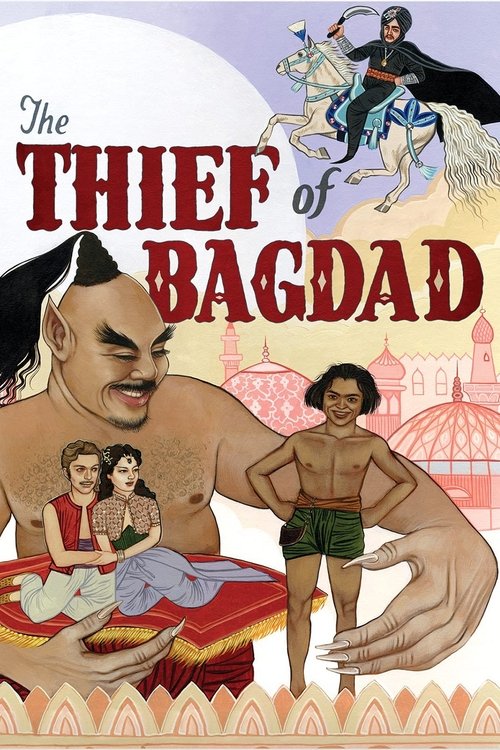
The Thief of Bagdad1940
An earlier, technicolor fantasy adventure that treats the same material with visual luxuriance and narrative energy. It's the mainstream tradition this film argues with.
But It's family-friendly and sanitized in every way Pasolini's film refuses to be; the comparison might make it feel quaint.
Tokyo Story1953
Both reject narrative machinery in favour of experience. Both trust the image and the viewer's attention more than story. Both know that cinema's real power lies in what it shows, not what it tells.
Ozu's film treats time, desire, and the body with a patience and formal control that makes every gesture matter. It's as far from plot-driven cinema as Pasolini, but achieves it through stillness rather than excess.
But Nothing happens. It moves at a pace that can feel like stasis. If you need incident or resolution, this will test you.

People
Cast
 Ninetto DavoliAziz
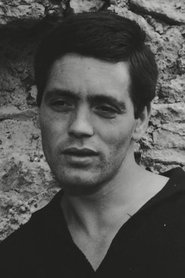 Franco CittiThe Demon
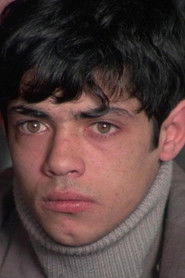 Franco MerliNur Ed Din
 Tessa BouchéAziza
 Ines PellegriniZumurrud
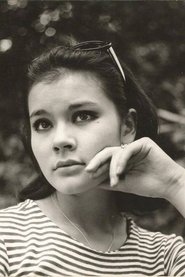 Margareth ClémentiAziz's Mother
 Luigina RocchiBudur
- Alberto ArgentinoPrince Shahzmah
- Francesco Paolo GovernalePrince Tagi
 Salvatore SapienzaPrince Yunan
- Zeudi BiasoloZeudi
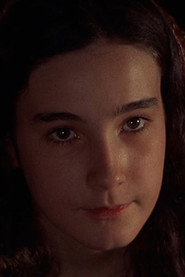 Barbara GrandiRagazza Trattenuta dal Demone
Directing
- Peter ShepherdAssistant Director
- Umberto AngelucciAssistant Director
- Beatrice BanfiContinuity
- Pier Paolo PasoliniDirector
Writing
- Dacia MarainiWriter
- Pier Paolo PasoliniWriter
Production
- Daniele TiberiAdministration
- Maurizio FortiAdministration
- Alberto GrimaldiProducer
- Mario Di BiaseProduction Manager
- Carla CrovatoProduction Secretary
- Alessandro MatteiProduction Supervisor
- Giuseppe BanchelliProduction Supervisor