
Film
Leonor
- Dark fantasy
- Horror
- Paranormal romance
- Very dark
A 1975 Spanish-Italian horror film about a medieval nobleman so consumed by grief for his dead wife that he makes a Faustian bargain to resurrect her—only to discover she's returned as something monstrous. It's operatic and strange, more interested in baroque atmosphere and sexual dread than scares. For those drawn to art-horror and its fever dreams.
Should you watch it?
Watch it if you like slow, candlelit gothic films where grief curdles into obsession and the atmosphere does most of the talking, the kind of eerie, dreamlike craft that makes a bleak premise feel inevitable.
Skip it if you need momentum and plenty of jump-scares; this is deliberate and talky, with long stretches of brooding that can feel like waiting for the plot to catch up.
What it asks of you: Settle in for about an hour and forty minutes of measured pacing, long silences and shadowy interiors, with attention rewarded by mood rather than by quick reveals.
Not sure? Find tonight's pick in a minute.
If you liked this
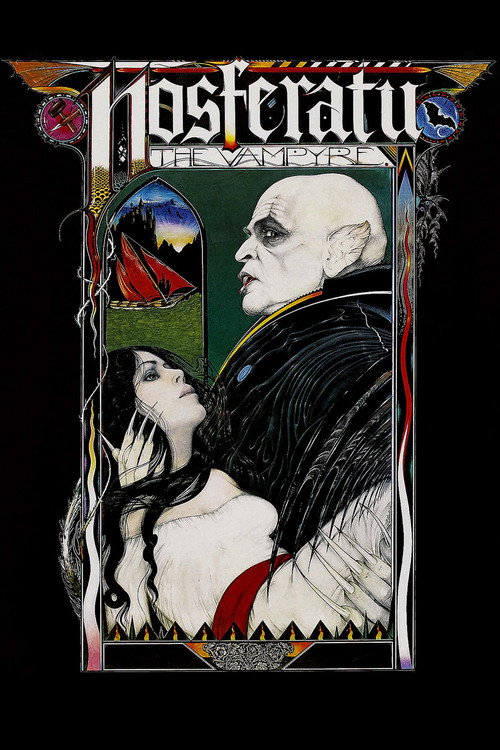
Nosferatu the Vampyre1979
Herzog's elegant reimagining of the vampire myth, where the monster is tragic and beautiful. Like Leonor, it treats the undead as a metaphysical problem, not a plot device.
But Deliberately paced and melancholic. If you want action or jump-scares, this will feel like watching someone else's dream.
The Wailing2016
A Korean thriller where grief and supernatural horror become impossible to separate. It shares Leonor's obsession with desire warping reality, and matches its moral ambiguity.
But Nearly three hours and genuinely difficult to parse. The ending provokes argument, not comfort.

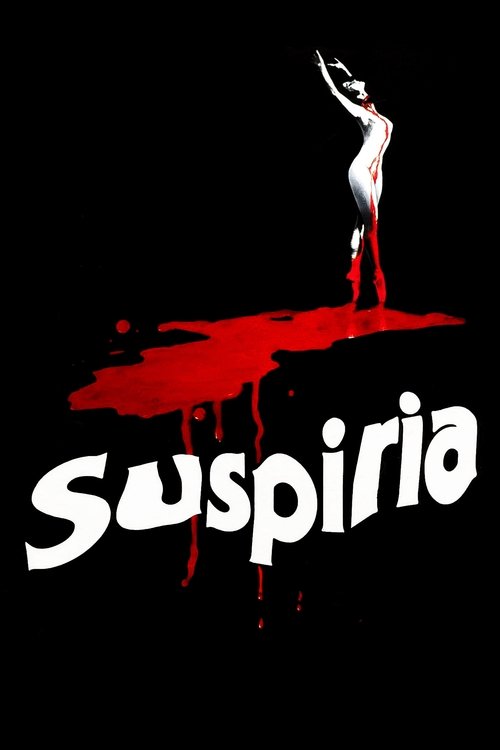
Suspiria1977
Dario Argento's masterpiece of pure visual and sonic nightmare. Like Leonor, it prioritizes atmosphere and dread over coherence, creating something that burrows into your skull.
But The plot is threadbare and the dubbing is jarring. It exists in a register of pure sensation, not storytelling.
Not sure tonight? Get a pick in a minute, starting from Leonor
The wildcard
Something you would not have found on your own.
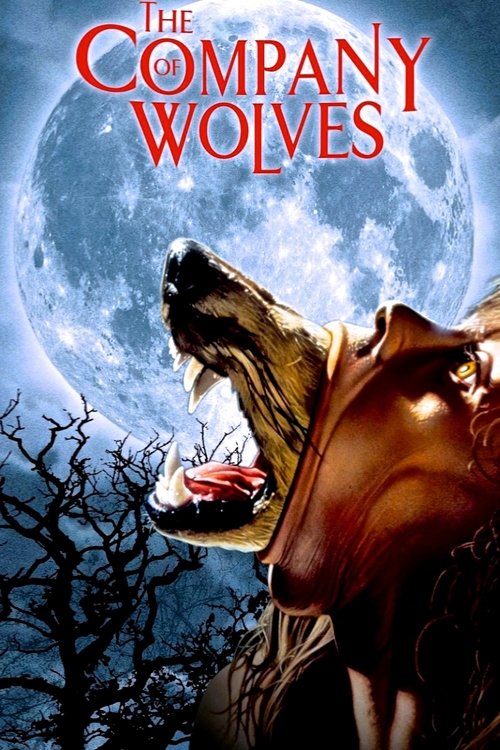
The Company of Wolves1984
Both use folktale and legend as vessels for exploring forbidden desire and the monstrosity that emerges when grief or lust overwhelms reason. Both are more interested in mood and image than plot.
Neil Jordan's surreal, sexually charged fairy tale about desire and transformation. It shares Leonor's dream-logic and its willingness to let horror emerge from psychology rather than plot mechanics. Gorgeously weird and more moving than it has any right to be.
But It's a fantasy film that refuses to explain itself. If you need narrative clarity and forward momentum, this will frustrate you.
More like this (8)
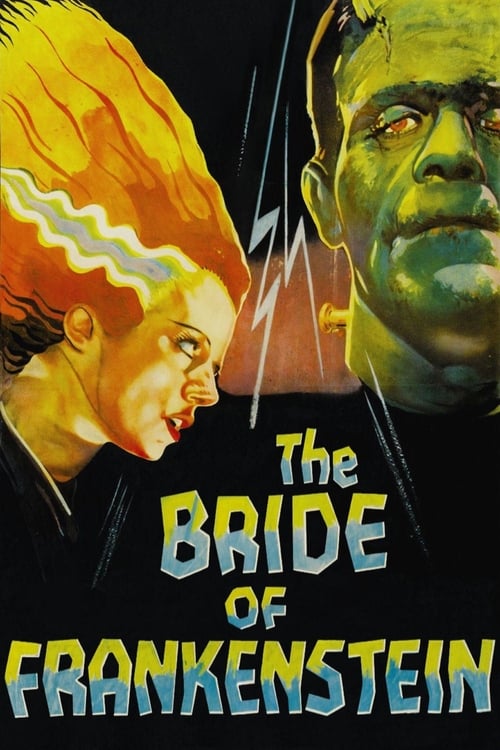
Bride of Frankenstein1935
James Whale's camp-inflected tragedy about bringing back the dead and the horror of what returns. Early cinema at its most theatrically strange, with real pathos underneath.
But Black-and-white 1930s production. The pacing will feel glacial if you're used to modern film language.
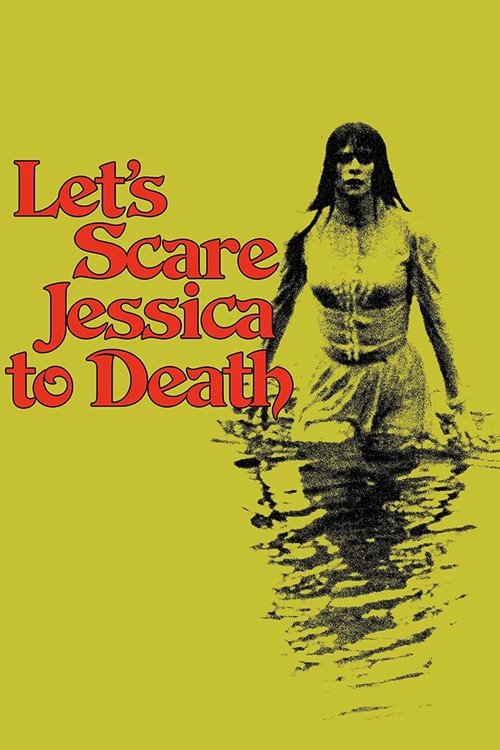
Let's Scare Jessica to Death1971
A low-budget American vampire film that's genuinely unsettling and strange. It shares Leonor's willingness to be oblique and its interest in feminine monstrosity.
But Shot on a shoestring and it shows. Some scenes feel murky and intentionally obscure rather than artfully so.
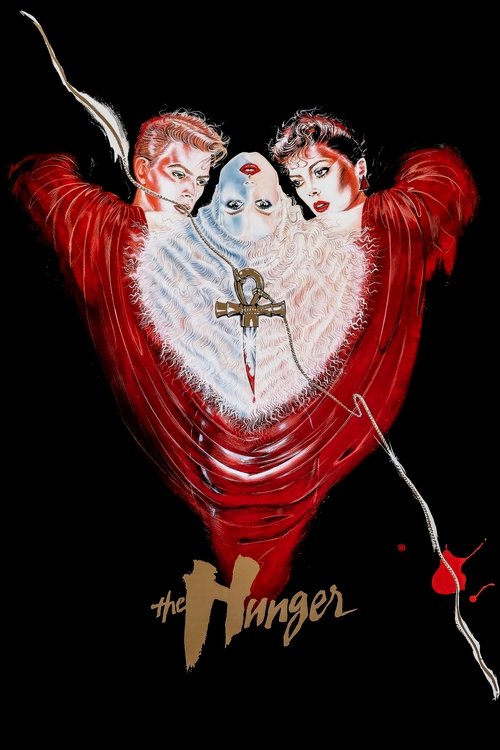
The Hunger1983
Tony Scott's erotic meditation on vampirism and immortal desire. Visually dazzling and genuinely sensual in ways that make the horror feel personal rather than mythic.
But More concerned with aesthetics than narrative logic. The story falls apart in the final act on purpose.
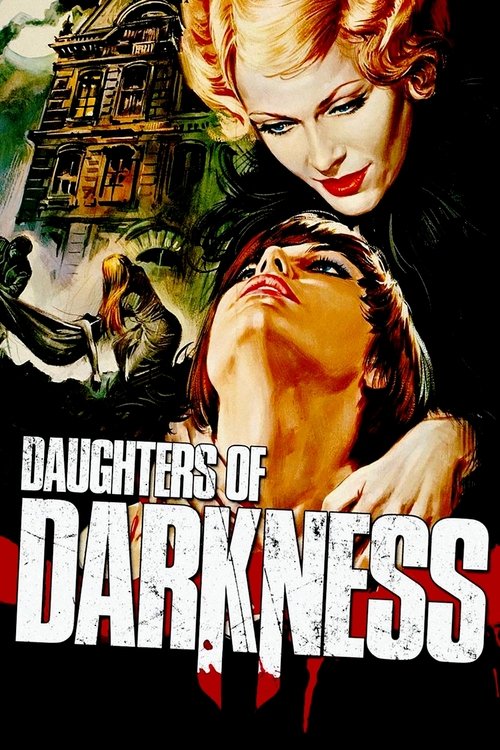
Daughters of Darkness1971
A Belgian vampire film that's slow-burn and sexually charged. Delphine Seyrig is hypnotic; the film's queer subtext and art-house sensibility mirror Leonor's strangeness.
But Very 1970s, very languid. Some viewers will find it pretentious and tedious rather than atmospheric.
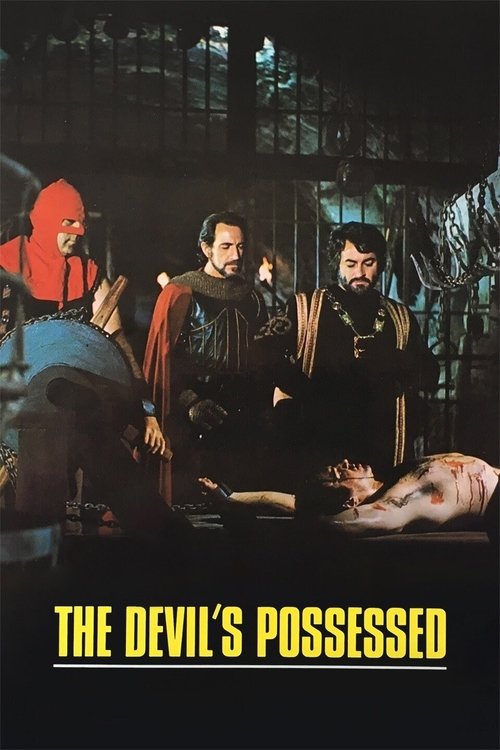
The Devil's Possessed1974
A Spanish horror film with similar themes of demonic bargaining and the corruption of desire. It's a peer to Leonor, sharing its era and its willingness to be visually baroque.
But Obscure and hard to find. The print quality is often poor, and the dubbing can be distracting.
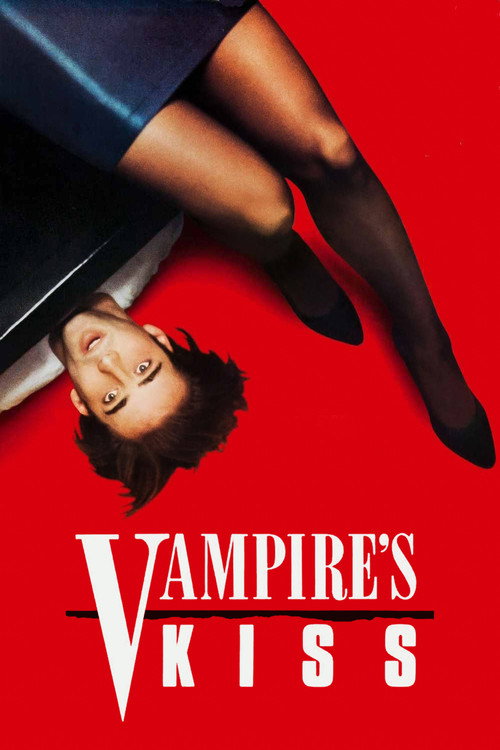
Vampire's Kiss1989
A pitch-black comedy about obsession and the blurring of fantasy and reality. It's weird and almost unwatchable in places, which is precisely the point.
But Aggressively unlikeable and deliberately ugly. Nicolas Cage's performance is unhinged, and the film revels in discomfort.
The Phantom Carriage1921
Both films explore what happens when the dead refuse to stay buried, and both find tragedy rather than horror in that refusal. Both treat the supernatural as moral consequence rather than spectacle.
Arne Bornedal's 1921 Swedish masterpiece about a man visited by a ghostly carriage on New Year's Eve. It's a meditation on redemption and the weight of the past told entirely through visual storytelling. Silent, yes, but transcendent.
But It's a century old and you'll be reading subtitles. The pacing is from another era entirely, and patience is non-negotiable.

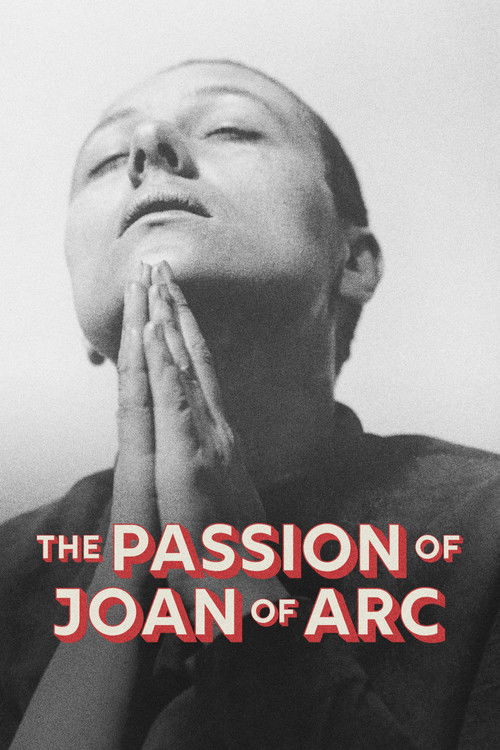
The Passion of Joan of Arc1928
Both films understand that horror isn't spectacle but intimacy—the unbearable closeness to another person's pain. Both use the camera as an instrument of psychological penetration rather than external observation.
Carl Theodor Dreyer's silent masterpiece, where a woman's inner torment becomes the entire subject of cinema. Like Leonor, it's about suffering and desire and uses extreme close-ups to make the viewer complicit in another person's anguish.
But Silent film from 1928. The abstraction and intensity might feel suffocating rather than profound. It demands absolute attention.
People
Cast
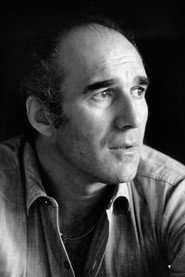 Michel PiccoliRichard
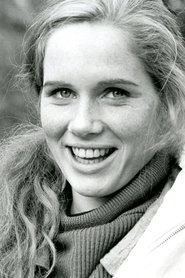 Liv UllmannLeonor
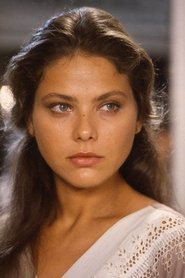 Ornella MutiCatherine
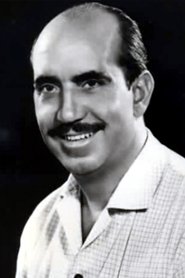 Antonio FerrandisThomas
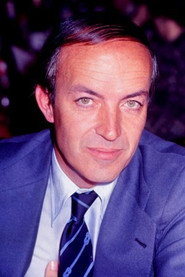 Ángel del PozoChaplain
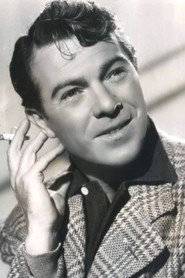 George RigaudCatherine's Father
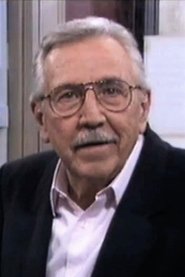 José María CaffarelDoctor

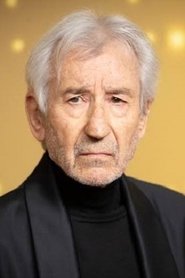 José SacristánPriest (uncredited)
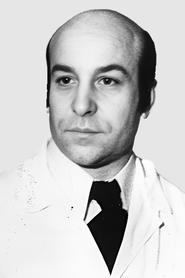
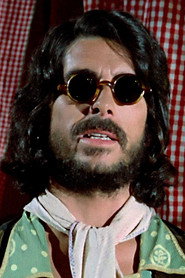 Francisco Nieto(as Paco Nieto)
Directing
- José María Gutiérrez SantosAssistant Director
- Juan Luis BuñuelDirector
- Colette CrochotScript Supervisor
Writing
- Michel NuridzaniScreenplay
- Pierre-Jean MaintigneuxScreenplay
- Bernardino ZapponiWriter
- Clement Biddle WoodWriter
- Jean-Claude CarrièreWriter
- Juan Luis BuñuelWriter
- Roberto BodegasWriter
Production
- Alain CoiffierExecutive Producer
- Serafín García TruebaExecutive Producer
- Michel PiccoliProducer
- Charlotte FraisseProduction Manager
- Manuel SánchezProduction Manager