
Film
Quills
Quills is a provocative historical drama about the Marquis de Sade's final years in an asylum, where his dangerous writings continue escaping despite institutional efforts to contain them. It's a duel between artistic freedom and authoritarian control, shot with restless energy and populated by powerhouse performances. For anyone who loves intelligent costume drama with moral teeth, or who's fascinated by the collision of desire, power, and censorship.
If you liked this
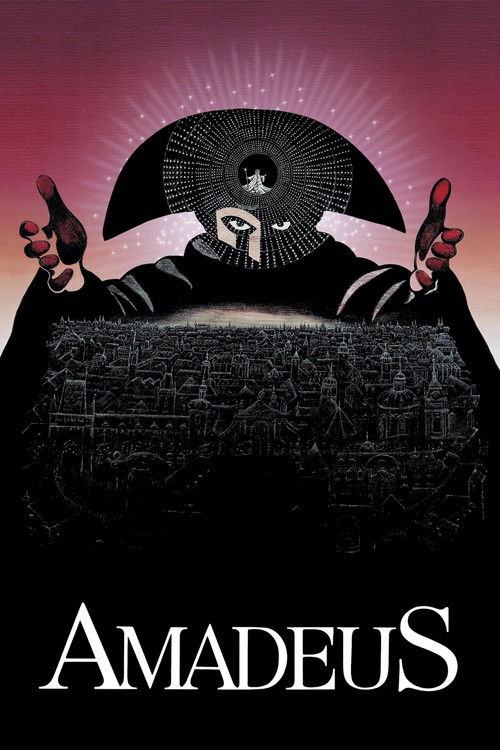
Amadeus1984
A masterclass in the tension between genius and authority. Like Quills, it's a passionate exploration of an artist whose transgressive brilliance threatens the established order, with a rival determined to contain it.
But The three-hour runtime and operatic tone might feel overwrought if you prefer subtler filmmaking. Some find the melodrama exhausting rather than exhilarating.
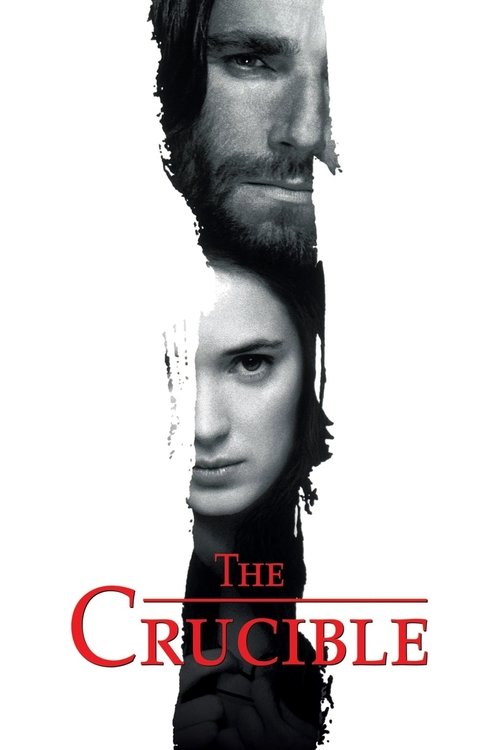
The Crucible1996
Arthur Miller's play about the Salem witch trials becomes a searing allegory for McCarthyism and persecution. Like Quills, it's about how fear and ideology weaponize authority to crush individual voices.
But It can feel didactic and heavy-handed, especially if you're aware of the historical parallel. The dialogue occasionally tips toward speechifying rather than conversation.
Dangerous Liaisons1988
A glittering, intellectually ruthless period drama about manipulation, seduction, and the exercise of power through language. The same psychological precision, elevated by impeccable performances and direction.
But The pacing is deliberate, sometimes glacial. If you prefer momentum to atmosphere, long scenes of verbal sparring might test your patience.

Not sure tonight? Get a pick in a minute, starting from Quills
The wildcard
Something you would not have found on your own.
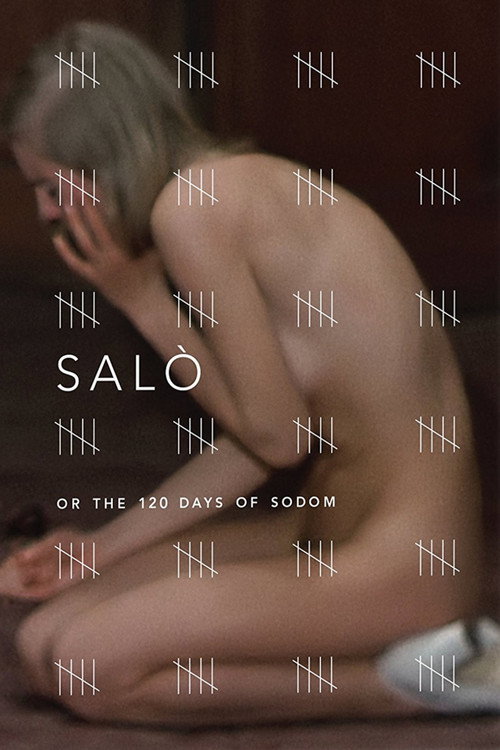
Salò, or the 120 Days of Sodom1976
Both use transgressive content not for shock value alone, but as an assault on the viewer's complicity with systems of power and control. Both artists weaponized obscenity as resistance.
Pasolini's final film is an unflinching examination of power, desire, and transgression made even more extreme than de Sade's writings themselves. It asks the same question Quills does: how far can an artist go, and who gets to decide? Extremity as political argument.
But It is genuinely difficult to watch—graphically violent and sexual, without any frame of distance or irony. This is not a provocation for effect; it's provocation as philosophy, and it may repel rather than enlighten you.
More like this (6)
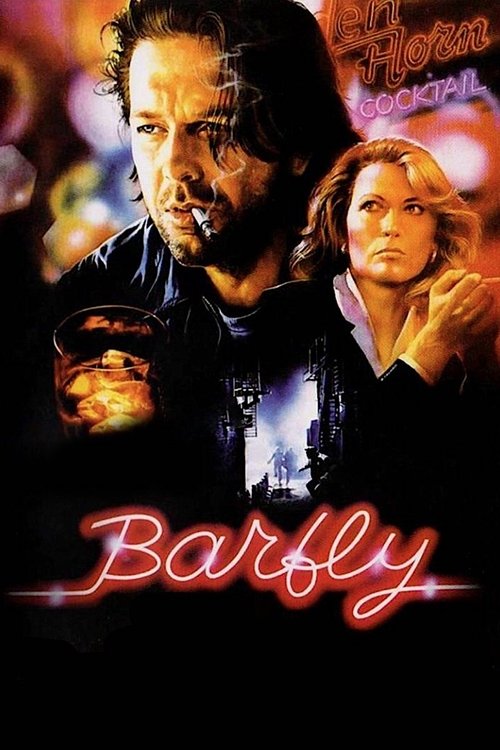
Barfly1987
Mickey Rourke and Faye Dunaway inhabit a world of booze and desperation with unflinching dignity. Like Quills, it's about an artist whose uncompromising vision isolates him, told without sentimentality or moral judgment.
But It's grim, repetitive, and offers no arc of redemption. The setting is deliberately sordid, and there's no catharsis to cushion the bleakness.
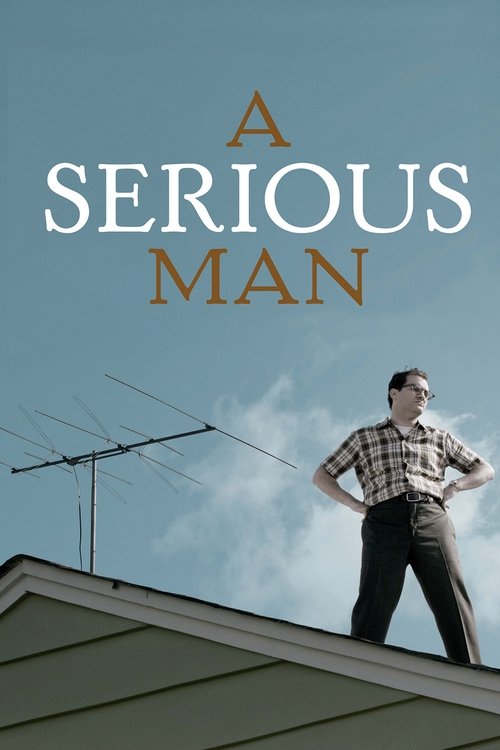
A Serious Man2009
The Coen Brothers examine institutions, faith, and the impossibility of certainty. Like Quills, it's darkly funny about bureaucracy and systems that claim to help but primarily constrain and confuse.
But It's deliberately frustrating and refuses conventional resolution. If you need narrative satisfaction or moral clarity, this film will infuriate you.
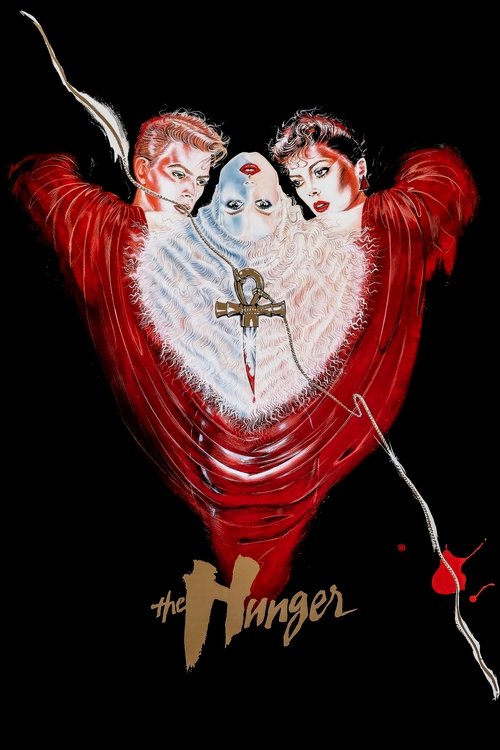
The Hunger1983
A visually hypnotic meditation on desire, power, and the body. The aesthetic is entirely different from Quills, but the moral ambiguity and examination of transgression are equally unsettling and thought-provoking.
But It's oblique and slow-moving, with minimal plot. Some find it pretentious, and the sexual content—which is the point—may alienate viewers seeking more conventional drama.
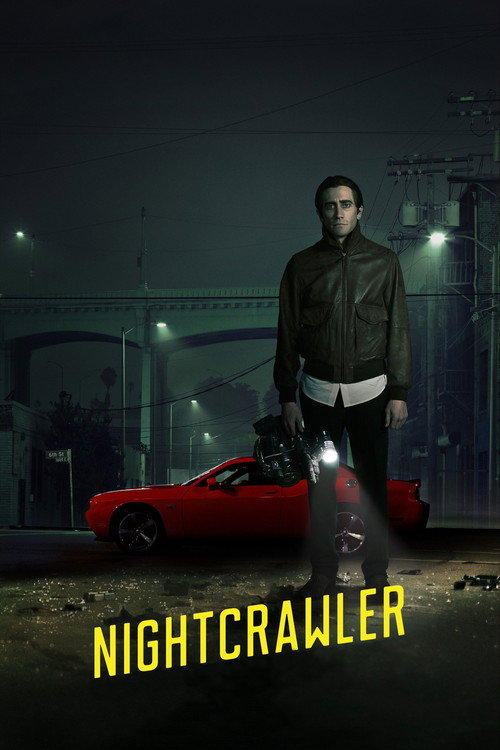
Nightcrawler2014
Jake Gyllenhaal's Lou Bloom is a character of dangerous charisma who refuses restraint, operating in a system that enables his worst impulses. The same exploration of transgression and institutional complicity, in a modern register.
But It's extremely bleak and offers no comforting perspective on human nature. The pace is deliberately uncomfortable, and the moral landscape is without redemptive footing.
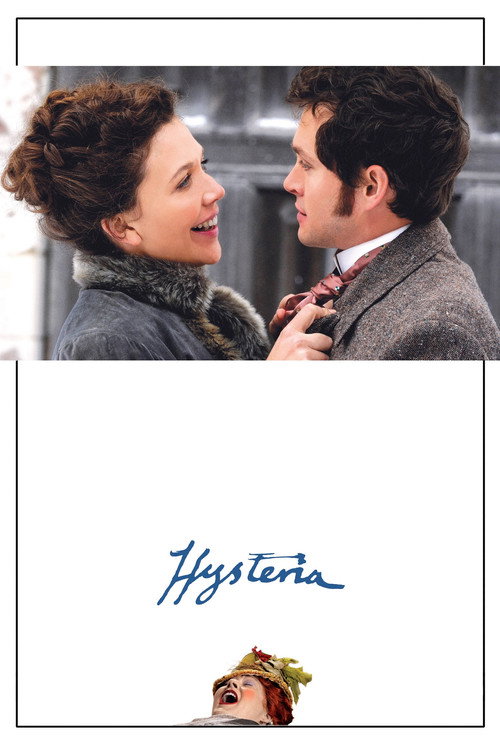
Hysteria2011
About the invention of the vibrator as a cure for female hysteria, it examines desire, medicine, and bodily autonomy with wit and charm. Like Quills, it's fundamentally about power struggles over bodily and intellectual freedom.
But The period comedy tone is lighter than Quills, which some may find less weighty. It risks becoming a feel-good romp at the expense of deeper complications.
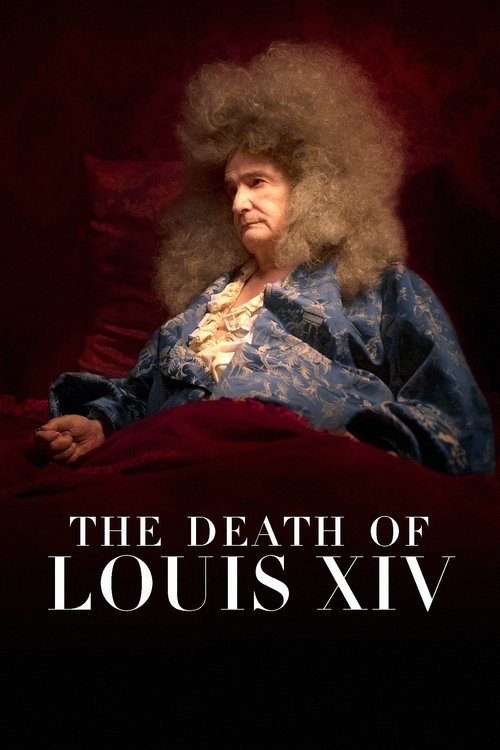
The Death of Louis XIV2016
Both films are preoccupied with confinement, bodily decay, and the spaces where institutional power begins to collapse. Both treat physical disintegration as a kind of resistance.
Albert Serra's meditative experimental film focuses on the king's final illness in real time, shot like a painting coming to life. It's a completely different formal language, but shares Quills' obsession with power, the body, and what happens when authority begins to crumble and fail.
But It moves with agonizing slowness and has almost no conventional narrative. If you require plot momentum or emotional engagement through character development, this will feel like watching paint dry—literally.
People
Cast
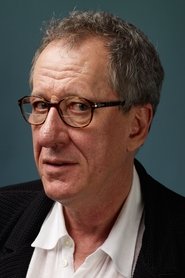 Geoffrey RushMarquis de Sade
 Kate WinsletMadeleine LeClerc
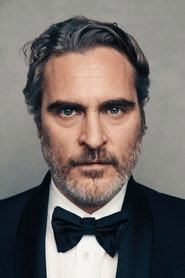 Joaquin PhoenixAbbe du Coulmier
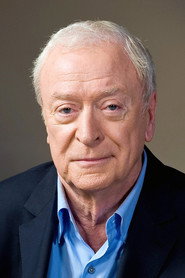 Michael CaineDr. Royer-Collard
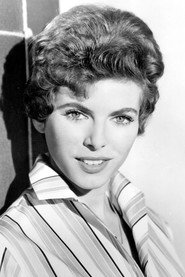 Billie WhitelawMadame LeClerc
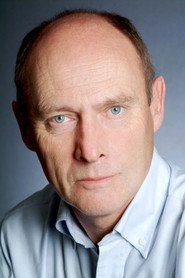 Patrick MalahideDelbené
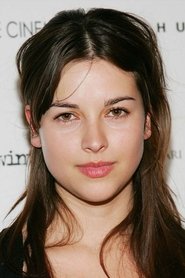 Amelia WarnerSimone
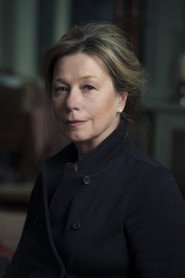 Jane MenelausRenee Pelagie
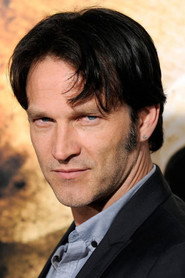 Stephen MoyerProuix
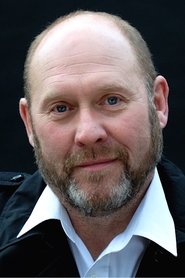 Tony PritchardValcour
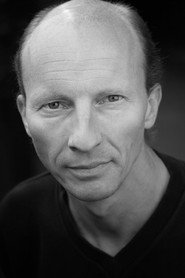 Michael JennCleante
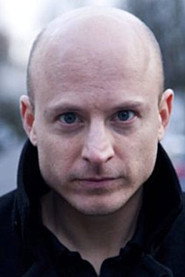 Danny BabingtonPitou
Directing
- Philip KaufmanDirector
- Deborah SabanFirst Assistant Director
- Sally JonesScript Supervisor
- Olivia LloydSecond Assistant Director
- Toby HeffermanSecond Second Assistant Director
- Vic ArmstrongSecond Unit Director
- Richard StylesSecond Unit First Assistant Director
- Mari RobertsThird Assistant Director
- Matthew Penry-DaveyThird Assistant Director
Writing
- Marquis de SadeNovel
- Doug WrightScreenplay
Production
- Louis ElmanADR Voice Casting
- Emily LascellesAssistant Production Coordinator
- Donna IsaacsonCasting
- Priscilla JohnCasting
- Mark HuffamCo-Producer
- Des McAnuffExecutive Producer
- Rudolf G. WiesmeierExecutive Producer
- Sandra SchulbergExecutive Producer
- Rachel NealeLocation Manager
- Sophie DasicPost Production Accountant
- Julia ChasmanProducer
- Nick WechslerProducer
- Peter KaufmanProducer
- Elaine BurtProduction Coordinator
Recommended by
Restoration, White Hunter, Black Heart, Wilde, Marquis de Sade