
Film
A Serbian Film
- Horror
- Very dark
- Strange
A Serbian Film is an extremity horror-thriller that uses graphic sexual violence as its primary language. It's a film about complicity, exploitation, and the commodification of the body—dressed in the aesthetics of transgression. This is not entertainment; it's an endurance test with a point. For viewers who can stomach genuine provocation in service of something beyond shock.
Should you watch it?
Watch it if you want a provocation that makes you argue with yourself about why you're watching, and you don't mind a film that treats shock as a moral question rather than a thrill.
Skip it if you need your horror to stay on the right side of taste, since its sexual and violent content is relentless and graphic, and you'd rather be frightened than sickened.
What it asks of you: A slow, sour build over about 104 minutes, with the dread tightening long before anything turns extreme, and little room to look away or catch your breath.
Not sure? Find tonight's pick in a minute.
If you liked this
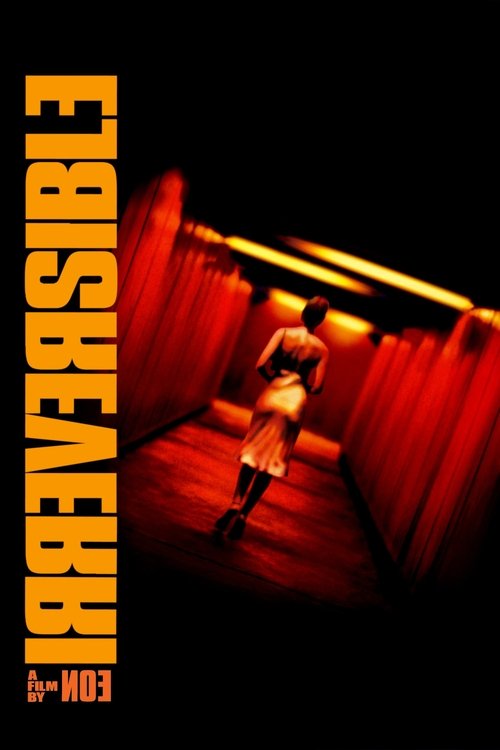
Irreversible2002
Gaspar Noé's reverse-chronology rape-revenge film asks the same hard questions about what cinema can show and why. The formal ambition matches the brutality. A masterpiece that justifies its own difficulty.
But It contains an extended, unwavering depiction of sexual assault. The non-linear structure can feel like punishment rather than illumination to some viewers.
Requiem for a Dream2000
Darren Aronofsky's spiral into addiction and desperation mirrors the suffocating inevitability of A Serbian Film. Same sense of watching someone trapped in a system designed to destroy them, same visual fever.
But It's relentlessly bleak and features body horror. The repetitive editing and sound design are deliberately nauseating—which is the point, but also grueling.

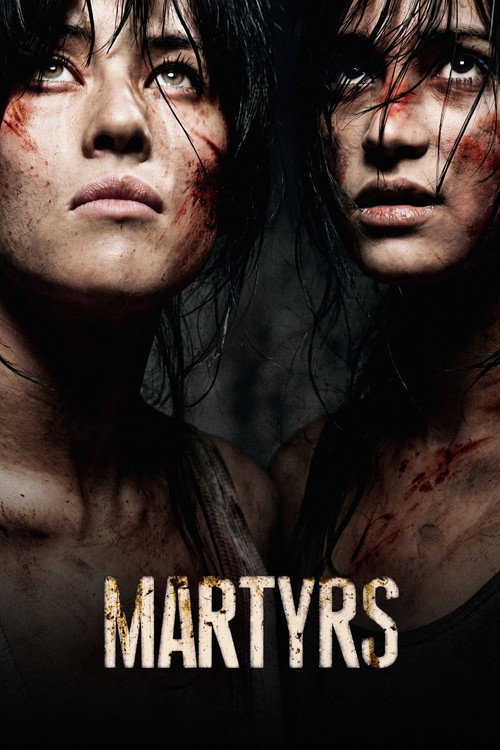
Martyrs2008
Pascal Laugier's French extremity film shares the same uncompromising approach to violence as a thematic tool rather than spectacle. Both ask what suffering is *for* and refuse easy answers.
But Contains scenes of torture and mutilation. The second half becomes increasingly abstract in ways some find pretentious rather than profound.
Not sure tonight? Get a pick in a minute, starting from A Serbian Film
The wildcard
Something you would not have found on your own.
Synecdoche, New York2008
Both films are about the impossibility of separating the artist from the atrocity they create. The medium becomes the message in the most literal, sickening way.
Charlie Kaufman's film about a director constructing a life-sized replica of New York inside a warehouse shares A Serbian Film's core horror: the collapse of boundaries between creation and destruction, performance and reality. Both suggest that art itself can be the trap.
But It's deliberately confusing and its visual language is deliberately ugly. Philip Seymour Hoffman's performance is so inward it can feel like watching someone disappear.

More like this (8)
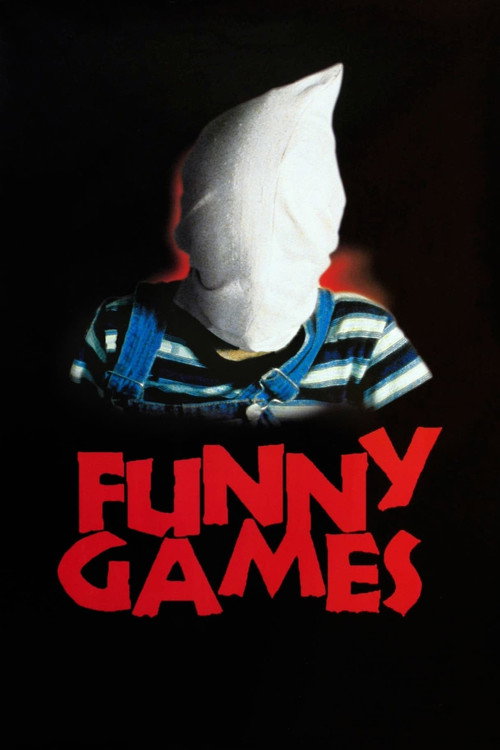
Funny Games1997
Michael Haneke's home-invasion film is a treatise on viewer complicity and cinematic sadism. It watches you watching it. That same mirror held up to the audience's appetite for cruelty.
But The violence is less graphic than A Serbian Film but the psychological torment is calculated and sustained. Some find Haneke's moralism exhausting rather than enlightening.
Come and See1985
Elem Klimov's WWII nightmare is about witnessing atrocity and the erasure of humanity. It achieves a kind of hellish poetry through commitment to its own logic that A Serbian Film attempts.
But It's a Soviet-era film with pacing that modern audiences often find glacial. The black-and-white cinematography and sound design can feel distant rather than immediate.

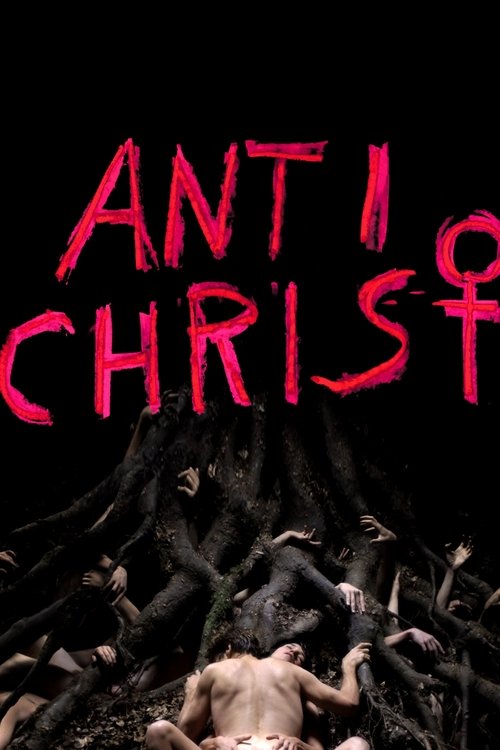
Antichrist2009
Lars von Trier uses graphic sexual imagery to explore grief and misogyny. Like A Serbian Film, it uses the body as a text, though with more artistic self-consciousness and less narrative momentum.
But The graphic genital imagery and self-harm scenes are difficult for their own sake. Some viewers feel the intellectual ambition doesn't justify the provocation.
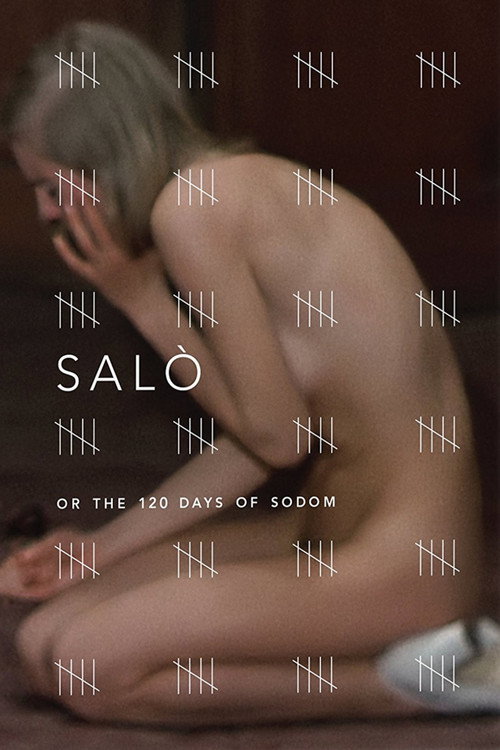
Salò, or the 120 Days of Sodom1976
Pasolini's final film is the godfather of cinematic extremity—sexual violence as political allegory. It's the DNA of everything A Serbian Film inherited, but with more formal control and historical weight.
But It's extremely graphic and completely without humor or redemption. Watching it feels like a historical obligation rather than an experience to enjoy.
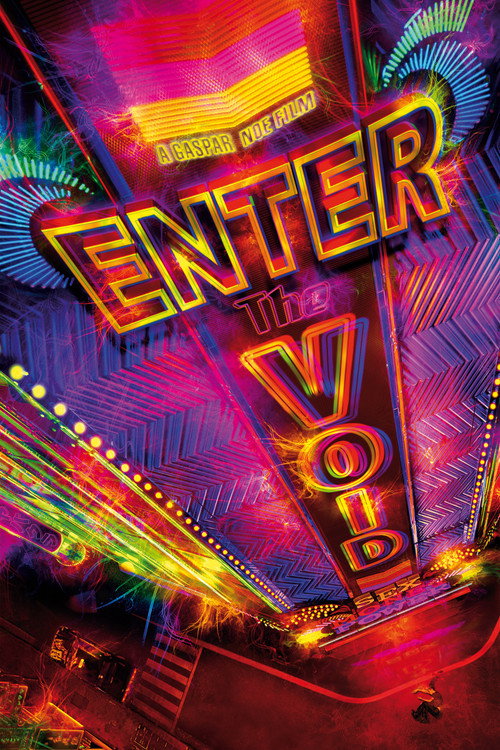
Enter the Void2010
Gaspar Noé again: a hallucinatory descent through Tokyo's neon underworld and the afterlife. Same commitment to sensory assault, same formal risk-taking, but in a different register—transcendent rather than nauseating.
But It's nearly three hours of strobe effects and distorted sound. Motion sickness is a legitimate concern; many viewers find it unwatchable rather than visionary.
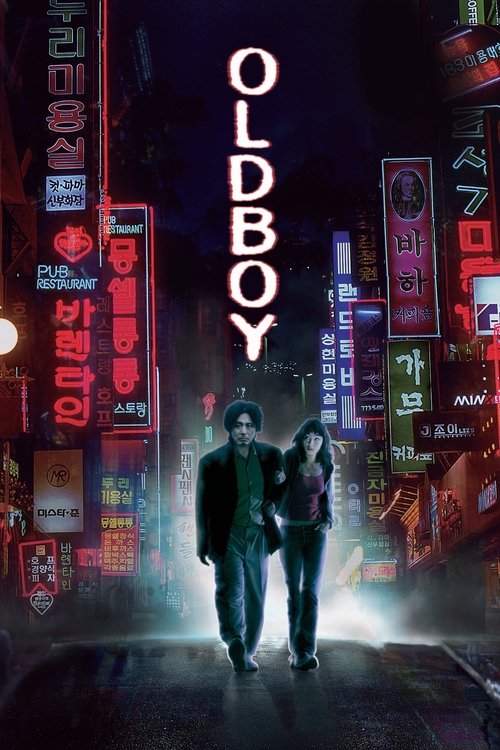
Oldboy2003
Park Chan-wook's revenge thriller has violence with narrative purpose and formal grace. It shows you can make a transgressive film that's also cinematically beautiful and emotionally coherent.
But The twist ending divides viewers sharply. Some find it profound; others feel manipulated by the structure, which is precisely the point but not everyone accepts it.
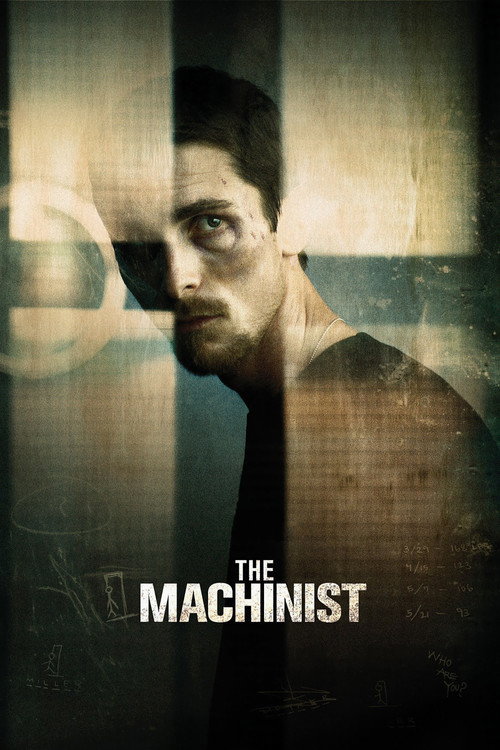
The Machinist2004
Both use the body as a record of moral corruption. Both suggest that complicity eats you from inside, leaving only a ghost of what you were.
Brad Anderson's psychological thriller about a man's self-destruction through obsession and guilt. Christian Bale's physical transformation mirrors the visceral body-horror of A Serbian Film, but entirely internal—the breakdown happening invisibly from within.
But It's a slow-burn psychological puzzle that requires patience. The ending explanation can feel anticlimactic after the sustained dread, and some viewers find it too neat.
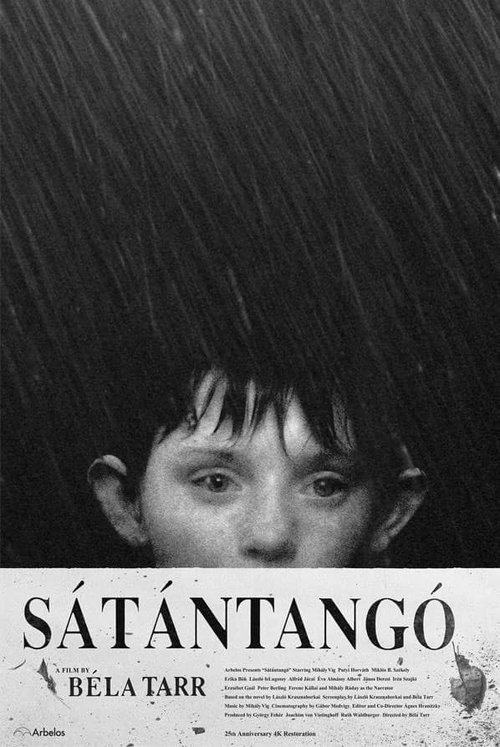
Satantango1994
Both are about complicity at a societal level. Both suggest that evil isn't exceptional—it's what emerges when we stop paying attention to what's being done in our name.
Béla Tarr's seven-hour Hungarian masterpiece about a community slowly poisoned by a stranger's arrival. It shares A Serbian Film's conviction that horror emerges from social systems, not monsters—but at a glacial pace that forces you to *watch* corruption happen.
But Seven hours. Black and white. Long static shots of Soviet-era housing blocks. It's the opposite of visceral in every way except thematic. Most people will not finish it.
People
Cast
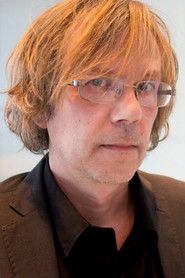
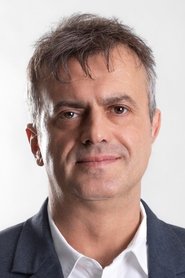 Sergej TrifunovićVukmir
 Jelena GavrilovićMarija
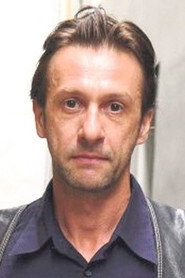 Slobodan BeštićMarko
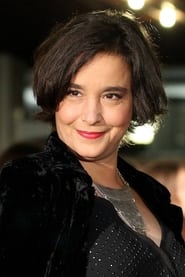 Katarina ŽutićLejla
- Anđela NenadovićJeca
 Ana SakićJecina majka
- Lidija PletlJecina baka
- Lena BogdanovićDoktorka
- Luka MijatovićStefan
- Miodrag KrčmarikRaša
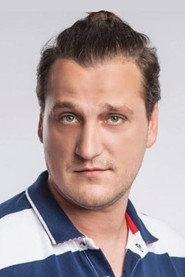 Nenad HerakovićČuvar 1
Directing
- Srđan SpasojevićDirector
- Miroslav StamatovFirst Assistant Director
- Marija StanoševićScript Supervisor
- Boriša SimovićSecond Unit Director
Writing
- Aleksandar RadivojevićWriter
- Srđan SpasojevićWriter
Production
- Miljana NikolićAssistant Production Manager
- Dragoljub VojnovExecutive Producer
- Nikola PantelićExecutive Producer
- Srđan SpasojevićProducer
- Nataša MilojevićProduction Assistant
- Nikola PantelićProduction Manager
- Jasna NikolićUnit Manager
- Luka DejanovićUnit Manager
Recommended by
The Human Centipede (First Sequence), La Petite Mort 2: Nasty Tapes, Hatchet, Stolz der Nation, Grotesque, Bad Biology, The Burning Moon, Faces of Death