
Film
The Burning Moon
- Horror
- Serial killer
- Very dark
- Strange
A 1992 German horror film structured as two brutal bedtime stories told by a junkie to his sister. Graphic, nasty, and completely uninterested in restraint or good taste, it's a showcase for practical effects gore and transgressive storytelling. For those who want horror that actually disturbs rather than entertains.
If you liked this
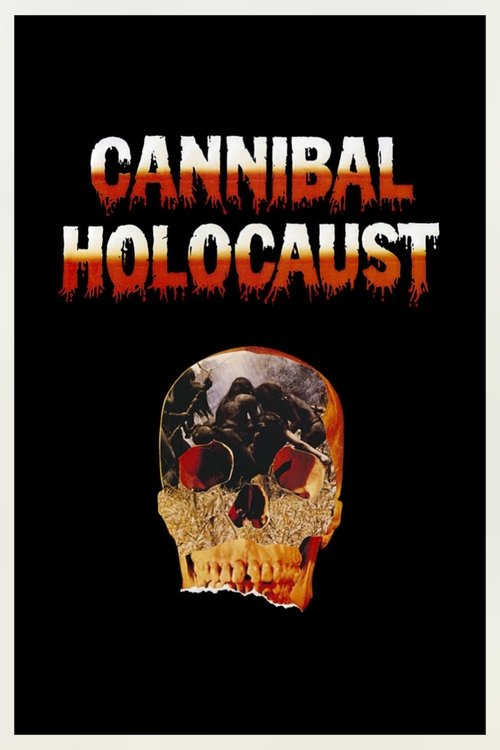
Cannibal Holocaust1980
Landmark Italian exploitation horror that blends documentary form with graphic violence. Similar commitment to making the audience complicit in witnessing atrocity.
But The animal violence is real and not faked, and the film's morality is genuinely murky in ways some find indefensible rather than intellectually interesting.
Possession1981
Andrzej Żuławski's delirious nightmare about a marriage collapse told through grotesque, practical-effects-driven horror. Unhinged and committed to its own logic in ways that feel dangerous.
But It's visually chaotic and narratively elusive—some call it pretentious, and the assault scenes are played so intensely they're difficult to sit with.

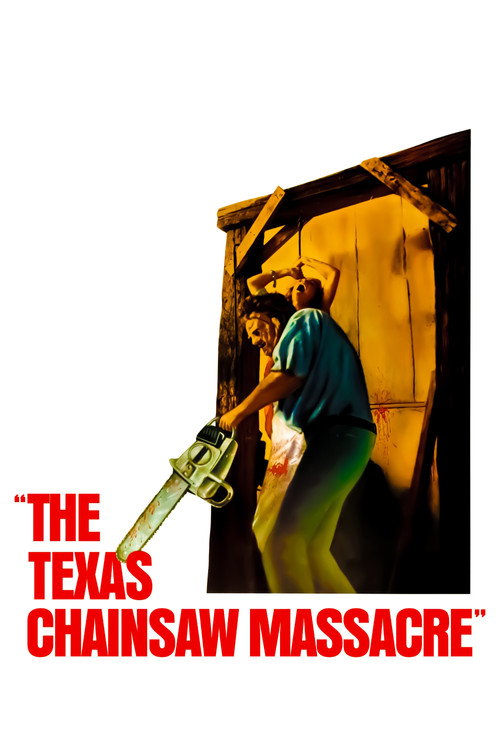
The Texas Chain Saw Massacre1974
The template for low-budget, grimy horror that trusts atmosphere over gore and makes limitation feel like artistic choice. Influenced everything that came after.
But For a film that defined slasher cinema, it's surprisingly slow and morally ambiguous about its own violence in ways that can feel dated.
Not sure tonight? Get a pick in a minute, starting from The Burning Moon
The wildcard
Something you would not have found on your own.
Come and See1985
Both use graphic imagery not for sensation but as a form of moral confrontation. The Burning Moon's transgression serves shock; Come and See's serves witness.
Soviet war film that documents the psychological and physical decimation of a child conscript through brutal realism and practical effects. Horror cinema without the genre label—more disturbing than any fiction film because it takes its subject seriously.
But It's long, in Russian, deliberately paced, and depicts child trauma with unflinching literalism. Not entertainment; an ordeal by design.

More like this (7)
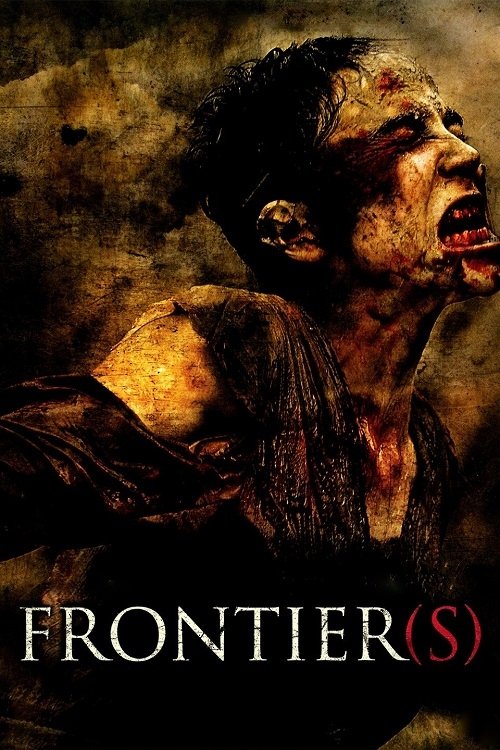
Frontier(s)2007
French New Extremity horror that escalates from home invasion into something genuinely transgressive. Unafraid to use genre for political provocation and genuine shock.
But The rape and torture sequences aren't metaphorical, and the film seems to ask uncomfortable questions without offering comfortable answers about viewer complicity.
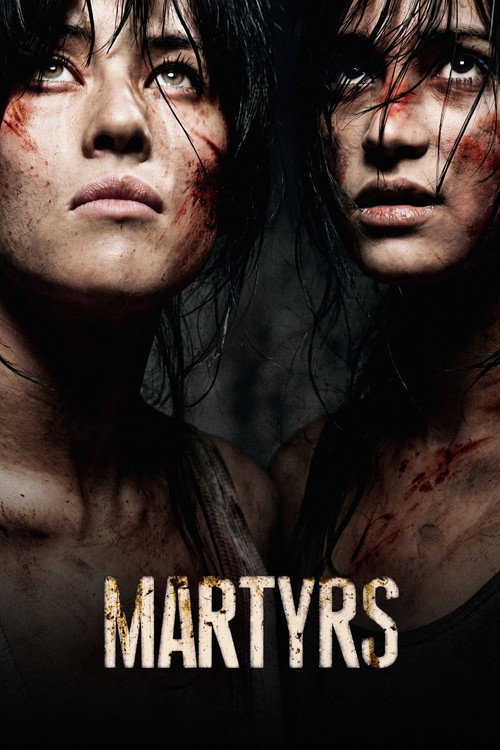
Martyrs2008
Another French horror film about suffering as transcendence, with practical effects that don't look away. Structurally ambitious and genuinely philosophically committed to its violence.
But The suffering is the entire point, which means sitting through extended torture without reprieve or traditional narrative reward. Many find it bleak to the point of nihilism.
Suspiria1977
Dario Argento's masterclass in making horror that's visually gorgeous and narratively incoherent. Proves style and gore and surrealism can coexist in a way that transcends logic.
But The plot barely makes sense and the dubbing is distracting—it's asking you to accept that visual and sonic texture matter more than story coherence.

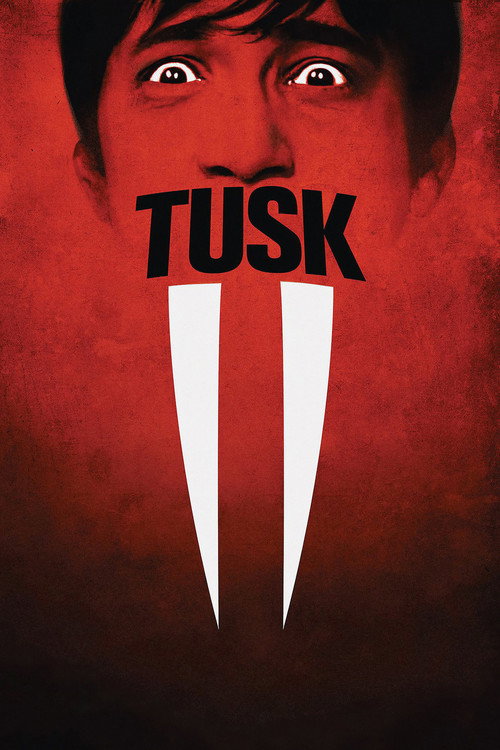
Tusk2014
Kevin Smith's grotesque body-horror premise executed with genuine commitment and practical effects. A filmmaker abandoning his own sensibility to explore something genuinely nasty.
But The concept is so ridiculous that it undercuts its own horror, and the film keeps veering toward comedy when it should stay focused and dark.
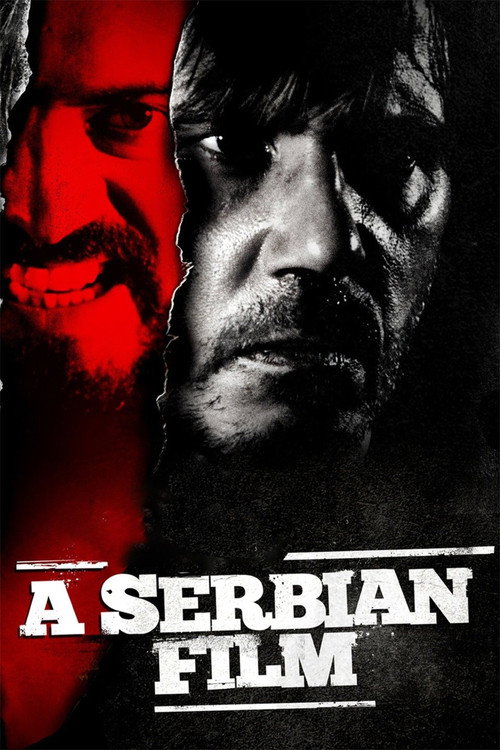
A Serbian Film2010
Serbian extreme horror that uses graphic content as social commentary on art, commerce, and exploitation. Technically accomplished and genuinely controversial for reasons beyond shock value.
But The infamous child-violence content makes it unbearable for most viewers and questions whether the provocation justifies its own existence.
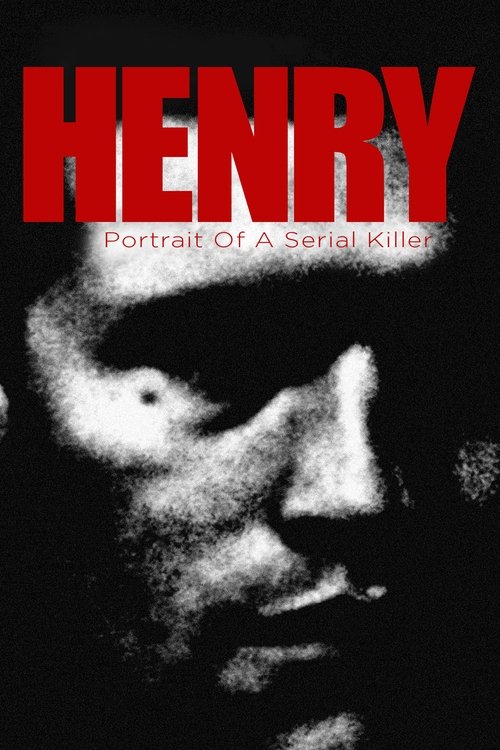
Henry: Portrait of a Serial Killer1986
The Burning Moon frames horror through narration by an unstable person; Henry eschews that frame entirely, forcing you to occupy the perspective of evil without explanation or distance.
Haneke-adjacent documentary-style portrait of mundane evil. Shot on video, almost no soundtrack, structured to make you feel like a voyeur watching someone's actual life rather than a constructed narrative.
But Nothing happens in the conventional sense—it's a slow observation of quotidian monstrosity, which means patience and discomfort without catharsis or plot resolution.
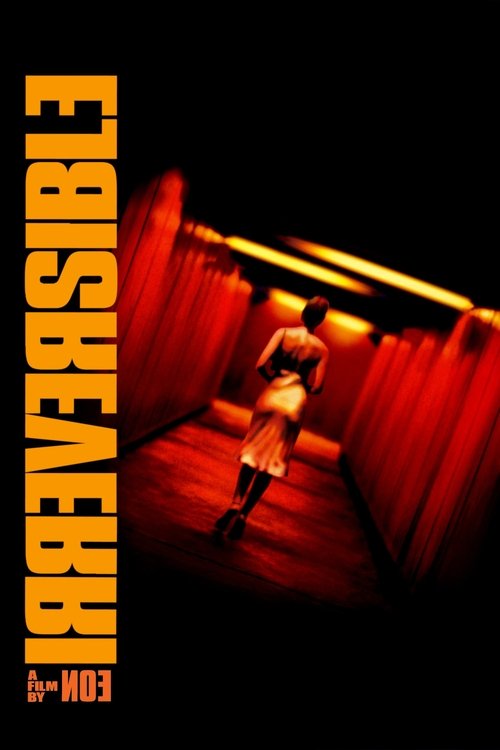
Irreversible2002
Both films use structure (bedtime stories vs. reverse chronology) to force complicity in watching horror. Both insist that form and content are inseparable, and both reward and punish that insistence equally.
Gaspar Noé's brutal rape-and-revenge film told in reverse chronological order. A formal choice that transforms how you experience graphic violence—context erased, then slowly reinstated, making trauma the shape of the film itself.
But The central nine-minute rape scene uses unbroken takes and harsh sound design. The reverse narrative is intellectually interesting but doesn't reduce the assault's impact.
People
Cast
- Bernd MuggenthalerCliff Parker
- Beate NeumeyerJulia Sanders
- Andrea ArbterProstitute / Victim
- Ellen FischerLinda Sanders
 Olaf IttenbachPeter
- Ronald FuhrmannErwin
- Kurt NauderFrank
- Helmut NeumeyerChris
- Alfons SigllechnerFather
- André StryiJustuz
- Barbara WoderschekSister
Directing
- Andrea ArbterAssistant Director
- Olaf IttenbachDirector
Writing
- Olaf IttenbachWriter
Production
- Andrea ArbterLocation Manager
- Olaf IttenbachLocation Manager