
Film
Grotesque
- Horror
- Serial killer
- Very dark
Grotesque is a Japanese torture-horror film that commits entirely to unpleasant extremity. A surgeon kidnaps a couple and subjects them to systematic cruelty in his basement. It's bleak, graphic, and designed to repel rather than entertain—a test of endurance for viewers who want horror that doesn't flinch from its own nihilism.
If you liked this
Martyrs2008
A French-Canadian masterpiece that weaponizes suffering into philosophical inquiry. Raw, uncompromising, and genuinely haunting in ways that linger long after the violence ends.
But The second half trades narrative clarity for abstract torment. Some viewers feel the philosophical ambition doesn't justify the extended brutality.

A Serbian Film2010
Notorious for pushing boundaries that most films won't approach. If you're seeking maximum transgression and don't care about audience comfort, this delivers on its promise.
But The shock value is the point, which means rewatching reveals hollow provocation beneath the extremity. Genuinely repellent rather than meaningfully dark.

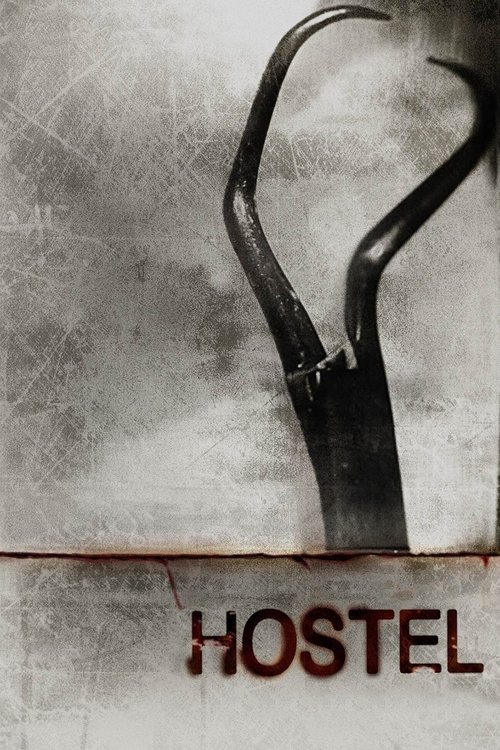
Hostel2006
Eli Roth's torture-porn prototype has actual craft: claustrophobic settings, credible dread, and a premise that traps you in the captors' logic. More disciplined than its reputation suggests.
But The first half is dated college-bro comedy that hasn't aged well. The second half compensates, but some patience required to get there.
Not sure tonight? Get a pick in a minute, starting from Grotesque
The wildcard
Something you would not have found on your own.
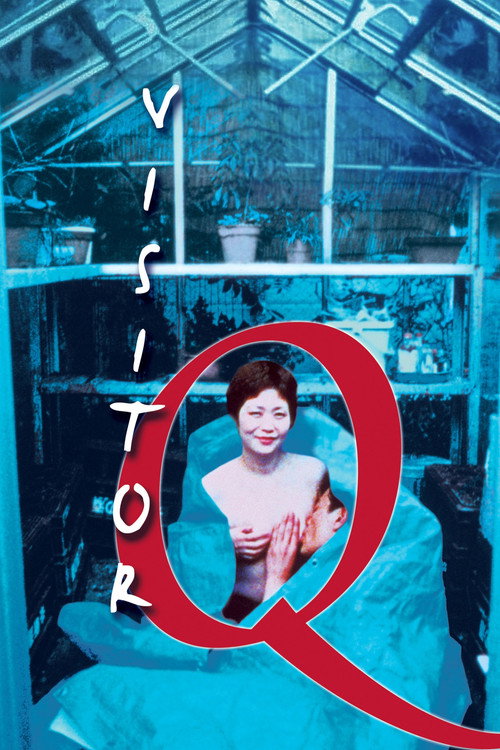
Visitor Q2001
Both are Japanese films willing to repel mainstream audiences for shock value, but Visitor Q weaponizes comedy where Grotesque weaponizes sincerity—opposite extremes in the same register.
Takashi Miike's deliberately obscene farce treats family dysfunction as absurdist comedy. It's transgressive in the same extremity as Grotesque but operates as surreal satire—you laugh while horrified. Completely its own thing.
But The shock is the entire point; there's no emotional core beneath. If you're not amused by the audacity of the transgression itself, you're just watching unpleasant things happen.
More like this (8)
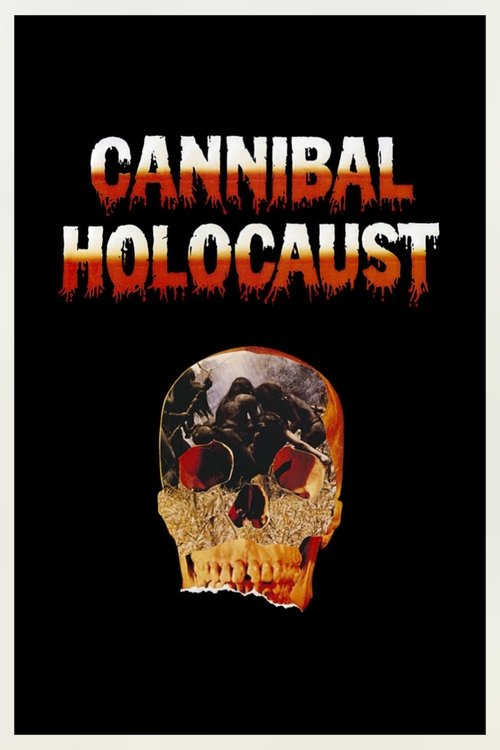
Cannibal Holocaust1980
The found-footage prototype that defined extreme cinema. Raw, genuinely transgressive, and structurally complex in ways that modern torture films rarely achieve. Essential history.
But The animal killing is real and unsimulated. Even viewers comfortable with human violence draw a hard line there.
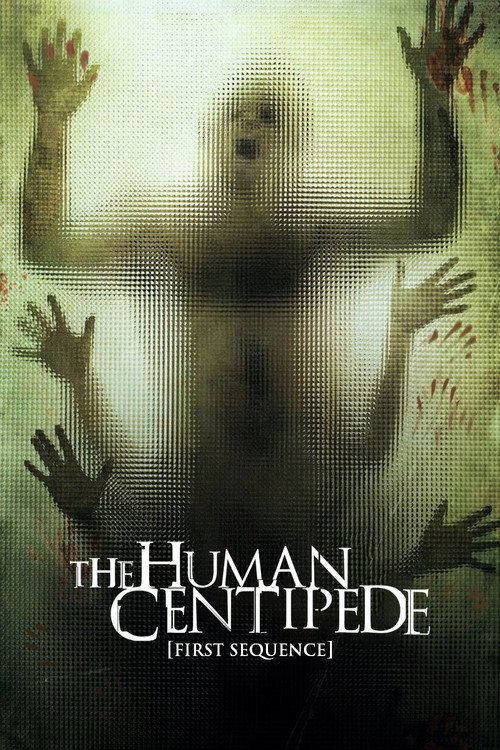
The Human Centipede (First Sequence)2009
Tom Six's surgical-horror concept is genuinely unhinged and committed. The premise is the point, and he executes it with a kind of deranged confidence that's hard to look away from.
But The execution is cruder than the concept. Long stretches of nothing happening between shock moments makes patience difficult.
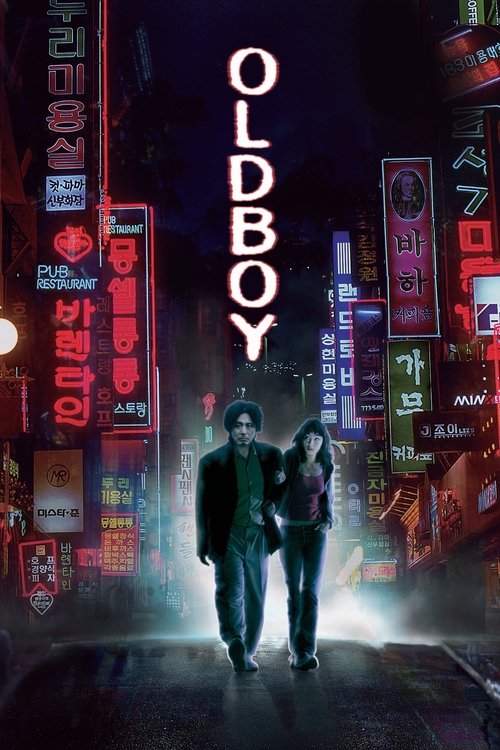
Oldboy2003
Park Chan-wook's revenge saga has style, intelligence, and emotional weight. Brutal without being empty—the violence serves narrative purpose and thematic resonance.
But It's ultimately about redemption and connection, which softens the edges for viewers seeking pure nihilism. A mainstream film hiding in transgression's clothing.
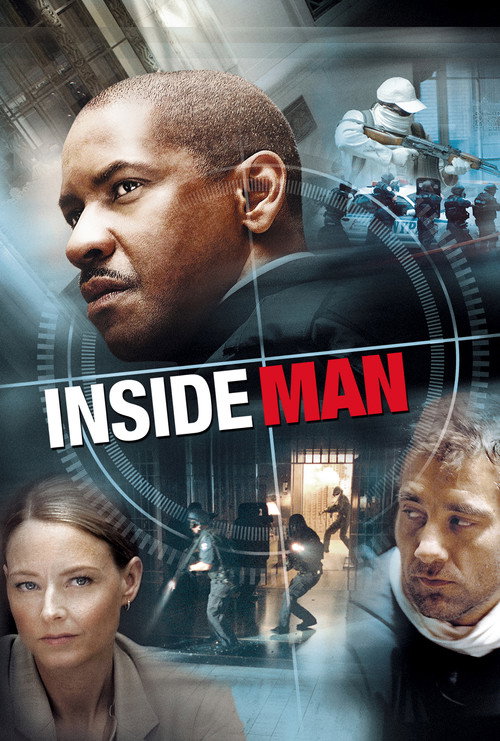
Inside Man2006
Béatrice Dalle is terrifying in this home-invasion nightmare. Relentless pacing, genuine tension, and a performance that makes the villain feel like an unstoppable force of nature.
But The 2016 American remake loses the French original's teeth. If you want extreme transgression, the 2007 version is the one to seek out.
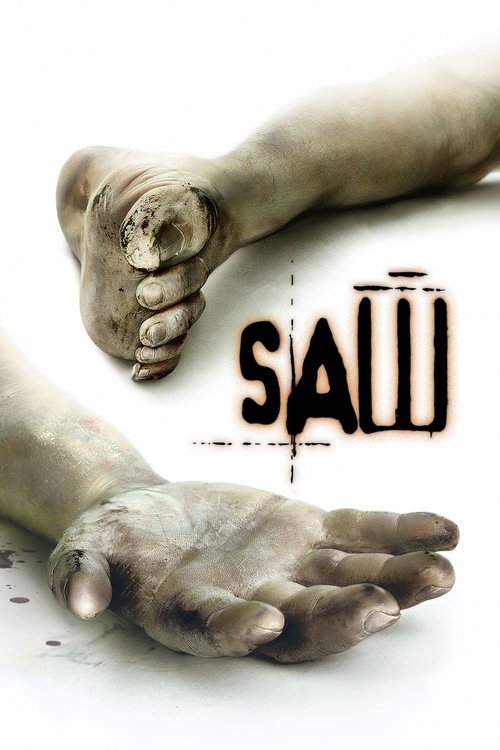
Saw2004
Before torture became formulaic, Saw was genuinely clever: a puzzle-box film where the killer's elaborate setup serves the narrative rather than existing for its own sake. Tense and inventive.
But The sequels killed everything that made the original work. Watch just this one, then stop—the franchise becomes a parody of itself.
Requiem for a Dream2000
Darren Aronofsky's descent-into-addiction nightmare is brilliantly disorienting. The formal experimentation and four-character structure create something closer to a symphony of collapse than a plot.
But It's punishing in intent, not accidental. The repetitive assault of sound and image can feel like the film is torturing you rather than moving you.

Come and See1985
Both documents of human cruelty, but Come and See contextualizes suffering within warfare and history. Grotesque strips away context entirely—both approaches ask why we watch.
Elem Klimov's Soviet war film is brutally unflinching about atrocity, but it's searching for meaning in horror rather than wallowing. A documentary-like intensity that makes suffering feel historically real.
But It's devastatingly slow and deliberately traumatizing. Watching becomes an ordeal, and the length makes escape impossible.

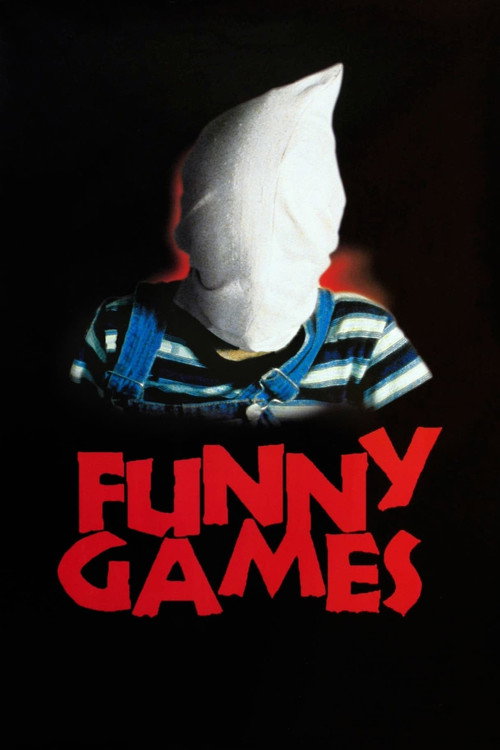
Funny Games1997
Both trap audiences with captive victims, but Funny Games steps outside the frame to interrogate why we watch torture cinema. Grotesque doesn't ask—it just delivers. The inverse interrogation makes both essential.
Michael Haneke's home-invasion film is a formal deconstruction that makes you complicit in violence-watching. The twist isn't the plot—it's Haneke accusing you of enjoying the cruelty. Genius provocation with actual argument.
But The slowness is intentional and maddening. Haneke wants you uncomfortable; comfort is the opposite of his point. Also, the 2007 remake exists but says nothing the original didn't.
People
Cast
 Hiroaki KawatsureKazuo Kojima
 Tsugumi NagasawaAki Miyasita
 Shigeo ÔsakoThe Doctor

Directing
- Koji ShiraishiDirector
Writing
- Koji ShiraishiScreenplay
Production
- Takafumi OhashiExecutive Producer
- Yoichi KobayashiExecutive Producer
- Kazue UdagawaProducer
- Kyôsuke UenoProducer