
Film
The Devils
The Devils is Ken Russell's most infamous film — a howling, garish assault on the eye and the conscience, staged inside stark white cathedral sets designed by Derek Jarman. It turns 17th-century witch trials into a study of mass hysteria, sexual repression and state cruelty, with Oliver Reed at his most magnetic. It's grotesque, blasphemous, genuinely upsetting, and unlike anything else British cinema produced.
If you liked this
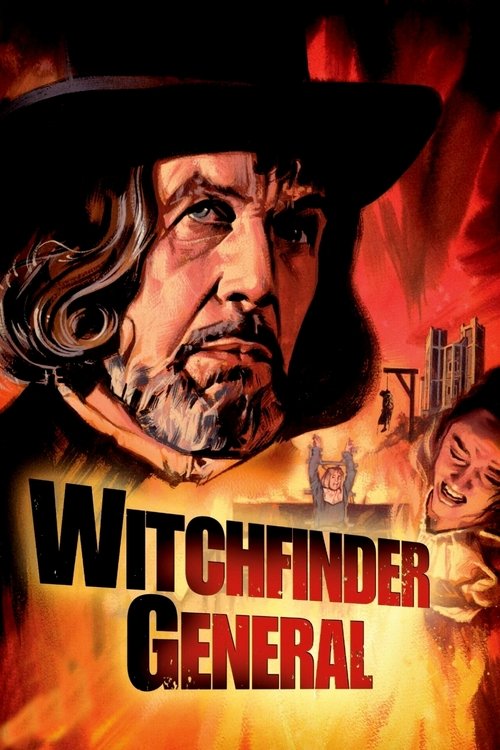
Witchfinder General1968
Michael Reeves' film shares the same fury at self-appointed persecutors turning fear into profit, with Vincent Price's witch-hunter as cold and venal as Russell's corrupt officials. It's brutal, plain-spoken English horror with a real political spine.
But Cheaper and blunter than Russell's baroque excess — less spectacle, more grim procedural cruelty, and a much shorter, meaner runtime.
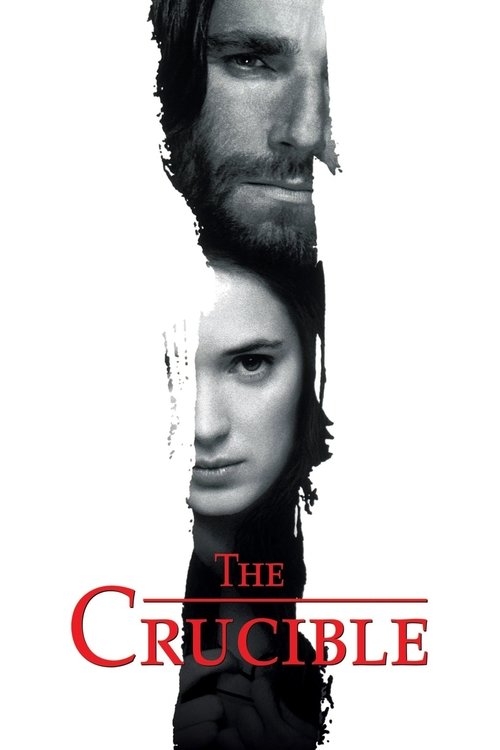
The Crucible1996
Arthur Miller's own screenplay gives you the same engine — accusation as weapon, hysteria as contagion — but in Puritan New England, with Winona Ryder and Daniel Day-Lewis burning through the melodrama.
But Handsome and respectable where Russell is feral; it explains its themes rather than assaulting you with them.
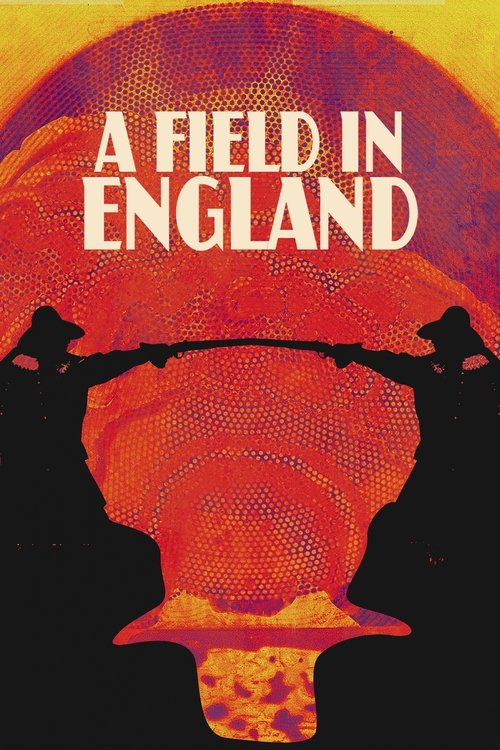
A Field in England2013
Ben Wheatley's black-and-white folk horror drags you through the same century's mud and madness, trading Russell's cathedral grandeur for a psilocybin-soaked field and a genuinely unhinged sense of dread.
But Deliberately cheap, disorienting and plotless in a way that tests patience rather than rewards it.
The wildcard
Something you would not have found on your own.
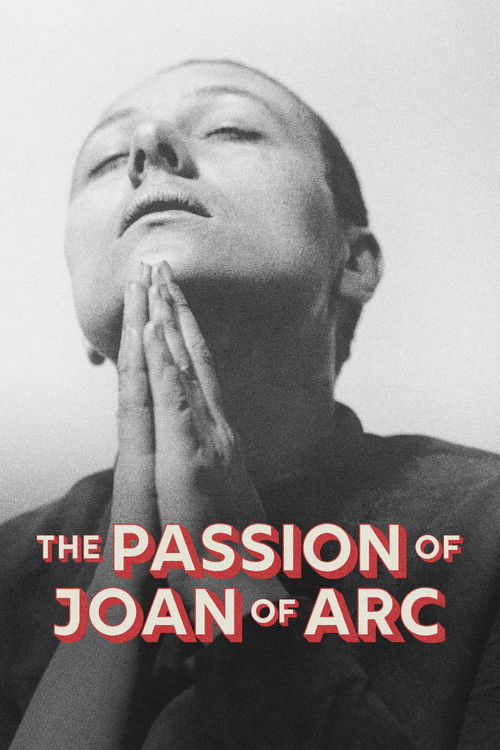
The Passion of Joan of Arc1928
Both films put a real historical martyr through a rigged religious tribunal and ask what the institution gains from destroying them; Dreyer got there first, and quieter, in 1928.
Dreyer's silent masterpiece puts a persecuted, faith-driven figure on trial before corrupt churchmen decades before Russell did, using extreme close-ups on Maria Falconetti's face to make suffering unbearably intimate.
But Silent, black-and-white, and totally without Russell's shock tactics — its power comes from stillness, not spectacle.
More like this (8)
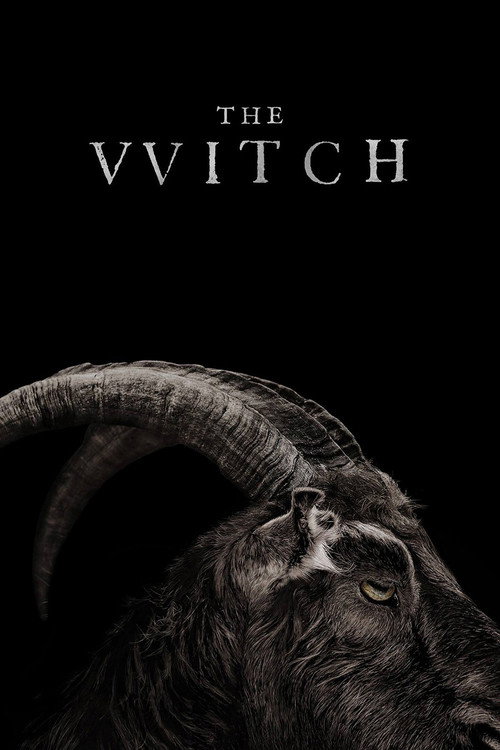
The Witch2016
Robert Eggers builds the same claustrophobic terror of religious guilt curdling into accusation, this time in a Puritan family rather than a French town, with dialogue lifted straight from period sources.
But Slow-burning and austere — the horror is dread and suggestion, not the graphic spectacle Russell delivers.
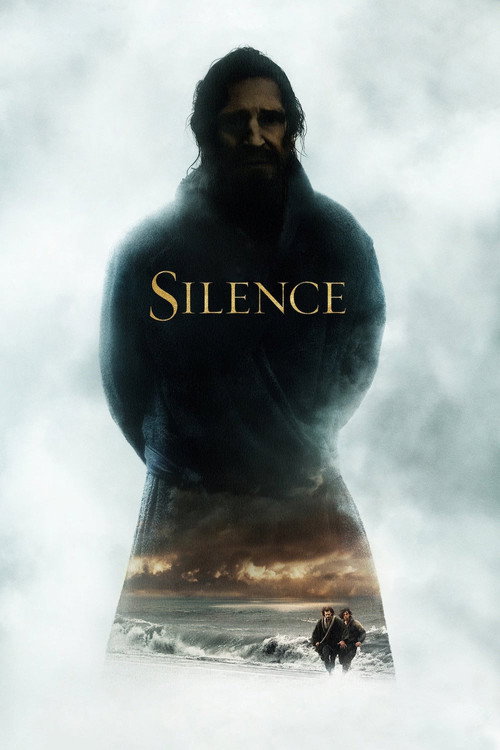
Silence2016
Scorsese's account of Jesuit missionaries tortured in Japan asks the same brutal question Russell does — what does faith cost when institutions decide to break a man for it.
But Contemplative and mournful rather than furious; nearly three hours of quiet suffering, no shock cuts.
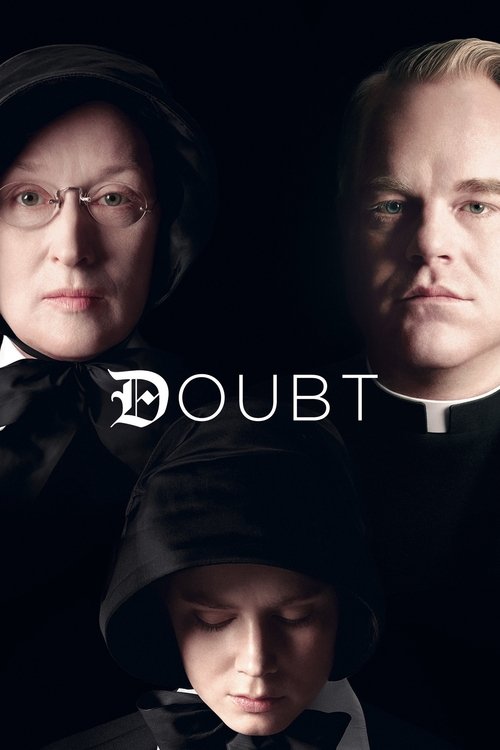
Doubt2008
A tighter, quieter cousin — a nun's certainty about a priest's guilt becomes its own kind of persecution, and the film never tells you who's actually right.
But Stagey and dialogue-driven, all Meryl Streep and Philip Seymour Hoffman in rooms — no horror imagery at all.
The Name of the Rose1986no page yet
Sean Connery's monk-detective investigates murders inside a monastery riddled with the same institutional rot and Inquisition-era terror that fuels Grandier's downfall, wrapped in a satisfying mystery plot.
But A murder-mystery first, horror-adjacent atmosphere second — more moody procedural than the visceral gut-punch Russell delivers.
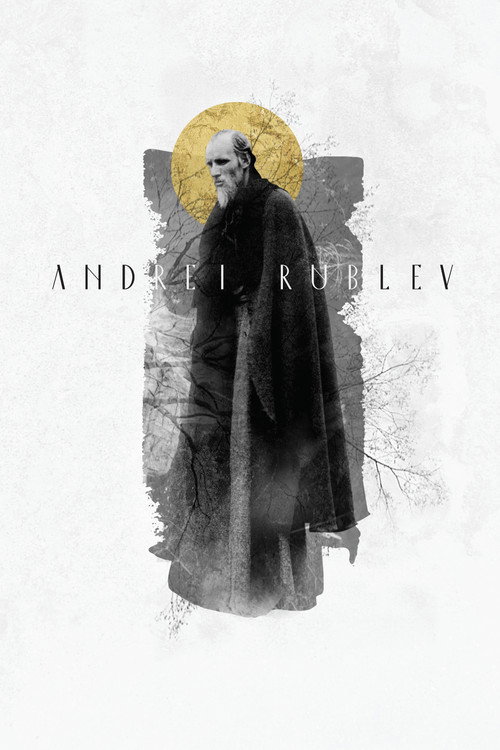
Andrei Rublev1966
Tarkovsky's medieval Russia is another world where faith, art and brutal state power collide, told with the same conviction that history's cruelties deserve to be looked at directly.
But Three hours of austere, meditative long takes — demanding where Russell is confrontational, garish and fast.
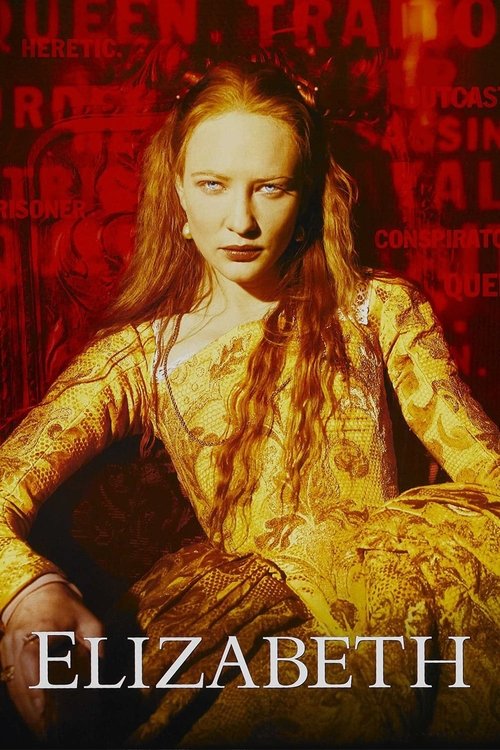
Elizabeth1998
A slicker, more conventional look at the same marriage of church and crown that damns Grandier — palace intrigue, religious factionalism, and a ruler learning that survival requires cruelty.
But Glossy costume-drama filmmaking, all velvet and candlelight, with none of Russell's rawness or genuine sense of shock.
The Persecution and Assassination of Jean-Paul Marat as Performed by the Inmates of the Asylum of Charenton Under the Direction of the Marquis de Sade1967no page yet
Same era's fascination with confinement, performance and mass hysteria as political metaphor; Russell's asylum-like convent and Brook's actual asylum are cousins in staging cruelty as spectacle.
Peter Brook's filmed stage production locks inmates of an asylum into a play-within-a-play about revolution and cruelty, the same theatrical, claustrophobic staging of institutional madness Russell would push further five years later.
But It's a filmed play — static, verbose, and demanding if you're not already primed for theatre.
Mark of the Devil1970no page yet
Made almost simultaneously and mining the same witch-trial torture imagery, it shows exactly how much artistry and moral seriousness Russell brought to material that could easily just be exploitation.
A genuinely trashier German contemporary — witch-hunt torture porn with none of Russell's artistic ambition, made the same year, banned in multiple countries, and honest about being exploitation rather than art.
But It has none of the craft, ideas or performances that make The Devils worth defending — this is just the shock, unfiltered.
People
Cast
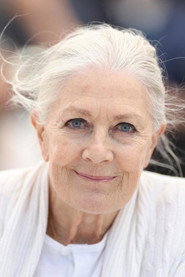 Vanessa RedgraveSister Jeanne des Anges
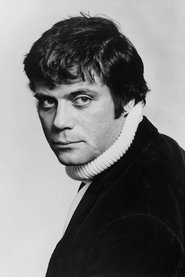 Oliver ReedFather Urbain Grandier
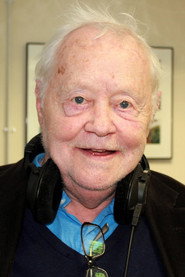 Dudley SuttonBaron de Laubardemont
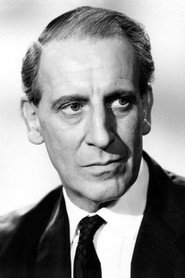 Max AdrianIbert
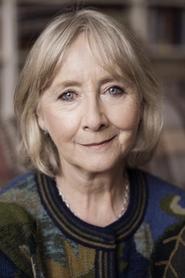 Gemma JonesMadeleine de Brou
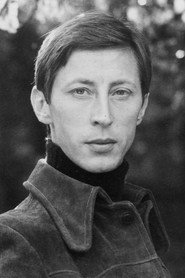 Murray MelvinFather-Canon Jean Mignon
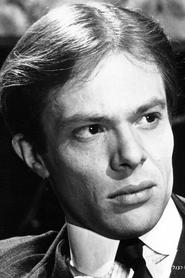 Michael GothardFather Pierre Barre
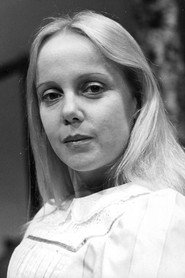 Georgina HalePhilippe Trincant
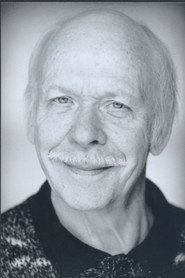 Brian MurphyAdam
- Christopher LogueCardinal Richelieu
- Graham ArmitageKing Louis XIII
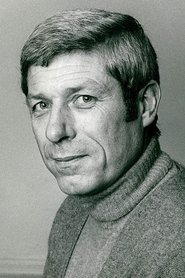 John WoodvineLouis Trincant
Directing
- Ted MorleyAssistant Director
- Ann SkinnerContinuity
- Ken RussellDirector
- Nicolas Hippisley-CoxeSecond Second Assistant Director
Writing
- Aldous HuxleyNovel
- Ken RussellScreenplay
- John WhitingTheatre Play
Production
- Roy BairdAssociate Producer
- Ken RussellProducer
- Robert H. SoloProducer
- Neville C. ThompsonProduction Manager
- Graham FordUnit Manager