
Film
Blood of My Blood
Marco Bellocchio's formally intricate dual narrative weaves a medieval witch trial against a modern property negotiation within the same convent walls. Austere and intellectually demanding, it examines how institutions—church, state, capital—consume individual bodies and desires across centuries. For viewers who prize structure over sentiment and historical texture over plot momentum.
If you liked this
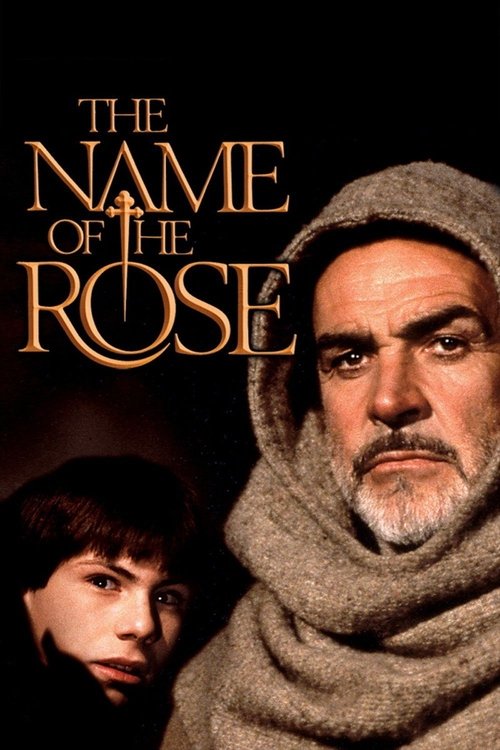
The Name of the Rose1986
Eco's medieval monastery mystery shares Bellocchio's fascination with how power operates through doctrine. Rich period detail, genuine theological stakes, and a narrative that trusts the audience to follow its logic.
But Lengthy and deliberately paced; the mystery unfolds through discussion and inference rather than action or obvious drama.
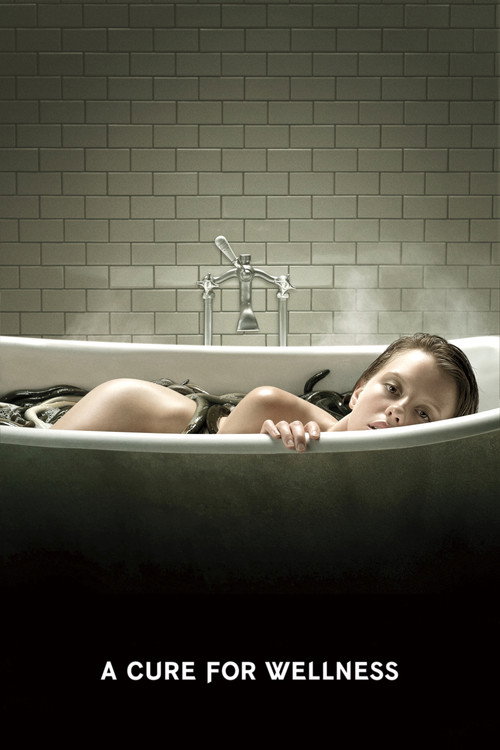
A Cure for Wellness2017
Like Blood of My Blood, it uses a contained institutional setting to explore how systems mask cruelty beneath ritual and philosophy. Visually hypnotic, with a similar distrust of authority and sanctuary.
But Veers toward gothic melodrama where Bellocchio stays austere. Some find the atmosphere suffocating rather than absorbing.
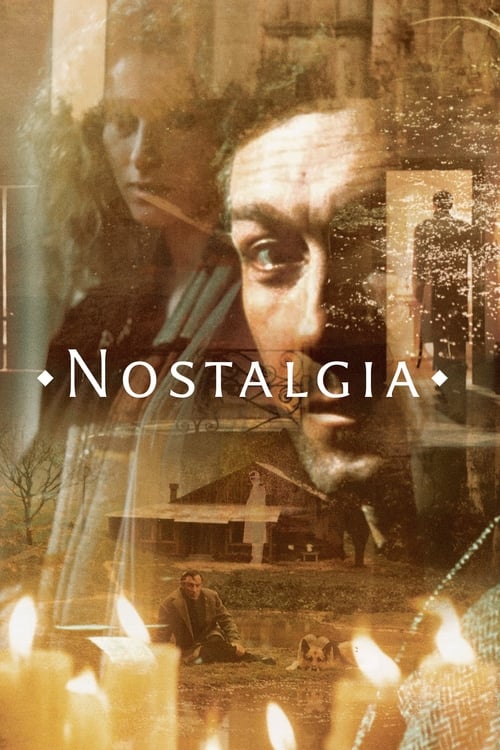
Nostalgia1983
Tarkovsky's meditation on faith, desire, and historical weight within religious spaces. Slow, rigorous cinema that demands attention but rewards it with profound emotional and intellectual resonance.
But Exceptionally long and visually spare. Requires patience with stillness and philosophical digression over conventional narrative.
Not sure tonight? Get a pick in a minute, starting from Blood of My Blood
The wildcard
Something you would not have found on your own.
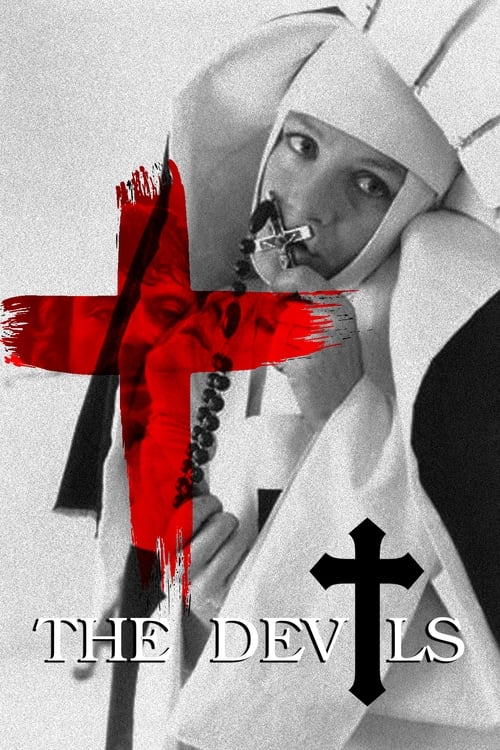
The Devils1971
Both films stage institutional witch hunts as exercises in power; both understand the convent as a space where desire, doctrine, and violence intersect. Russell externalizes the psychological horror that Bellocchio keeps interior.
Ken Russell's visionary adaptation of The Crucible set in a 17th-century French convent where mass hysteria, sexual repression, and institutional abuse collide in baroque excess. A meditation on how power manufactures truth, with the formal and thematic DNA of Blood of My Blood but operating at maximum sensory intensity.
But Grotesquely transgressive: nudity, sacrilege, and graphic violence are deployed to provoke. Some see it as exploitative shock rather than genuine critique; others find Russell's style overwhelming.
More like this (8)
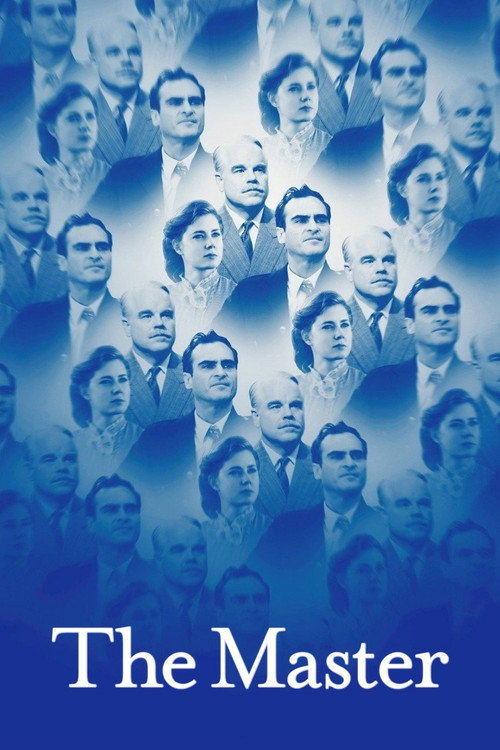
The Master2012
Institutional power, charismatic authority, and the fracturing of belief systems. Paul Thomas Anderson's formal precision mirrors Bellocchio's approach to structure as meaning.
But Deliberately oblique; resists easy interpretation. Some viewers find it cold or incomplete rather than mysteriously complex.
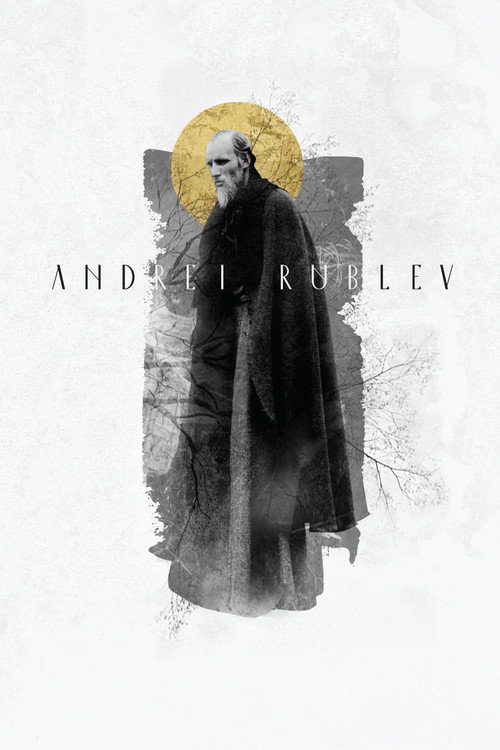
Andrei Rublev1966
Tarkovsky's artist navigating faith, politics, and creation within a hostile historical moment. Visually magnificent and thematically dense, it shares Bellocchio's sense of history as a force that crushes individuals.
But Episodic, lengthy, and in Russian. The spiritual abstraction may frustrate viewers seeking narrative propulsion.
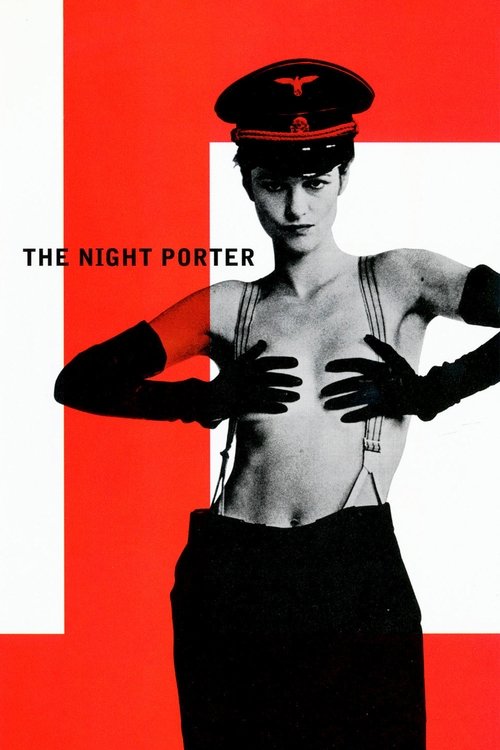
The Night Porter1974
Liliana Cavani's perverse examination of power, desire, and complicity within a confined space. Morally unsettling and formally audacious in ways that echo Bellocchio's refusal to offer easy comfort.
But Exploitative subject matter; some view it as prurient rather than critical. The ambiguity about its own moral stance troubles many viewers.
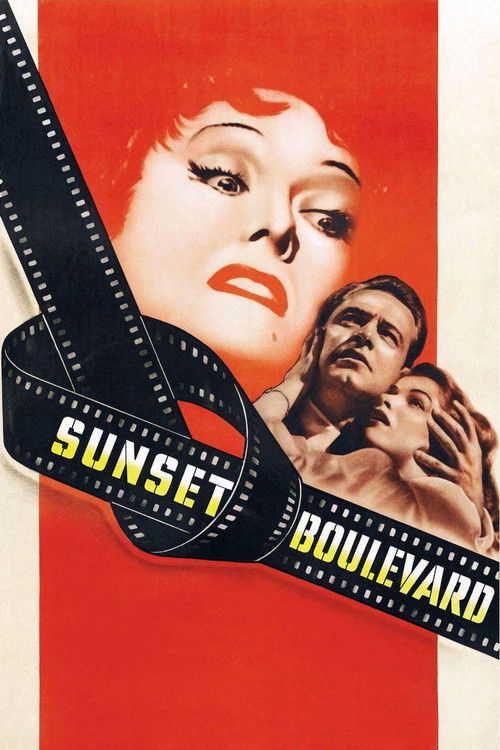
Sunset Boulevard1950
Wilder's claustrophobic exploration of how institutions and systems consume people, told through a decaying mansion. The formal control and dark psychology anticipate Bellocchio's approach.
But Cynicism can feel dated; the femme fatale archetype has aged awkwardly since 1950.
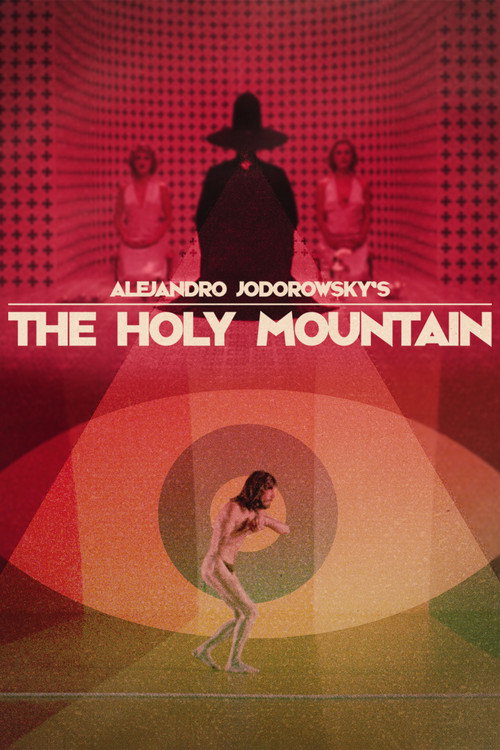
The Holy Mountain1973
Jodorowsky's surreal, allegorical journey through spiritual and institutional absurdity. Visually transgressive where Bellocchio is restrained, but shares his conviction that meaning hides in ritual and symbol.
But Deliberately obscure and often grotesque. More interested in provocation than coherence; many find it pretentious or simply incomprehensible.
Stalker1979
Another Tarkovsky work examining desire, faith, and the gap between spiritual seeking and institutional reality. Formally masterful and philosophically rigorous.
But Slow, abstract, and unresolved. Viewers expecting clear answers or plot resolution will find it frustrating.

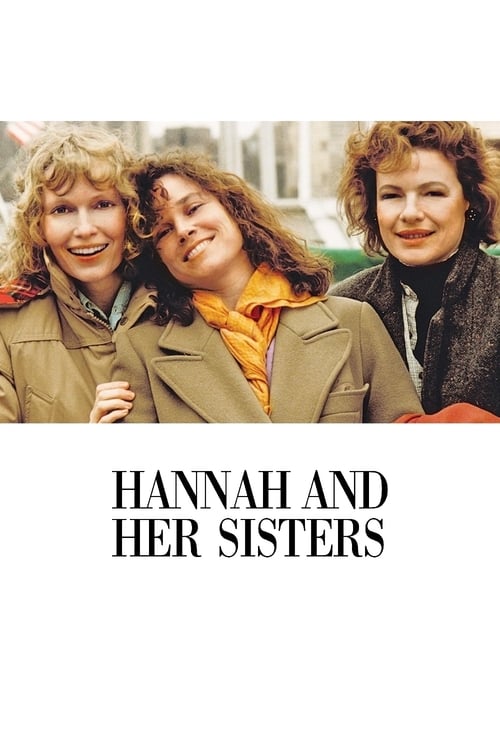
Hannah and Her Sisters1986
Both films use structural complexity—multiple timelines, fragmented narrative—not as flourish but as the thing itself. Both ask how we live with the gap between what we want and what we're allowed to have.
Allen's narrative architecture mirrors Bellocchio's—overlapping temporalities, multiple perspectives on the same moral question, formal precision serving thematic depth. Here the question is how we construct meaning and belonging, answered across decades and intersecting lives with humor, warmth, and genuine uncertainty.
But A comedy-drama about privileged New Yorkers; the register is intimate and domestic rather than epic. If you want Bellocchio's austerity maintained throughout, this will feel too light.
Memories of Murder2003
Both films examine how institutions—church, state, police—manufacture consensus and suppress inconvenient truths. Both are structured as investigations that slowly reveal the system itself as the real subject.
Bong Joon-ho's methodical serial killer investigation set in 1986 South Korea, where institutional corruption, surveillance, and the hunt for truth create an atmosphere of ambient dread. Formally composed and morally complex, it shares Bellocchio's conviction that systems fail individuals in predictable, tragic ways.
But Bleak and deliberately inconclusive. The ending prioritizes thematic statement over resolution; some find it frustratingly unresolved and emotionally draining.

People
Cast
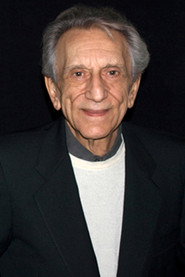 Roberto HerlitzkaIl Conte
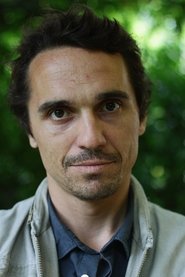 Pier Giorgio BellocchioFederico Mai
 Lidia LibermanBenedetta
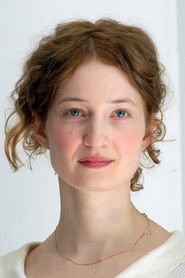 Alba RohrwacherMaria Perletti
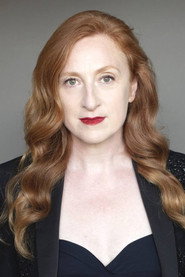 Federica FracassiMarta Perletti
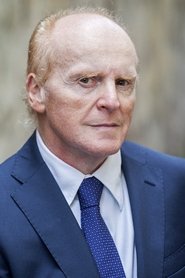 Alberto Craccol'inquisitore francescano
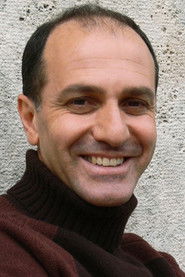 Bruno CarielloAngelo, il custode
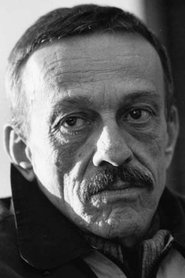 Toni BertorelliDott. Cavanna
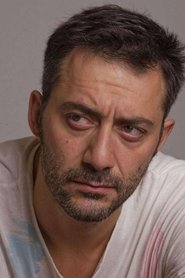 Filippo TimiIl pazzo
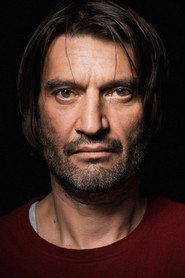 Ivan FraněkRikalkov
 Elena BellocchioElena Mai
- Patrizia Bettinimoglie del conte
Directing
- Marco BellocchioDirector
- Lucille CristaldiFirst Assistant Director
- Giada BelliniScript Supervisor
- Francesca CoticoniSecond Assistant Director
Writing
- Marco BellocchioScreenplay
Production
- Stefania De SantisCasting
- Fabio ConversiCo-Producer
- Gabriella de GaraCo-Producer
- Tiziana SoudaniCo-Producer
- Alessio LazzareschiExecutive Producer
- Daniele EspositoLine Producer
- Raffaella RidolfiLine Producer
- Beppe CaschettoProducer
- Simone GattoniProducer
- Tea CappielloProduction Coordinator
- Michela PiniProduction Manager
- Luigi NapoleoneSupervising Producer
- Massimo Di RoccoSupervising Producer