
Film
The Misandrists
A 91-minute provocation disguised as a convent drama. Rainer Werner Fassbinder's final film uses genre constraints as a cage to explore power, desire, and ideology among a community of radical women. It's visually stark, deliberately artificial, and morally slippery—demanding engagement rather than comfort. For viewers drawn to cinema that refuses to explain itself.
If you liked this
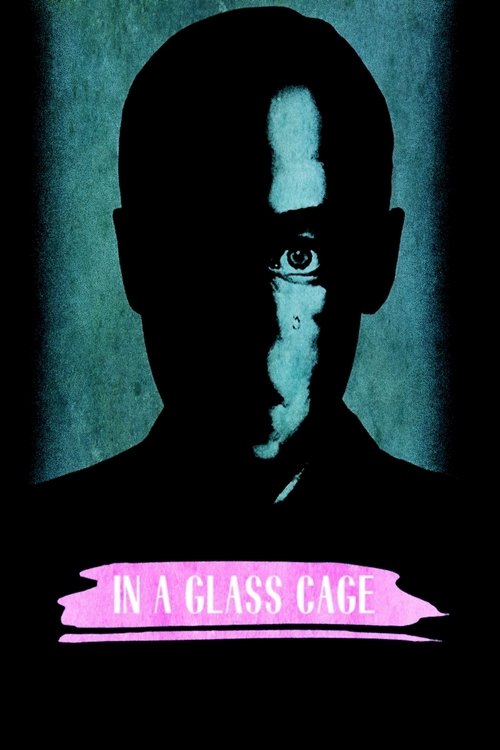
In a Glass Cage1986
Another Spanish-language film about confined spaces and the corruption of power, with equally unsettling intimacy and moral ambiguity. Agustí Villaronga directs with the same unflinching commitment to discomfort.
But Extremely bleak, sexually explicit, and built around child abuse. Not a movie; a wound.
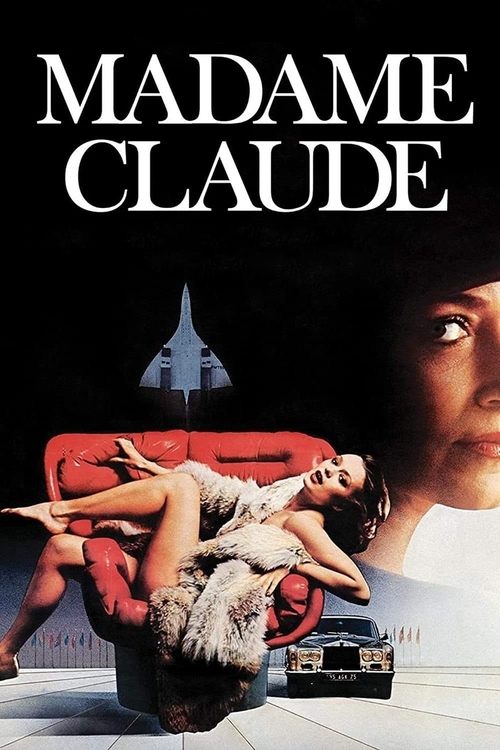
Madame Claude1977
Explores power dynamics and female agency through a world of women governing themselves outside normal society. Stylish, seductive, and genuinely interested in how institutions corrupt from within.
But A Netflix film that prioritizes appeal over rigor. Less willing to embrace genuine unease.
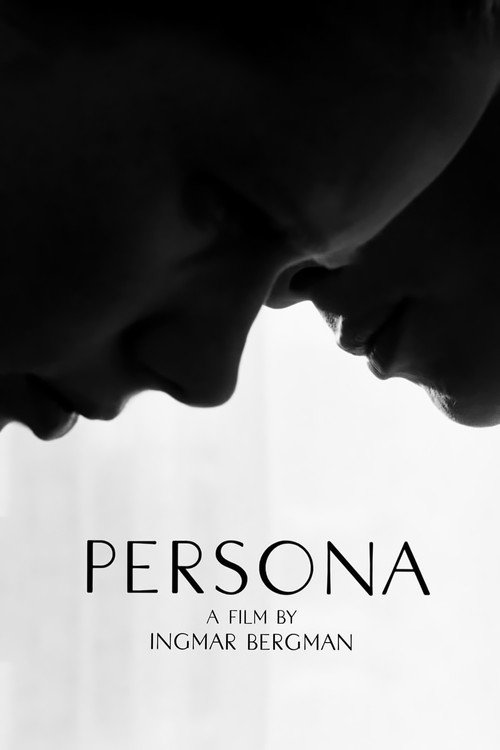
Persona1966
Bergman's masterpiece about two women in isolation, identity dissolution, and the violence of intimacy. Black and white, compressed, hypnotic. A film that trusts you to sit with confusion.
But Deliberately obtuse and demanding. If you need plot, you will be frustrated for 81 minutes.
Not sure tonight? Get a pick in a minute, starting from The Misandrists
The wildcard
Something you would not have found on your own.
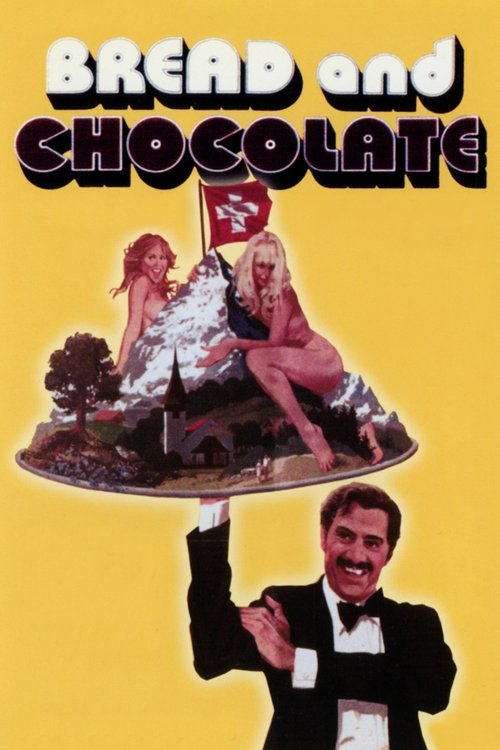
Bread and Chocolate1974
Both films use confinement and rigid hierarchies to examine how systems destroy the individual. Both resist the comfort of melodrama—there is no redemption, only the machinery turning.
An Italian immigrant worker in Switzerland endures systematic humiliation and exploitation. Comencini shoots the everyday as violence. The film's formal clarity makes the brutality unbearable.
But Slow, repetitive by design, and genuinely depressing. Not cathartic; punitive.
More like this (8)
Mulholland Drive2001
Lynch's Hollywood nightmare uses genre and structure as philosophical argument. Dread, desire, and the artificiality of constructed identity. Gorgeous and sick in equal measure.
But Fragmented, deliberately illogical, and ends nowhere. Some find it pretentious rather than profound.

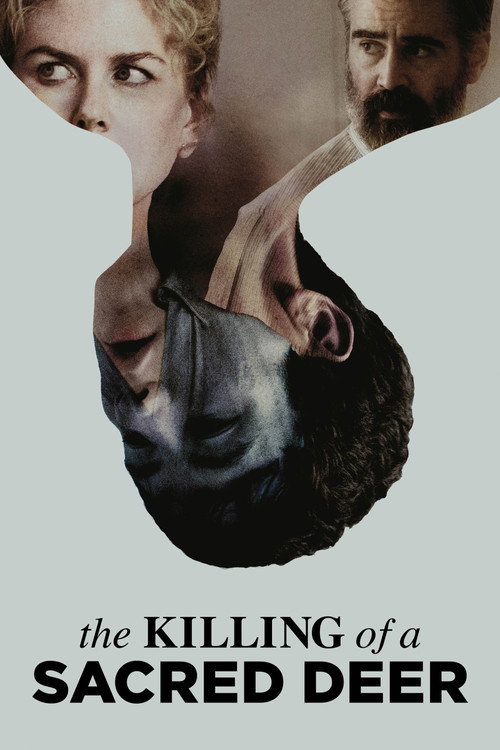
The Killing of a Sacred Deer2017
Yorgos Lanthimos creates unbearable tension through formally controlled spaces and the collapse of domestic order. Clinical, creeping dread. A masterclass in making strangeness feel inevitable.
But Numbing rather than moving. The distance Lanthimos maintains can feel cold.
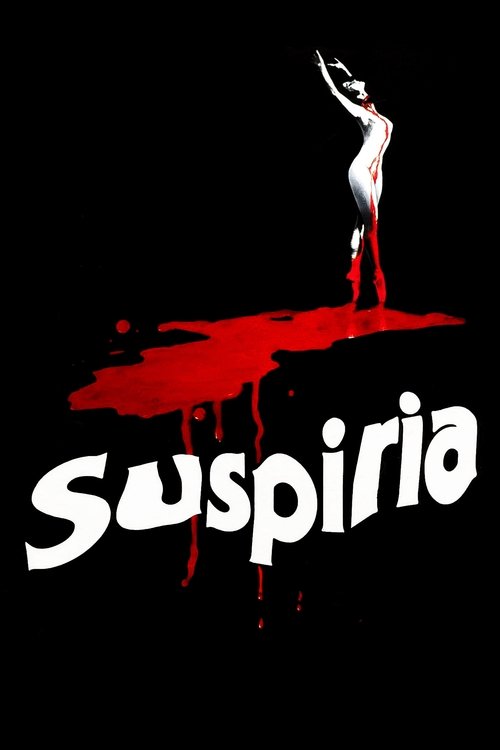
Suspiria1977
Argento's nightmare about a dance academy run by women with sinister purpose. Chromatic, visceral, and formally audacious. Horror as pure sensory experience.
But The plot is secondary to style and mood. Some find it more beautiful than scary.
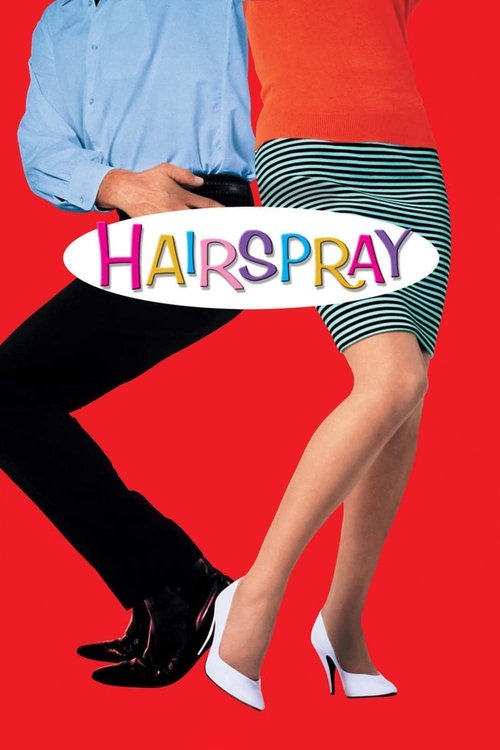
Hairspray1988
Waters' drag, transformation, and the chaos of liberation. A community on the margins living by their own rules with anarchic joy. The anti-respectability film.
But Intentionally trashy and campy. If you want intellectual distance from the material, you won't get it here.
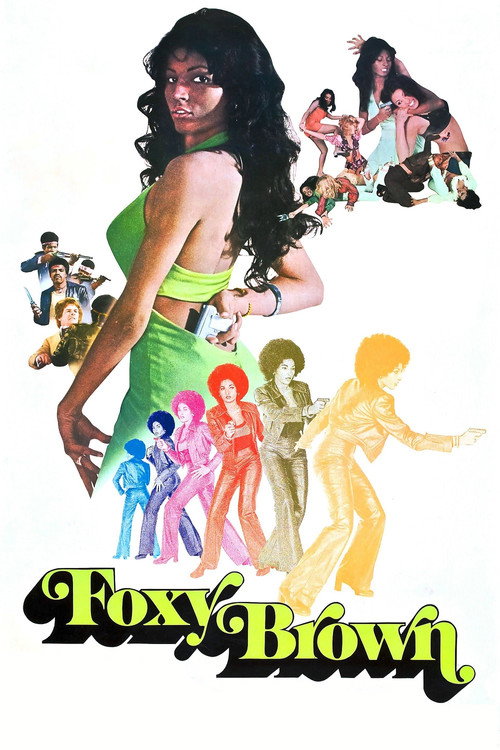
Foxy Brown1974
Pam Grier commands a film about a Black woman organizing, scheming, and destroying men who prey on her community. Pure genre cinema with genuine fury underneath.
But A revenge exploitation film from the '70s. Some scenes have not aged with grace, and the film doesn't apologize.
The Devils1971
Ken Russell's baroque fever dream about a convent, possession, and institutional madness. Visually overwhelming and thematically reckless. Russell believes everything he shows you.
But Grotesque, sexually explicit, and banned in multiple countries. Some see genius, others see sensationalism with pretension.

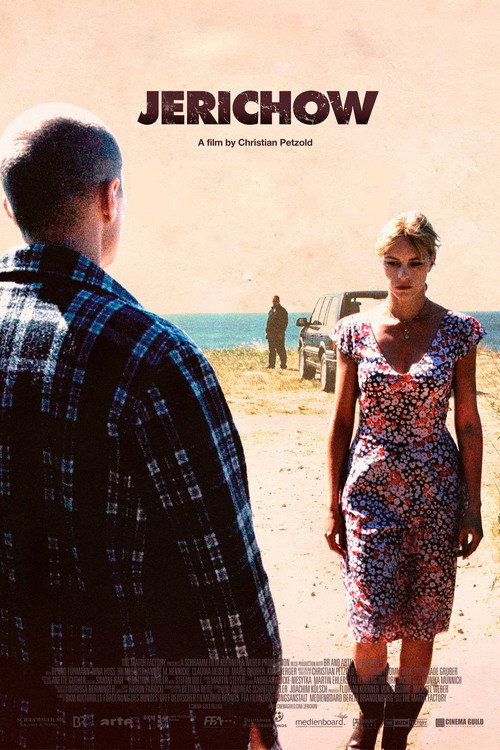
Jerichow2008
Both are German-language films about power structures corrupting desire and community. Both treat ideology as the air characters breathe, not as something to debate.
A German film about a returned soldier, a woman, and transactional relationships in small-town Germany. Haunted, elliptical, and morally vacant. Anja Kofler's direction finds eroticism in power imbalance.
But Glacially paced and deeply unpleasant. The sex scenes are about degradation, not desire.
Chungking Express1994
Both films are interested in how people construct alternate worlds through ritual and isolation. Both use artificial aesthetic systems to describe genuine emotional states. One is ascetic and punishing; one is lush and seductive. Same DNA, opposite temperatures.
Wong Kar-wai's dreamy, saturated meditation on loneliness, desire, and how we fail to connect. A film that feels like memory—impressionistic, digressive, achingly beautiful.
But Narrative takes a backseat to mood and visual texture. If you want story momentum, you'll feel lost.

People
Cast
 Susanne SachßeBig Mother
- Viva RuizSister Dagmar
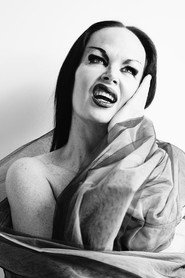 Kembra PfahlerSister Kembra
- Caprice CrawfordSister Barbara
- Grete GehrkeSister Grete
- Kita UpdikeIsolde

 Olivia KundischHilde
 Til SchindlerVolker
 Lina BembeHelga
Directing
- Bruce LaBruceDirector
- Yotam IshayFirst Assistant Director
Writing
- Bruce LaBruceScreenplay
Production
- Carla ArochaAssociate Producer
- Christopher B.P. MahoneyAssociate Producer
- Alexandre DievalExecutive Producer
- Björn KollExecutive Producer
- Claus MatthesExecutive Producer
- Bruce LaBruceProducer
- Jürgen BrüningProducer
- Paulita PappelProducer
- Sonja KlumperProducer
- Christian WeberPublicist