
Film
Jerichow
A tense domestic drama set in rural Germany where a drifting Afghan War veteran takes work for a Turkish businessman, only to be drawn into a suffocating triangle with the man's wife. Christian Petzold's film is precisely observed, morally ambiguous, and deeply uncomfortable—a slow-burn affair that trusts silence and glances over exposition. It's for viewers who appreciate character study over plot, and who don't need their dramas to reach conclusions.
Should you watch it?
Watch it if you like bleak character studies where moral compromise plays out in small gestures, cold landscapes and a slow pull of desire and money, rather than in plot turns.
Skip it if you need momentum or a warm lead to root for, since its protagonist is hard to like and the mood stays chilly and withholding from start to finish.
What it asks of you: Expect a lean, unhurried 92 minutes where much of the tension hides in glances, idle drives and long pauses, so patience pays more than attention to dialogue.
Not sure? Find tonight's pick in a minute.
If you liked this
Red Desert1964
Antonioni's masterpiece about aimlessness and attraction in an industrial landscape. Both films use setting as a psychological state and find erotic tension in moral compromise and quiet conversations.
But It's longer, slower, and even more committed to ambiguity—some find it austere to the point of emotional distance.
Nil by Mouth1997
Gary Oldman's brutal family drama set in working-class London. Like Jerichow, it observes damaged people without flinching, finding humanity in poverty and dysfunction rather than plotting against it.
But It's far more visceral and violent; the pain is rawer and less mediated by style than Petzold's cold aesthetic.
Happy as Lazzaro2018
An Italian pastoral that seems simple but contains real darkness beneath. Both films use beautiful landscapes to contain moral corruption and examine what happens when innocence meets the world.
But The tonal shifts are stranger and the ending more mythic—it's less grounded in recognizable social reality than Jerichow.
Not sure tonight? Get a pick in a minute, starting from Jerichow
The wildcard
Something you would not have found on your own.
The Night House2021
Both are about the suffocation of intimacy in closed spaces, where proximity breeds contempt and desire becomes a trap. Both distrust resolution.
Mikhalkov's late masterpiece: a couple in a Berlin hotel across a single night, filmed in virtuosic black and white. It's chamber drama at its most concentrated—dialogue, hesitation, the architecture of a marriage in collapse.
But Extremely talky and internal; if you want Jerichow's cool surfaces, this wears everything on the surface through language instead.
More like this (6)
A Prophet2009
An unflinching look at how circumstance and proximity reshape identity, set in a French prison. Both films show transformation through constraint and damaged relationships; both distrust easy answers.
But It's a crime drama with explicit violence, much more plot-driven than the quiet psychological compression of Jerichow.

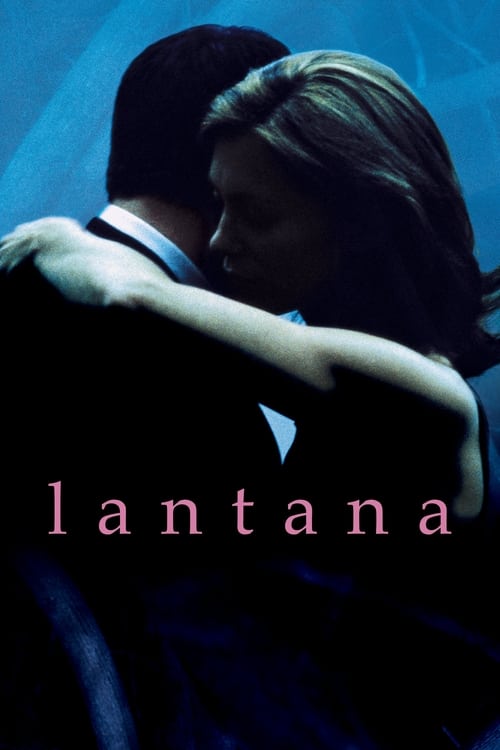
Lantana2001
An Australian ensemble piece about desire, betrayal, and suburban strangulation. Like Jerichow, it shows how one transgression ripples through connected lives without neat moral resolution.
But It's more conventionally structured as a mystery, with more conventional dramatic beats than Petzold's restraint allows.
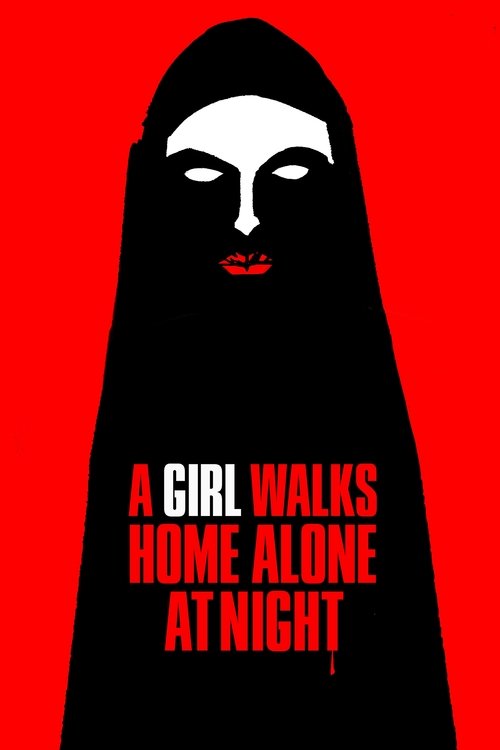
A Girl Walks Home Alone at Night2014
A formal, black-and-white study of attraction and otherness in a dying industrial town. Both films use constraint and cool technique to explore how desire grows in unlikely circumstances.
But It's a vampire film; the genre elements and dreamlike register sit uneasily with Jerichow's social realism.
Stalker1979
Tarkovsky's meditation on desire, desire for meaning, and the gap between what we want and what we'll do for it. Both films move slowly and trust us to find meaning in waiting and looking.
But It's nearly three hours long, philosophically abstract, and requires genuine patience—a very different kind of watching.

Broken Embraces2009
A British microbudget drama about a neighborhood where ordinary people do terrible things. Like Jerichow, it's set in a small community suffocated by proximity and gossip.
But It's more overtly shocking and deals with child abuse—darker in subject matter than Jerichow's sexual and economic entanglement.

Winter Light1963
Both examine how we fail the people closest to us through a central male character's inability to fully see or respond to those who need him. Both are about the gap between duty and desire.
Bergman's most compressed character study: faith, doubt, and emotional numbness in a Swedish winter. A pastor's crisis unfolds through conversation and silence with his assistant and a lonely woman. Austere, devastating, formally perfect.
But It's a faith-and-despair film from 1963; the existential register and religious framework feel distant from Jerichow's grounded social world.

People
Cast
 Benno FürmannThomas
 Nina HossLaura
 Hilmi SözerAli Özkan
 André HennickeLeon
 Claudia Geisler-BadingSachbearbeiterin
 Marie GruberKassiererin
 Knut BergerPolizist
Directing
- Christian PetzoldDirector
Writing
- Christian PetzoldWriter
Production
- Simone BärCasting
- Andreas SchreitmüllerProducer
- Bettina ReitzProducer
- Florian Koerner von GustorfProducer
- Jochen KölschProducer
- Michael WeberProducer
Recommended by
The Passion of Anna, Archipelago, Effi Briest, The Misandrists, Police, Adjective