
Film
Archipelago
- Family drama
- Slow-burning
Joanna Hogg's austere chamber piece traps a fractious family on a remote island where their silences speak louder than words. Shot in handheld widescreen, it observes class anxiety, generational resentment, and the violence of politeness with surgical precision. For viewers who believe cinema can be uncomfortable in illuminating ways.
If you liked this
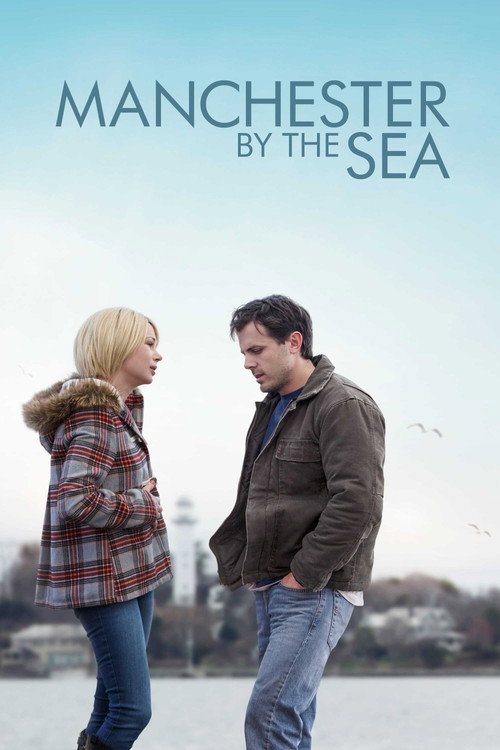
Manchester by the Sea2016
Grief and family shame told through glances and unfinished sentences. Casey Affleck's performance is a masterclass in what characters don't say. The emotional architecture mirrors Hogg's restraint.
But Deliberately paced and emotionally heavy; the film earns its catharsis slowly and some viewers find it punishing rather than moving.
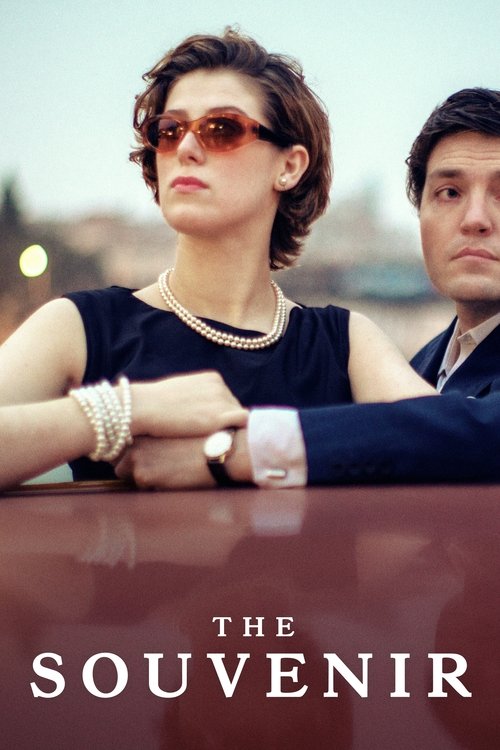
The Souvenir2019
Joanna Hogg's semi-autobiographical film about a young art student and her controlling boyfriend. Precisely calibrated and devastating. If you're drawn to Archipelago's method, this refines it.
But Art school solipsism and relationship dysfunction won't appeal to everyone; the abstraction of meaning-making can feel opaque.
Moonlight2016
Three chapters of a life told through colour, music, and what's left unsaid. Barry Jenkins choreographs silences like Hogg does. Both films understand that trauma lives in the gaps.
But Poetic and meditative rather than plot-driven; some find the pacing glacial and the narrative too fragmented to follow.

Not sure tonight? Get a pick in a minute, starting from Archipelago
The wildcard
Something you would not have found on your own.
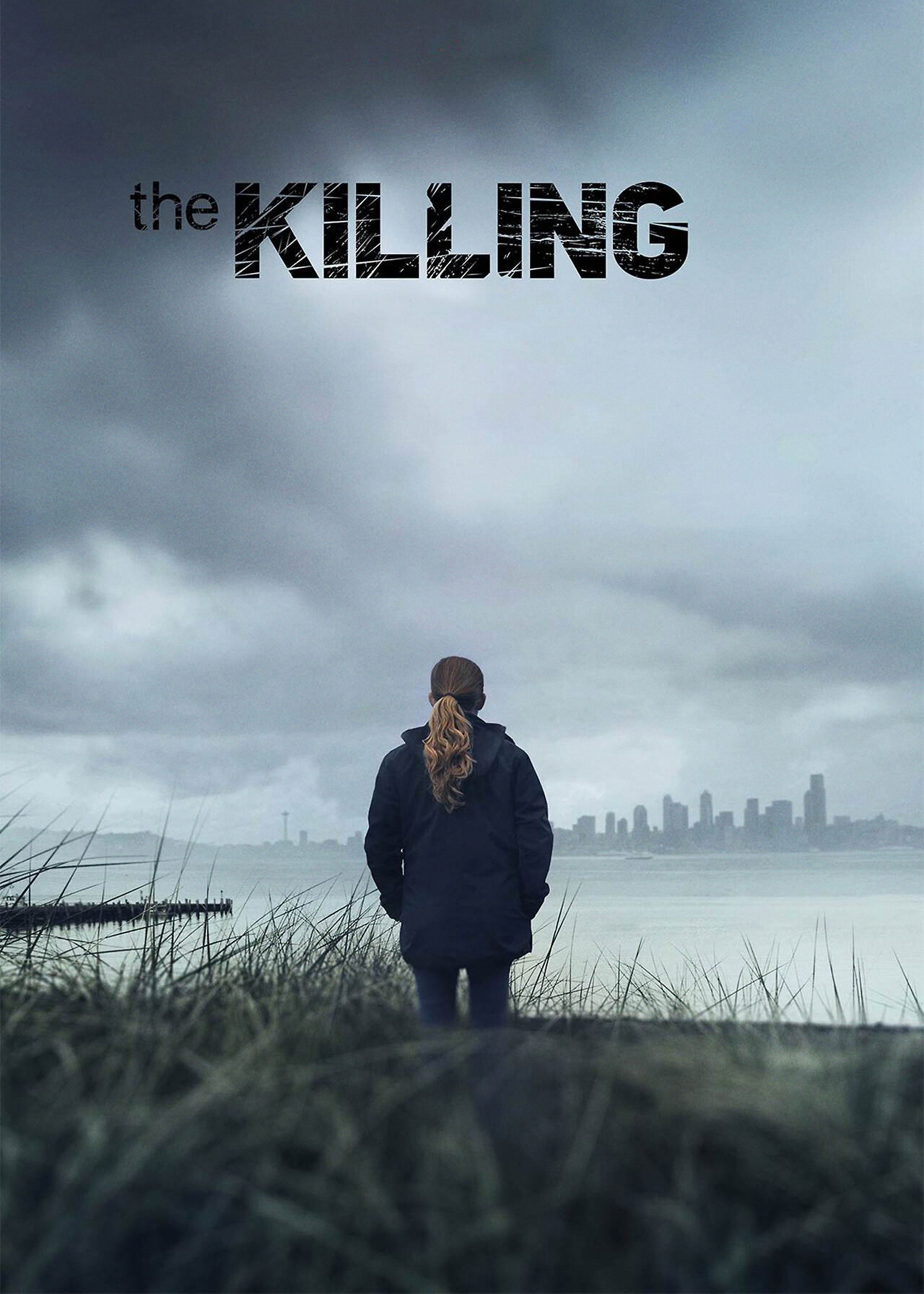
The Killing2011
Both use confinement and glacial pacing to examine social hierarchies and the violence of systems. Neither lets you off easy.
Danish noir about a murder investigation, but it's really about bureaucratic tedium, moral compromise, and how institutions grind individuals down. Like Archipelago, it uses a confined space (the investigation room) to examine power and class. Both reveal character through refusal to move.
But Twenty episodes of deliberate pacing; crime-show fans expecting propulsive plot momentum will feel it drags. The fatalism is unrelenting.
More like this (7)
The Turin Horse2011
Béla Tarr's final film watches a household disintegrate with philosophical weight. Bleak, formal, and oddly beautiful. A kindred spirit in how it uses constraint.
But Black-and-white, very slow, and somewhat cryptic. The mood is unrelenting bleakness with no cathartic release.

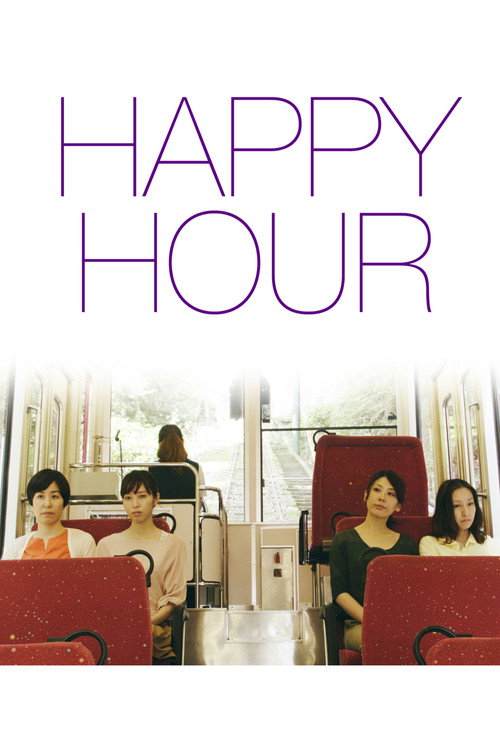
Happy Hour2015
Ryusuke Hamaguchi's four-hour film about marriages in crisis. Conversational and observational, it has Hogg's interest in how relationships fracture in real time through ordinary moments.
But At four hours and dialogue-heavy, it requires stamina and patience; some will find it repetitive and self-indulgent.
A Ghost Story2017
David Lowery's meditation on grief, time, and family legacy. Formally audacious and emotionally sparse, it trusts the audience to sit with uncertainty and pain.
But The conceit is strange and the pacing is deliberately slow; the abstraction frustrates viewers seeking narrative clarity.

Winter Light1963
Bergman's study of spiritual emptiness and emotional paralysis within relationships. Shot in cold, confined spaces. A formal ancestor to Hogg's unflinching gaze.
But Existential crisis as subject matter; bleak without offering hope. The dialogue-sparse sections can feel forbiddingly austere.

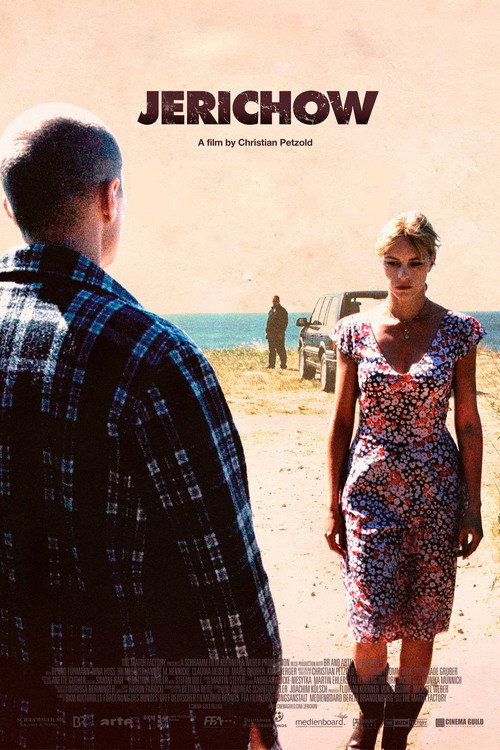
Jerichow2008
Christian Petzold's thriller about post-war class resentment and suppressed violence simmering beneath domestic routine. Like Archipelago, it finds menace in the everyday and the unspoken.
But Slow-burn and understated; the genre elements are subtle enough that some viewers won't register it as a thriller at all.
Stalker1979
Both films assert that cinema's power lies in duration and observation rather than event. Both trust silence and stillness as narrative tools.
Tarkovsky's science-fiction pilgrimage film is about waiting, yearning, and the distance between people in proximity. Structurally it's pure journey with minimal action. The camera holds on faces and landscapes with the same unflinching attention Hogg brings to her family.
But 163 minutes, no conventional plot, utterly abstract. Science fiction exists only as premise. You must surrender to its rhythm or it will exhaust you.

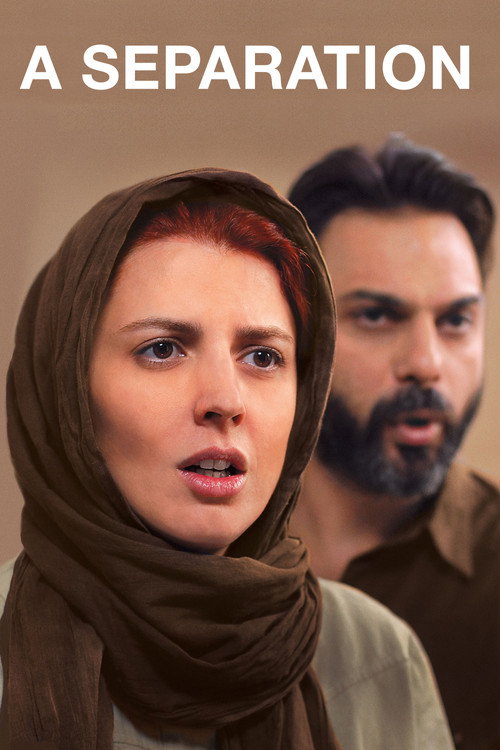
A Separation2011
Made in the same year, both use confined spaces and family argument to interrogate the line between private shame and social responsibility. Both see small moments as seismic.
Asghar Farhadi's Iranian masterpiece about a marriage's dissolution, told with Hogg's precision but in a completely different cultural context. It shows how universal the fractures within families can be—class, obligation, shame, the spaces between what's said and what's felt.
But The emotional weight accumulates painfully; some find the moral ambiguity exhausting rather than illuminating. The ending offers no comfort.
People
Cast
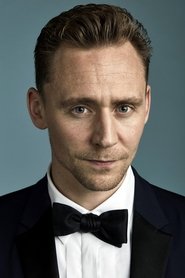 Tom HiddlestonEdward
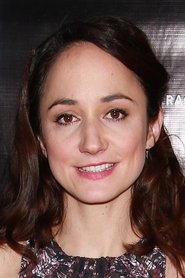 Lydia LeonardCynthia
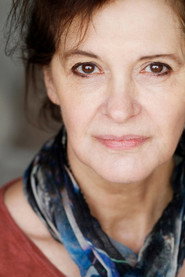 Kate FahyPatricia
- Amy LloydRose
- Christopher BakerChristopher
- Andrew LawsonHead Gardener
- Mike PenderLobster Fisherman
Directing
- Joanna HoggDirector
- Sara DoughtyScript Supervisor
Writing
- Joanna HoggWriter
Production
- Lucy BevanCasting
- Edward CharltonExecutive Producer
- Kiyoshi NomuraExecutive Producer
- Luke SchillerLine Producer
- Gayle GriffithsProducer