
Film
Happy Hour
A five-hour Japanese film about four women in their thirties reckoning with marriage, ambition, and identity. Ryusuke Hamaguchi's masterpiece unfolds at a patient, probing pace, finding profound comedy and tenderness in everyday conversations. For viewers hungry for cinema that trusts you to sit with uncertainty and change.
If you liked this
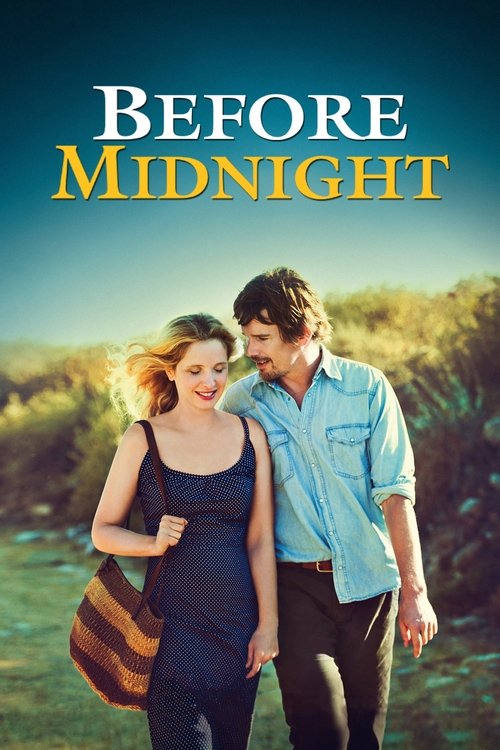
Before Midnight2013
Richard Linklater's final chapter with Jesse and Céline captures the exact terrain Happy Hour explores: long-term partnership, desire, the gap between who we thought we'd be and who we've become. Conversation as the whole event.
But It's the third film in a series, and the earlier ones cast a long shadow. If you haven't seen Before Sunrise and Before Sunset, you'll be adrift.
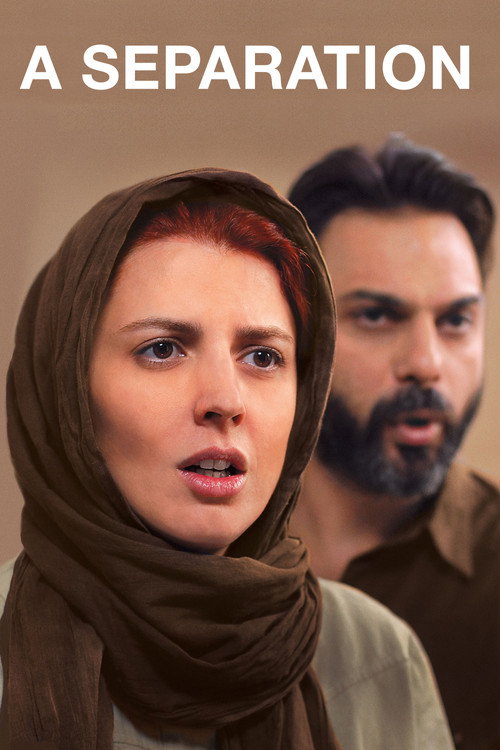
A Separation2011
Asghar Farhadi's divorce drama mirrors Happy Hour's refusal to pick sides, revealing how decent people damage each other through love. Tense, precise, and devastating about the gap between intention and harm.
But It's considerably darker and more claustrophobic than Happy Hour. No comic relief, and the ending lands like a punch to the stomach.
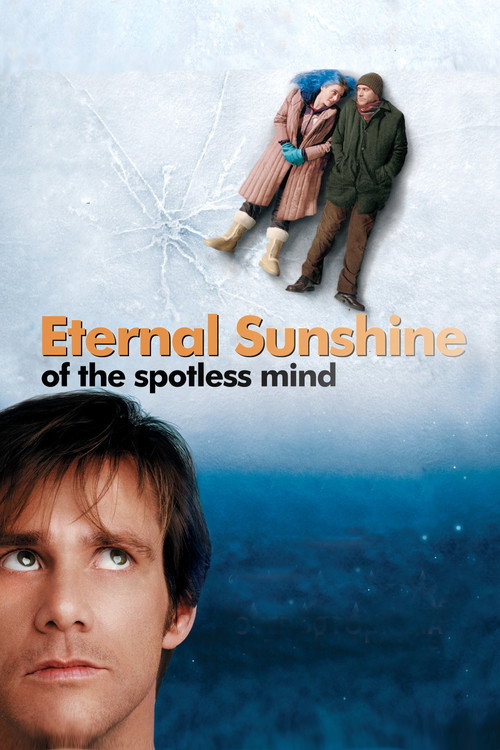
Eternal Sunshine of the Spotless Mind2004
Both films ask what remains when a relationship ends. Michel Gondry's magical realism reaches for the same emotional truth as Hamaguchi's realism: the persistence of feeling even when memory fails.
But The sci-fi premise can feel whimsical if you're not aligned with the sadness underneath. The film assumes you'll invest in abstractions.
Not sure tonight? Get a pick in a minute, starting from Happy Hour
The wildcard
Something you would not have found on your own.
Sans Soleil1983
Both use close observation of the everyday—a face, a conversation, a room—to reach something universal about identity and time. Both trust the audience to do the work.
Chris Marker's essay-film is structurally nothing like Happy Hour—no plot, no characters, mostly voice-over and found footage—but it asks the same question: how do we become ourselves? Memory, desire, geography, and time all conspiring to make us other than we expect.
But It's abstract, formal, and requires active interpretation. There's no story to follow, only fragments and ideas. Many viewers find it impenetrable or pretentious.

More like this (8)
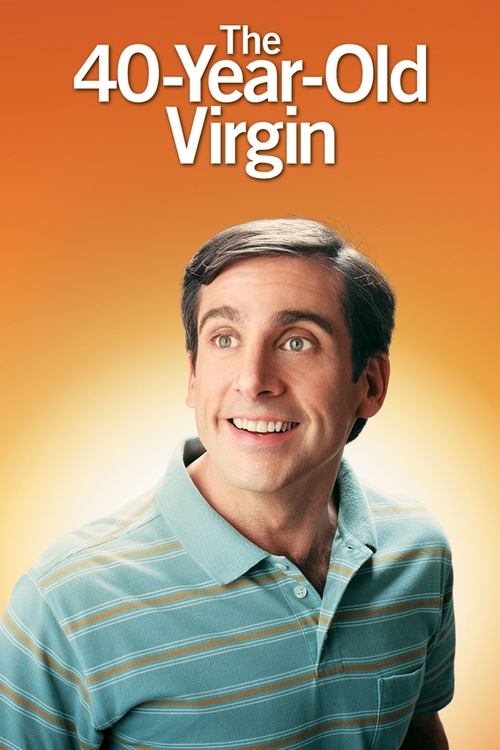
The 40 Year-Old Virgin2005
Judd Apatow finds genuine loneliness and yearning in comedy. Like Happy Hour, it takes its characters' interior lives seriously while letting their absurdity breathe. Tenderness and humour aren't opposites.
But It's broad and often crude, the opposite of Hamaguchi's restraint. If you need subtlety and specificity, this will feel clumsy.
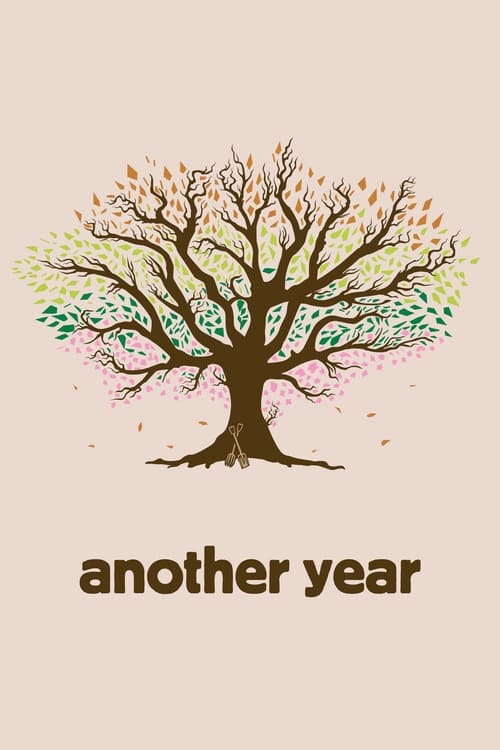
Another Year2010
Mike Leigh observes a long marriage and its effect on the couple's friends with surgical precision. Small moments accumulate into something crushing about how happiness can estrange you from those who struggle.
But It's mournful and can feel punitive toward its characters. Leigh offers no escape hatch, and some viewers find that emotionally exhausting.
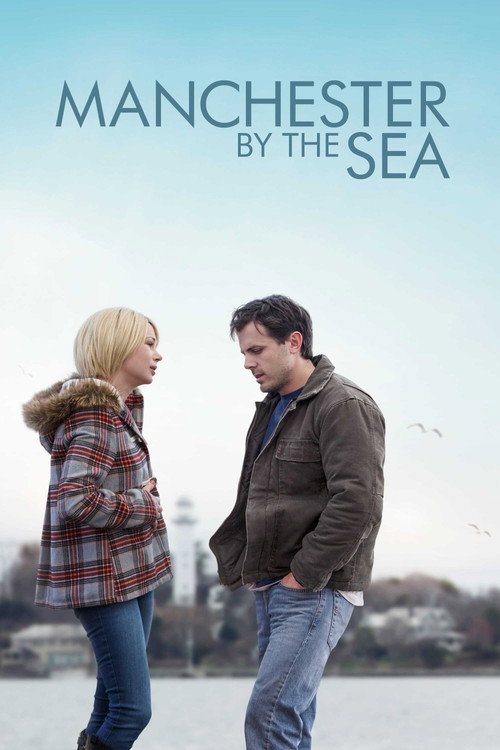
Manchester by the Sea2016
Kenneth Lonergan's film and Happy Hour both believe that character lives in a thousand small gestures. The way people sidestep pain, how they fail their own intentions, the quiet devastation of ordinary life.
But It moves slowly and withholds catharsis. The emotional payoff is ambiguous and arrives in fragments, which can feel frustrating if you want resolution.
Spotlight2015
Released the same year as Happy Hour, this ensemble drama also trusts conversation and investigation over melodrama. Journalism as the study of human nature; relationships built through the work of understanding.
But The subject matter—institutional abuse—is harrowing, and the film's restraint can read as cold. It's less interested in feelings than in facts and what they cost.

Mulholland Drive2001
David Lynch's Hollywood nightmare poem is about identity, desire, and the gap between who we are and who we perform. Hamaguchi's realism and Lynch's surrealism are mapping the same psychological terrain.
But It's cryptic and nonlinear. The second half undoes the first, and the film resists interpretation. If you need clarity, this will infuriate you.

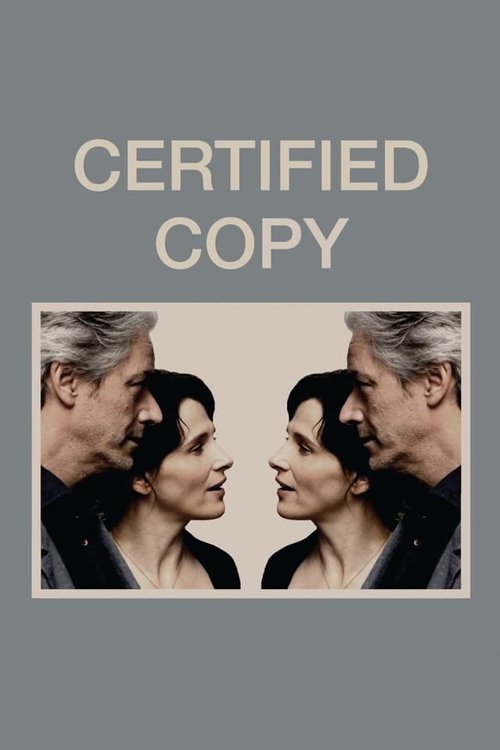
Certified Copy2010
Abbas Kiarostami follows a man and woman through a day in Italy, their relationship shifting as conversation deepens. Like Happy Hour, it asks whether authenticity matters more than the form we choose to inhabit.
But The narrative is deliberately unstable and philosophical. It's more interested in questions than answers, which can feel abstract or aloof.
The Leopard1963
Both films believe that the personal and the historical are inseparable. Both mourn the self as it was while acknowledging it must change.
Luchino Visconti's 1860s Sicilian masterpiece feels like the aristocratic ancestor of Happy Hour: both are about people navigating the gap between the world as it was and the world as it's becoming, trying to hold themselves together as everything shifts.
But It's three hours and in Italian. The pacing is glacial and the politics are distant. If you're used to contemporary cinema, it will feel forbiddingly slow.

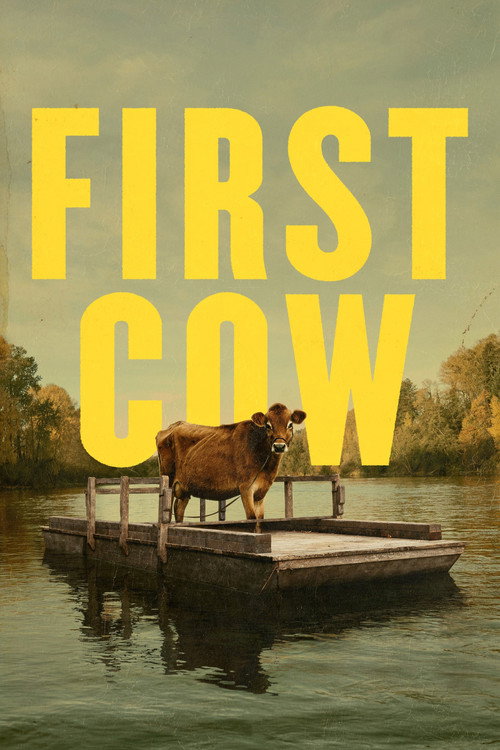
First Cow2020
Both films believe that small acts of collaboration and the negotiations within them are as dramatic as any external conflict. Both find tragedy in ordinariness.
Kelly Reichardt's quiet western about two men trying to build something together uses the frontier as the backdrop for an intimate study of longing, complicity, and mutual dependence. Hamaguchi in American drag—patient, precise, about the texture of togetherness.
But The plot is minimal and the stakes feel small. If you're watching for incident or momentum, you'll be disappointed. It rewards a meditative mood.
People
Cast
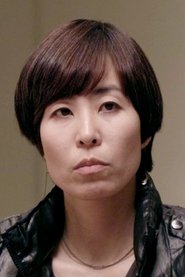 Sachie TanakaAkari
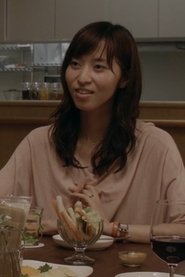 Hazuki KikuchiSakurako
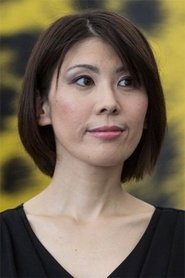 Maiko MiharaFumi

- Yoshio ShinYoshihiko
- Hiroyuki MiuraTakuya
- Yoshitaka ZahanaKohei
- Shuhei ShibataUkai
- Hiromi DemuraHinako
- Hajime SakashoKazama
- Tsugumi KugaiYoshie
- Yasunobu TanabeKurita
Directing
- Hidekazu TouchiAssistant Director
- Toru TakanoAssistant Director
- Ryusuke HamaguchiDirector
Writing
- Ryusuke HamaguchiWriter
- Tadashi NoharaWriter
- Tomoyuki TakahashiWriter
Production
- Hideyuki OkamotoProducer
- Satoshi TakataProducer
- Tadashi NoharaProducer