
Film
Effi Briest
Rainer Werner Fassbinder's 1974 adaptation of Theodor Fontane's novel is a piercing study of desire and social entrapment. Hanna Schygulla is luminous as Effi, a young woman whose brief affair spirals into a life-ruining scandal. The film watches coldly as society's machinery grinds her to nothing—not salacious, but devastating.
If you liked this
Letter from an Unknown Woman1948
Ophüls' masterpiece about a woman's silent, consuming love and the man's casual destruction of her. Similar structure of female longing meeting male indifference, told with heartbreaking elegance.
But It's a melodrama from the 1940s, which means lush orchestration and emotional directness that some find dated or overwrought.

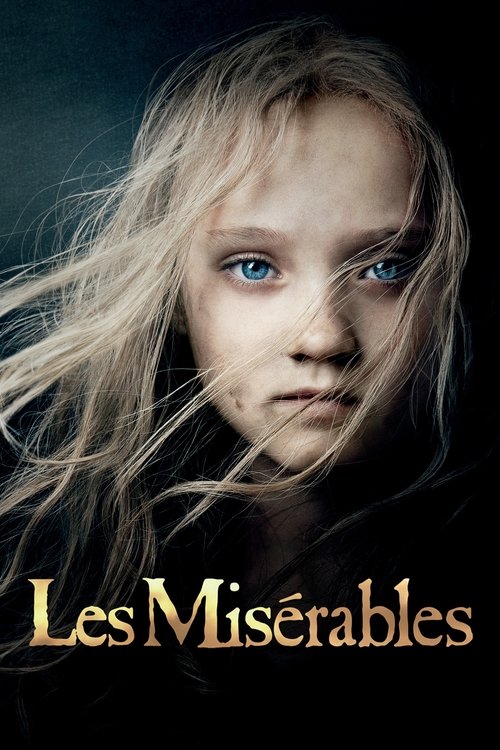
Les Misérables2012
Tom Hooper's film shares Fassbinder's moral seriousness about how systems crush the powerless. Fantine's trajectory—promising life derailed by circumstance and judgment—echoes Effi's tragedy across different registers.
But It's much louder, more sentimental, and the musical format distances you from the raw realism that makes Effi so painful.
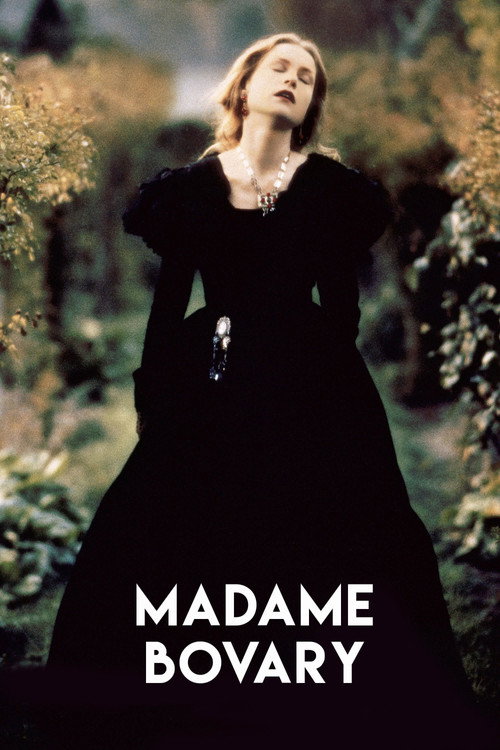
Madame Bovary1991
Claude Chabrol's version captures the same suffocation of a restless woman in a provincial marriage. Both films understand how boredom and imagination become dangerous when society allows no escape.
But Isabelle Huppert's Emma is more actively complicit in her fate, which softens the tragedy's force compared to Effi's near-passivity.
Not sure tonight? Get a pick in a minute, starting from Effi Briest
The wildcard
Something you would not have found on your own.
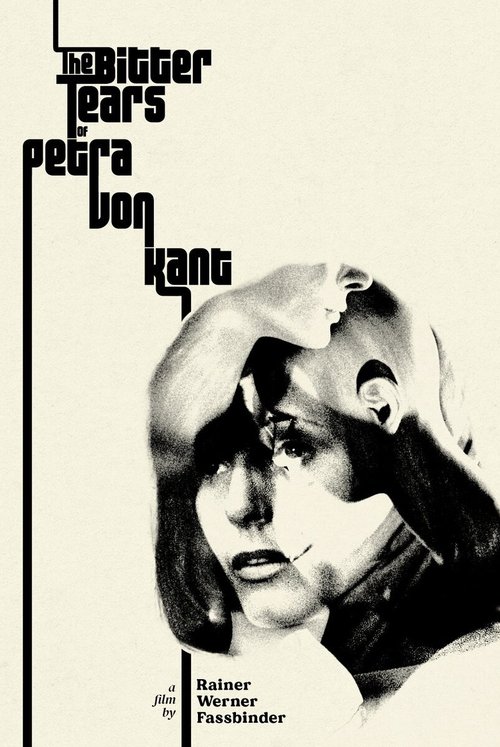
The Bitter Tears of Petra von Kant1972
Same director, same era, same obsession with how society uses women against themselves. This is Fassbinder exploring the architecture of female entrapment from a different angle.
Fassbinder's own earlier film about power, desire, and how women wound each other. It shares Effi's bone-deep understanding that the cruelest social machinery is often operated by other women. Confined setting, female-centered, devastating.
But It's entirely set in one apartment and is even more formally experimental than Effi—long takes, theatrical staging, dialogue-driven rather than plot-driven.
More like this (8)
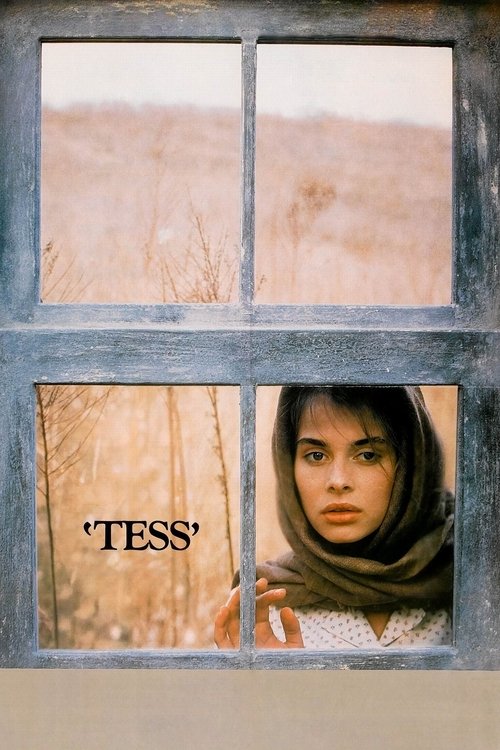
Tess1979
Polanski's adaptation of Hardy is obsessed with how a good woman gets branded for a single transgression. The visual beauty contrasts with the relentless social machinery destroying her—exactly Fassbinder's tactic.
But It's more romantic and visually sumptuous than Effi, which might undercut the cold clarity you get from Fassbinder's aesthetic.
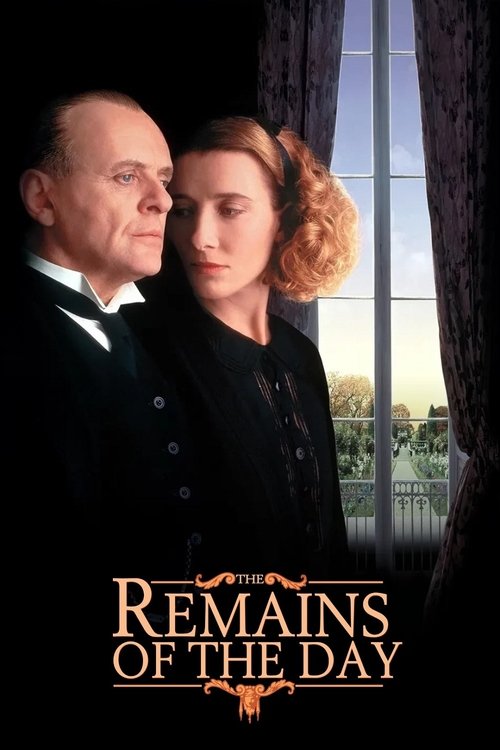
The Remains of the Day1993
Ivory and Merchant's film, like Effi Briest, is about people who follow the rules so perfectly they sacrifice everything. Stevens' repression parallels Effi's trapped politeness, both tragic in quiet ways.
But It's set among the English servant class and aristocracy rather than 19th-century Prussia, and it's far more restrained in its emotional expression.
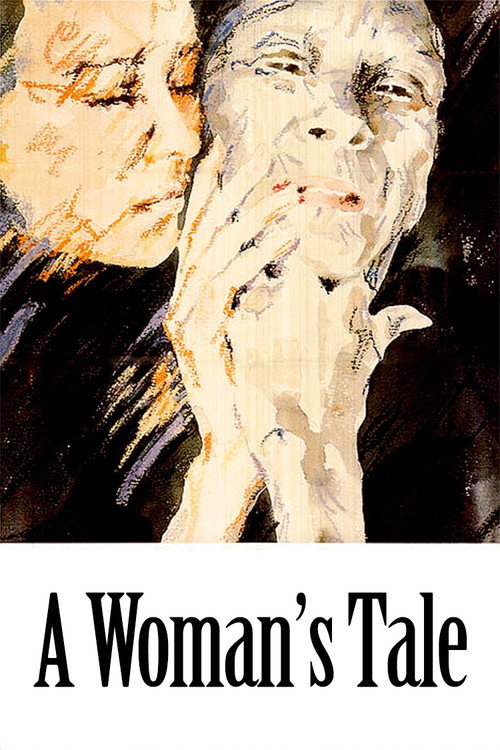
A Woman's Tale1991
Paul Cox's film about aging, regret, and the life not lived captures the same retrospective dread. Sheila Florance plays a woman looking back at compromises and what she sacrificed.
But It's Australian, contemporary, and much quieter—the registers are different enough that the connection might feel tenuous.
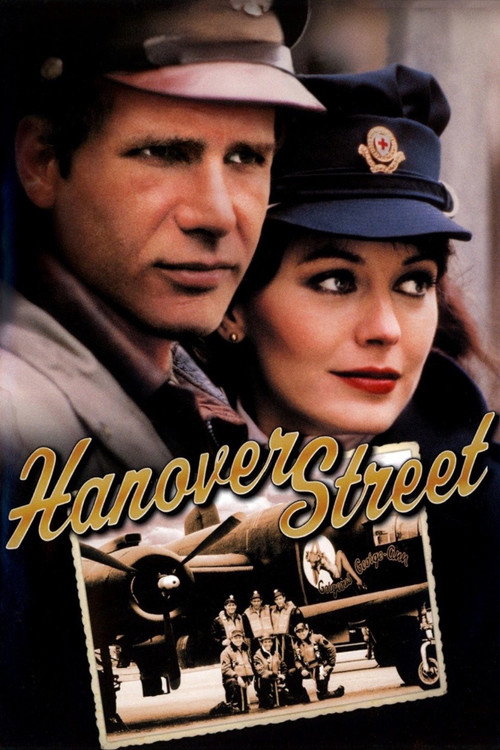
Hanover Street1979
Not well-regarded, but this melodrama about a woman torn between two men and the cost of her choice has real emotional stakes. The film's earnestness about female desire and its punishment mirrors Fassbinder's concerns.
But It's a middling '70s romantic thriller that lacks the formal precision and moral rigor that makes Effi transcendent.
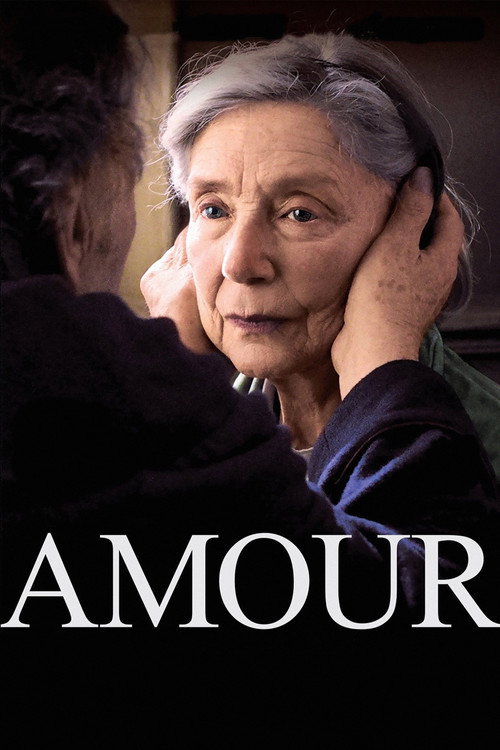
Amour2012
Haneke's film shares Fassbinder's refusal to look away from human suffering or soften it with sentiment. Both are about watching someone trapped, powerless, as life narrows.
But This is about elderly spouses and dementia, not social judgment. The emotional texture is different, and it's even more austere than Effi Briest.
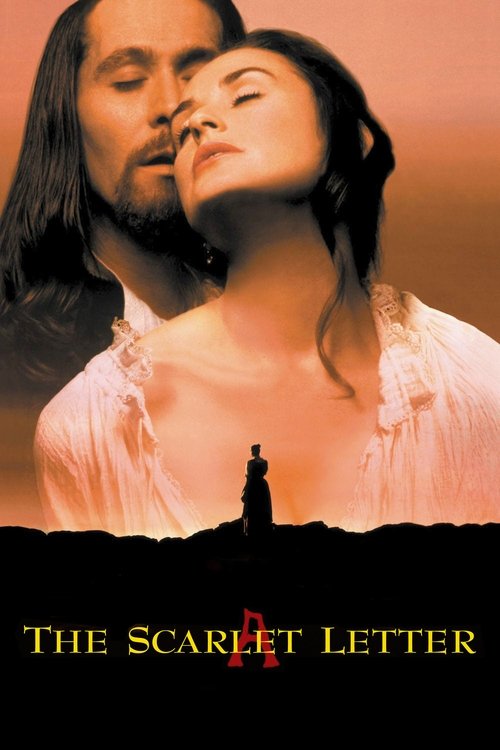
The Scarlet Letter1995
Demi Moore's film, flawed as it is, tries to reckon with how society brands and abandons women. It shares Effi's skeleton: transgression, judgment, exile from society and self.
But It's a loose adaptation with '90s sentimentality, and it has little of the formal intelligence or emotional precision that makes Fassbinder's work endure.
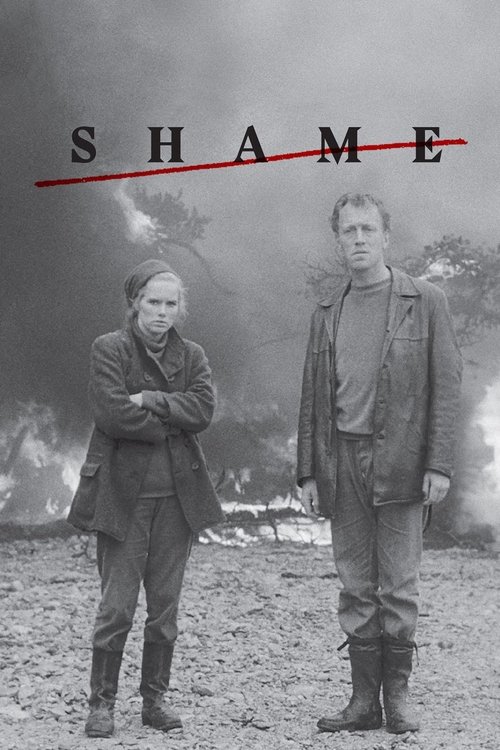
Shame1968
Both films watch carefully as people lose themselves to forces beyond their control. Both understand shame not as individual failing but as social consequence. Both are formally precise about psychological ruin.
Bergman's masterwork about a couple's life disintegrating during war. Like Effi Briest, it's about the public and private collapsing into each other, about how external judgment becomes internalized devastation. Unbearable and brilliant.
But It's abstract, metaphysical, and emotionally wintry in ways that feel entirely different from the 19th-century specificity of Fontane's world.
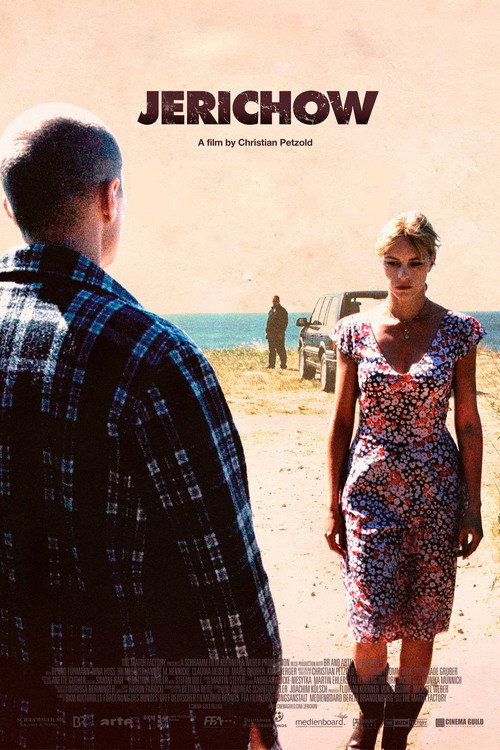
Jerichow2008
This is Fontane's narrative remade for now, suggesting that the mechanisms of shame and social punishment haven't changed. A direct lineage that shows why Effi Briest still matters.
Christian Petzold's modern-day reworking of Fontane's *Effi Briest*. A man, a woman, and her husband; desire in a small town; the slow revelation of consequences. It's the novel transported to contemporary Germany, proving the tragedy isn't period-bound—it's structural.
But Knowing it's a reworking might spoil the discovery. It's also quieter, more contained, and has none of Effi's 19th-century visual texture—which is precisely why it works.
People
Cast
 Hanna SchygullaEffi Briest
 Wolfgang SchenckBaron Geert von Instetten
 Ulli LommelMajor Crampas
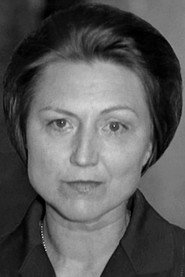 Lilo PempeitFrau Briest
- Herbert SteinmetzHerr Briest
- Ursula SträtzRoswitha
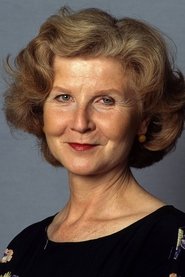 Irm HermannJohanna
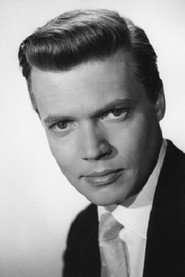 Karlheinz BöhmWullersdorf
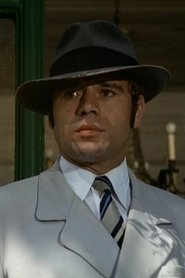 Karl ScheydtKruse
 Barbara LassKöchin
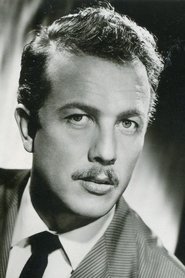 Rudolf LenzGeheimrat Rummschüttel
- Andrea SchoberAnnie
Directing
- Fritz Müller-ScherzAssistant Director
- Rainer LanghansAssistant Director
- Rainer Werner FassbinderDirector
Writing
- Theodor FontaneNovel
- Rainer Werner FassbinderScreenplay
Production
- Rainer Werner FassbinderProducer
- Christian HohoffUnit Manager