
Film
La Grande Bouffe
- Dark comedy
- Social drama
- Strange
Four affluent men retreat to a villa with an explicit death wish—to eat themselves to oblivion. Marco Ferreri's 1973 provocation is grotesque, darkly funny, and weirdly tender; a satirical autopsy of masculine friendship, capitalism, and the void beneath bourgeois comfort. It's challenging cinema that refuses easy answers or comfort.
Should you watch it?
Watch it if you enjoy bitter, gleefully outrageous satire that treats appetite as a philosophy, would rather provoke you than comfort you, and can laugh at the grotesque without flinching.
Skip it if you need a plot that moves, since this is largely repetitive episodes of gluttony, and its coarse, deliberately repellent imagery may simply exhaust or disgust you.
What it asks of you: Two hours and ten minutes of deliberately excessive viewing; the mood lurches from farce to sour, clinical unease, and it expects you to stay put through the discomfort.
Not sure? Find tonight's pick in a minute.
If you liked this
Stalker1979
Andrei Tarkovsky's meditative sci-fi masterpiece about desire, meaning, and the things we pursue. Shares La Grande Bouffe's fascination with how men self-destruct through their own longings, but wraps it in philosophical beauty rather than grotesque comedy.
But Nearly three hours of deliberate pacing and long takes. If you need plot momentum or answers, this will frustrate you profoundly.

Contempt1963
Godard's film about art, marriage, and masculine ego collapsing under its own weight. Like Ferreri, he finds dark comedy in watching intelligent men sabotage themselves through pride and desire. Visually stunning and endlessly quotable.
But Self-consciously intellectual and formally experimental. It makes you work for meaning; some find that exhilarating, others exhausting.

The Seventh Seal1957
Bergman's masterwork about mortality, meaning, and men confronting the void. Both films use extreme scenarios to ask: what do we do when we finally admit life might be pointless? Extraordinarily human despite its gravity.
But Swedish existentialism from the 1950s. If medieval plague imagery and philosophical dialogue feel like homework, skip it.

Not sure tonight? Get a pick in a minute, starting from La Grande Bouffe
The wildcard
Something you would not have found on your own.
Synecdoche, New York2008
Both use escalation and excess as metaphors for existential despair; both are about intelligent men who can't stop themselves; both refuse a clear moral framework.
Charlie Kaufman's baroque, heartbreaking film about a theatre director creating a life-sized replica of New York inside a warehouse as his real life collapses. Like La Grande Bouffe, it's about men who can't stop creating their own destruction through appetite—here, the appetite for meaning and control.
But Confusing, exhausting, deliberately hard to follow. Some viewers find it self-indulgent and pretentious. You need to surrender to its logic or it'll frustrate you.

More like this (6)
Salò, or the 120 Days of Sodom1976
Pasolini's final, most notorious film—a descent into systematic debasement that uses excess as political critique. Like La Grande Bouffe, it asks what happens when privilege becomes pure appetite, though its answer is far darker.
But Genuinely difficult to watch. Extreme sexual and scatological content. This is cinema as assault, not entertainment.
A Serious Man2009
The Coen Brothers' blackest comedy about a man's life imploding through accumulated small humiliations. Shares the film's gallows humour and its conviction that modern life is fundamentally absurd and isolating.
But Deliberately frustrating. Nothing resolves satisfyingly. If you need narrative catharsis, this will leave you angry.
The Rules of the Game1939
Renoir's sweeping ensemble film about desire, class, and the rituals that barely contain human chaos. Both examine masculine friendship and appetite with affection and clarity, though this one is far more romantically generous.
But Slow by modern standards and structurally complex. You need to follow multiple plotlines across a long evening.
Better Late Than Never2016
Adam Curtis's essay-film about political corruption, desire, and the West's inability to stop self-destructing. Not narrative, but thematically twins with Ferreri: powerful men, appetite, the slow motion crash of civilisation.
But A 3-hour essay without conventional storytelling. Heavy on voiceover and archival footage. You're reading more than watching.
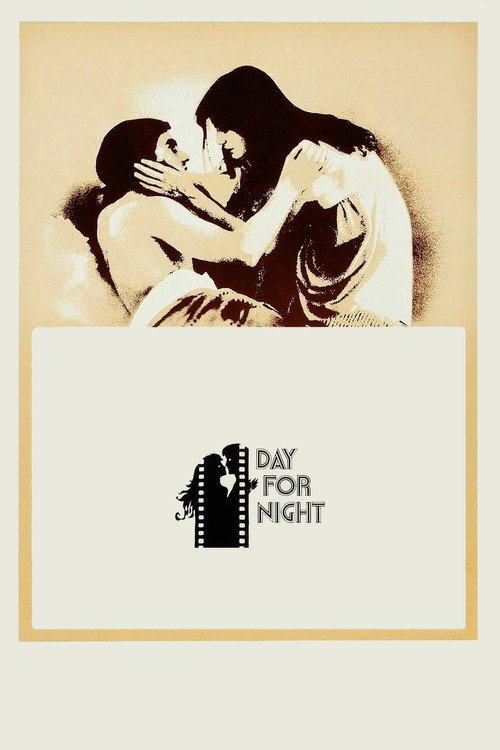
Day for Night1973
Truffaut's love letter to cinema itself, about a film crew on the verge of collapse. Less transgressive than Ferreri, but equally fascinated by how male ego, desire, and artistic ambition tangle and destroy.
But More sentimental than La Grande Bouffe. If you want cinema that bites, not caresses, this might feel too cosy.
The Leopard1963
Both are about men watching their own world end—but Visconti finds beauty in the decay where Ferreri finds absurdity and disgust. Same subject, opposite registers.
Visconti's epic about Sicilian aristocracy in decline. Slow, impossibly beautiful, built on the idea that the wealthy and powerful are doomed by their own nature and moment in history. A meditation on decay, appetite, and the death of a world—but rendered as tragedy rather than grotesque comedy.
But Three-hour Italian epic from 1963. Glacial pacing, political complexity, and a genuine sense that nothing matters. The opposite of accessible.

People
Cast
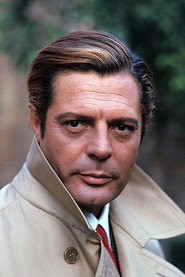 Marcello MastroianniMarcello
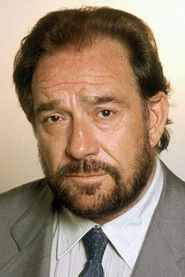 Ugo TognazziUgo
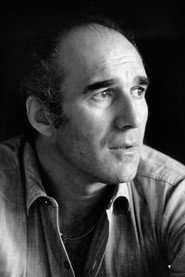 Michel PiccoliMichel
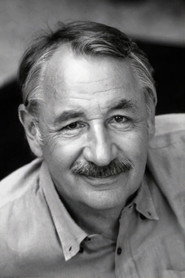 Philippe NoiretPhilippe
 Andréa FerréolAndrea
- Solange BlondeauDanielle

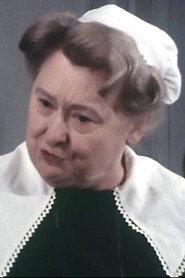 Michèle AlexandreNicole
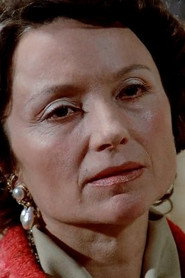 Monique ChaumetteMadeleine
- Henri PiccoliHector
Directing
- Marco FerreriDirector
Writing
- Francis BlancheScreenplay
- Marco FerreriScreenplay
- Rafael AzconaScreenplay
Production
- Vincent MalleProducer
Recommended by
The Trip, Boudu Saved from Drowning, Carnival Eats, The Supersizers Go...