
Film
Angst
- Slasher
- Serial killer
- Crime thriller
- Very dark
Angst is a 1983 Austrian horror-thriller that follows a released convict stalking a family in their isolated home. It's a visceral, deeply uncomfortable descent into predatory violence—more unsettling mood piece than plot-driven thriller. Shot with claustrophobic precision, it's for viewers who can stomach intimate brutality without flinching or looking away.
Should you watch it?
Watch it if you want a cold, airless exercise in style where the camera rides inside a killer's head and the voiceover reads like a confession you can't look away from.
Skip it if you need horror to come with some air, humour or safety; this has almost none, and its violence never lets up long enough to breathe.
What it asks of you: Seventy-five minutes, most of it spent in tight, unbroken pressure; the pace barely eases, the dialogue is sparse, and the viewer is kept uncomfortably close throughout.
Not sure? Find tonight's pick in a minute.
If you liked this
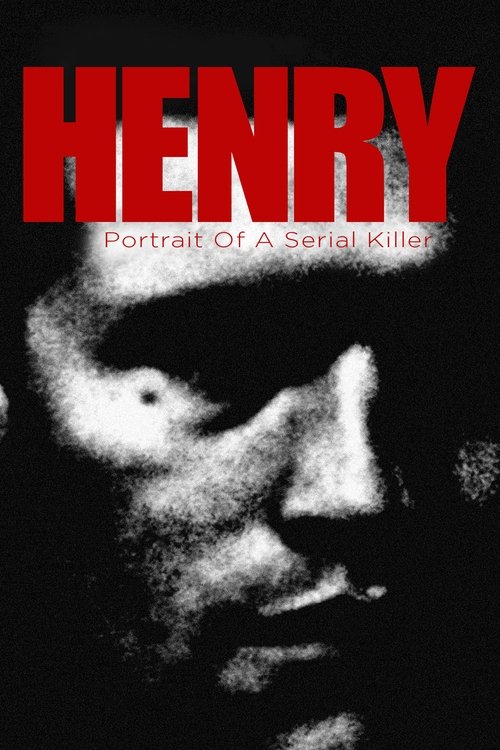
Henry: Portrait of a Serial Killer1986
Raw, unflinching chronicle of a real killer's mundane cruelty. Uses found-footage style to place you inside a psychopath's perspective with no editorializing or catharsis. A companion piece to Angst's moral bleakness.
But Graphically violent and relentlessly bleak. No character to root for, no redemption, no relief. Some will find it exploitative rather than illuminating.
Come and See1985
Belarusian masterpiece that puts the viewer inside an atrocity with the same unflinching camera as Angst. Visually ravaging, morally serious, impossible to shake. A film of true consequence.
But Graphic depictions of violence and suffering on an overwhelming scale. Slow in places, requiring patience. Not entertainment—ordeal.

A Prophet2009
French prison drama that explores how violence shapes character in confined, inescapable spaces. Methodical, tense, with a protagonist whose evolution is genuinely unsettling. Shares Angst's focus on predatory psychology.
But Nearly 2.5 hours. Subtitled. Spare on plot, heavy on atmosphere and power dynamics that develop gradually rather than explode.

Not sure tonight? Get a pick in a minute, starting from Angst
The wildcard
Something you would not have found on your own.
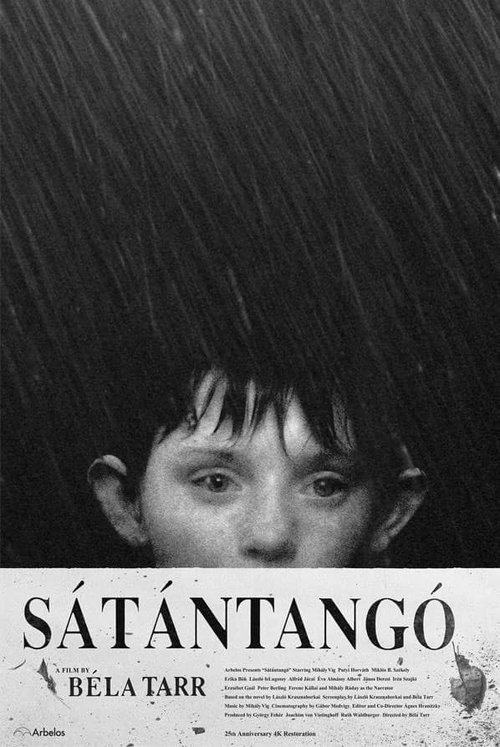
Satantango1994
Both are unsparing studies of predators within closed systems. Where Angst is a visceral sprint through one night, Sátántangó is a philosophical marathon about how evil operates through systems and psychology rather than just moments of violence.
Béla Tarr's 7.5-hour Hungarian masterpiece about predatory men exploiting vulnerable people in a collapsed community. Slow, hypnotic, utterly precise about power, desperation, and moral collapse. A different register entirely—glacial where Angst is frenetic—but identical in its pitiless examination of exploitation.
But Seven and a half hours of black-and-white images with minimal dialogue. Demands absolute attention. No conventional narrative payoff. A genuine commitment required.
More like this (8)
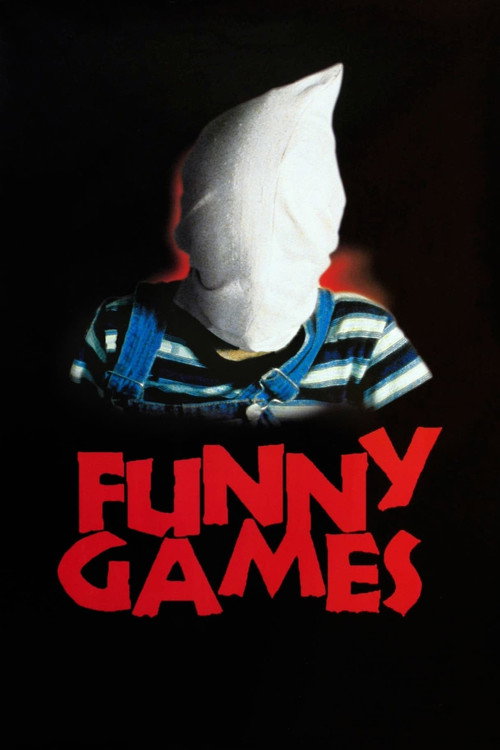
Funny Games1997
Austrian home-invasion thriller that deconstructs the violence Angst commits to. Two killers torment a family while directly addressing the audience. Brilliant, infuriating, impossible to ignore.
But Deliberately antagonistic to the viewer. Uses violence not to thrill but to implicate you in enjoying it. Some find it preachy or unbearably tense.
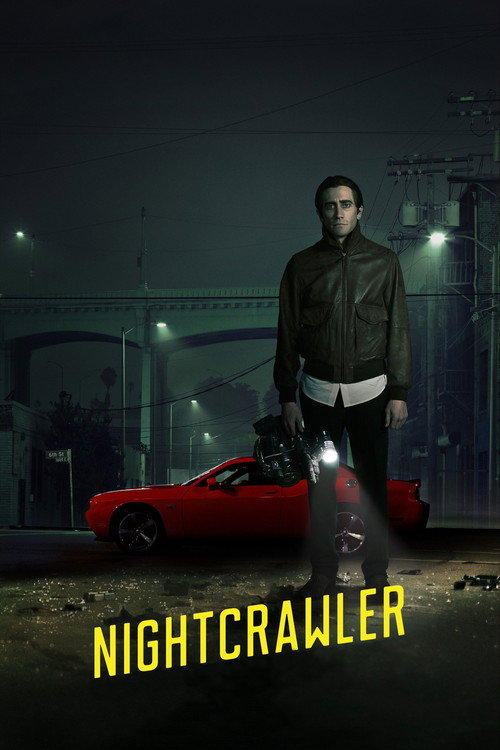
Nightcrawler2014
Jake Gyllenhaal as a sociopath pursuing violent footage in LA. Like Angst, it's a study of detachment and predatory hunger, but through a modern lens of media and ambition. Equally unsettling, less gore.
But Morally murky without offering clarity. Slow-burn thriller that prioritizes atmosphere over plot. The protagonist is repellent without being visually transgressive.
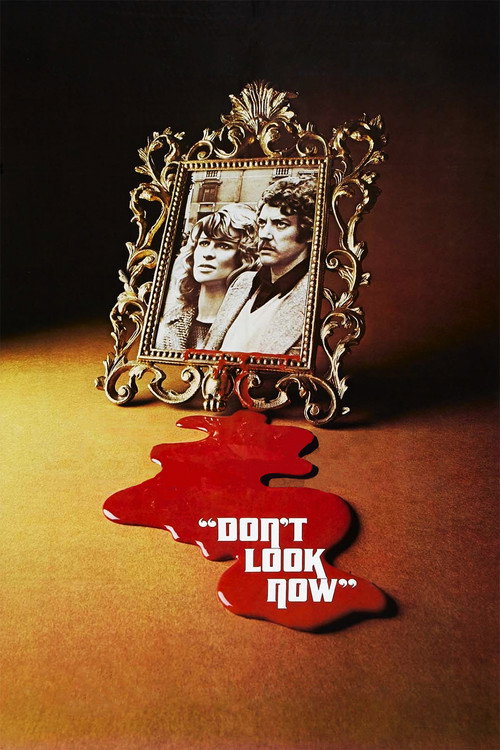
Don't Look Now1973
Roeg's masterpiece about surveillance, suspicion, and male vulnerability. Venice becomes a trap as paranoia closes in. The same precision of dread as Angst, but psychological rather than visceral.
But Slow, oblique storytelling. Its famous sex scene overshadows the thriller, which may feel dated to modern viewers expecting conventional narrative momentum.
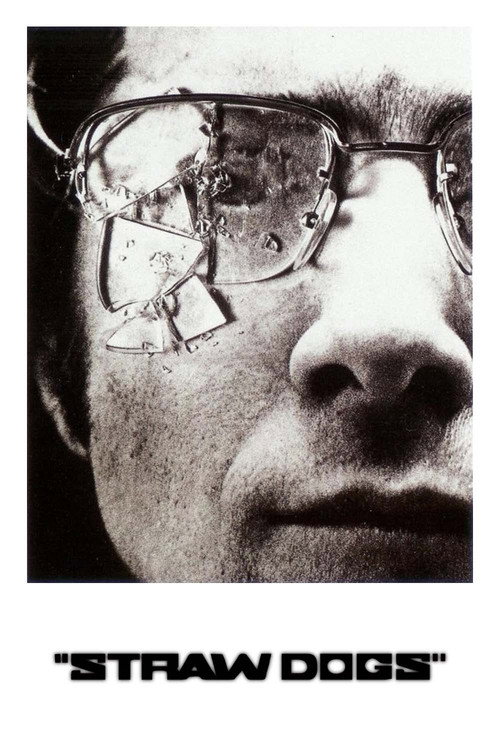
Straw Dogs1971
Peckinpah's brutal home-invasion film where ordinary men become violent when their domestic space is violated. Shares Angst's fascination with how civilisation crumbles under pressure and transgression.
But The sexual violence is graphic and the film's gender politics are troubling even by 1971 standards. Some will find it more exploitative than insightful.
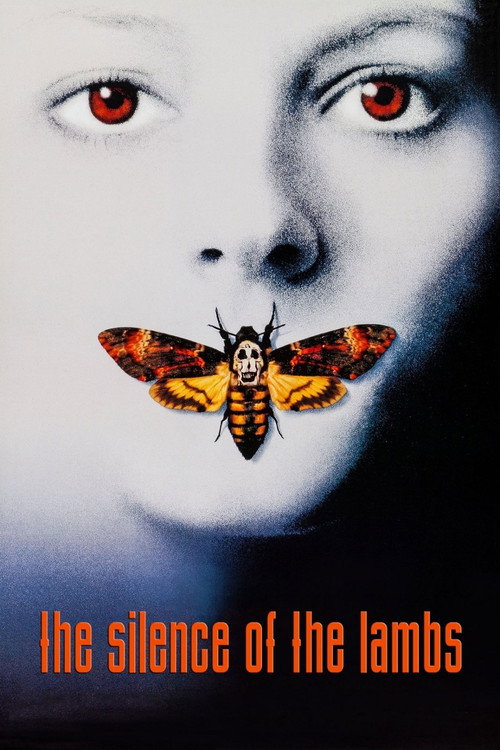
The Silence of the Lambs1991
Hannibal Lecter and Buffalo Bill: two faces of predatory psychology. Like Angst, it's a clinical examination of killers, though here we're on the hunter's side. Masterfully constructed psychological thriller.
But Famous enough that twists are spoiled. Serial killer as genius antihero can feel romanticised. Less raw than Angst—more polished Hollywood product than authentic dread.
Possession1981
Andrzej Żuławski's Polish horror about a marriage collapsing into baroque violence and transgression. Shares Angst's commitment to showing psychological rupture through visceral, uncompromising cinema.
But Surreal and deliberately difficult. Badly dubbed, structurally chaotic. Feels more like an avant-garde endurance test than a conventional thriller.

Memories of Murder2003
Both examine how violence reveals character and system simultaneously. Angst shows the killer; Memories of Murder shows the whole machinery of violence—legal, social, psychological—that creates and contains him.
Bong Joon-ho's Korean serial killer investigation that mirrors Angst's moral ambiguity: the police themselves become brutal, arbitrary, lost in a system that generates violence as much as it polices it. Technically brilliant, morally complex, darkly funny.
But Subtitled. Two and a half hours. The ending is deliberately frustrating. Some find the tonal shifts between horror and dark comedy jarring.

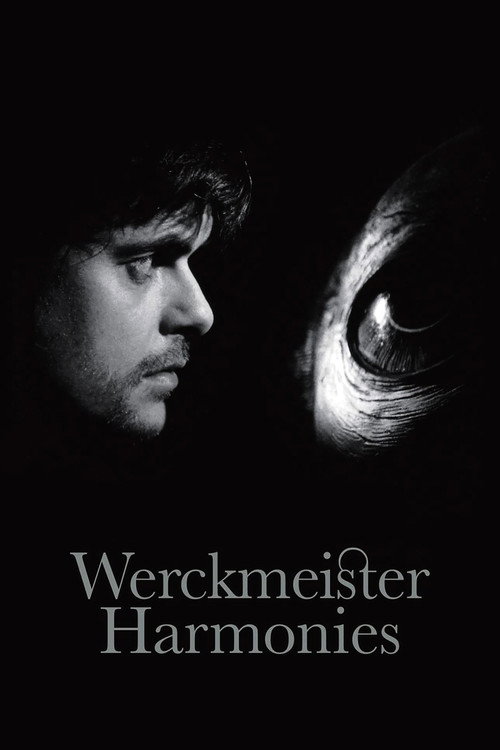
Werckmeister Harmonies2001
Both trace how predatory impulses move through spaces and communities. Where Angst is singular and intimate, Werckmeister Harmonies is collective and ambient, but both ask: what happens when the thin layer of social order vanishes?
Another Béla Tarr, but radically different from Sátántangó. A mysterious whale arrives in a provincial Hungarian town, and the community descends into mob violence and predatory chaos. Like Angst, a study of how quickly civilisation crumbles, but filtered through dreamy, almost abstract imagery rather than kitchen-sink realism.
But Black-and-white, slow, elliptical. The connection between events feels dreamlike and opaque. Not a thriller—an atmosphere, a dread, sometimes baffling.
People
Cast
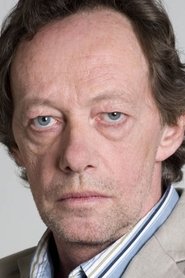 Erwin LederPsychopath
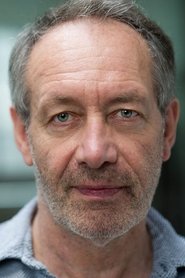 Robert Hunger-BühlerPsychopath (voice)
 Silvia RabenreitherDaughter
- Karin SpringerDaughter (voice)
- Edith RossetMother
- Josefine LakathaMother (voice) / Passer-by
- Rudolf GötzSon
- Renate KastelikTaxi Driver
- Hermann GroissenbergerGuest at café
- Claudia SchinkoGuest at café
- Beate JurkowitschGuest at café
- Rosa SchandlWaitress at café
Directing
- Dusty SprengnagelAssistant Director
- Gerald KarglDirector
Writing
- Gerald KarglWriter
- Zbigniew RybczyńskiWriter
Production
- Hermann GroissenbergerDevelopment Producer
- Gerald KarglProducer
- Josef Reitinger-LaskaProducer
Recommended by
Flirting, Guinea Pig Part 2: Flower of Flesh and Blood, Carrie, A Boy's Life, We Are the Flesh, Baskin, Ratsasan, Carved: The Slit-Mouthed Woman, Delirious, Anjathe, Iravin Nizhal, Saansein: The Last Breath, Khel Khel Mein, The Masque of the Red Death, Faraar