
Film
Anjathe
Anjathe is a Malayalam crime drama about two friends whose lives take sharply different paths. One becomes a police officer; the other spirals into drink and violence. When their fortunes reverse, the film explores how easily power corrupts and how fragile identity becomes. It's a tense, character-driven story with real stakes and a willingness to let its protagonist be genuinely complicated.
Should you watch it?
Watch it if you enjoy Tamil police dramas where a loyal friendship is tested by ambition and a badge, and where the drama of two men's rivalry matters as much as the fights.
Skip it if you want a tight runtime or find brawl-heavy masculine swagger wearing thin, because at over three hours its loose stretches can feel indulgent.
What it asks of you: Settle in for over three hours, with a slow build in the friendship before the violence arrives in bursts.
Not sure? Find tonight's pick in a minute.
If you liked this
Angst1983
Austrian proto-thriller about a young man just released from prison, cycling through rage and aimlessness. Claustrophobic, brutal, and uninterested in excusing its protagonist—much like Anjathe's refusal to make its anti-hero sympathetic.
But Deliberately bleak and repetitive in ways that feel punishing rather than enlightening. The 1980s aesthetic won't appeal to everyone, and the violence serves mood over plot.

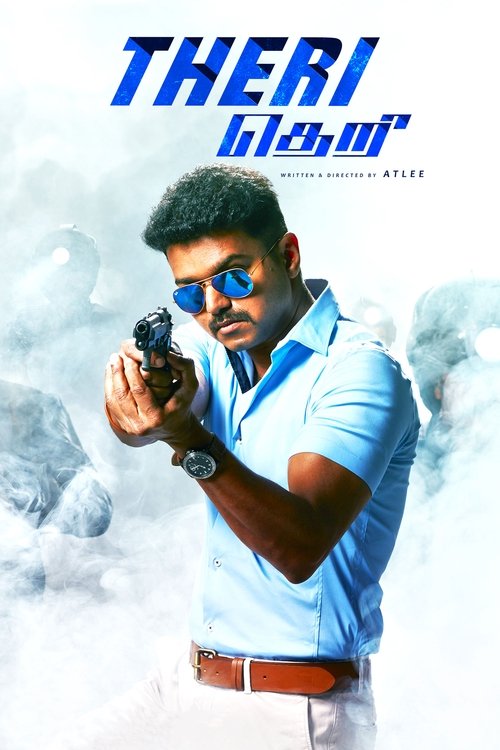
Theri2016
Tamil action-thriller about a man rebuilding his life, haunted by his criminal past. Features the same energy about male ego, the law, and how quickly circumstances can flip a life upside down as Anjathe does.
But Sprawling and uneven, with stretches where the melodrama overwhelms the tension. Some of the action sequences feel disconnected from the story.
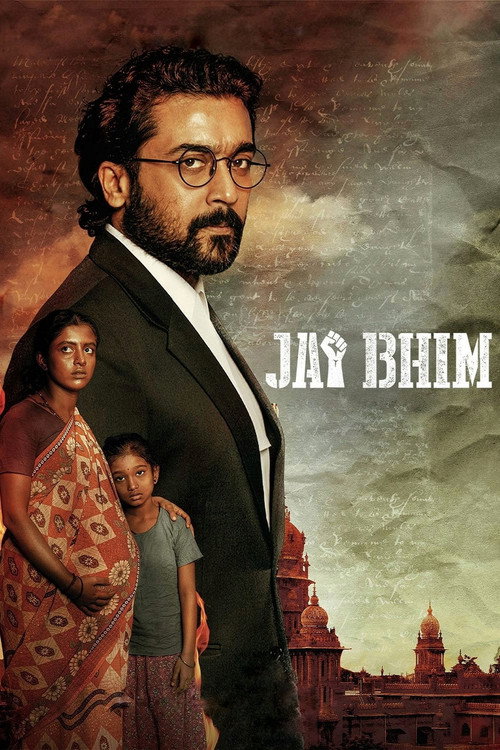
Jai Bhim2021
Tamil legal thriller about systemic corruption and police brutality. Like Anjathe, it shows how the institution of law can twist men's integrity. Gripping and visceral without feeling like a sermon.
But Nearly three hours long, and the courtroom sequences can feel static. Heavy subject matter—this isn't escapism, and it doesn't try to be.
Not sure tonight? Get a pick in a minute, starting from Anjathe
The wildcard
Something you would not have found on your own.
A Prophet2009
Both chart a man's corruption through systems he cannot escape. Both refuse the comfort of simple morality or a clean ending. Both understand that becoming what you despise is sometimes just one decision away.
French prison drama tracking a young man's transformation into a crime boss while locked away. Same year as Anjathe, same obsession with how institutions and circumstance forge identity—but seen from inside rather than outside, with documentary-level detail.
But Subtitled and deeply embedded in French criminal underworld logic. Nearly two-and-a-half hours of confinement with no heroics or redemption. Asks patience.

More like this (7)
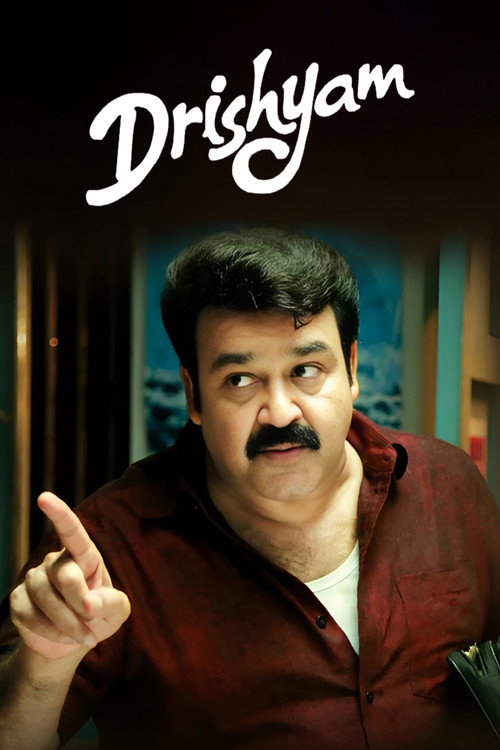
Drishyam2013
Malayalam thriller about an ordinary man forced to outwit the police. Shares Anjathe's fascination with how power dynamics shift and how quickly someone can become trapped by circumstance and their own choices.
But The twist-heavy plotting occasionally strains credibility. Feels more like a puzzle-box than a character study in places.
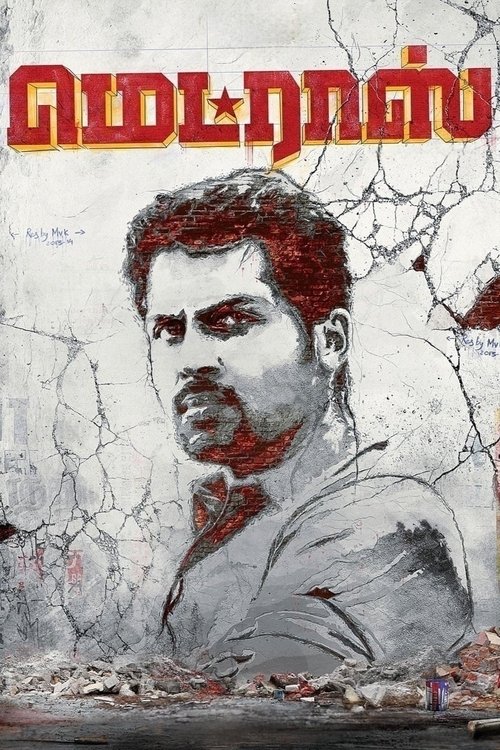
Madras2014
Tamil coming-of-age crime film about two boys from rival neighborhoods. Captures the same mix of youthful recklessness and brutal consequences that defines Anjathe's world.
But Slow in places, and the regional politics subplot will mean less if you're not familiar with Tamil Nadu history. Romance subplot feels half-formed.
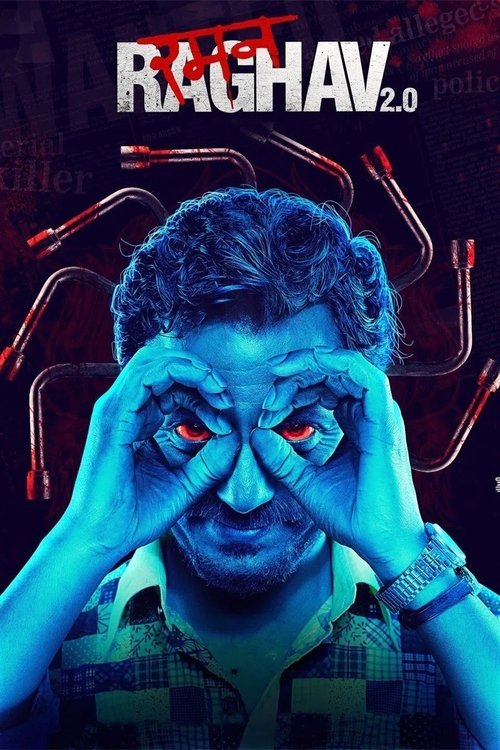
Raman Raghav 2.02016
Indian thriller about a cop and a serial killer with a twisted connection. Dense, morally murky, and interested in the psychology of men who've stopped believing in consequences.
But Deliberately disorienting direction and a narrative structure that obscures rather than clarifies. Not for viewers who want clarity or catharsis.
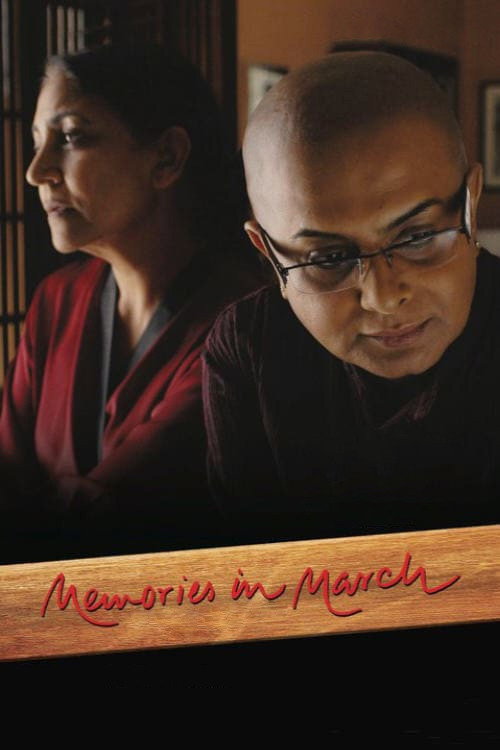
Memories in March2011
Indian drama about two men on opposite sides of the law and the assumptions we make about identity. Shares Anjathe's interest in how people contain multitudes and how quickly judgment hardens into cruelty.
But The tonal shifts between domestic drama and thriller don't always land. Some scenes feel more like therapy than cinema.
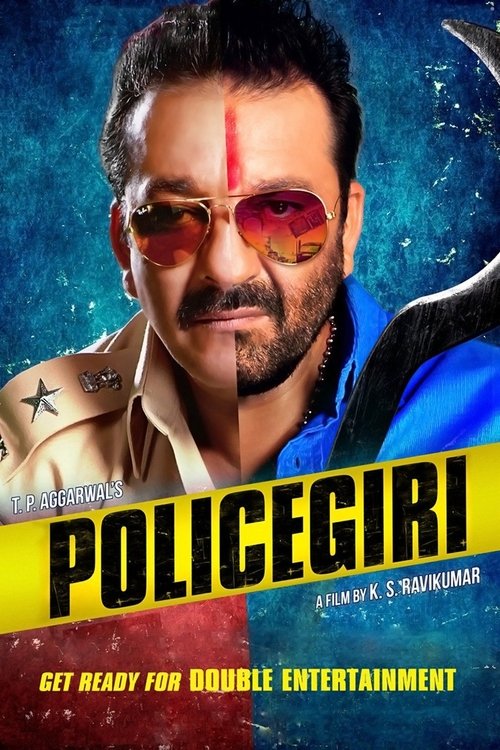
Policegiri2013
Kannada action film about a small-town policeman learning that the uniform doesn't automatically make you powerful or righteous. Fast-paced and entertaining.
But Less psychologically complex than Anjathe. The humor sometimes undercuts the drama, and it settles for being a fun film rather than pushing deeper.
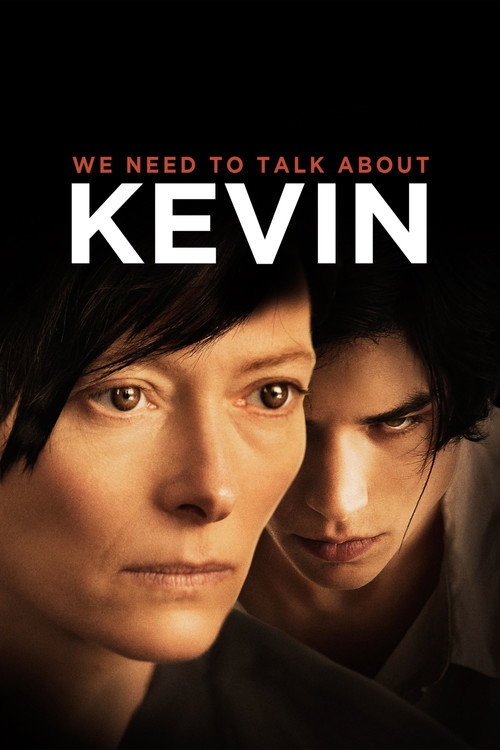
We Need to Talk About Kevin2011
Both ask: at what point does a man become responsible for himself? Both suggest the answer is complicated, and that judges and systems can't always sort it. Both use fractured storytelling to mirror fractured psyches.
A woman confronts her son after a catastrophic act of violence. Told in fractured time, it's a psychological thriller about complicity, inherited rage, and whether anyone is truly responsible for who they become. Not action—something harder.
But Aggressively non-linear and emotionally harrowing. No catharsis, and the ambiguity about blame will frustrate anyone needing clear answers. Difficult to watch a second time.
Branded to Kill1967
Both follow men caught between two worlds (criminal and lawful) who discover they belong fully to neither. Both are interested in performance and mask—how a man adopts a role until he can no longer tell the mask from the face. Both suggest that identity is something that happens to you, not something you choose.
Japanese New Wave noir about a hitman on the run after a job goes wrong. Surreal, kinetic, visually startling—it's watching a man's identity dissolve in real time. Made in 1967 but feels like it invented a language thriller directors still copy.
But Deliberately strange and often incomprehensible. Black-and-white, deliberately artificial sets and acting. If you want realism, this is its opposite. Meditative and bizarre rather than propulsive.

People
Cast
 NarainSathyavan a.k.a. Sathya
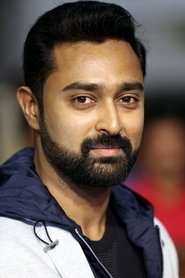 PrasannaDeena Dayalan
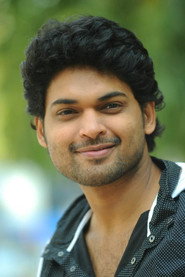 Ajmal AmeerKirubakaran a.k.a. Kiruba

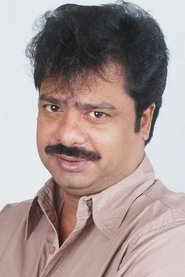 PandiarajanLoganathan
 LivingstonMasilamani
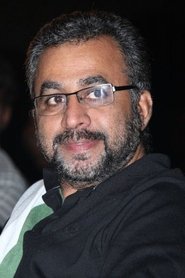 PonvannanKeerti Vaasan
- Bomb RameshKuruvi
- P. S. SridharSappai
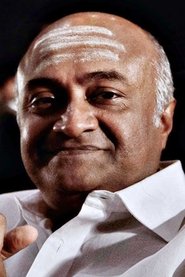 M. S. BhaskarLoganathan
 PriyaSathyavan's Mother
- JasperPolice Officer
Directing
- MysskinDirector
Production
- V. Hitesh JhabakProducer
Recommended by
Eeram, Kaatrin Mozhi, Iru Mugan, Jayam, Pasanga, Kadhal Konden, Kanchana, Pisaasu, Arunachalam, Mozhi, Thirumalai, Ghilli