
Film
Pisaasu
A Tamil-language haunted-flat thriller where a violinist begins experiencing supernatural phenomena after a woman dies in his building. Atmospheric and genuinely creepy, *Pisaasu* builds dread through sound design and unsettling imagery rather than jump scares. For viewers who want horror that trusts the audience to feel unease in silence.
If you liked this
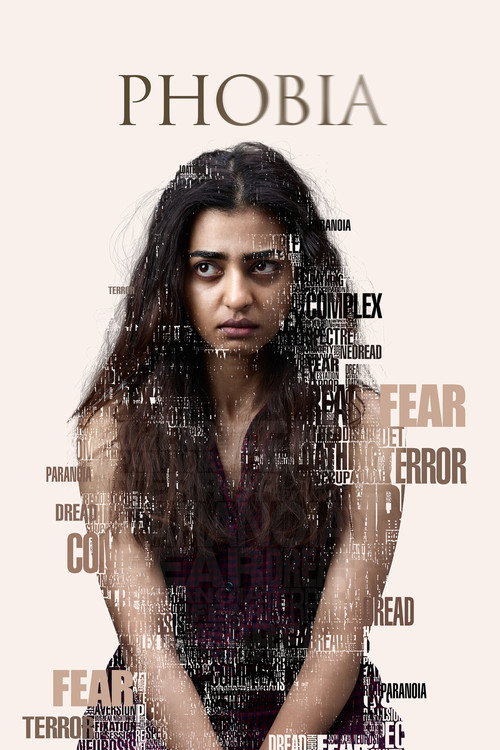
Phobia2016
A claustrophobic Indian horror about a woman trapped in a high-rise apartment with a supernatural presence. Masterful use of confined space and paranoia; shares *Pisaasu*'s willingness to let scenes breathe and terrify quietly.
But Slow-burn pacing means long stretches without plot movement. The emotional core requires patience before it lands.
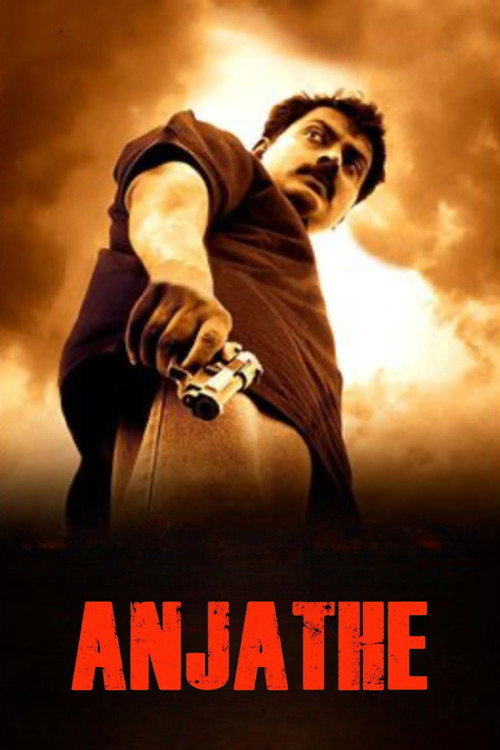
Anjathe2008
A Malayalam mystery-horror hybrid about a young couple's apartment slowly revealing dark secrets. Employs the same building-as-character concept and found-footage sensibility that makes *Pisaasu* so invasive and personal.
But The second half pivots toward melodrama in ways some viewers find tonally jarring. Subtitled for non-Malayalam speakers.
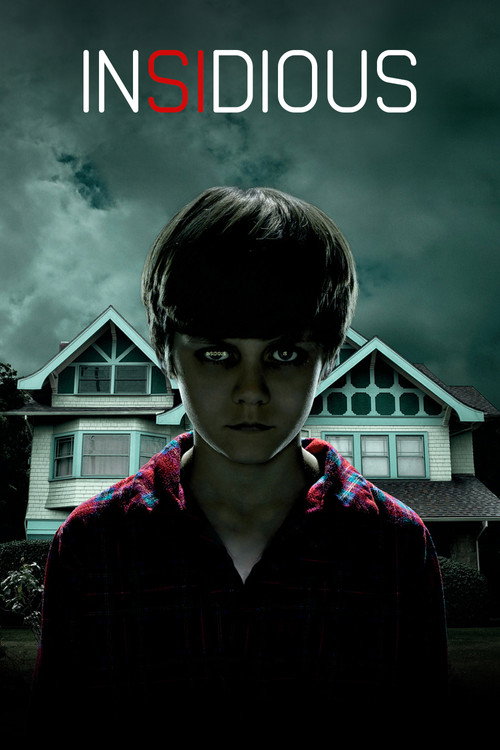
Insidious2011
Atmospheric American haunting that prioritizes sound and suggestion over gore. James Wan's restraint mirrors *Pisaasu*'s approach—the horror lives in what you sense rather than what you see clearly.
But Relies on a jump-scare vocabulary that occasionally undercuts its own tension. The third act veers toward conventional supernatural action.
Not sure tonight? Get a pick in a minute, starting from Pisaasu
The wildcard
Something you would not have found on your own.
Synecdoche, New York2008
Both use a single space as psychological entrapment; both suggest the space itself has agency and memory; both end in moral ambiguity rather than resolution.
Charlie Kaufman's fever dream about a theatre director becoming trapped in his own creation—a haunted, recursive space that's alive and hostile. Like *Pisaasu*, the building itself is a character that gaslights its inhabitant; both films share the core idea that home becomes the most dangerous place.
But Not a horror film at all, but a dense philosophical puzzle. Two hours of abstraction without plot clarity exhausts many viewers immediately.

More like this (8)
The Wailing2016
A Korean mystery-horror that uses paranoia and spiritual ambiguity as its core engine. Like *Pisaasu*, it refuses to explain everything, leaving interpretation open and dread constant.
But Two hours forty-seven minutes of mounting unease with a deliberately oblique ending. Demands active engagement rather than passive consumption.

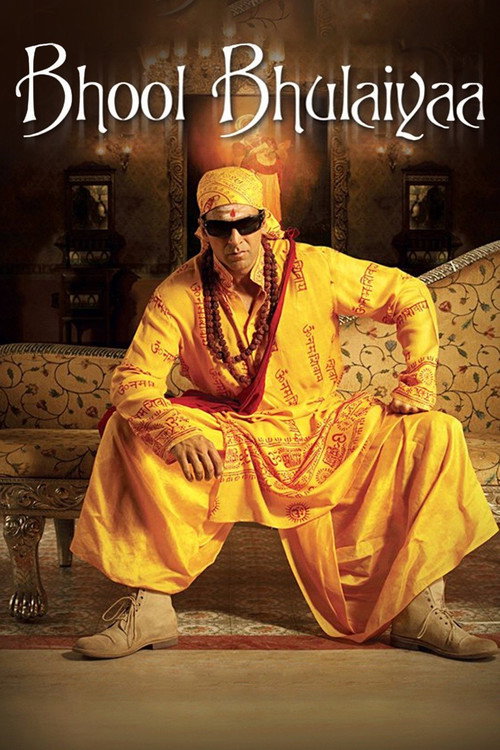
Bhool Bhulaiyaa2007
Hindi horror-comedy set in a haunted mansion with genuine scares alongside the humour. Shares the south Indian sensibility for weaving folklore and supernatural dread into domestic spaces.
But The tonal mix of scares and comedy doesn't always cohere. Feels dated in its visual effects by modern standards.
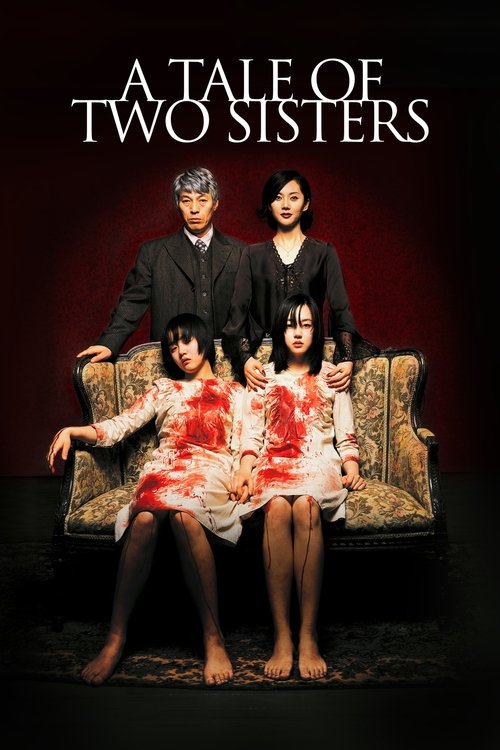
A Tale of Two Sisters2003
A Korean psychological horror about domestic dread and grief manifesting as supernatural terror. Uses colour and sound to create an almost unbearable sense of wrongness—the visual language of *Pisaasu* taken further.
But The twist recontextualizes everything in ways some find manipulative. Very slow; patience is mandatory.
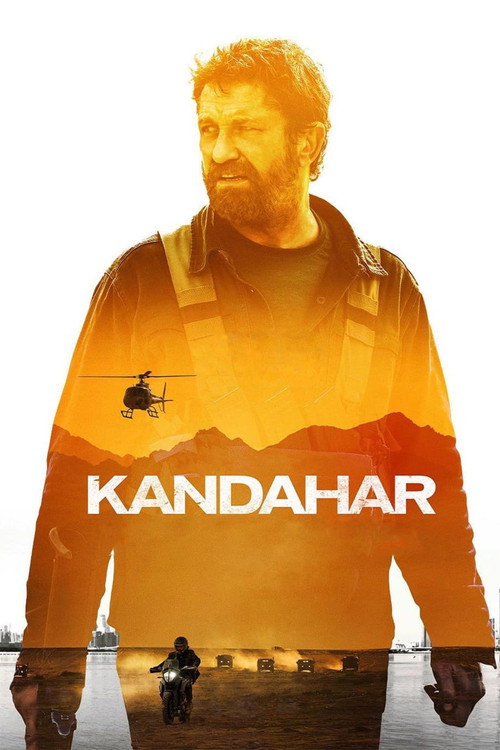
Kandahar2023
An Iranian sci-fi thriller with a paranoid, claustrophobic atmosphere despite its scale. Shares *Pisaasu*'s use of sound design and confined spaces to generate sustained dread rather than incidents.
But Not a horror film, which may frustrate viewers seeking scares. Political context-dependent; some may find the framing heavy-handed.
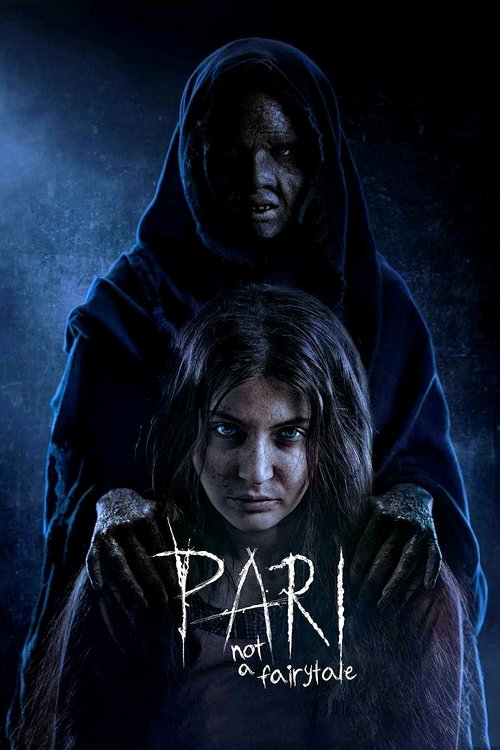
Pari2018
An Indian supernatural thriller that treats the paranormal with serious intent rather than spectacle. Anushka Sharma's performance anchors something genuinely unsettling; comparable commitment to atmosphere over plot.
But The narrative stretches thin. Relies on established tropes rather than finding new shapes for them.
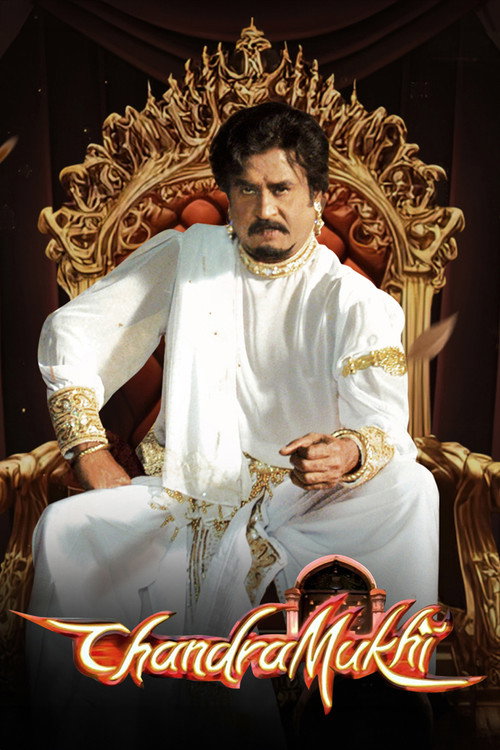
Chandramukhi2005
A Tamil horror-thriller about a possessed mansion and the psychology behind haunting. Early example of how south Indian cinema approaches supernatural material with theatrical intensity and local specificity.
But Dated effects and a tonal inconsistency between camp and genuine menace. Some viewing required to appreciate its era-specific choices.
Requiem for a Dream2000
Both films weaponize their aesthetic (sound in *Pisaasu*, sensory overload in *Requiem*) to make you feel invaded. Both treat the medium itself as a source of dread.
Darren Aronofsky's descent into addiction and delusion told through sound design and visual manipulation so aggressive it becomes its own form of haunting. The film itself becomes the malevolent presence, trapping you in its sensory assault the way *Pisaasu*'s spirit traps the violinist.
But Relentlessly bleak and punishing. The filmmaking style is deliberately unpleasant; endurance test rather than entertainment.

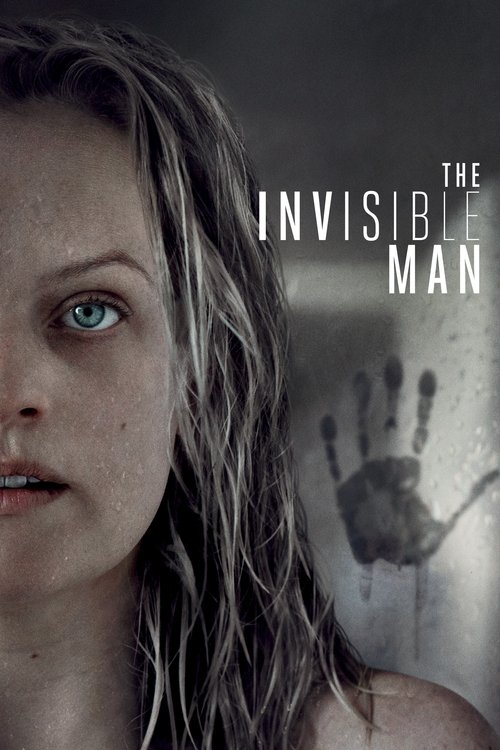
The Invisible Man2020
Both films locate true horror in the loss of sanctuary—a space you cannot escape because the threat is already inside it. Both use sound to signal danger.
A reimagined horror about an invisible threat within a domestic space—paranoia and surveillance as the real horror. Leigh Whannell's film, like *Pisaasu*, makes the unseen more frightening than the seen, and uses sound design as a weapon. Both are about violated privacy and spaces no longer safe.
But A contemporary socio-political allegory that prioritizes message over scares. Some viewers feel the subtext overwhelms the thriller mechanics.
People
Cast
- NagaSiddharth Soundarrajan
 Prayaga MartinBhavani
 Radha RaviBhavani's Father
 Kalyani NatarajanJanaki Soundarrajan
 Harish UthamanAngry husband
 Kani KusrutiAngry husband's wife
- AshvathBadri
 Vinodhini VaidyanathanMahesh's mother
- Nimmy RaphaelAavi Amala
- Siddhanth SawkarPlato
- A. Dinesh KumarMahesh's father
Directing
- MysskinDirector
Writing
- MysskinScreenplay
- Tamizhachi ThangapandianStory
Production
- BalaProducer
- R S VenkatProduction Manager