
Film
We Are the Flesh
- Body horror
- Very dark
- Strange
Emilio Benet Toledano's fever dream of survival and transgression. Two siblings stumble into a stranger's lair in a post-apocalyptic ruin, and what unfolds is a hypnotic, deeply unsettling meditation on desperation, bodily autonomy, and the price of safety. Experimental cinema that doesn't flinch.
Should you watch it?
Watch it if you want art-house horror that works through dread and bodily unease rather than explanation, and you can follow a story told mostly in images and held silences.
Skip it if you need a clear plot or a gentle tone; its violence is graphic and sexual, and its meaning stays deliberately murky even after the credits.
What it asks of you: Short at seventy-nine minutes, it is slow and static, with long frames and sparse dialogue that leave you to sit with each image.
Not sure? Find tonight's pick in a minute.
If you liked this
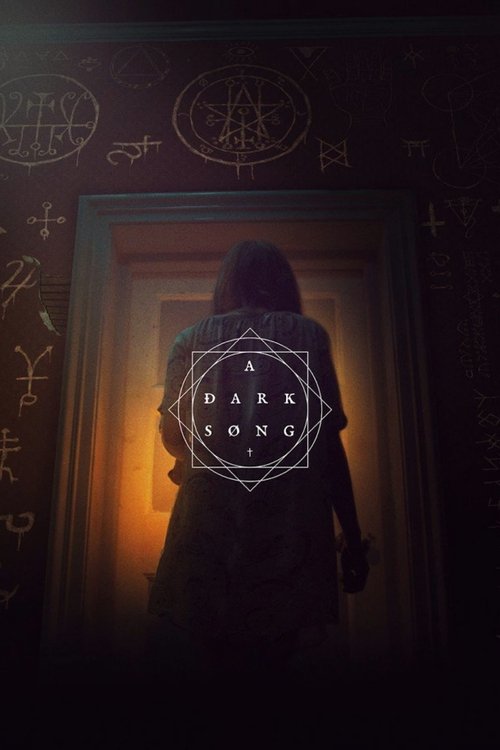
A Dark Song2016
A woman and a man in a house, isolation, ritual, vulnerability—the slow accumulation of dread and the search for transcendence through ordeal. It shares We Are the Flesh's willingness to sit with profound discomfort without looking away.
But It's deliberately slow and incantatory; if you want conventional narrative momentum, this will feel glacial and opaque.
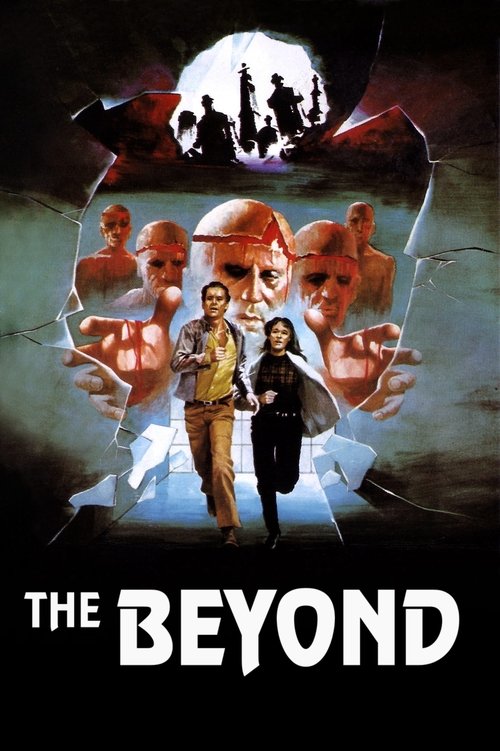
The Beyond1981
Lucio Fulci's apocalyptic nightmare operates on dream logic rather than plot. Inexplicable, grotesque, hypnotic—it prioritizes mood and visceral unease over coherence, and it'll haunt you for days afterward.
But The dubbing is jarring, the acting is deliberately artificial, and the narrative logic is deliberately incomprehensible if you're expecting realism.
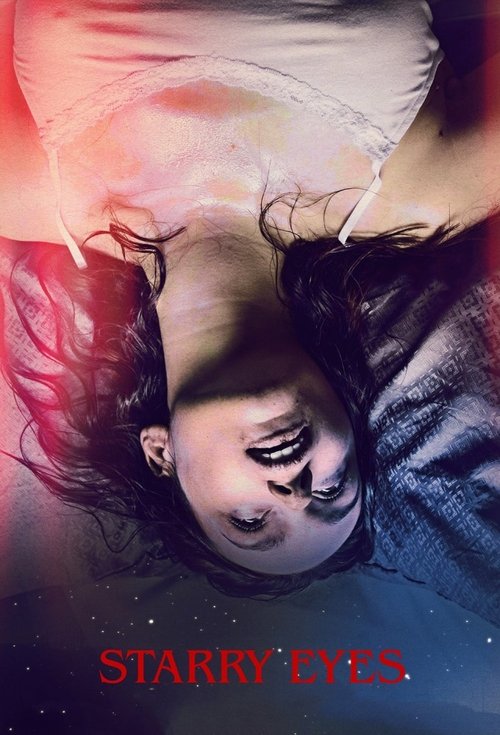
Starry Eyes2014
A woman sacrifices her body and agency in pursuit of survival and success. Like We Are the Flesh, it explores exploitation with unflinching attention to the body's degradation and the psyche's fracture.
But It's a slow-burn body horror film that doesn't offer catharsis or revenge—just the weight of compromise and ruin.
Not sure tonight? Get a pick in a minute, starting from We Are the Flesh
The wildcard
Something you would not have found on your own.
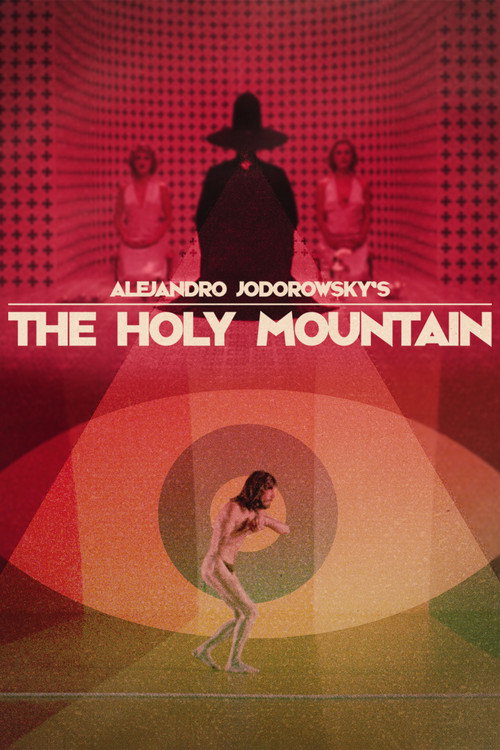
The Holy Mountain1973
Both are experimental films that weaponize the grotesque and the transgressive as genuine spiritual inquiry—they're transgressive not for shock value but as a form of seeking.
Jodorowsky's surrealist pilgrimage is pure visual alchemy—symbolic, transgressive, ecstatic. Like We Are the Flesh, it treats the body as a site of transformation and uses transgression as a path to enlightenment rather than mere provocation.
But It's nearly three hours of uncompromising visuals without conventional narrative. If you want story, you will be left behind.
More like this (8)
Come and See1985
Elem Klimov's Belarus War masterpiece is a non-narrative collapse into apocalypse. It shares the raw, unmediated assault on the viewer's nervous system that makes We Are the Flesh so bracingly difficult.
But It's genuinely one of the most traumatic films ever made. Not for a casual evening; bring real emotional reserves.

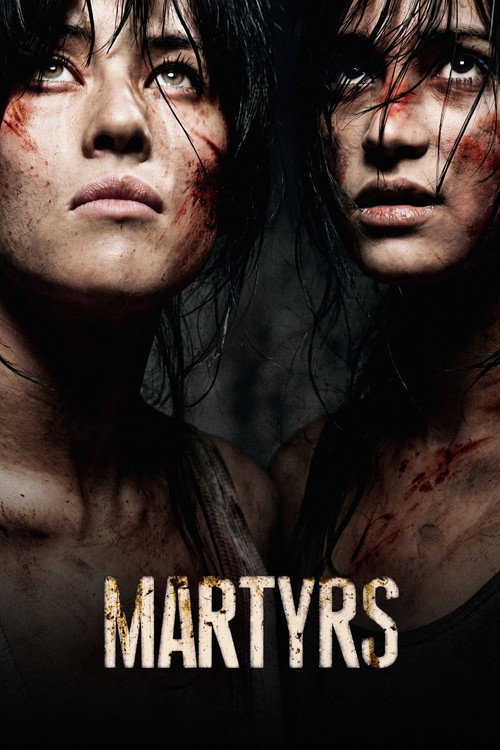
Martyrs2008
A chamber of horrors exploring suffering, belief, and the question of what lies beyond. French cinema at its most transgressive; it understands the film as an instrument of violation and revelation.
But Graphic, brutal, and intent on making you complicit in witnessing atrocity. It doesn't relent, and it doesn't care if you're comfortable.
Under the Skin2014
Jonathan Glazel's alien pastoral—a woman in a van, isolation, the consumption of bodies. Like We Are the Flesh, it's painterly and oblique, prioritizing texture and dread over explanation.
But Glacially paced with long sequences of dialogue-free observation. If you need plot, this will feel like an endurance test.

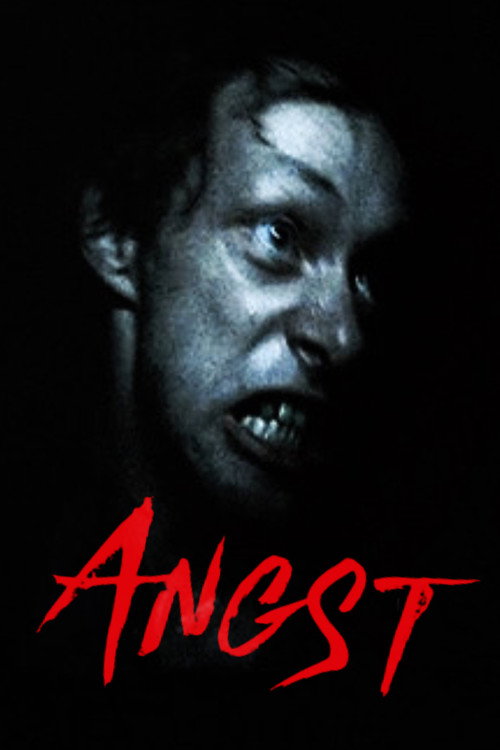
Angst1983
A claustrophobic descent into madness shot from inside a killer's fractured perspective. It shares We Are the Flesh's unflinching visual approach and its interest in confinement as psychological collapse.
But It's a serial killer film made by an art-house provocateur. The handheld camera work is intentionally nauseating; some will find it unwatchable.
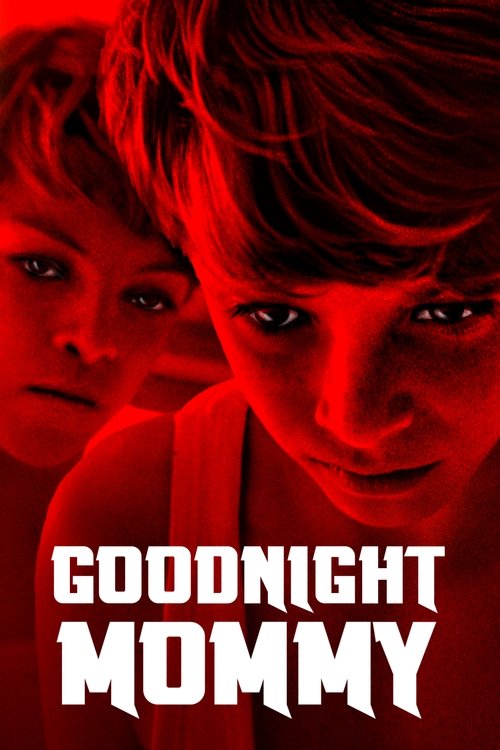
Goodnight Mommy2015
Two children and a post-surgical mother in a minimalist house. The air turns poisonous. Austrian body-horror cinema that trusts silence and dread and subverts family myths with surgical precision.
But It's deliberately airless and cruel, and the twist will feel mean-spirited if you're not prepared for genuine darkness dressed as family drama.
Possession1981
Andrzej Żuławski's apocalyptic marital nightmare—bodies in boxes, isolation, contagion. A cult film that understands visceral disorder as emotional truth, chaos as the only honest response.
But It's bewildering and deliberately incoherent. The violence is shocking rather than sensationalized, which some readers will find exhausting rather than clarifying.

Mulholland Drive2001
Both films treat narrative as unreliable, using fragmentation and surreal logic to capture the feel of psychological dissolution rather than its literal chronology.
David Lynch's Hollywood nightmare operates in fragments and inversions. Like We Are the Flesh, it uses confinement, psychological fracture, and the blurring of identity to explore exploitation and the corruption of desire.
But It's a three-hour puzzle that refuses to cohere. The emotional payoff is ambiguous, and some sequences feel maddening rather than cathartic.

The Wailing2016
Both films weaponize ambiguity as moral and psychological horror—they refuse to clarify because reality, in their world, refuses to clarify.
Na Hong-jin's Korean horror-mystery is a labyrinth of interpretation and dread. It shares We Are the Flesh's interest in contagion, violation, and the question of whether safety is an illusion or a necessary delusion.
But It's two hours forty minutes of mounting paranoia with an ending that offers no resolution. Interpretations clash; you will leave uncertain what you witnessed.

People
Cast
 María EvoliFauna
 Noé HernándezMariano
 María CidMaría

 Gabino RodríguezMexican Soldier

Directing
- Emiliano Rocha MinterDirector
- Nadia Ayala TabachnikFirst Assistant Director
Writing
- Emiliano Rocha MinterWriter
Production
- Celia IturriagaAssociate Producer
- Mónica ReinaAssociate Producer
- Rune Brink HansenAssociate Producer
- Rune HansenAssociate Producer
- Carlos ReygadasCo-Producer
- Natalia LópezCo-Producer
- Sebastián HofmannCo-Producer
- Yann GonzalezCo-Producer
- Celia IturragaLine Producer
- Emiliano Rocha MinterProducer
- Julio ChavezmontesProducer
- Moisés CosíoProducer