
Film
The Stone Sky
- War drama
- Very dark
A Polish chamber drama set during the Warsaw Uprising, where five trapped civilians face claustrophobia, dwindling supplies, and fracturing sanity beneath tons of rubble. Shot in austere black and white, it's a study in psychological disintegration—tense, airless, and deeply unsettling. For anyone drawn to intimate wartime trauma and the darkness people discover in themselves.
If you liked this
Come and See1985
Unflinching Soviet war film following a boy conscripted into combat. Like The Stone Sky, it refuses to look away from trauma's effect on the human psyche, building to a devastating crescendo.
But Brutally graphic and exhausting. Watching it feels like an ordeal—which is precisely the point, but not everyone wants cinema to feel like that.

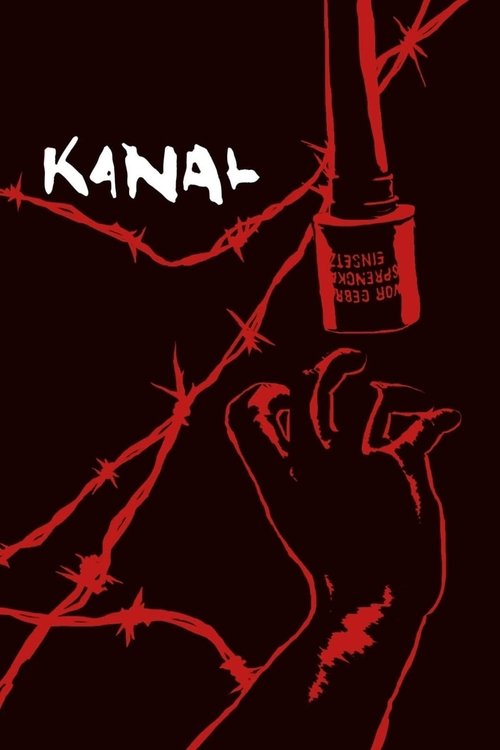
Kanal1957
Andrzej Wajda's Polish masterpiece about the Warsaw Uprising's last fighters trapped in the sewers. Shares the same claustrophobic horror and national wound, with equal power and moral complexity.
But Unrelentingly bleak. It doesn't offer catharsis or a heroic frame—just the slow erosion of hope.
Stalker1979
Tarkovsky's hypnotic science-fiction meditation on confinement, desire, and the spaces where people's minds fracture. Glacially paced but mesmerizing—a very different story that moves the same emotional core.
But Slow and abstract to the point of alienation. If you want plot momentum, this isn't your film.

Not sure tonight? Get a pick in a minute, starting from The Stone Sky
The wildcard
Something you would not have found on your own.
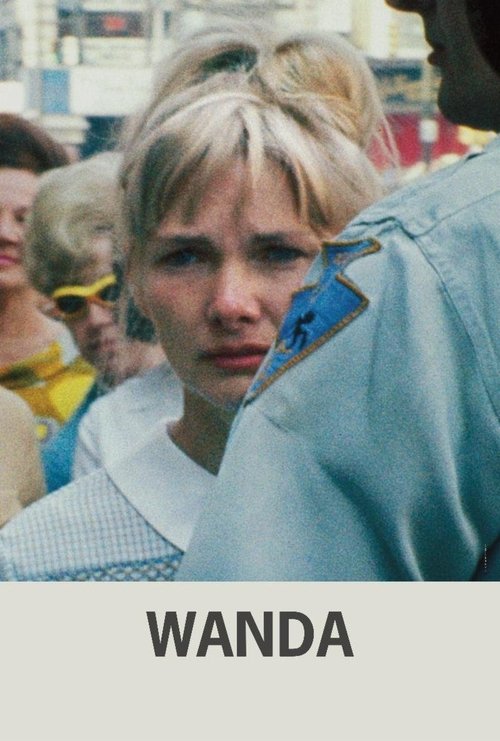
Wanda1970
Both are studies of psychological disintegration under pressure, but Wanda internalizes the catastrophe—the walls aren't literal rubble, they're social indifference and the trap of circumstance. Same architecture of entrapment, opposite setting.
Barbara Loden's only film: a drifter drawn into petty crime, shot in bleached color, intimate and searching. Like The Stone Sky it's about people in impossible situations watching themselves change, but inverts almost everything—set in America, contemporary, and shot in a deliberately flat, observational style that feels almost documentary.
But Narratively minimal and emotionally withdrawn. It asks patience and offers very little reassurance. Long stretches feel like nothing is happening.
More like this (8)
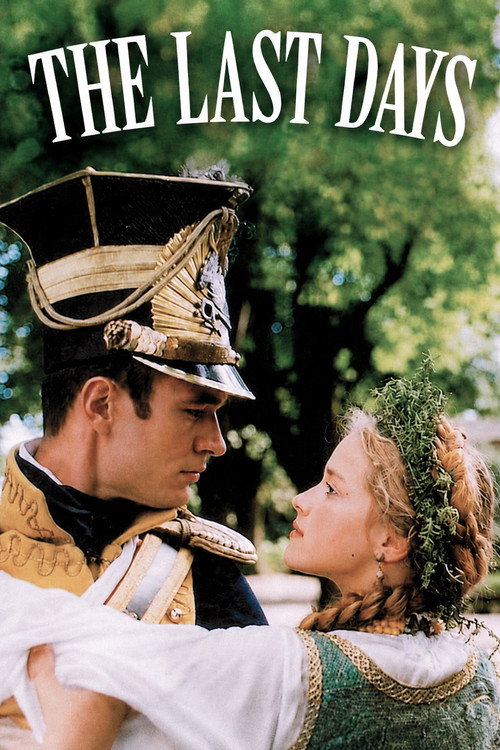
The Last Days1999
Wajda again, adapting Poland's national epic. Different in tone but shares the filmmaker's obsession with Polish history, national memory, and the gap between dignity and survival.
But Three hours long and deeply embedded in Polish cultural specifics. You'll need patience and some historical literacy.
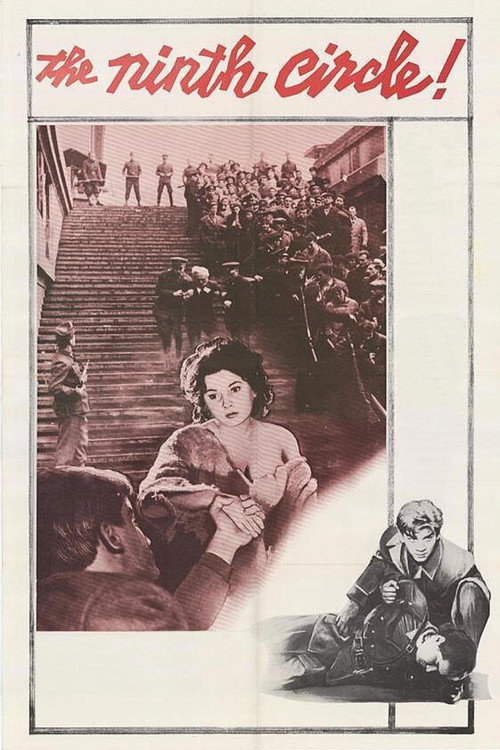
The Ninth Circle1960
Croatian filmmaker Gustafsson's harrowing WWII film about a young couple hiding from the Nazis. Same claustrophobic dread and moral testing under extreme pressure.
But Extremely difficult watching. The subject matter is unsparing, and the tone never softens.
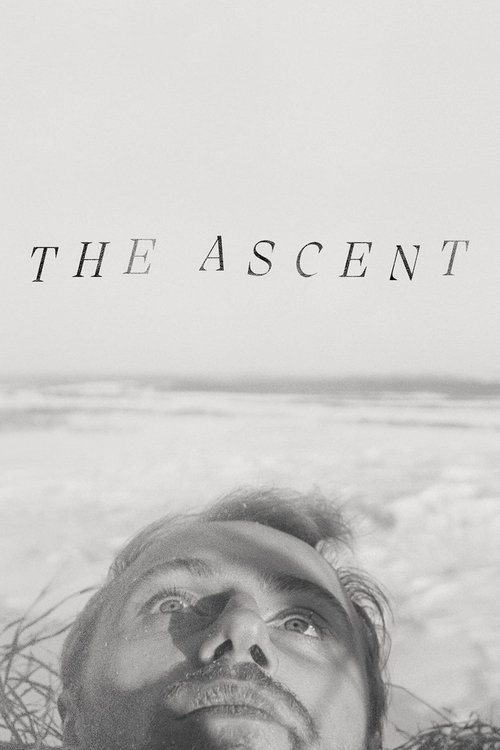
The Ascent1977
Larisa Shepitko's only feature: two Soviet partisans on a brutal winter trek toward execution. Philosophical, visually stunning, and transcendent about suffering in ways that echo The Stone Sky's deeper currents.
But Philosophical and slow. It prioritizes meaning over narrative propulsion.
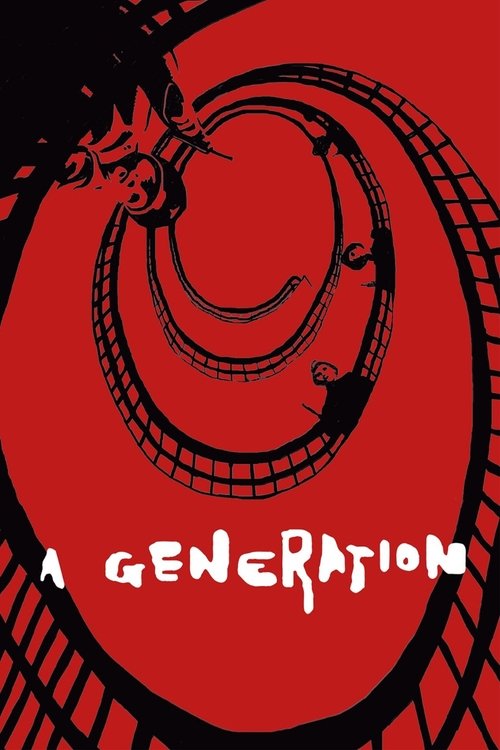
A Generation1955
Wajda's debut about Warsaw youth during the occupation. Shares the Polish historical moment and the psychological portrait of people stripped of normal life.
But Early Wajda—less polished than his masterworks. The style can feel dated now.
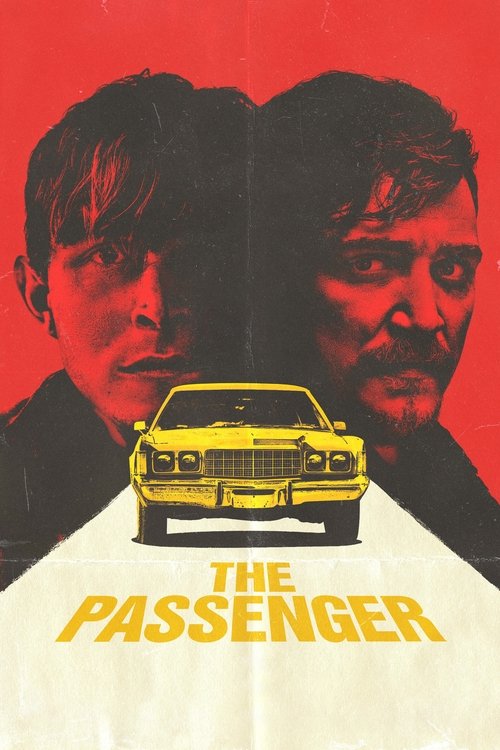
The Passenger2023
Munk's fragmented narrative about a woman who encounters her former cellmate on a ship. Both explore trauma's persistence and the instability of identity after extreme confinement.
But The structure is deliberately disorienting, cutting between past and present. It can feel more like a puzzle than an experience.
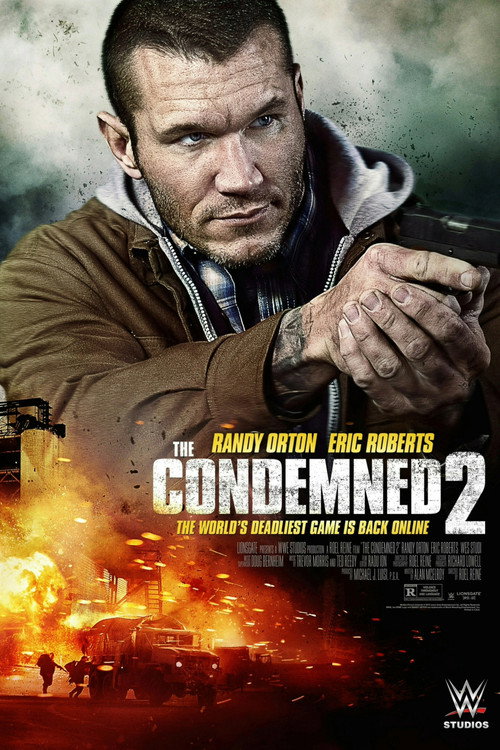
The Condemned 22015
Another Polish war film examining ordinary people facing extraordinary moral choices during occupation. Quieter and less well-known, but genuinely moving.
But Obscure for good reason—it doesn't have the force of the best Polish cinema of the era. Respectable but not transcendent.
The Dark Light1951
Both films are fundamentally about consciousness under siege. The Stone Sky uses war and rubble as the machinery; this uses psychological illness and domestic confinement instead. Same engine, radically different fuel.
A contemporary Polish limited series about a woman's psychological unraveling in near-total isolation. Like The Stone Sky stripped of historical context: what happens when you're trapped with only your own mind?
But Very dark and slow-burn. If you're looking for conventional drama or plot, this will frustrate you severely.
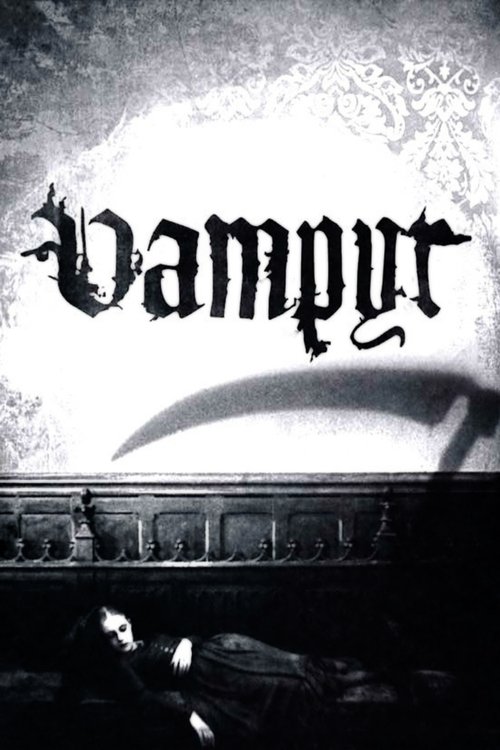
Vampyr1932
Both use visual and spatial language to render internal states. Where The Stone Sky uses realism and claustrophobia, Vampyr uses expressionism and nightmare logic. Both are about the self dissolving. Both are masterpieces about madness shot by filmmakers willing to look straight at it.
Carl Theodor Dreyer's expressionist horror film, decades before The Stone Sky. Hypnotic, dreamlike, deliberately artificial—and absolutely about psychological entrapment and the fragmentation of reason. A completely different genre that moves toward the same emotional and formal space.
But Silent-era horror. Creaky, slow, dependent on mood rather than incident. Also just bizarre—it's not comforting to watch.
People
Cast
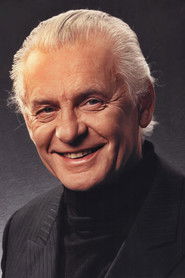 Tadeusz ŁomnickiManiuś
 Jadwiga ChojnackaSafianowa
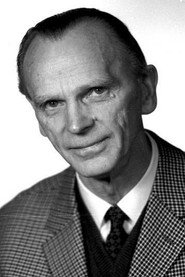 Henryk BorowskiProfessor
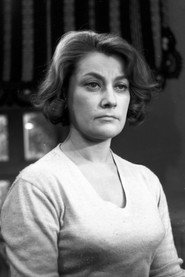 Barbara HorawiankaRumińska
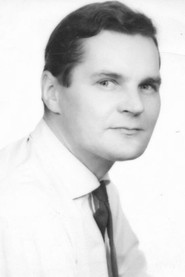
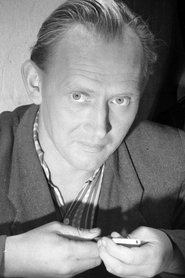 Władysław DewoynoMan digging a Grave
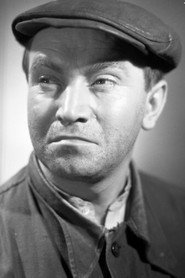 Mieczysław ŁozaSafian
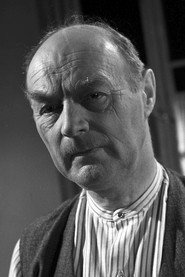 Mieczysław NawrockiMan running towards a Hydrant
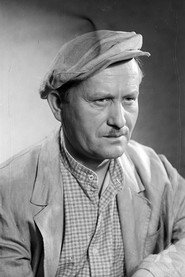 Czesław PiaskowskiMan digging a Grave
Directing
- Leokadia MigielskaAssistant Director
- Czesław PetelskiDirector
- Ewa PetelskaDirector
- Halina GarusScript Supervisor
Writing
- Jerzy KrzysztońNovel
- Czesław PetelskiScreenplay
- Ewa PetelskaScreenplay
- Jerzy KrzysztońScreenplay
Production
- Jan SzymańskiAssistant Production Manager
- Ryszard StraszewskiAssistant Production Manager
- Stanisław ZylewiczProduction Manager
- Donat BilskiUnit Manager