
Film
The Last Days
A sweeping Polish historical drama set in 1810s Lithuania, where a wedding becomes the nexus for romance, blood feuds, and questions of national identity. Adapted from a canonical poem, it's visually rich and emotionally intricate—a film that demands patience but rewards it with genuine depth. For those drawn to intimate human stories set against large historical upheavals.
If you liked this
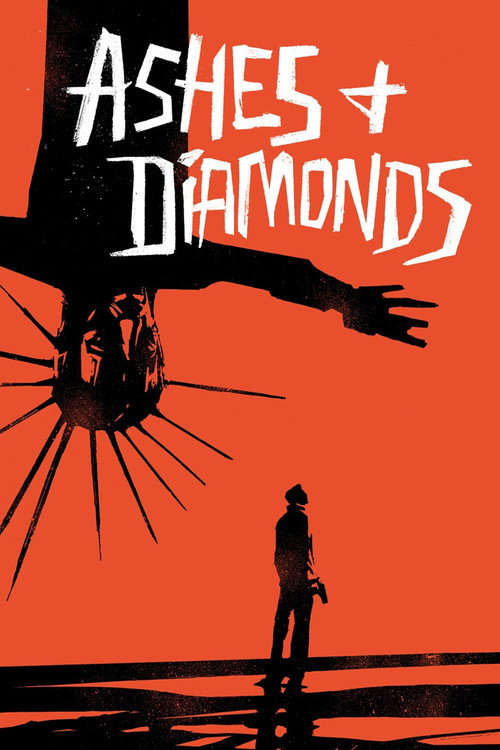
Ashes and Diamonds1958
Another masterwork of Polish cinema exploring identity, duty, and violent history. Andrzej Wajda again, with the same moral gravity and visual sophistication you'll find in The Last Days.
But Post-war Warsaw rather than rural Lithuania, and bleaker in tone. Shot in black-and-white, which requires adjustment if you're used to color.
Gentleman's Agreement1947
Polish period drama with similar concerns: honor, family loyalty, the conflict between personal desire and social obligation. Also adapted from literature, also deeply rooted in Polish experience.
But Less visually lush than The Last Days and somewhat harder to locate outside Poland. Slower pacing may test your patience.
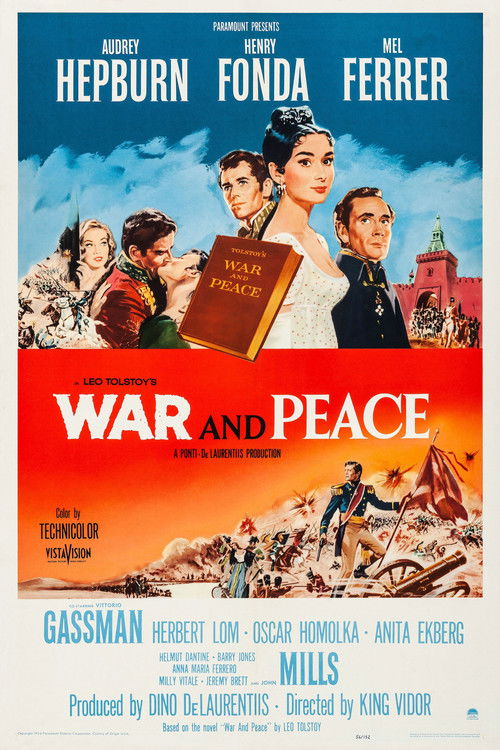
War and Peace1956
Sergei Bondarchuk's epic adaptation captures what The Last Days attempts: intimate relationships unfolding against historical convulsion. A masterpiece of scope and emotional precision.
But Three hours thirty minutes, and Russian rather than Polish. The scale can overwhelm character; some find it exhausting rather than exhilarating.
Not sure tonight? Get a pick in a minute, starting from The Last Days
The wildcard
Something you would not have found on your own.
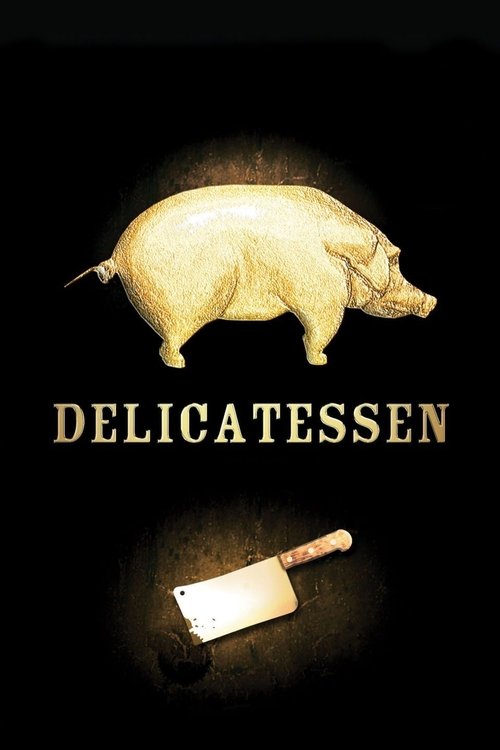
Delicatessen1991
Both films insist that romance is not separate from history but rather the truest response to it. Both use weddings and intimate moments to explore how individuals survive catastrophe.
A French black comedy-romance set in post-apocalyptic squalor, where love blooms in the darkest circumstances. Like The Last Days, it argues that human connection persists despite—or because of—historical horror. Wildly different in tone but identical in conviction.
But Grotesquely surreal, deliberately ugly, often funny in ways that feel almost obscene. If you want beauty or dignity, this will repel you.
More like this (7)
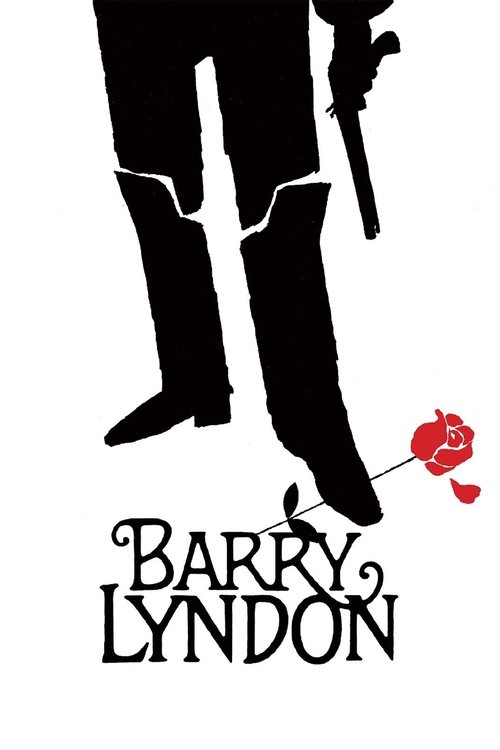
Barry Lyndon1975
Kubrick filmed like 18th-century paintings, creating a world of aristocratic intrigue, military upheaval, and moral complexity. The visual language is closer to The Last Days than most films.
But Deliberately artificial and cool; there's romance here but it's never sentimental. Some viewers find it remote and difficult to love.
The Remains of the Day1993
A love story told through restraint and duty, set in a rigidly hierarchical world. Like The Last Days, it understands that passion and tradition are often in violent collision.
But British rather than Eastern European, and the emotional drama is muted. If you want overt action, this will feel like watching someone not say something for two hours.

Stalker1979
Tarkovsky's meditation on desire, fate, and what we pursue. Different genre entirely, but the same philosophical weight and visual poetry that makes The Last Days feel like more than a period piece.
But Science fiction but not as you know it—no plot in the conventional sense, minimal dialogue, 163 minutes of slow cinema. A genuine test of patience.

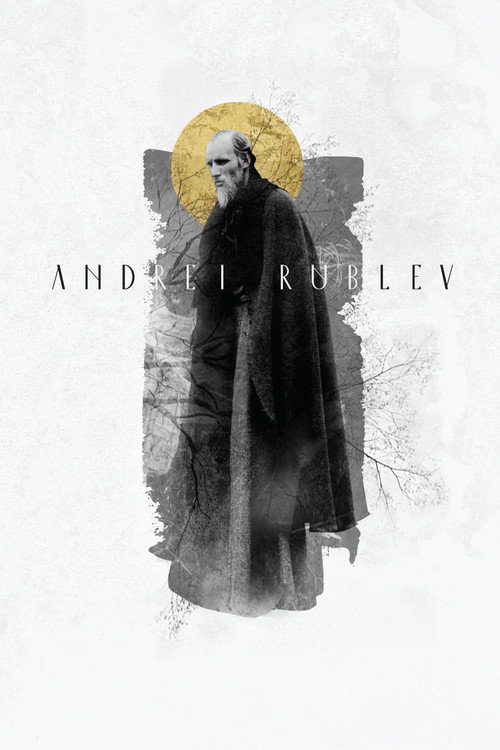
Andrei Rublev1966
Another Tarkovsky epic about art, faith, and history in medieval Russia. If you loved The Last Days' ambition and visual richness, this is the film that taught Eastern European cinema to think that way.
But Even slower than Stalker, even longer, and utterly uncompromising. The 1966 Soviet context adds difficulty for modern viewers unfamiliar with the era.
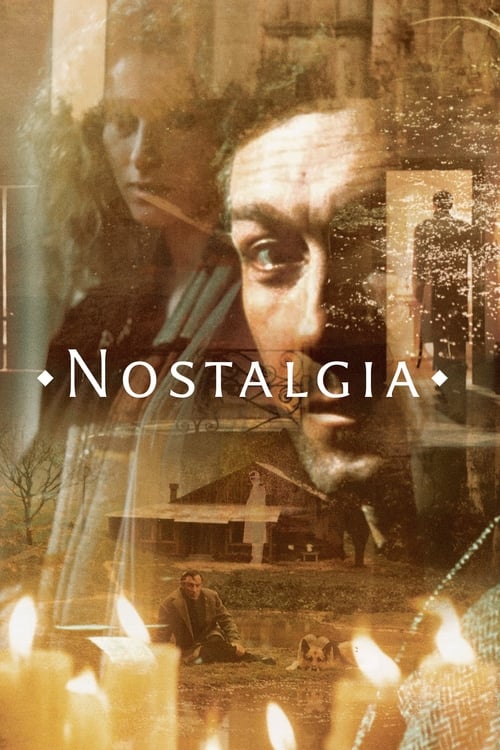
Nostalgia1983
Tarkovsky again, but set partly in Italy, exploring exile and memory. A spiritual cousin to The Last Days in its refusal to separate personal longing from historical tragedy.
But Requires genuine investment in Tarkovsky's method. If you find him inaccessible, this will feel glacial and remote rather than profound.
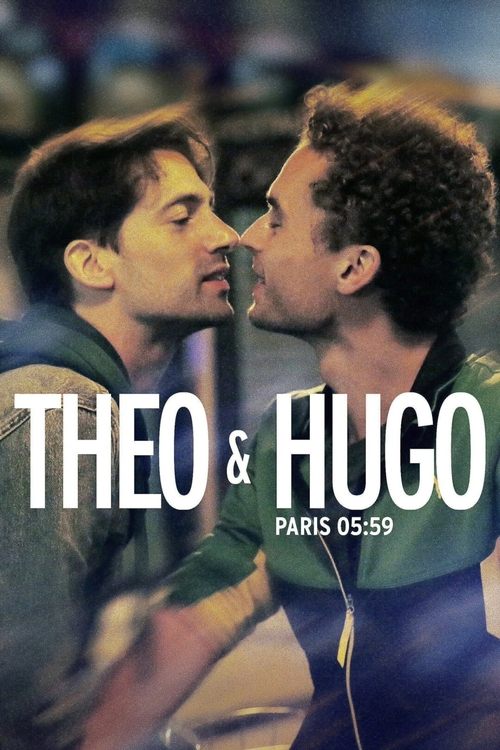
Paris 05:59 / Théo & Hugo2016
Both films do something unexpected with time: they trap us in a moment or a few days and make us feel the weight of centuries. Neither feels the need for grand gestures.
A 90-minute Romanian-French film tracking a single night between two men after a sexual encounter. Like The Last Days, it's a film about time, about how history and memory live in a single human connection, and about the weight of the past on the present moment.
But Nearly a real-time film with minimal plot; it's essentially a conversation. Gay content may not suit all audiences. Some find its refusal of narrative momentum boring.
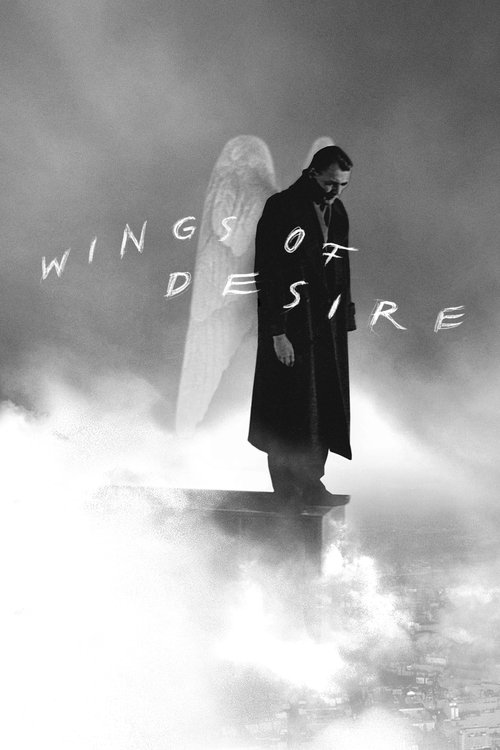
Wings of Desire1987
Both films treat love not as entertainment but as a profound encounter with meaning. Both suggest that individual desire and historical moment are inseparable—that to love is to acknowledge mortality and change.
Wim Wenders' Berlin meditation on love, mortality, and what it means to be human. A film where angels watch human passion and longing from above, understanding it as the most sacred thing. Same spiritual register as The Last Days, entirely different surface.
But German, philosophical, abstract in structure. Operates on poetry and mood rather than plot. If you need clear narrative progression, this will feel deliberately oblique.
People
Cast
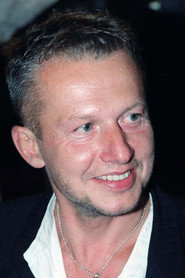 Bogusław LindaJacek Soplica
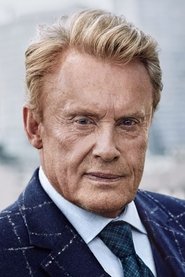 Daniel OlbrychskiGerwazy Rębajło
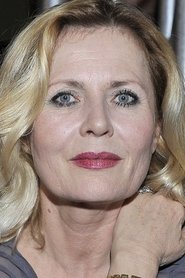 Grażyna SzapołowskaTelimena
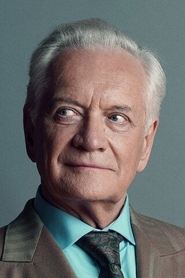 Andrzej SewerynJudge Soplica
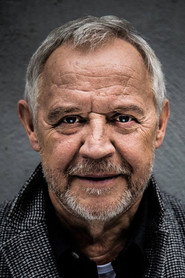 Marek KondratCount Horeszko
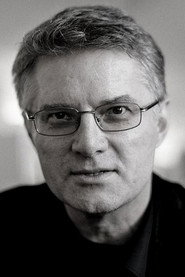 Krzysztof KolbergerAdam Mickiewicz
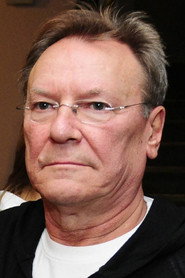 Sergey ShakurovNikita Rykow
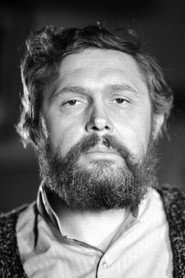 Jerzy BińczyckiMaciej Królik-Rózeczka

 Michał ŻebrowskiTadeusz Soplica
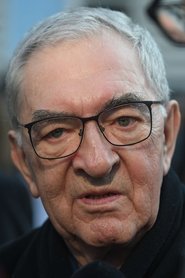 Jerzy TrelaPodkomorzy
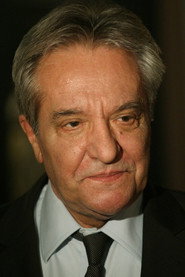 Jerzy GrałekWojski Hreczecha
Directing
- Andrzej WajdaDirector
Writing
- Adam MickiewiczNovel
- Andrzej WajdaScreenplay
- Jan Nowina-ZarzyckiScreenplay
- Piotr WereśniakScreenplay
Production
- Aneta Cebula-HickinbothamAssistant Production Manager
- Margaret MénégozCo-Producer
- Paweł PoppeExecutive Producer
- Lew RywinProducer
- Michał SzczerbicProduction Manager