
Film
Homecoming
Other titles called Homecoming: the 2018 series (Prime Video).
A 1948 wartime romance where a vain Army doctor finds himself caught between a sharp-witted nurse and the wife waiting at home. Mayer's melodrama traffics in guilt, duty, and the particular American anxiety that doing the right thing might cost you everything. Lush and earnest, designed for audiences who wanted their moral quandaries served with orchestral sweep.
If you liked this
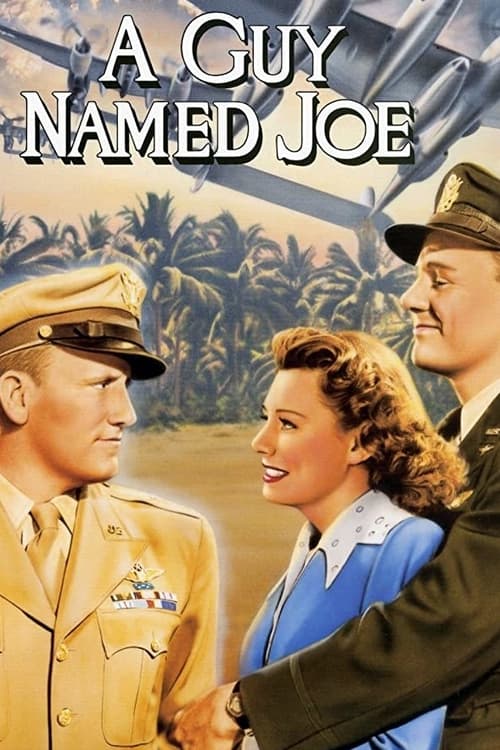
A Guy Named Joe1944
Another wartime romance that asks whether love and duty can coexist. Spencer Tracy and Irene Dunne navigate identical terrain with wonderful chemistry and a script that actually earns its emotional weight.
But It's sentimental in a way that feels dated—less about the characters' actual conflict than about proving love is worth the suffering it causes.
The Best Years of Our Lives1946
The definitive postwar American film about men returning home and discovering nothing fits anymore. Technically brilliant, emotionally alive, and it actually trusts its audience to sit with discomfort.
But Three and a half hours, and it moves slowly. The domestic scenes are deliberately unglamorous, which is the point but also the slog.

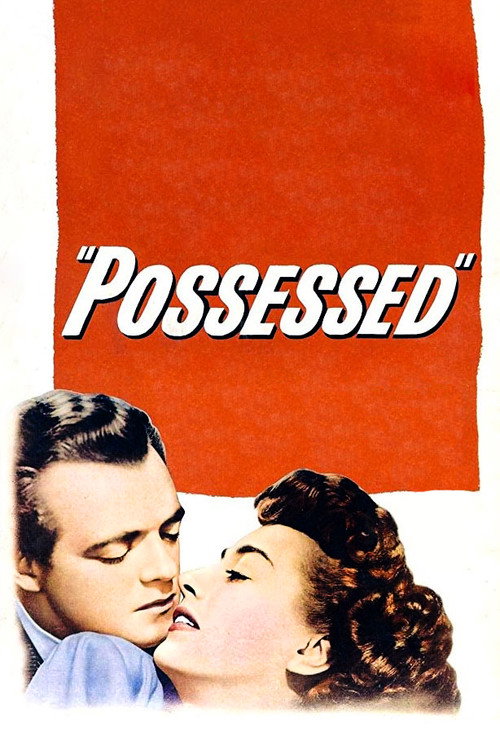
Possessed1947
Joan Crawford in full noir-adjacent melodrama as a woman caught between two men and her own fractured self. It's got the same MGM gloss but darker, more psychologically unsettling, and Crawford absolutely commits.
But It hinges on a mental breakdown used as plot device rather than explored with real complexity. Some scenes haven't aged well.
Not sure tonight? Get a pick in a minute, starting from Homecoming
The wildcard
Something you would not have found on your own.
Brief Encounter1945
Both films examine the collision between duty, desire, and the story people tell themselves about who they are—but *Brief Encounter* trusts silence and restraint where *Homecoming* reaches for orchestration. Lean shows you what Mayer was trying to feel.
Coward and Lean's masterpiece about two married people falling in love across a few afternoons. It achieves everything *Homecoming* reaches for but with poetry, restraint, and a moral complexity that devastates. The best film ever made about infidelity because it refuses to judge.
But It's British and quiet in ways 1948 Hollywood was not. If you want passion and crisis, this offers tea and fractured glances instead. Some find that unbearable.

More like this (8)
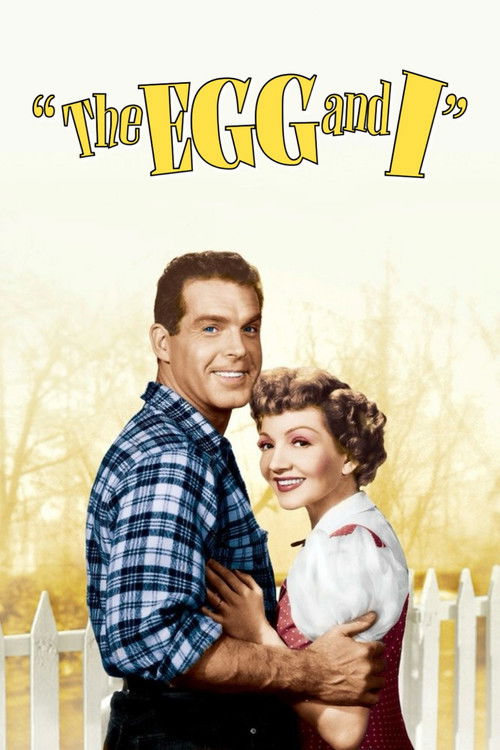
The Egg and I1947
Claudette Colbert and Fred MacMurray bickering their way through marriage during wartime—same MGM romance formula but sharper and funnier, with actual stakes beneath the banter.
But The humor dates badly in places, and it's fundamentally a very conventional marriage-works-out story.
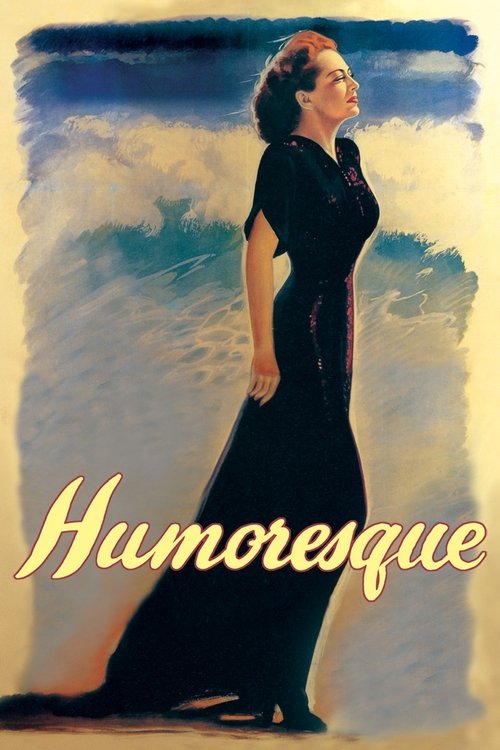
Humoresque1947
A musician and a wealthy woman navigate an impossible affair against the pressure of ambition and class. It's got real bite, visual style, and a refusal to make anyone entirely sympathetic.
But It's more cynical than *Homecoming*, which some find bracing and others find exhausting. The ending divides rooms.
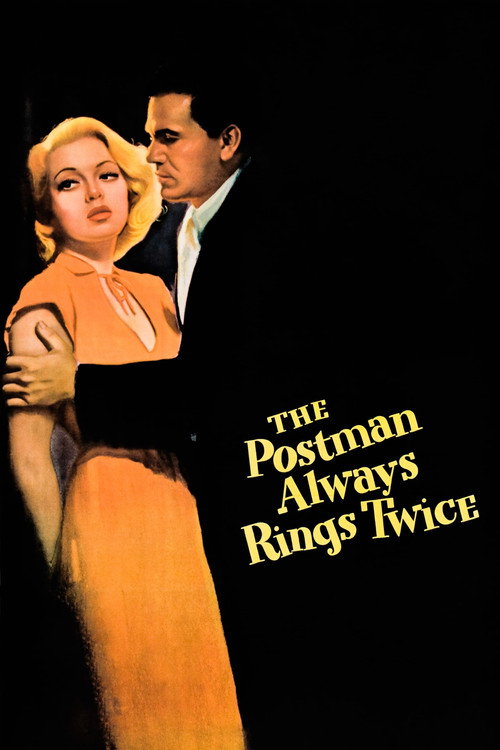
The Postman Always Rings Twice1946
Lana Turner (your film's costar) in a far more dangerous role, caught in genuine sexual and moral peril. It's got the same postwar anxiety but noir's refusal to sentimentalize infidelity.
But It's visually harsher and morally murkier. There's no redemption angle—just consequence and darkness.
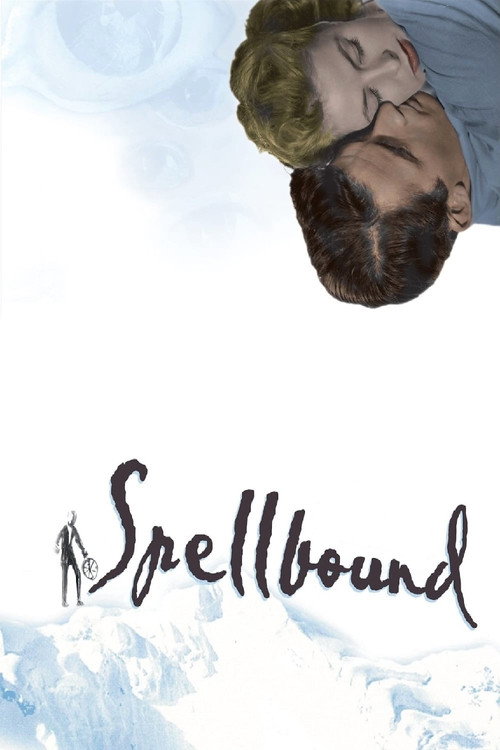
Spellbound1945
Hitchcock on the domestic psyche, with Gregory Peck and Ingrid Bergman in a romance built on secrets and guilt. It's playful where *Homecoming* is earnest, but the emotional machinery is remarkably similar.
But The dream sequence is famous and bizarre. Hitchcock's psychoanalysis is half-baked by modern standards.
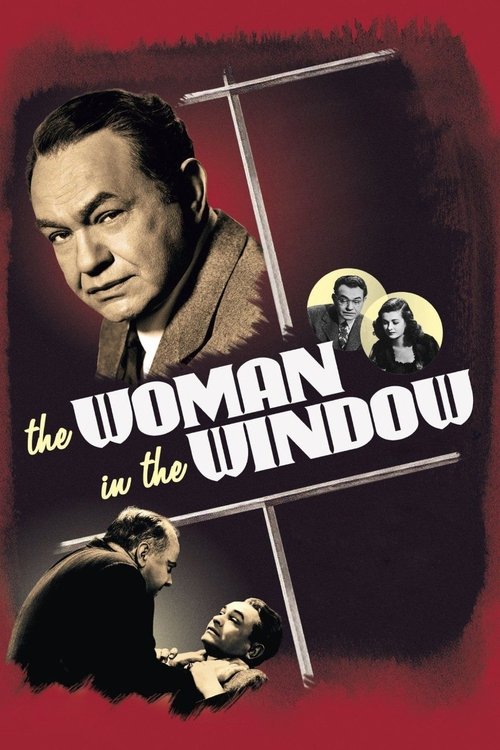
The Woman in the Window1944
Edward G. Robinson as a respectable man drawn into obsession and infidelity by a woman he sees in a window. It's noir's darker answer to *Homecoming*'s dilemma: what happens to conscience when desire shows up.
But It cheats the ending in a way that undermines everything before it. Some find it clever; others find it insulting.
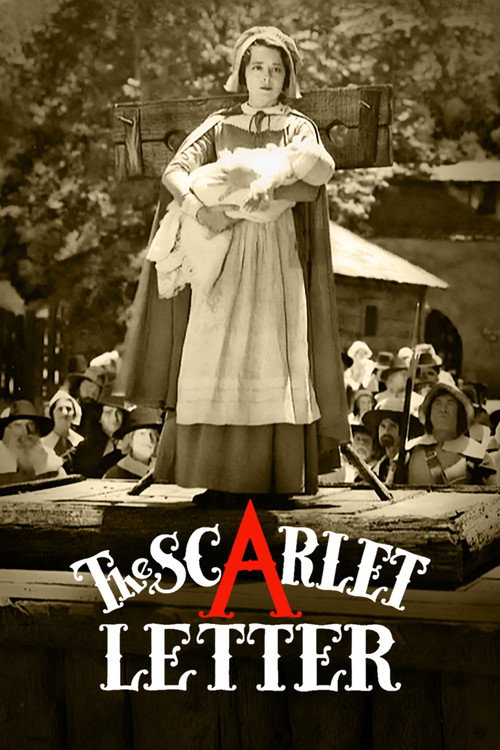
The Scarlet Letter1934
Colman and Jannings in Hollywood's attempt to adapt the novel of marital guilt and public shame. It's strange, overstuffed, and genuinely peculiar—a curio that illuminates what *Homecoming* inherited.
But It's visually muddled and the pacing is sluggish. It doesn't come together—you're watching cinema history more than drama.
The Killing1956
Same marital betrayal engine, but *The Killing* asks what happens when you treat it as crime rather than tragedy. Where *Homecoming* wants you to feel the weight of conscience, Kubrick asks: what's the practical cost?
Kubrick's racetrack noir where a man's affair and marital deception drive the entire plot machinery. It's tight, chilly, and treats infidelity not as moral crisis but as practical catastrophe. The style alone—fractured chronology, cold cinematography—feels like it came from another planet compared to *Homecoming*.
But It's ruthlessly pessimistic and mechanical. There's almost no warmth or genuine emotion, which is the point but also the opposite of appealing.

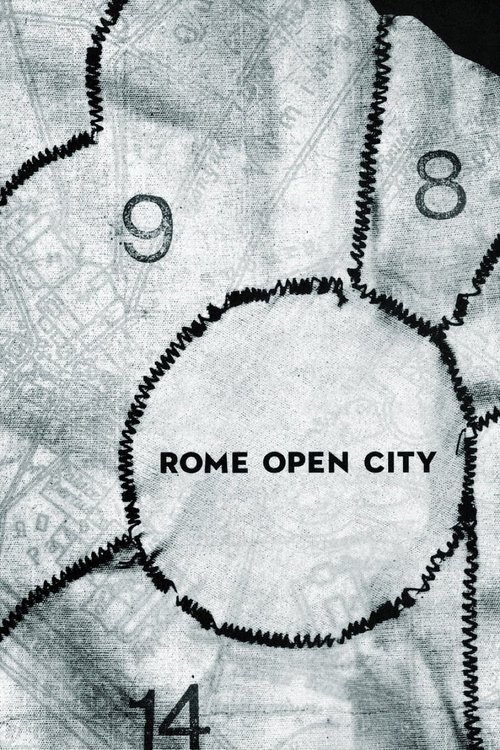
Rome, Open City1945
Both are 1940s films about duty and conscience during wartime, but *Open City* shows what World War II actually was while *Homecoming* shows what Hollywood needed to believe about it. Watching them together is watching the lie take shape.
Rossellini's neorealist masterpiece set in Nazi-occupied Rome, where goodness is tested against actual horror. It shares *Homecoming*'s wartime setting and moral philosophy but in a world where the stakes are not personal guilt but survival. It's a revelation about what the war actually looked like beyond the romance.
But It's bleak and violent in ways that destroy the film's sentimentality. Shot in rubble with nonprofessional actors. If you want MGM gloss, this will feel like a documentary about suffering.
People
Cast
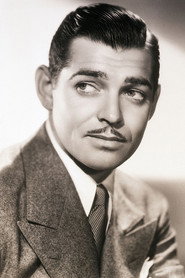 Clark GableCol. Ulysses Delby 'Lee' Johnson
 Lana TurnerLt. Jane 'Snapshot' McCall
 Anne BaxterMrs. Penny Johnson
 John HodiakDr. Robert Sunday
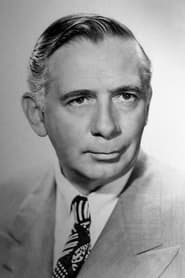 Ray CollinsLt. Col. Avery Silver
 Gladys CooperMrs. Kirby
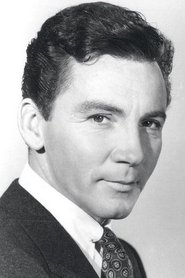 Cameron MitchellStanley M. 'Monk' Monkevickz
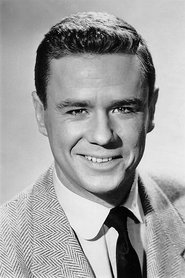 Marshall ThompsonStaff Sgt. 'Mac' McKeen
 Lurene TuttleMiss Stoker
- Jessica GraysonSarah, Johnson's Maid (as Jessie Grayson)
- J. Louis JohnsonSol, Johnson's Butler
 Eloise HardtNurse Aldine Bradford
Directing
- Norman ElzerAssistant Director
- Mervyn LeRoyDirector
Writing
- Jan LustigAdaptation
- Sidney KingsleyStory
- Paul OsbornWriter
Production
- Gottfried ReinhardtAssociate Producer
- Sidney FranklinProducer