
Film
Possessed
Other titles called Possessed: the 1931 film, the 2009 film, the 2015 film.
- Medical drama
- Very dark
A woman recovered from catatonia unspools her fractured story to a psychiatrist—a noir-inflected psychological drama where Joan Crawford's intensity transforms a descent into obsession into something mesmerizing and genuinely unsettling. It's pitch-black melodrama that believes its own darkness. For viewers drawn to damaged characters and the machinery of psychological breakdown.
Should you watch it?
Watch it if you love classic studio melodrama where a feverish romance and a fractured memory unspool in flashback, with Crawford carrying nearly every scene.
Skip it if you need brisk plotting, since the middle stretches with obsessive, overwrought episodes and the performances lean hard into 1940s theatrical intensity.
What it asks of you: A slow, talky build that gradually turns feverish across just under two hours, with your full attention needed to follow its shifting timeline.
Not sure? Find tonight's pick in a minute.
If you liked this
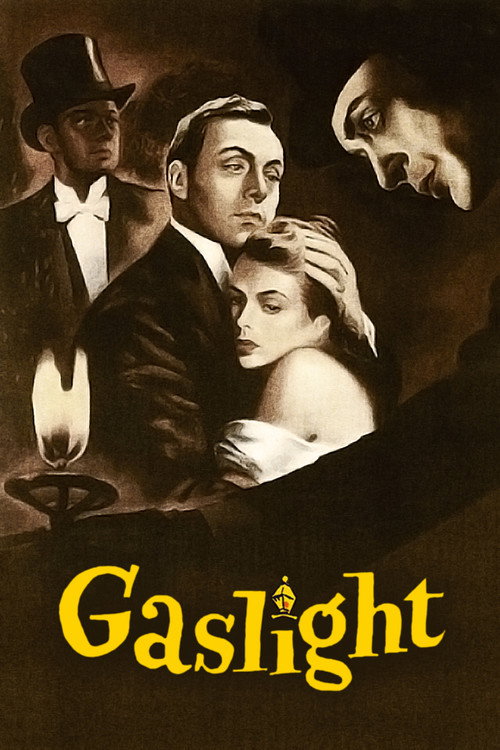
Gaslight1944
Ingrid Bergman's tour de force of a woman being methodically driven mad by her husband. Like Possessed, it's about reality itself becoming unreliable, but this one strips the mystery down to its cruelest core.
But The husband is so cartoonishly villainous that sympathy becomes one-note. It's less ambiguous than Possessed, which some find less interesting.
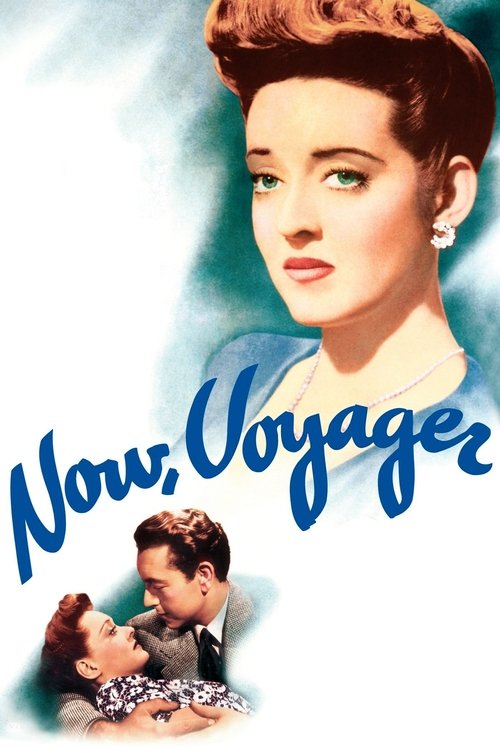
Now, Voyager1942
Bette Davis as a woman remade by psychiatric intervention and love. It shares Possessed's fascination with female psychology and obsessive connection, but wraps it in something almost hopeful.
But It's considerably softer—the stakes feel lower, and if you want psychological extremity, this is the gentler cousin.
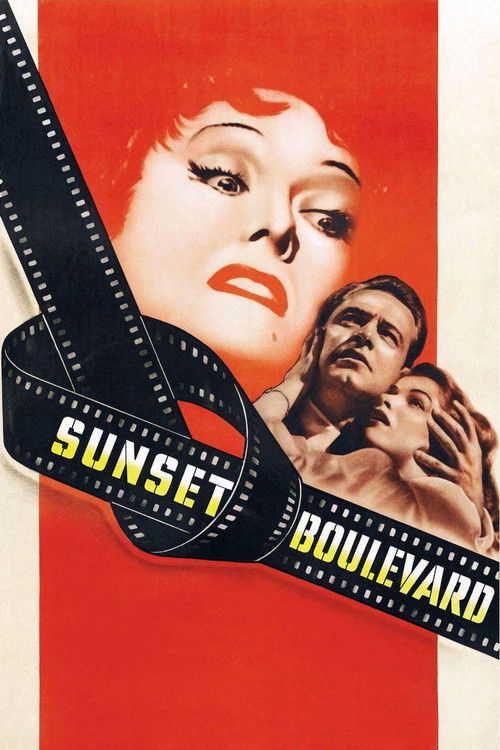
Sunset Boulevard1950
Gloria Swanson's Norma Desmond is similarly trapped in delusion, but Billy Wilder approaches it as dark comedy. The obsession here is with the past and fame rather than a person, but the claustrophobia is total.
But It's a very different register—cynical and arch where Possessed is raw. Some find Wilder's distance from his characters cold.
Not sure tonight? Get a pick in a minute, starting from Possessed
The wildcard
Something you would not have found on your own.
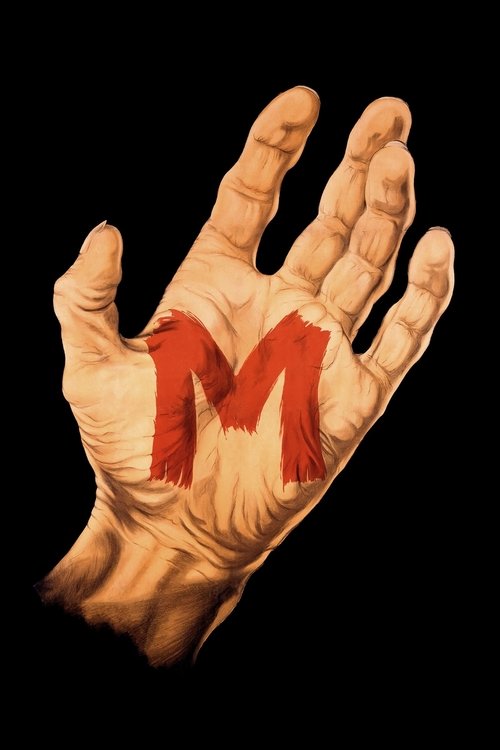
M1931
Both films are obsessed with the machinery of a disordered mind—how compulsion takes over reason, and what a closed system (an interrogation, a woman's spiraling thoughts) looks like from inside.
Fritz Lang's German masterpiece about a child murderer hunted by police and criminals. It's in a foreign language and thirty years older, but it shares Possessed's obsession with the psychology of compulsion and how a system tries to contain it. The descent into madness here is male rather than female, but the intensity of focus is the same.
But It's in German with subtitles and shot in stark expressionist black-and-white. The pacing is slower by modern standards, and the politics of how it depicts the criminal mind can feel unfamiliar.
More like this (8)
The Asphalt Jungle1950
John Huston's heist film has the same postwar Los Angeles setting and moral murk. It's less about psychology and more about inevitability, but the fatalism is kindred.
But It's ensemble-driven rather than character-focused. If you're watching for Crawford's intensity, this scatters your attention across a crew.

In a Lonely Place1950
Humphrey Bogart as a man whose violence and obsession poison everything around him. Ray's direction finds the same claustrophobic dread as Possessed, just told from the man's side.
But It's even bleaker than Possessed—there's almost no light. Some viewers find it punishingly dark.

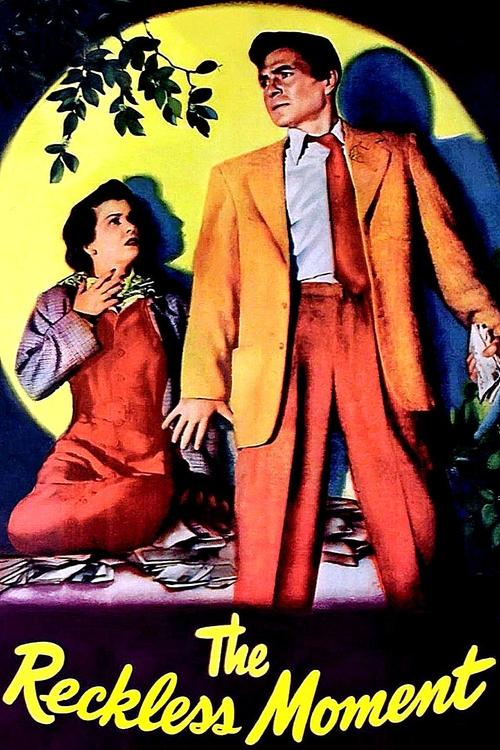
The Reckless Moment1949
Ophüls directs Joan Bennett through moral compromise and obsession with exquisite visual language. It's a mother's desperation rather than romantic obsession, but the texture of despair is identical.
But It's visually baroque in a way that can feel overstated. If you want psychological realism, the style sometimes overwhelms the story.
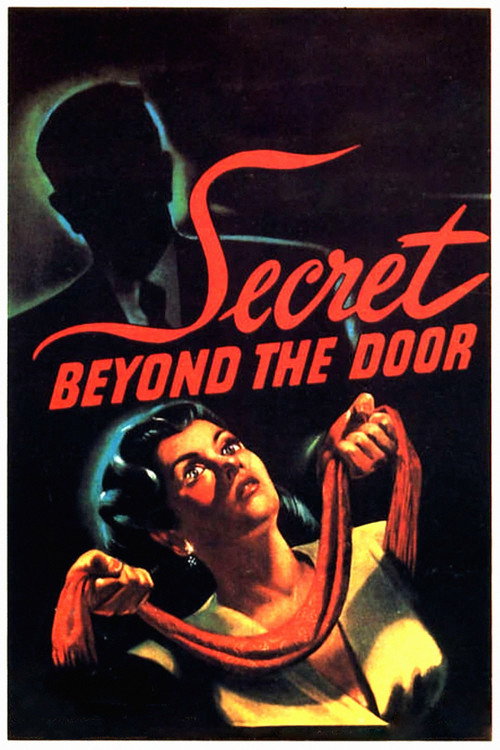
Secret Beyond the Door1947
Fritz Lang's psychological thriller about a woman marrying a man with dangerous secrets. It has Possessed's interest in female perspective and the erotics of danger.
But Lang's symbolism gets heavy-handed—houses as psychology can feel schematic and dated.
Leave Her to Heaven1945
Gene Tierney's green-eyed psychopath destroys a family through seemingly perfect devotion. It's Possessed's darker cousin—no ambiguity, pure malevolence, in Technicolor.
But The beauty and color almost make the cruelty pretty, which some find tasteless. It can feel more like melodrama than tragedy.

The Killers1946
Siodmak's opening is electric, and the film probes how obsession and past choices trap a man. It has the postwar fatalism of Possessed, though it's considerably more masculine in register.
But The narrative jumps around in ways that can feel scattered. It's less focused than Possessed's concentrated intensity.

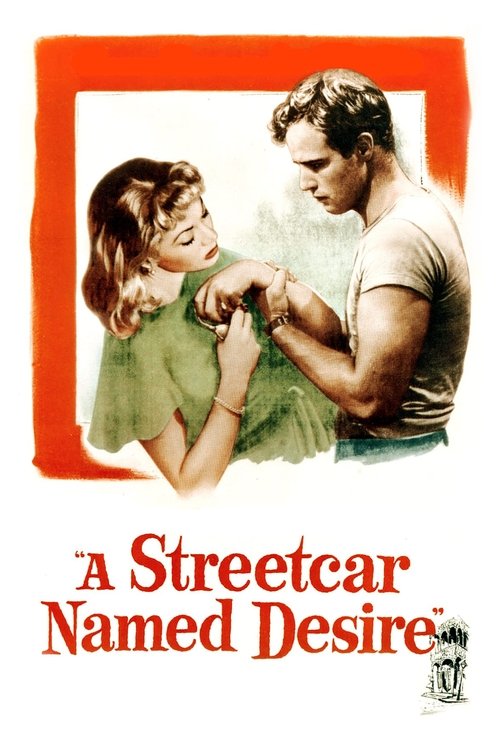
A Streetcar Named Desire1951
Both are about women whose grip on reality fractures under psychological pressure, but Streetcar makes the social machinery visible—class, gender, power—while Possessed keeps us trapped inside the woman's head.
Tennessee Williams' play, directed by Kazan. Vivien Leigh as Blanche DuBois—fragile, delusional, caught between desire and collapse. It has Possessed's pyschological rawness and the same female vulnerability turned volatile.
But It's stagier than Possessed, and the toxic masculinity is frontloaded and explicit rather than seductive. Some find Brando's performance tiresome in retrospect.
3 Women1977
Both films trust that female psychology is strange and non-linear, and that obsession can fundamentally remake a person's sense of self. Altman just takes that instinct much further into abstraction.
Robert Altman's fever dream about female psychology, identity, and obsession. It's abstract and structurally fractured where Possessed is grounded, but the same interest in how women's identities can collapse into and onto each other is central.
But It's deliberately incoherent—plot is minimal and the logic is dreamlike. If you watch Possessed for narrative clarity, this will feel like you're losing your mind.

People
Cast
 Joan CrawfordLouise Howell
 Van HeflinDavid Sutton
 Raymond MasseyDean Graham
 Geraldine BrooksCarol Graham
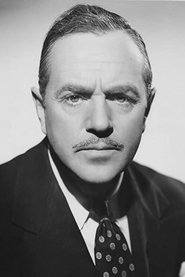 Stanley RidgesDr. Harvey Willard
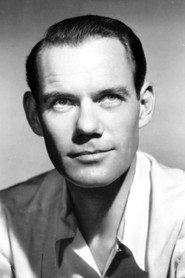 John RidgelyHarker
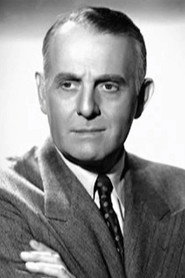 Moroni OlsenDr. Ames
 Peter MilesWynn Graham (as Gerald Perreau)
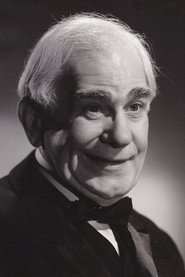 Erskine SanfordDr. Max Sherman
- Jakob GimpelPianist
- Isabel WithersNurse Rosen
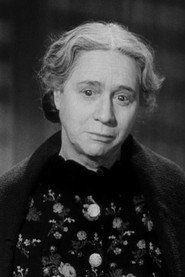 Lisa GolmElsie
Directing
- Sherry ShourdsAssistant Director
- Curtis BernhardtDirector
Writing
- Ranald MacDougallScreenplay
- Silvia RichardsScreenplay
- Rita WeimanShort Story
Production
- Jack L. WarnerExecutive Producer
- Jerry WaldProducer
- Louis BaumUnit Manager
Recommended by
Ava's Possessions, Secret Beyond the Door, A Gray State, Homecoming