
Film
Sign of the Lion
Wim Wenders' debut follows an arrogant American drifter in Paris whose belief in his horoscope blinds him to reality as his life spirals from bohemian privilege into poverty and derangement. Shot with documentary starkness, it's a portrait of delusion meeting consequence—no safety net, no redemption, just the cold mathematics of living without means. Essential cinema for anyone curious how European modernism dismantled the postwar American abroad.
If you liked this
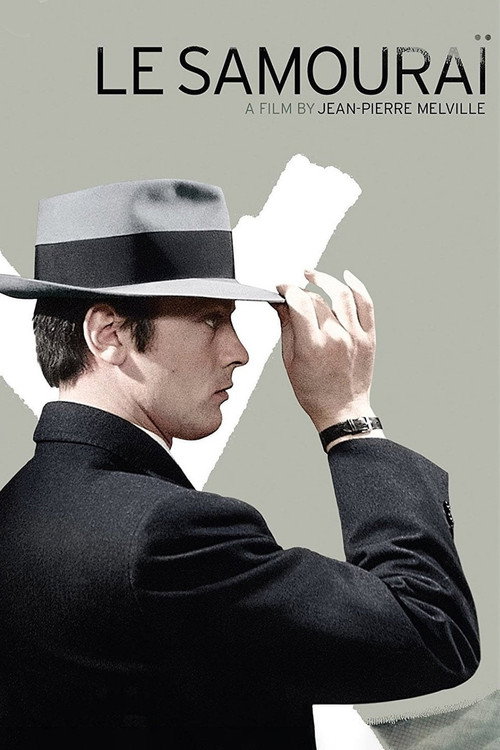
Le Samouraï1967
Melville's ice-cold thriller about a contract killer navigating Paris with ritualistic precision. Like *Sign of the Lion*, it treats the city as a maze of indifference where personal codes crumble against bureaucratic systems.
But Glacially paced and emotionally distant. If you need warmth or quick action, this will feel like watching paint dry in a hostile climate.
A Woman Is a Woman1961
Godard's musical farce set in Paris: bright, playful, and deliberately artificial. It shares the European New Wave DNA with *Sign of the Lion*, though it celebrates joy instead of documenting ruin.
But Endlessly meta and silly. The anti-narrative style means plot takes a back seat to performance and formal experimentation.

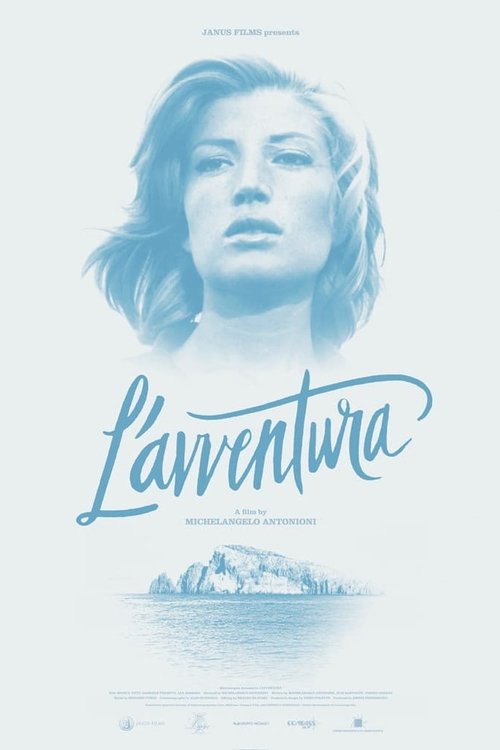
L'Avventura1960
Antonioni's restless masterpiece about aimlessness among the Italian bourgeoisie. Both films strip away plot to watch privilege and apathy corrode from the inside, with landscape as witness.
But Nearly three hours of people wandering and feeling nothing. If you need catharsis or purpose, you'll find neither.
Not sure tonight? Get a pick in a minute, starting from Sign of the Lion
The wildcard
Something you would not have found on your own.
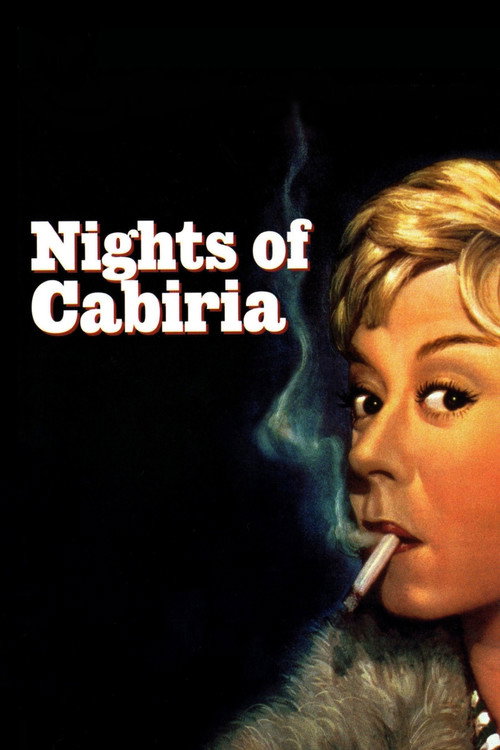
Nights of Cabiria1957
Both are unflinching portraits of survival in European cities, but *Cabiria* argues that grace persists; *Sign of the Lion* argues it doesn't. Watching them back-to-back shows you two answers to the same question.
Fellini's portrait of a Rome prostitute surviving on hustle and hope. Like *Sign of the Lion*, it documents grinding poverty and delusion, but Fellini floods the frame with baroque tenderness and music—the same story, told with heartbreak instead of ice.
But Sentimental in the way postwar Italian cinema could be. The tonal shifts toward beauty and pity may feel manipulative if you're allergic to emotion.
More like this (8)
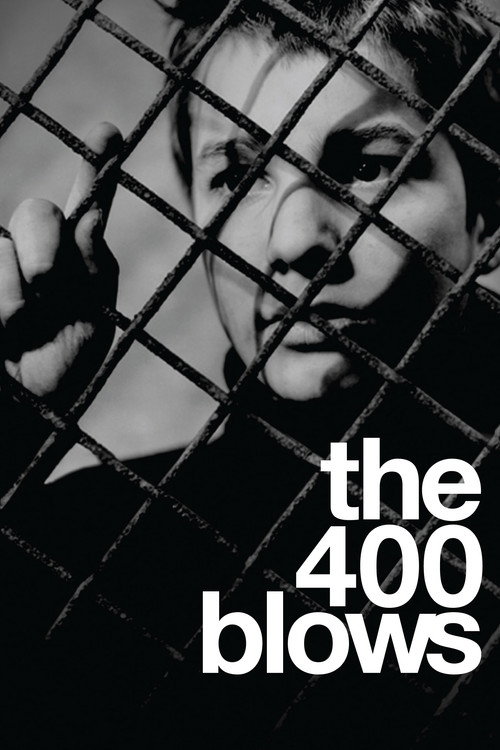
The 400 Blows1959
Truffaut's semi-autobiographical portrait of a boy adrift in Paris. Warmer and more hopeful than *Sign of the Lion*, but equally interested in how systems fail vulnerable people and how escape becomes the only recourse.
But Slow-burn coming-of-age; the payoff is emotional resonance, not plot. Some find it precious; some find it true.
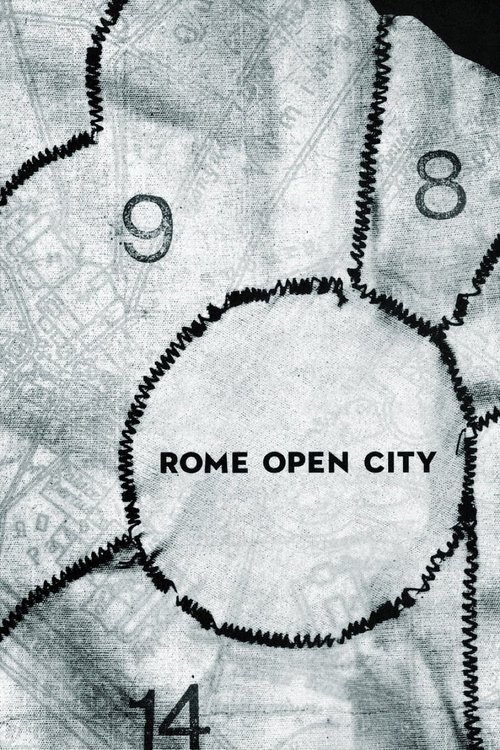
Rome, Open City1945
Rossellini's neo-realist masterpiece captures occupation and betrayal in Rome with the same unflinching eye Wenders brings to Paris. Raw, morally complex, and skeptical of easy heroism.
But Grim and didactic at moments. The post-war context may feel distant if you're not anchored to that history.
Jeanne Dielman, 23, quai du Commerce, 1080 Bruxelles1976
Chantal Akerman's three-hour catalogue of a woman's routine. Like *Sign of the Lion*, it refuses narrative shortcuts and trusts repetition and duration to reveal the unbearable weight of ordinary existence.
But Watching someone cook and clean for three hours will seem pointless unless you surrender to its meditative rhythm. Not entertainment.

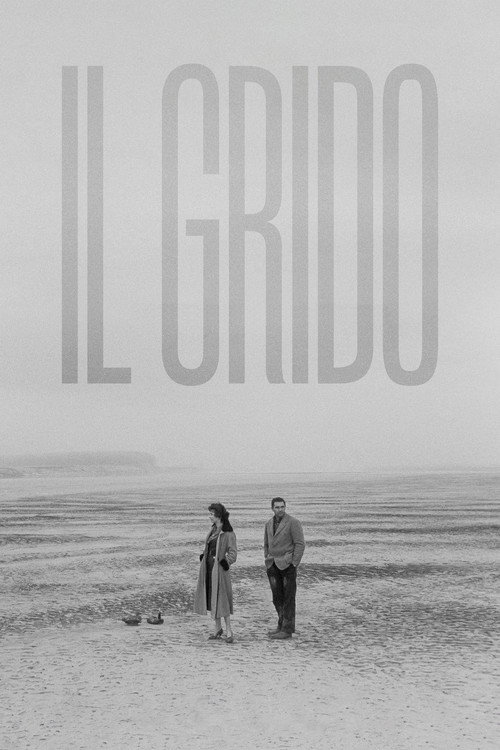
Il Grido1957
Antonioni again, but rawer—a man and his daughter drifting across industrial Italy after abandonment. Both films understand that social collapse and personal collapse are the same thing, filmed without sentiment.
But Punishing and bleak. The drift has no narrative momentum, and the ending offers no resolution, only acceptance of damage.
Hiroshima Mon Amour1959
Resnais' meditation on memory and survival in postwar Hiroshima. Like *Sign of the Lion*, it's a European art film that treats the body and the city as texts written by history, not choice.
But Abstract and fragmented. The temporal structure and philosophical density will alienate anyone seeking conventional narrative.
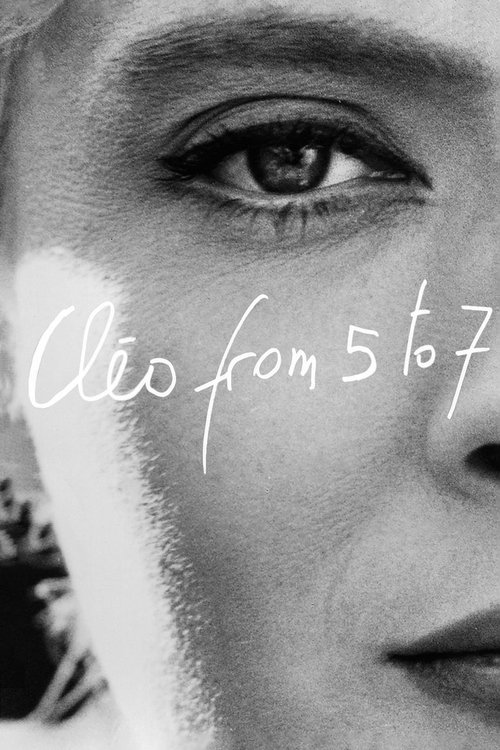
Cléo from 5 to 71962
Varda's real-time tracking of a woman's anxiety and self-discovery in Paris. Contemporary with *Sign of the Lion* and equally Paris-bound, but finds possibility where Wenders finds only entropy.
But Chamber piece pacing. If you need plot momentum or stakes beyond introspection, it will feel slight.
Stalker1979
Both films trust duration and landscape to do the work of psychology. Where *Sign of the Lion* makes Paris a machine of attrition, *Stalker* makes a fictional zone a mirror for the soul. Same formal grammar, opposite metaphysics.
Tarkovsky's three-hour science-fiction meditation on desire, faith, and the zone between what we want and what we can bear. Hypnotic, metaphysical, and shot with the same patient documentary eye Wenders brought to Paris—but in service of the numinous rather than the damned.
But Glacial pacing and abstract philosophy. If you watch *Sign of the Lion* for character, this will feel like watching someone think in real time.

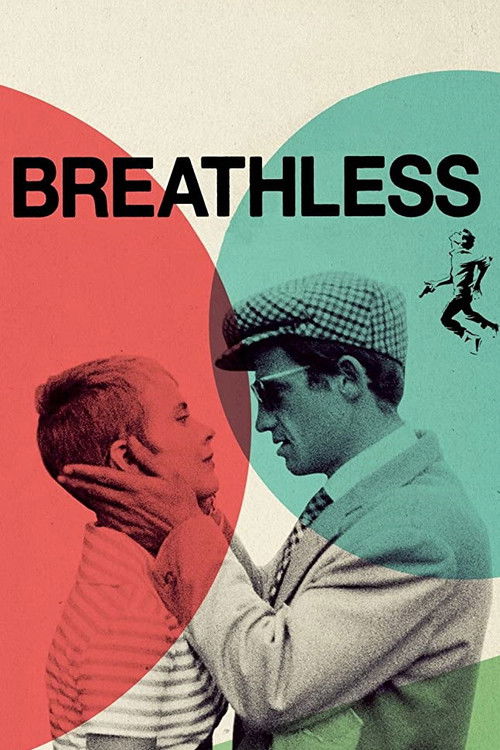
Breathless1960
Both films are about young men in Paris in the early '60s who cannot survive the gap between their self-image and the world's indifference. *Breathless* celebrates the refusal; *Sign of the Lion* documents the cost. Two versions of the same tragedy, one romantic, one ruthless.
Godard's debut is the New Wave crystallized: a young thief in Paris performing identity until performance collapses into consequence. Fragmented, energetic, and alive in ways *Sign of the Lion* is not—but the engine is identical: freedom vs. system, style vs. survival.
But Deliberately discontinuous editing and self-conscious theatricality. If you want realism, it's performed realism, and the affectation may obscure rather than clarify.
People
Cast
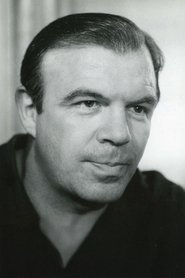 Jess HahnPierre Wesselrin
 Michèle GirardonDominique Laurent
 Van DoudeJean-François Santeuil
 Paul BiscigliaWilly
- Gilbert EdardMichel Caron
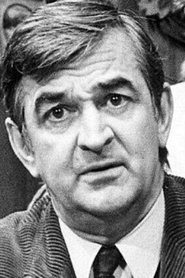 Christian AlersPhilippe
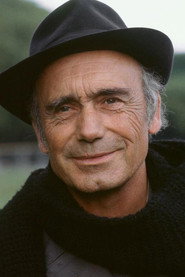 Paul CrauchetFred
- Jill OlivierCathy
- Sophie PerraultChris
 Stéphane AudranLa Patronne de l'Hôtel
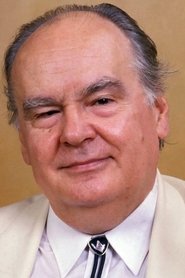 Jean Le PoulainLe Clochard
 Jean-Marie Arnoux(uncredited)
Directing
- Jean-Charles LagneauAssistant Director
- Éric RohmerDirector
- Helly SterianScript Supervisor
- Philippe CollinSecond Assistant Director
Writing
- Paul GégauffDialogue
- Éric RohmerScreenplay
Production
- Roland NoninDelegated Producer
- Claude ChabrolProducer
- Jean CotetProduction Manager
- Yvonne BenezechProduction Secretary
- Jean LavieUnit Production Manager