
Film
Il Grido
- Social drama
- Romance
- Very dark
A man's life unravels across the Po Valley after a brutal rejection. Antonioni's *Il Grido* is an ache dressed as neorealism—less about plot than the slow, almost physical sensation of displacement and shame. It's for anyone who's felt their world become foreign overnight, or who wants to sit inside heartbreak without looking away.
If you liked this
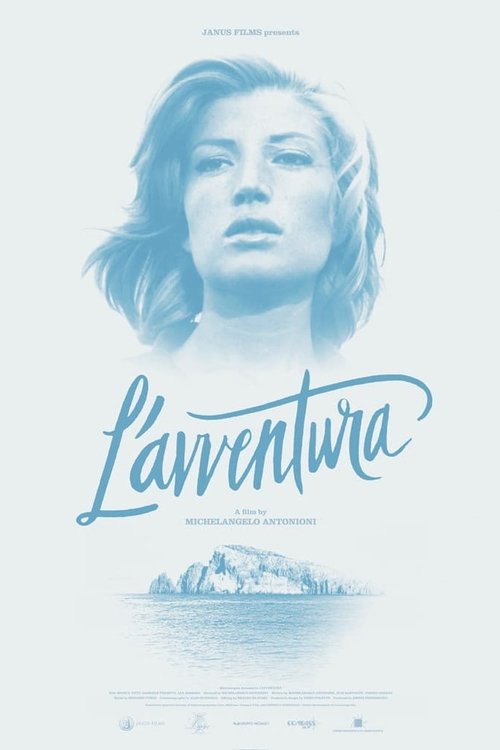
L'Avventura1960
Antonioni's masterpiece of emotional drift and social dissolution. A woman vanishes, but the film isn't interested in finding her—it's about how people fail each other. Visually extraordinary and deeply strange.
But The pacing is deliberate to the point of glacial. If you need forward momentum or clear motivation, this will feel like watching paint dry in a 150-minute static shot.
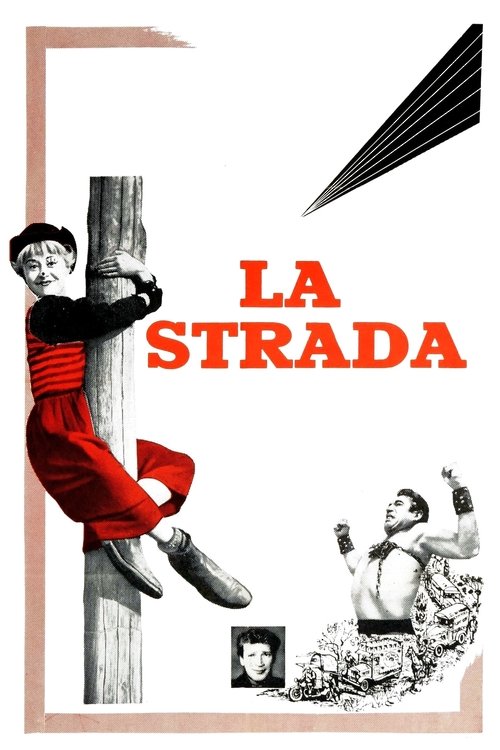
La Strada1954
Fellini's heartbreaker about a simpleton circus strongman and his abused companion. Raw, tender, grotesque—it finds tragedy in the margins and won't let you forget it. Giulietta Masina is extraordinary.
But The tone is wildly uneven—slapstick sits next to cruelty. Some find the whiplash jarring; others find it's the whole point. It doesn't soften the rough spots.
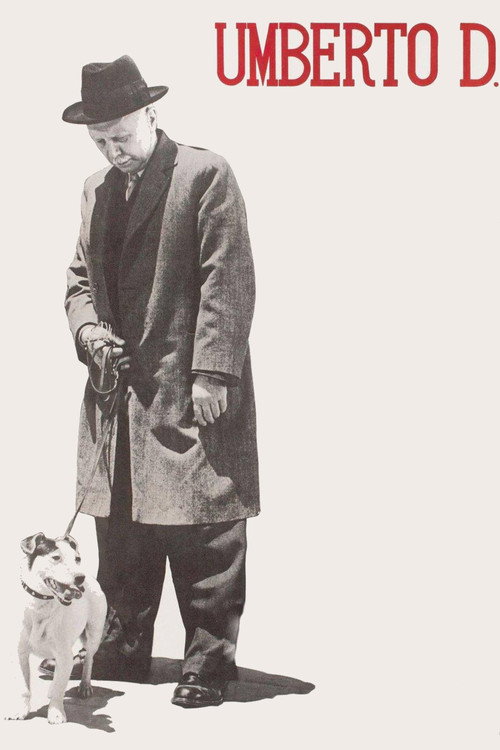
Umberto D.1952
De Sica's quiet devastation about a retired man and his dog facing eviction in Rome. Neorealism at its most human and least sentimental. It stays with you like a weight in your chest.
But Almost nothing happens. There's no arc, no triumph, no neat resolution. Some will feel it's pessimistic to the point of cruelty; others will recognize that as honesty.
Not sure tonight? Get a pick in a minute, starting from Il Grido
The wildcard
Something you would not have found on your own.
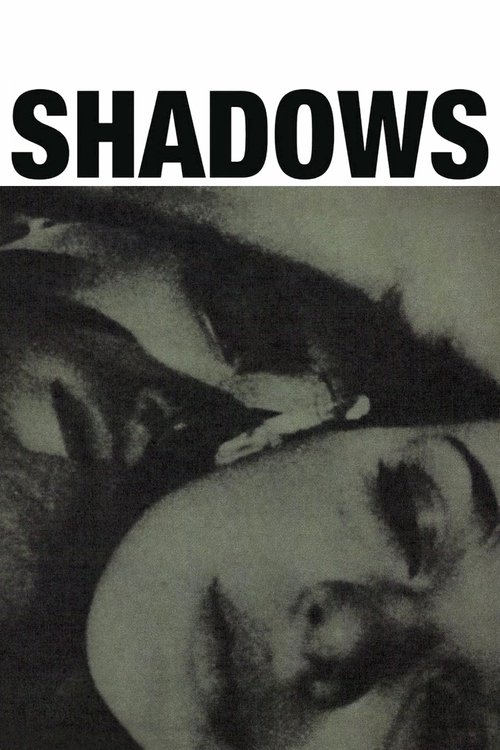
Shadows1960
Both are about men unmoored in their own country, drifting through landscapes that no longer know them. Both insist that ordinary life, observed closely, is enough.
Cassavetes' revolutionary mumble-core improvisation about race, identity, and belonging in New York. Made for $40,000, it feels more alive than films ten times its budget. Raw, funny, devastating—the birth of American independent cinema.
But It's intentionally shapeless and often incoherent. The sound is bad, the acting rough, the structure bewildering. Looks like a home video, which is precisely the point, but that won't comfort everyone.
More like this (8)
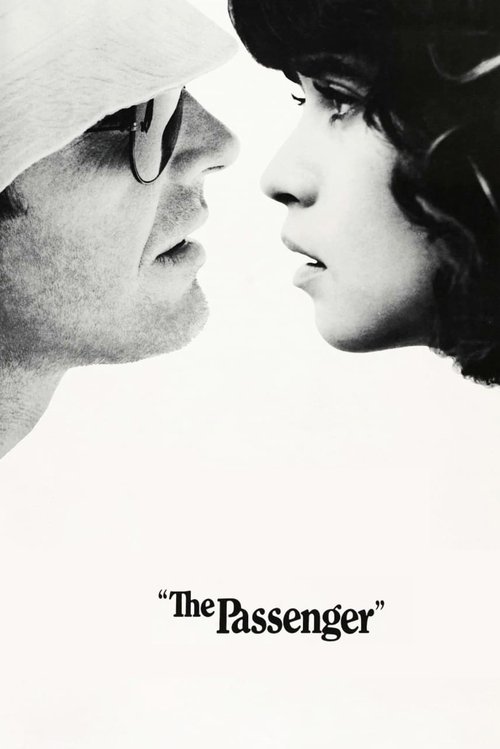
The Passenger1975
Antonioni again, this time with Nicholson—a man assumes a dead stranger's identity and finds it leads somewhere worse than his own life. Hypnotic exploration of identity and consequence, ending with one of cinema's perfect shots.
But Very long, very slow, and the philosophical premise matters more than the plot. If you want a thriller, you're looking at the wrong film.
Bicycle Thieves1948
De Sica's neorealist ur-text. A man and his son search Rome for a stolen bicycle—his only tool for survival. Simple, heartbreaking, and the argument for cinema as moral instrument.
But It's been canonized to death. Some find it too famous, too studied, too easy to admire rather than feel. The ending may feel too bleak.

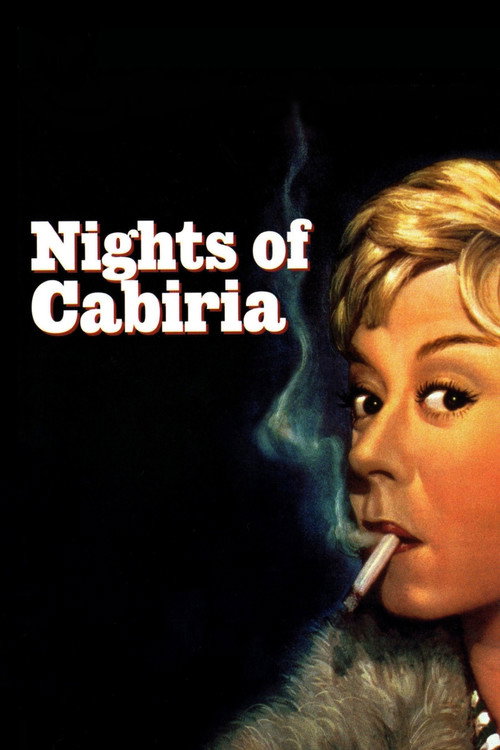
Nights of Cabiria1957
Fellini's prostitute heroine navigating Rome with strange grace and terrible hope. Masina again, luminous and true. A film about survival that never turns away from either dignity or damage.
But The episodic structure can feel unfocused. It's more about mood and character than narrative propulsion, which some find formless.
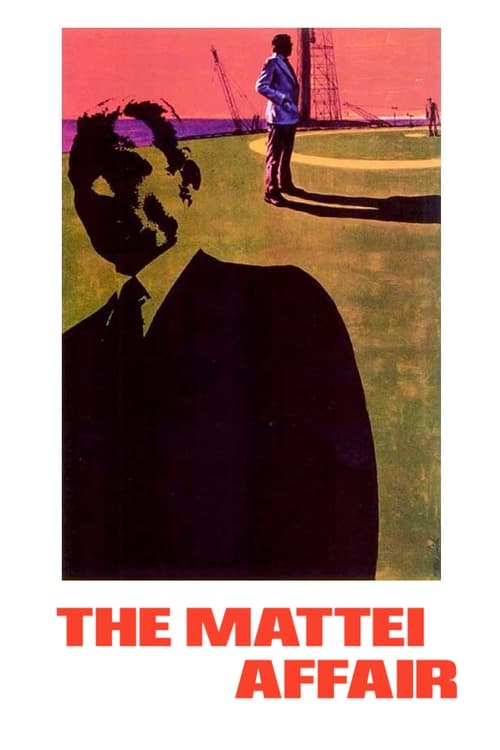
The Mattei Affair1972
Rosi's political thriller about power, corruption, and mysterious death in Italy. Beautifully made, quietly furious, and it builds dread without ever showing you the bomb.
But It's a procedural that privileges atmosphere over clarity. You won't always know exactly what's happening, and that's intentional. Some find it frustrating rather than engaging.
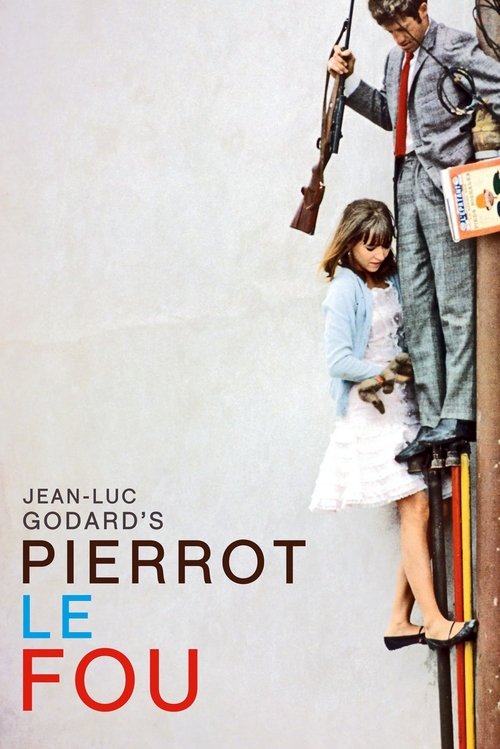
Pierrot le Fou1965
Godard's couple-on-the-run gets surreal, comic, and violent. Belmondo and Karina amid painted landscapes and existential crisis. Chaotic and gorgeous—cinema as jazz improvisation.
But It's fractured and self-conscious to the point of exhaustion. Godard's games don't always land, and the film knows it doesn't care. Patience required.
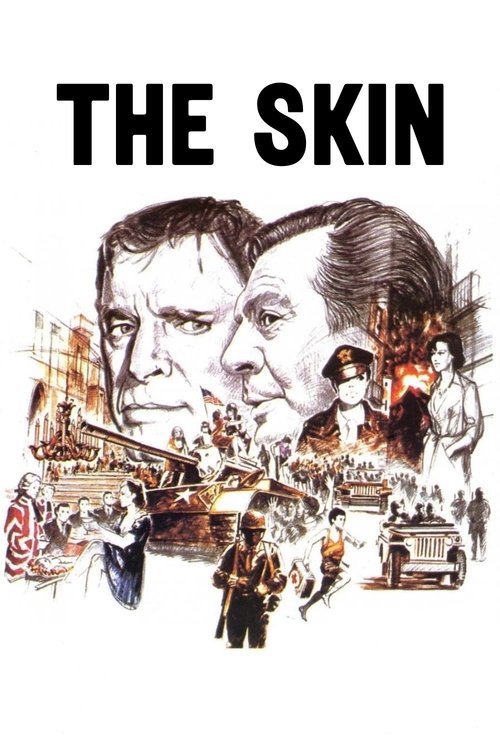
The Skin1981
Visconti's final film: American soldiers and Neapolitan hustlers in occupied Italy. Baroque, sensual, moral—a film about how war corrupts everything, including desire. Burt Lancaster is magnificent.
But Visconti's late style is ornate and sometimes overwrought. It can feel indulgent, and at 130 minutes it demands complete surrender. Not everyone's ready for that.
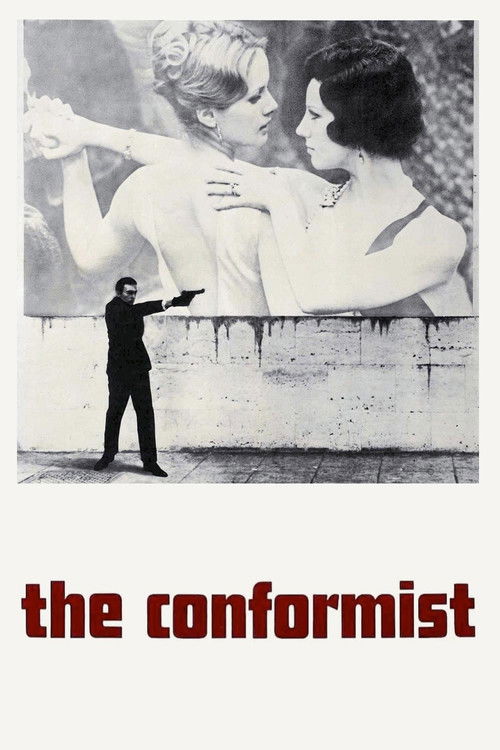
The Conformist1971
Both trace the spiritual cost of displacement and acquiescence. Both men choose wrong and then discover choice itself was the illusion.
Bertolucci's fascist who tries to disappear into normalcy but can't escape himself. Visually ravishing and morally complex. A film about how we use other people to hide from ourselves, told through architecture and shadow.
But The philosophical weight can feel heavy-handed. Some find it more interested in ideas than people, which is partly true. And it's oblique—it won't spell things out.
The Seventh Seal1957
Both were made in 1957 and both are obsessed with men confronting the void. Antonioni's void is modern and intimate; Bergman's is metaphysical and grand. But both know that once you see it, you can't unsee it.
Bergman's knight plays chess with Death itself. Medieval, metaphysical, funny in ways that hurt. It's about the search for meaning in a world that offers none, and it never feels didactic because it never pretends to have answers.
But It's famously dense and symbolic. To some it feels portentous and heavy; to others that weight is the whole point. The black-and-white cinematography won't appeal to everyone.

People
Cast
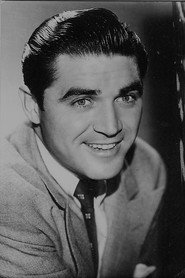 Steve CochranAldo
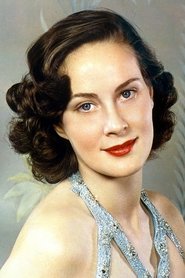 Alida ValliIrma
 Dorian GrayVirginia
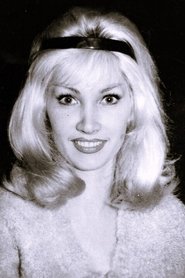 Jacqueline JonesAndreina
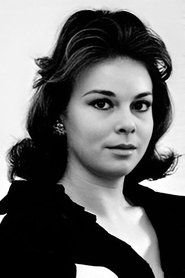 Gabriella PallottaEdera
- Pina BoldriniLina
- Guerrino CampanilliVirginia's Father
- Mirna GirardiRosina
- Gaetano MatteucciEdera's Fiancé
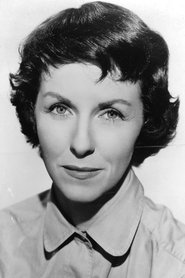 Betsy BlairElvia
- Pietro CorvelattiFisherman (uncredited)
Directing
- Luigi VanziAssistant Director
- Sergio ZavoliAssistant Director Trainee
- Michelangelo AntonioniDirector
- Elvira D'AmicoScript Supervisor
Writing
- Elio BartoliniScreenplay
- Ennio De ConciniScreenplay
- Michelangelo AntonioniScreenplay
- Michelangelo AntonioniStory
Production
- Alberto GiommarelliAssistant Production Manager
- Ralph PintoExecutive Producer
- Franco CancellieriProducer
- Danilo MarcianiProduction Manager
- Alfredo PitteriProduction Secretary
- Tiziano MaccaferriProduction Secretary
- Angelo BinarelliProduction Supervisor