
Film
Kabuliwala
A 1961 Indian drama about an Afghan fruit vendor in Calcutta who forms a tender friendship with a local girl while battling homesickness and prejudice. Balraj Sahni delivers a career-best performance of quiet dignity. It's a film about displacement, belonging, and how love transcends borders—a gentle, aching masterpiece that proves cinema's power to make strangers feel like family.
If you liked this
Bicycle Thieves1948
De Sica's neorealist landmark about a man searching Rome for his stolen bicycle. Like Kabuliwala, it finds profound humanity in everyday hardship and makes you ache for characters society overlooks.
But Shot in a deliberately unglamorous style on real streets with non-professional actors. It moves at a deliberate pace and refuses catharsis.

The Third Man1949
Carol Reed's masterpiece captures post-war displacement and the disillusionment of outsiders in a foreign city. It has Kabuliwala's sense of a man unmoored, watching life through glass.
But The famous zither score becomes repetitive. It's shadowy and morally murky in ways that can feel distant.

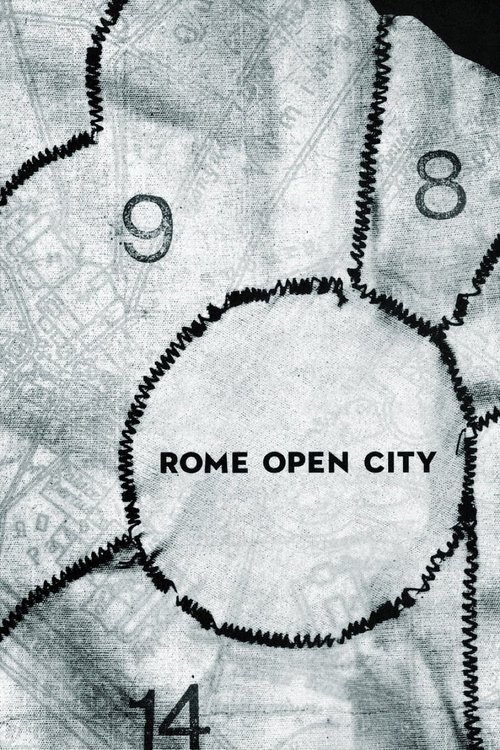
Rome, Open City1945
Rossellini's neorealist classic about ordinary people surviving occupation. Like Kabuliwala, it finds heroism in small acts of loyalty and love amid systemic indifference.
But It's harder to watch—more violent, more desperate. The pacing is slow by modern standards.
Not sure tonight? Get a pick in a minute, starting from Kabuliwala
The wildcard
Something you would not have found on your own.
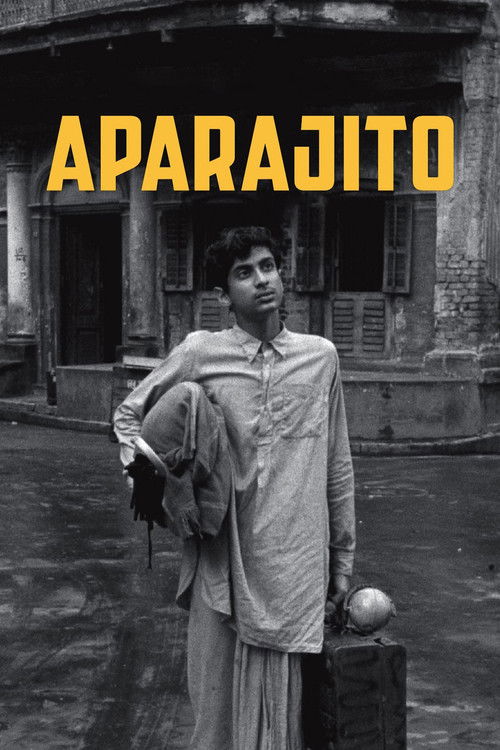
Aparajito1956
Both examine the ache of displacement and belonging; both pit the outsider against an indifferent city; both find dignity in people society undervalues.
Ray's sequel to Pather Panchali follows a young man leaving his village for the city, becoming a stranger in a new place. It flips Kabuliwala's lens—exploring what happens when you're the outsider not because you're foreign, but because you've left home behind.
But It requires seeing the first film to fully land. The narrative is even more diffuse than Pather Panchali, with long stretches where little happens.
More like this (8)
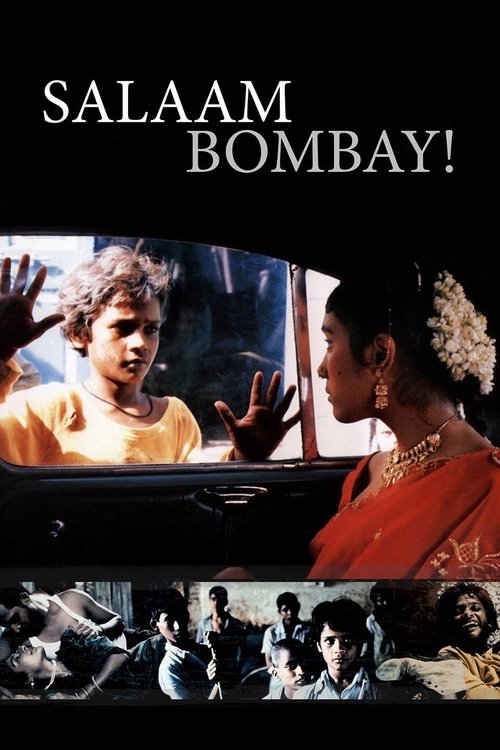
Salaam Bombay!1988
Mira Nair's Mumbai story of street children and migrants. It shares Kabuliwala's compassion for the displaced and its refusal to look away from poverty without condescension.
But Much bleaker and more explicit about exploitation. The hand-held style can feel chaotic if you're not in the mood.
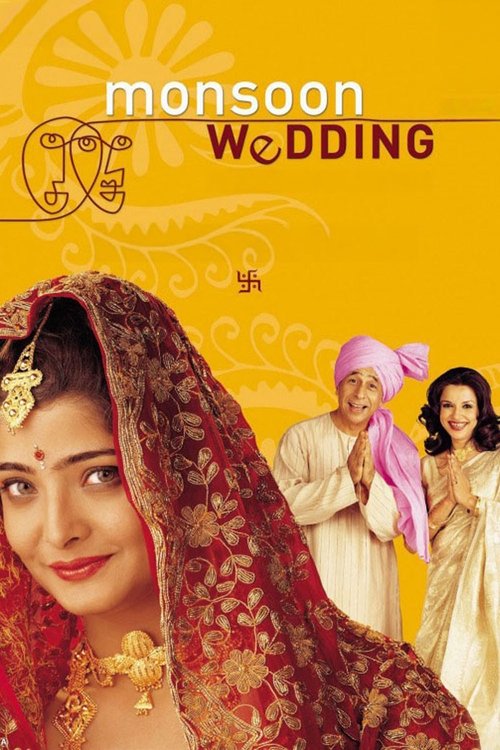
Monsoon Wedding2001
Also from Mira Nair, set in Delhi with a sweeping ensemble. It captures that same texture of Indian life and cross-cultural connection that gives Kabuliwala its warmth.
But It's a wedding comedy-drama, so much lighter in tone. Some subplots feel thin compared to the main story.
Pather Panchali1955
Satyajit Ray's debut about a poor Bengali family. Ray and Kabuliwala director Dhiman Bandyopadhyay share a gift for finding poetry in daily struggle and deep affection in simple scenes.
But It's a slow film about rural poverty with minimal plot. Many find it distant because of its observational pace.

Stalker1979
Tarkovsky's meditation on faith and displacement. Like Kabuliwala, it moves through the world asking what home really means and whether longing can bridge impossible distances.
But It's nearly three hours of deliberate, meditative cinema. If you want plot, this will frustrate you.

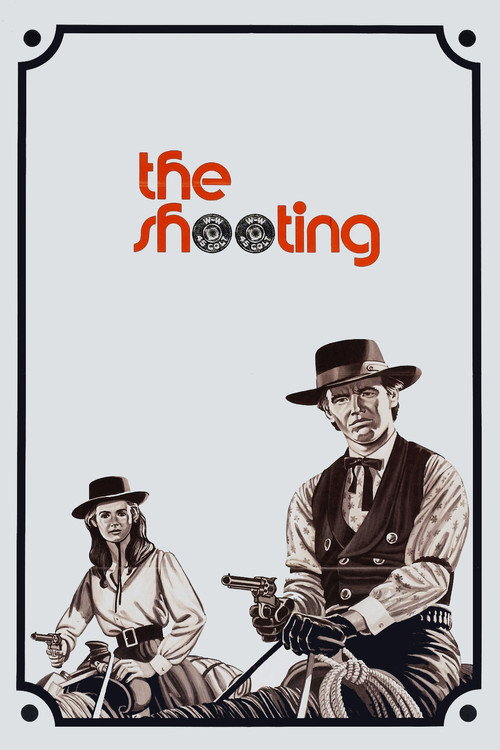
The Shooting1966
Monte Hellman's spare Western about strangers thrown together in an alien landscape. It shares Kabuliwala's quiet exploration of how outsiders navigate an unwelcoming world.
But Low-budget, sparse dialogue, more mood than incident. Easy to find slow if you're not attuned to its rhythm.
Ikiru1952
Kurosawa's portrait of a dying man finding meaning through human connection. Like Kabuliwala, it's about how we matter to each other and what we leave behind.
But It's fundamentally about mortality and offers resignation rather than hope. Can feel heavy.

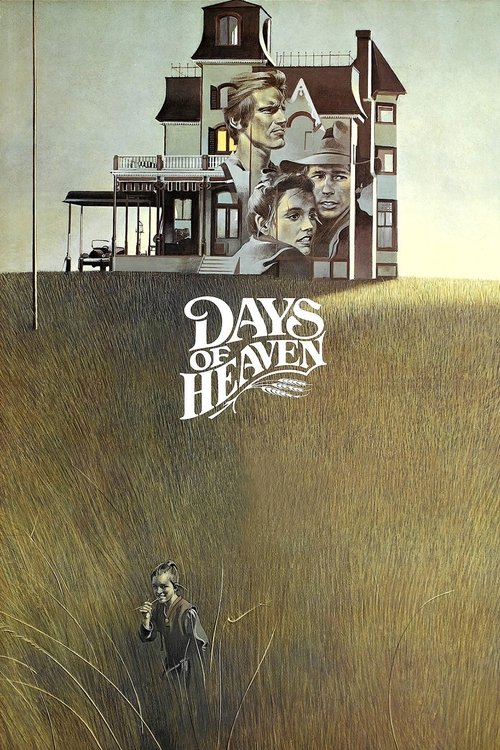
Days of Heaven1978
Both center an outsider/migrant trying to survive among people who resent him; both suggest that beauty and meaning persist despite hardship; both move like elegies.
Terrence Malick's poem about migrant workers in 1916 Texas. Shot by Néstor Almendros with painterly light, it transforms labor and homesickness into visual music. Kabuliwala told with images instead of words.
But Virtually no dialogue. Narrated by a child. Plot is thin and told obliquely. If you need to understand everything spelled out, this will feel impenetrable.
In the Mood for Love2000
Like Kabuliwala, it's structured around yearning and the spaces between people; both are about how close you can get to someone and still be entirely alone; both find poetry in loneliness.
Wong Kar-wai's Hong Kong noir about two neighbors discovering their spouses are having an affair. Formally dazzling—symmetrical, color-saturated, tragic. It's about longing and proximity and the impossibility of crossing distance, even when someone is in the next room.
But Style overwhelms substance for some. The plot is simple and the emotional arc is restraint to the point of numbness. Takes patience to enter its dream.

People
Cast
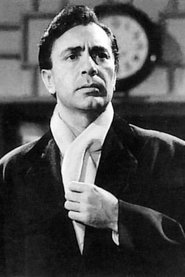 Balraj SahniAbdul Rehman Khan
- Baby SonuMini

 Usha KiranRama, Mini's Mother
Directing
- Kaushal ChatterjeeAssistant Director
- Mukul DuttAssistant Director
- Hemen GuptaDirector
Writing
- S KhalilDialogue
- GulzarLyricist
- Prem DhawanLyricist
- Vishram BedekarScreenplay
- Rabindranath TagoreShort Story
- Rabindranath TagoreStory
Production
- Leela DesaiAssociate Producer
- Bimal RoyProducer
Recommended by
Balika Badhu, Chameli Ki Shaadi, A Soft Note on a Sharp Scale