
Film
A Soft Note on a Sharp Scale
A 1961 Bengali film set in post-Partition Calcutta, following two factions of the leftist IPTA theater movement locked in creative and political conflict. A love story blooms between two refugee actors amid the ideological turbulence. Intimate, thoughtful, suffused with music and the particular melancholy of artists trying to build something meaningful from ruins.
If you liked this
Pather Panchali1955
Satyajit Ray's masterpiece set in rural Bengal, similarly focused on ordinary lives and emotional texture over plot. A foundational work of Indian cinema that shares this film's poetic realism and deep humanism.
But Moves deliberately, with long observational scenes. If you need narrative momentum or constant dramatic peaks, it will test your patience.

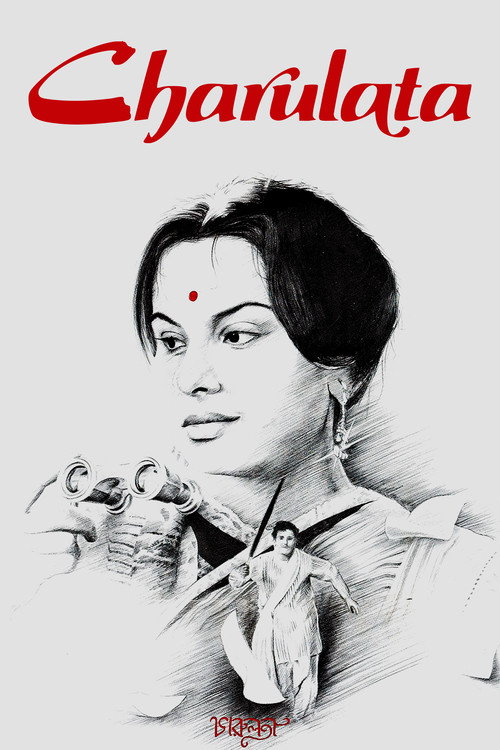
Charulata1964
Another Ray film about artists and intellectuals in Bengal, exploring creativity, marriage, and desire with the same sophisticated restraint. Beautiful black-and-white cinematography and chamber-piece intimacy.
But The emotional conflicts are interior and subtle. There's no confrontation, no raised voices—just the quiet erosion of certainty.
The Householder1963
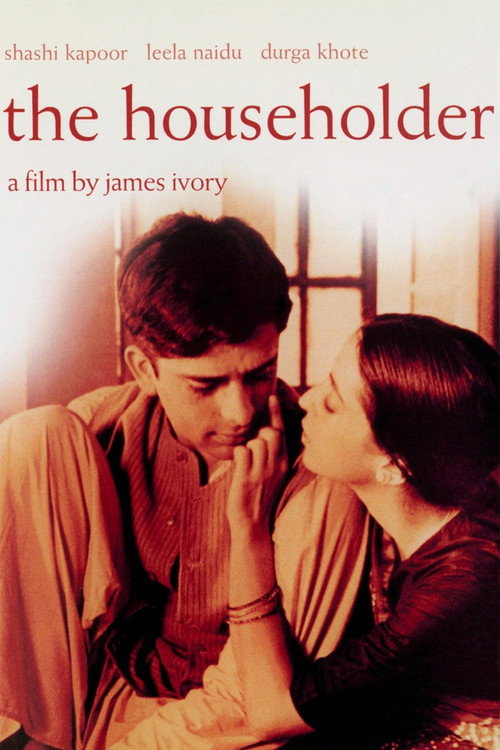
Merchant-Ivory's first film, set in Delhi, observing a young intellectual couple navigating marriage and compromise. Quiet, affectionate study of everyday struggles with a similar observational approach.
But Early Merchant-Ivory can feel slight compared to their later work. The restraint some find moving, others find underdeveloped.
Not sure tonight? Get a pick in a minute, starting from A Soft Note on a Sharp Scale
The wildcard
Something you would not have found on your own.
Ghayal1990
Both are serious national epics disguised as intimate dramas; both capture a specific historical moment of Indian turmoil through the bodies and choices of individual characters.
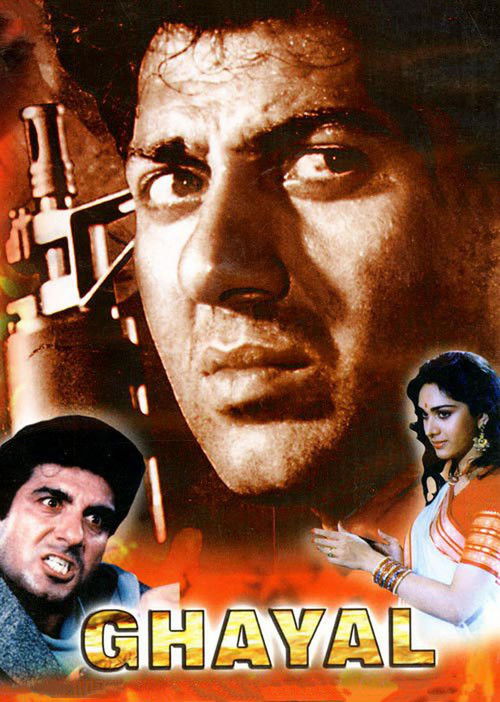
Sunny Deol's vigilante thriller set in Delhi, made during India's economic desperation of the early '90s. The connection: both are products of their moment—this film captures post-Liberalization rage the way *A Soft Note* captures post-Partition disillusionment. Deol's physicality and fury are the inverse of this film's intellectual restraint, yet both are serious meditations on what it means to be a displaced Indian.
But Tonally jarring shift from chamber piece to action cinema. The melodrama and violence may feel at odds with what you're looking for, and the film's politics are less subtle.
More like this (6)
Devi1960
Ray's exploration of superstition and belief in a Bengali household, equally focused on interior psychology and the collision between tradition and modernity. Darkly brilliant.
But The central tragedy is philosophically dark and morally unresolved. It offers no comfort or catharsis, only penetrating observation.

Kabuliwala1961
Tapan Sinha's adaptation of Tagore, about friendship across cultural divides, with similar period Bengali setting and emotional sophistication. Gentle but profound.
But Sentimental in places where a modern viewer might want more edge. The melodramatic moments don't always land.
Three Daughters1961no page yet
Ray's two-part film of Tagore adaptations, especially 'The Postmaster,' exploring loneliness, displacement, and connection. Same aesthetic precision and emotional intelligence.
But The second story ('Samapti') feels lighter and more conventional. The film's uneven pacing may frustrate viewers seeking consistency.
Badhaai Ho2018
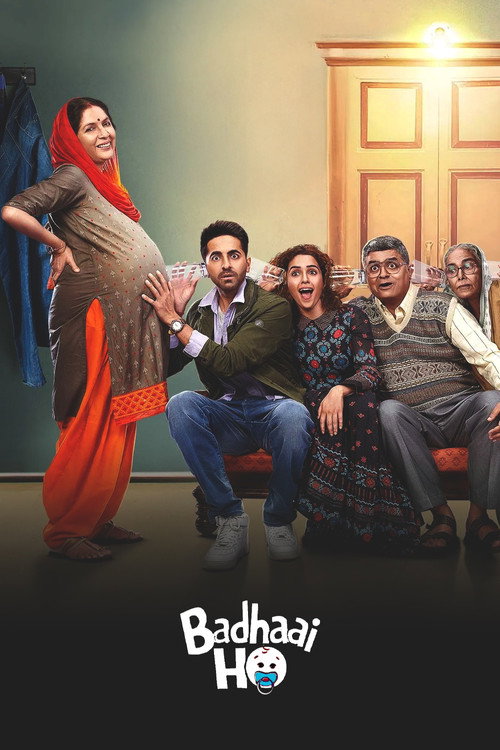
A modern Indian drama about family, aging, and unexpected joy, grounded in authentic dialogue and character observation rather than melodrama. Contemporary proof that intimate character-driven cinema thrives in Hindi film.
But The humor is gentle and culturally specific. Those expecting broad comedy or high stakes will find it too quiet and domestic.
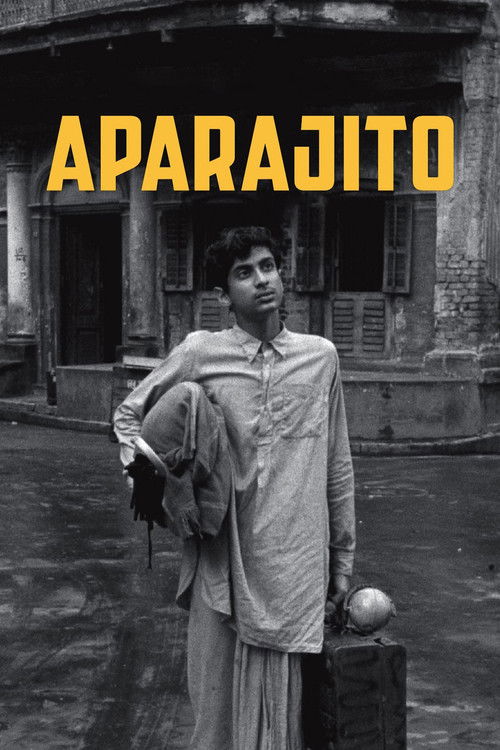
Aparajito1956
Ray's second Apu film, continuing his epic of middle-class Bengali life with the same documentary-like precision and emotional truth that defines his style.
But It's a middle installment, so stopping here leaves you wanting the third. The film itself is less dramatically self-contained than its predecessor.
Memories on Stone2014no page yet
Shares preoccupation with leftist cultural movements, memory, and how revolutionary art survives or disappears into history.
Documentary series examining archives, institutional memory, and how cultures preserve their revolutionary history. If *A Soft Note* examines artists grappling with Partition, this examines how movements like the IPTA itself are archived, forgotten, or reclaimed. The connection is not plot but historical consciousness—how do we remember what was political?
But A documentary series is a completely different experience from narrative film. Requires patience with archival material and academic framing; much less immediately emotionally engaging.
People
Cast
 Supriya ChoudhuryAnsuya
- Abanish BanerjeeBhrigu
 Anil ChatterjeeRishi
 Satindra BhattacharyaShibnath
 Gita DeyShanta
 Gyanesh MukhopadhyayDebu Bose
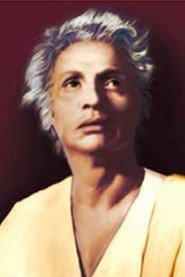 Bijon BhattacharyaGagan
- Satyabrata ChattopadhyayPrabhat
Directing
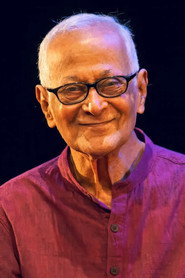
- Ritwik GhatakDirector
Writing
- Ritwik GhatakScreenplay
Production
- Ajit LahiriProducer
- Ritwik GhatakProducer
- Patito MondalProduction Manager
- Shailen GhoshProduction Manager