
Film
Occupation in 26 Pictures
- Drama
- Very dark
A 1978 Yugoslav film set in wartime Dubrovnik, tracing the fracture of a lifelong friendship between three men—one Italian, one wealthy, one Jewish—as fascism corrodes their bond and transforms their city into a place of horror. It's a precisely observed character study about how ideology poisons intimacy, shot with the cool restraint of someone who lived through what they're depicting.
If you liked this
The Leopard1963
Visconti's masterpiece about aristocratic decline during Italian unification—another portrait of a privileged world collapsing, told with operatic grandeur and aching humanism about what's lost when history sweeps in.
But Very long, very patient, and its beauty can feel distant. The pacing will frustrate anyone wanting plot propulsion over atmosphere.

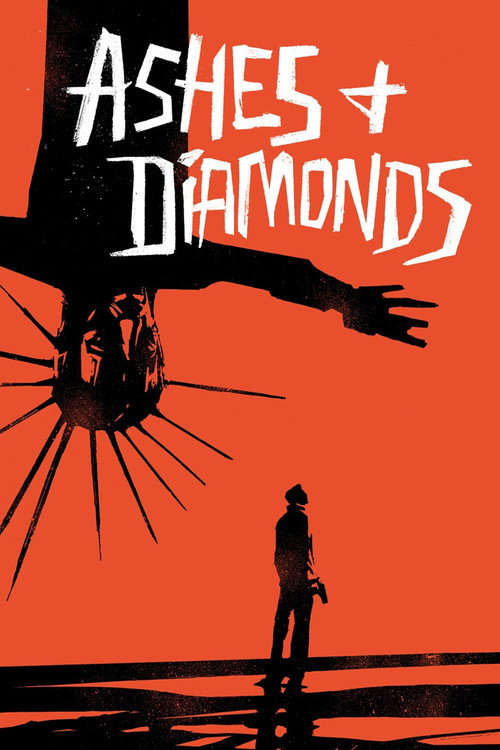
Ashes and Diamonds1958
Wajda's Polish classic about a young partisan in the final days of World War II, caught between orders and conscience. It has the same moral precision and the same refusal to offer easy answers about wartime loyalty.
But Shot in stark black-and-white and genuinely bleak. There's no catharsis here, only the weight of impossible choices.
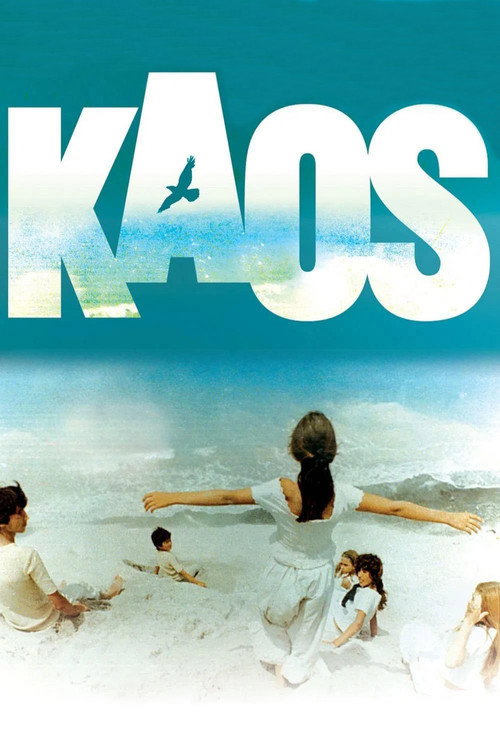
Kaos1984
Taviani brothers' film of Pirandello stories set in Sicily during unrest—another meditation on friendship, betrayal, and how the personal dissolves under historical pressure, with their visual poetry intact.
But Anthology structure means no single plot to grip you. Some stories land harder than others.
Not sure tonight? Get a pick in a minute, starting from Occupation in 26 Pictures
The wildcard
Something you would not have found on your own.
The Notebook2004
Both are Yugoslav films from the 1970s-80s made by witnesses, using restraint and fragmentation to capture how fascism corrupts intimacy. Both refuse melodrama about atrocity.
A Slovenian film—from the same Yugoslav space—about a bourgeois couple during WWII occupation, told entirely through fragmentary diary entries and photographs. It's a formally radical approach to the same historical moment and the same collapse of private life into public horror.
But Barely a narrative at all; it's closer to a visual essay. If you need conventional storytelling, this will feel like watching someone else's archive rather than a film.
More like this (7)
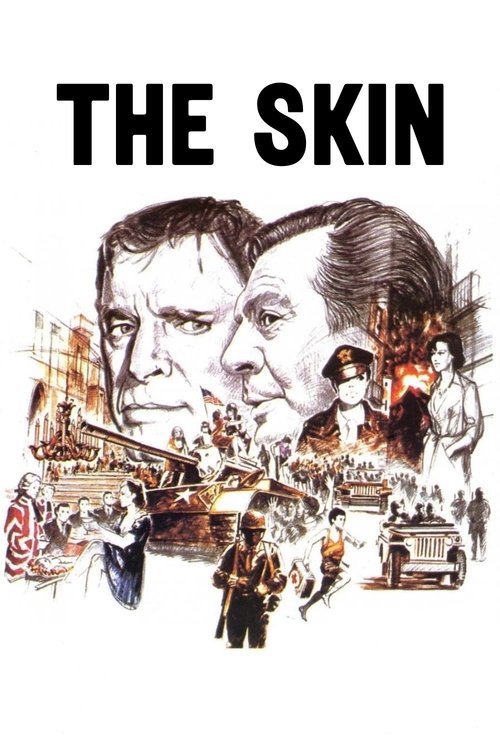
The Skin1981
Cavani's unflinching look at Naples during WWII occupation, following a young man's sexual and moral awakening amid fascism. It has the same unflinching gaze at complicity and desire under extremity.
But Sexually explicit and genuinely disturbing. Not interested in your comfort or reassurance about human nature.
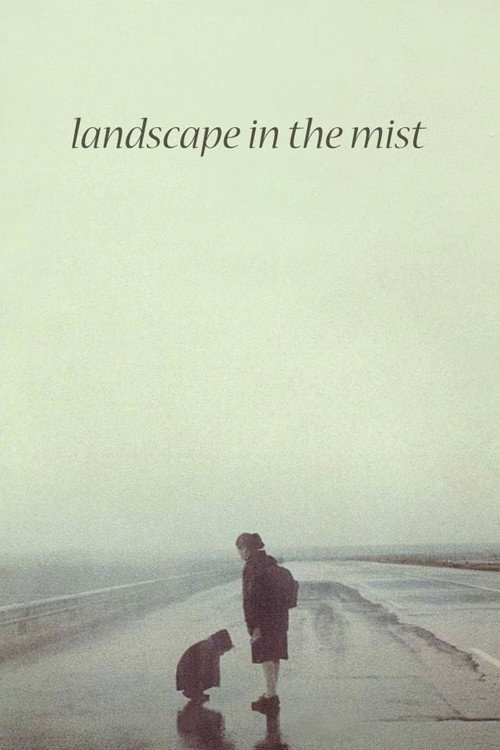
Landscape in the Mist1988
Angelopoulos on the Greek-Albanian border, following two children searching for their father. Like Occupation, it's a Balkan film about displacement and the wreckage of friendship and family under geopolitical pressure.
But Glacially paced, densely symbolic. If you want realism over metaphor, this will feel opaque.
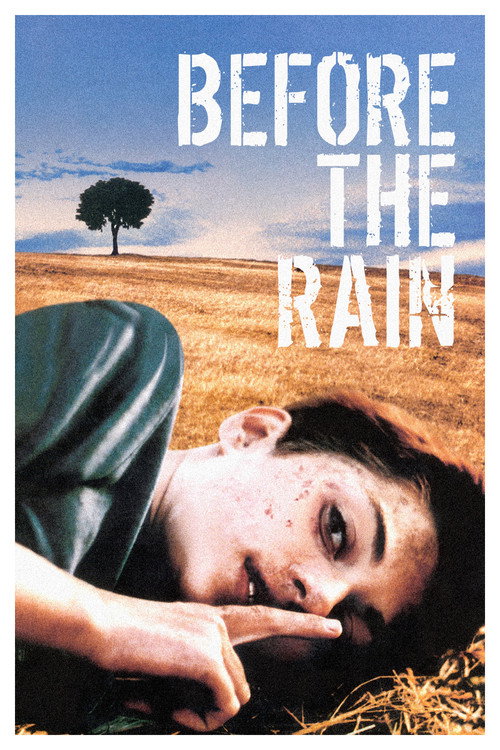
Before the Rain1994
Manchevski's Macedonian film about violence and love in the Balkans, structured in three interlocking stories. It catches the same region at a different moment, with comparable attention to how old hatreds resurrect.
But Its formal cleverness can feel like a distraction from its political claims. The three-act structure occasionally creaks.
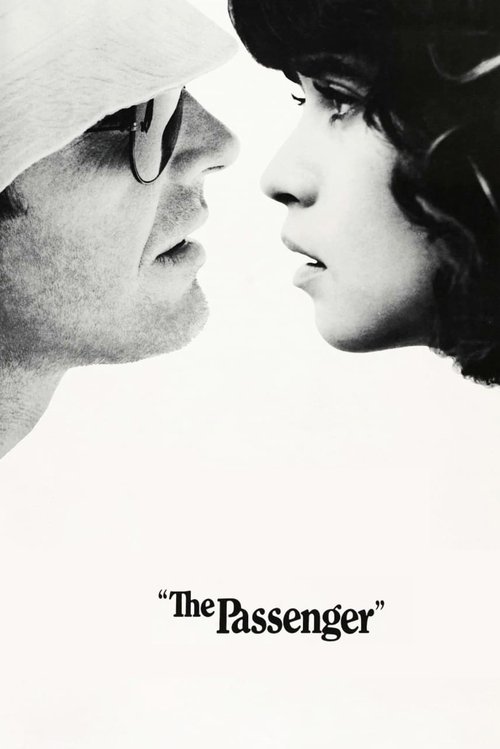
The Passenger1975
Antonioni's meditation on identity and complicity, following a man who assumes a dead man's identity. The theme of moral self-deception and how we evade our own nature echoes the Italian fascist's trajectory.
But Abstract and elliptical to the point of opacity. Plot matters less than mood, which won't suit everyone.
Come and See1985
Elem Klimov's Soviet film about a boy drawn into the Red Army during WWII. It's the most visceral anti-war film ever made, with the same unflinching refusal to sentimentalize either friendship or ideology under fire.
But Genuinely traumatizing and almost unwatchable in places. Its brutality is the point, which means it punishes the viewer as much as it enlightens.

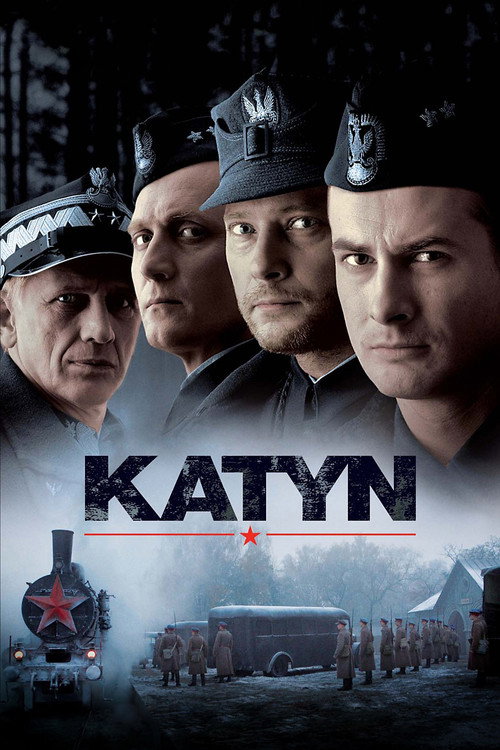
Katyn2007
Both are films by Eastern European directors about how their own nations suffered under totalitarianism, told with the restraint of people who won't exploit suffering for effect.
Wajda's late film about the 1940 Soviet massacre of Polish officers—a portrait of families destroyed by state machinery and historical lies. It has the same quiet fury, the same refusal to let ideology off the hook, and the same precision about grief.
But Polish cinema, Polish history, Polish pain. Unless you know the context, the emotional registers might feel distant rather than immediate.
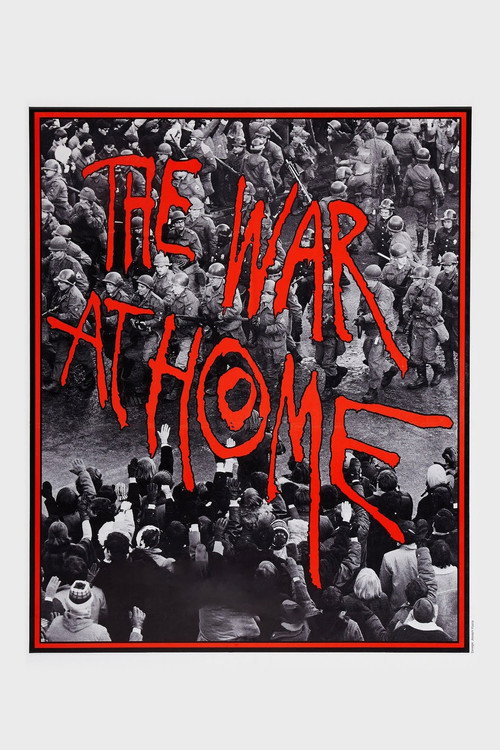
The War at Home1979
Both explore the fracture of male friendship and community under political pressure, and both recognize that the real war isn't distant—it's here, corroding what we love.
A documentary about the Vietnam War's impact on Madison, Wisconsin—radically different form, but the same structural insight: how distant history invades and destroys the bonds between neighbors and friends, turning ideology into violence at home.
But A documentary, not a drama, and American, not Yugoslav. Its interview-based approach is nothing like Occupation's controlled narrative, which might feel like a jarring shift.
People
Cast
 Frano LasićNiko
 Milan ŠtrljićToni
 Boris KraljBaldo
 Ivan KlemencMiho
- Gordana PavlovMara
 Stevo ŽigonHubička
 Bert SotlarStijepo
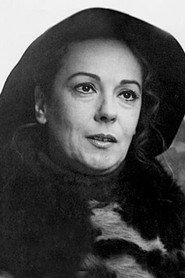 Marija KohnLuce
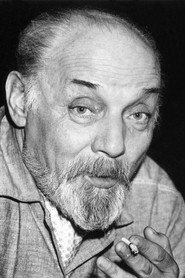 Karlo BulićPasko
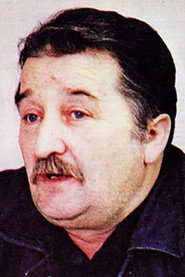 Zvonko LepetićGavran
 Milan ErakMaraš
Directing
- Lordan ZafranovićDirector
Writing
- Lordan ZafranovićWriter
- Mirko KovačWriter