
Film
Kaos
Other titles called Kaos: the 2024 series (Netflix).
Kaos is a 1984 Italian anthology film adapting Luigi Pirandello's short stories into five distinct, haunting tales. Director Paolo Taviani weaves together magical realism, folklore, and raw human drama—werewolves and ghosts sit alongside peasant struggles and family fractures. It's meditative, visually sumptuous, and deeply tied to Sicilian culture. For patient viewers who love cinema that trusts atmosphere over exposition.
Should you watch it?
Watch it if you like fables told with a folk storyteller's patience, where a Sicilian village's vanity, grief and superstition each get their own small, luminous chapter.
Skip it if you need a through-line or momentum, since these are separate stories with different casts and moods, and the three-hour sprawl can feel like a box of loose pages.
What it asks of you: Patience for a long sitting, since it runs about three hours and moves at the pace of a village afternoon, with long silences and sudden flashes of humour.
Not sure? Find tonight's pick in a minute.
If you liked this
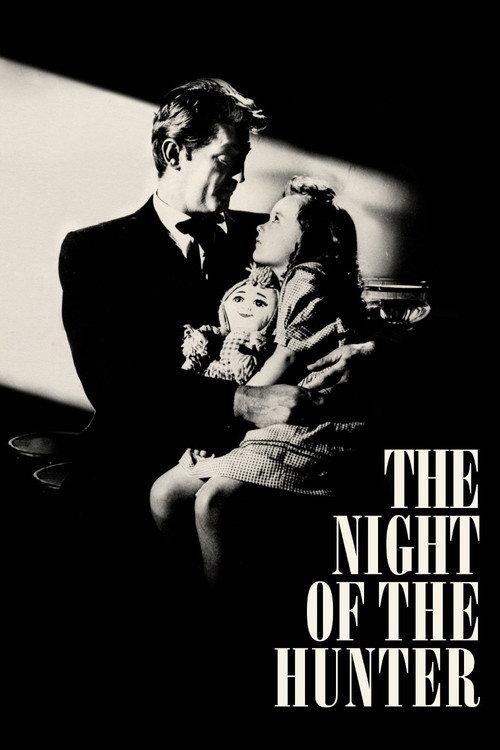
The Night of the Hunter1955
A masterpiece of American Gothic that also refuses easy morality. Like Kaos, it moves between registers—childhood wonder and genuine horror—and uses landscape as character. Hypnotic cinematography and a villain who fascinates more than he repels.
But It's a 1950s thriller, so pacing feels deliberate by modern standards. Some find its symbolism overwrought rather than effective.
Stalker1979
Tarkovsky's meditative science-fiction masterpiece shares Kaos's refusal to hurry. It's about longing and mystery, built from long takes and philosophical weight. Proof that cinema can be slow, strange, and absolutely gripping without plot mechanics.
But At 163 minutes, it demands surrender. Many viewers find it punishing rather than rewarding—glacial pacing that never releases.

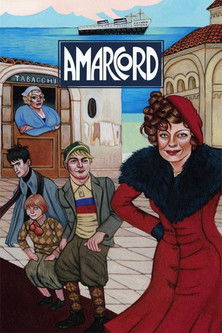
Amarcord1973
Fellini's sprawling, sensual memory-piece about a small Italian town. Like Kaos, it's an anthology structure rooted in place and folk life. Erotic, comic, melancholy—a carnival of human desire and time's passage. Essential viewing for anthology cinema.
But Episodic by design, so there's no narrative spine to carry you. The tone swings wildly, which exhilarates some viewers and frustrates others.
Not sure tonight? Get a pick in a minute, starting from Kaos
The wildcard
Something you would not have found on your own.
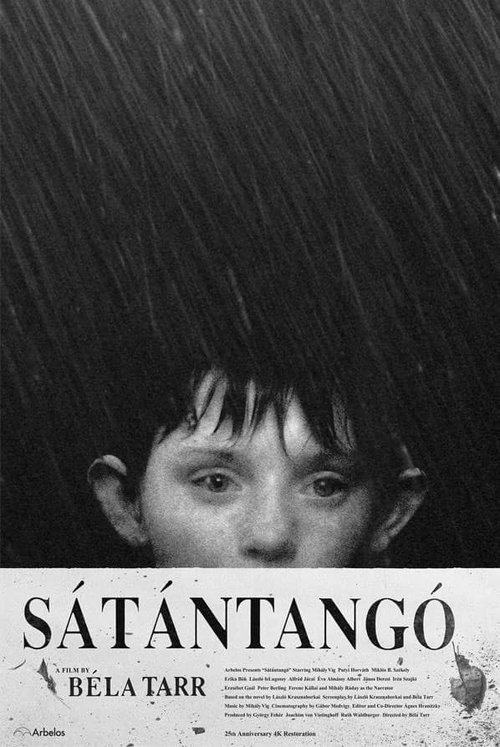
Satantango1994
Both are episodic moral dramas rooted in community and myth; both treat time as a substance you move through, not something that moves you.
Béla Tarr's seven-and-a-half-hour Hungarian masterpiece about a closed community and the return of a man presumed dead. Structured like Kaos as interconnected stories, but in black-and-white and with an almost hallucinatory slowness. Hypnotic.
But At 450 minutes, it's a commitment that will make most viewers feel they've been tested rather than entertained. Bleak beyond measure.
More like this (6)
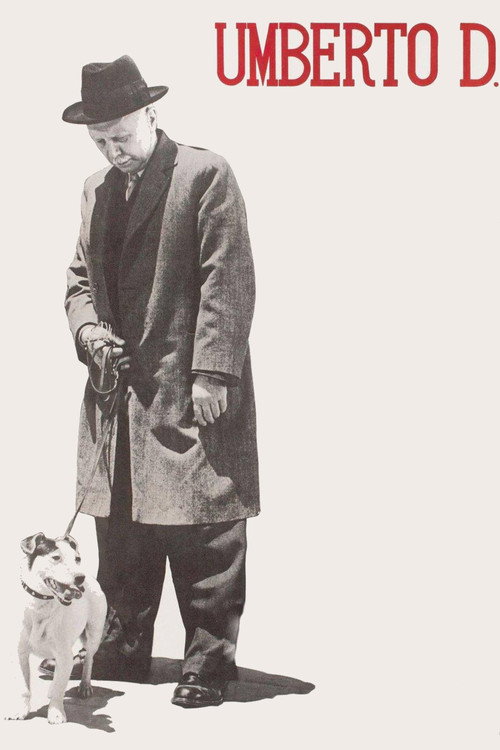
Umberto D.1952
De Sica's neorealist gem about aging and abandonment in Rome. The same attention to detail, dignity in hardship, and refusal of sentimentality that runs through Kaos. A small, perfect film that breaks your heart quietly.
But Nothing happens in the conventional sense. Plot and dialogue are minimal. If you need events to feel engaged, this will test your patience.
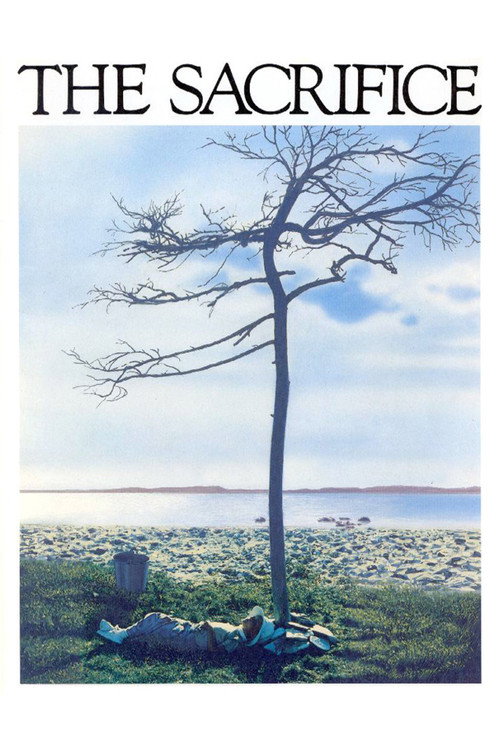
The Sacrifice1986
Tarkovsky's final film, a meditation on faith, duty, and apocalypse set in a Swedish family home. Like Kaos, it moves between the intimate and the cosmic, the everyday and the mystical. Haunting, slow-burn intensity.
But It's uncompromisingly difficult—long takes, sparse dialogue, a plot that resists conventional resolution. Tarkovsky's approach is not for everyone.
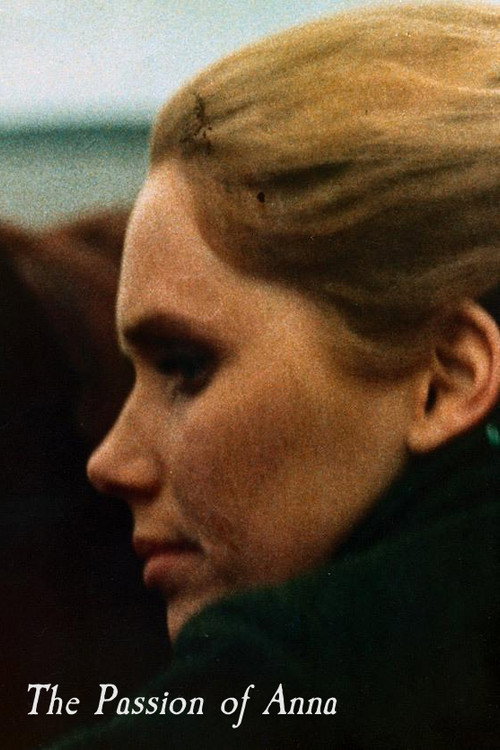
The Passion of Anna1969
Bergman's elliptical, fractured look at desire and disconnection. Like Kaos, it uses landscape—here, a sparse Swedish island—as a mirror for emotional states. Liv Ullmann is extraordinary. A chamber piece masquerading as intimate drama.
But The narrative dissolves rather than climaxes. Characters circle each other without resolution. The emotional coldness, though intentional, can feel alienating.
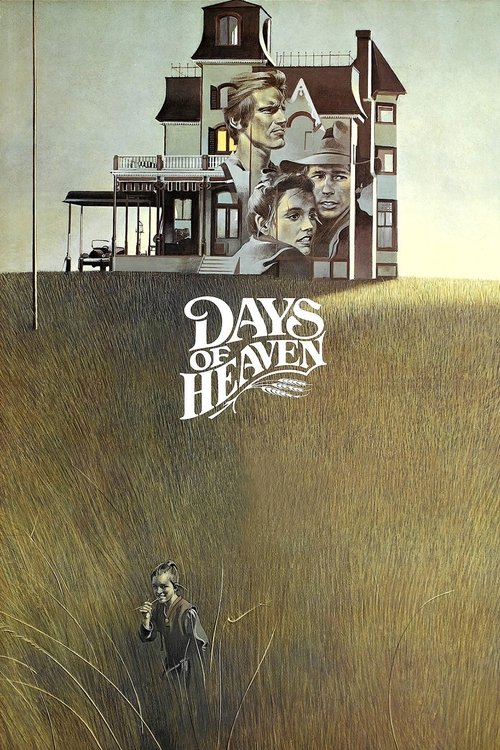
Days of Heaven1978
Malick's lush, elegiac vision of rural Texas and doomed love. Like Kaos, it privileges image and mood over plot clarity. Cinematography that feels painterly. A film that trusts you to feel rather than understand every gesture.
But Narration by a young girl feels precious to many; the vagueness of motivation can read as frustrating rather than poetic.
The Ballad of Little Jo1993
Greenwald's quiet, revisionist western about a woman passing as a man in the frontier West. Precise and unsentimental. Like Kaos, it treats marginal lives and survival with respect and moral complexity. Suzy Amis is remarkable.
But Low-key to the point of seeming subdued. Budget constraints show in the production design. Some find it too minor a film to sustain two hours.

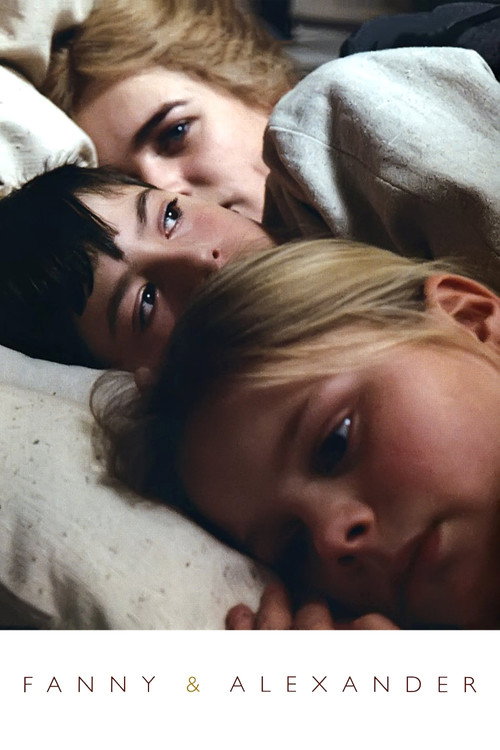
Fanny and Alexander1982
Both are mature reflections on family legacy and the supernatural elements that haunt ordinary life; both use ensemble casts and geographical rootedness to anchor their magic.
Bergman's Criterion-released family saga that moves between naturalism and magical realism. Like Kaos, it's an episodic structure about family bonds fraying and reforming, with a visual richness that suggests folklore. One of cinema's great achievements about childhood and time.
But At 188 minutes, it's as long as Kaos but demands concentration. The tonal shifts between realism and the supernatural can feel jarring.
People
Cast
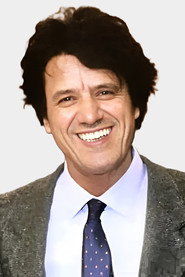 Franco FranchiZi' Dima (segment "La giara")
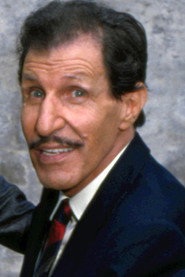 Ciccio IngrassiaDon Lollò (segment "La giara")
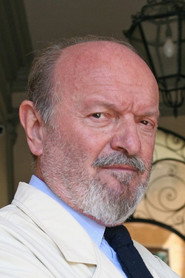 Omero AntonuttiLuigi Pirandello (segment "Colloquio con la madre")
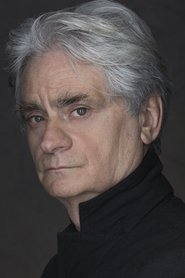 Claudio BigagliBatà (segment "Mal di luna")
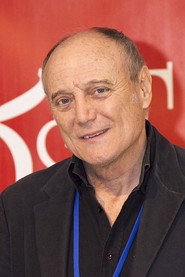 Massimo BonettiSaro (segments "Mal di luna" and "Colloquio con la madre")
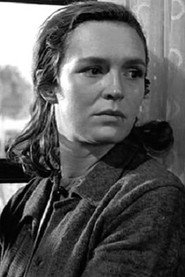 Margarita LozanoMariagrazia (segment "L'altro figlio")
- Orazio TorrisiComizzi (segment "L'altro figlio")
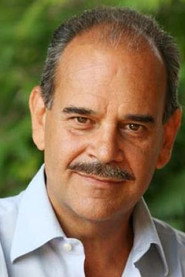 Carlo CartierThe Young Doctor (segment "L'altro figlio")
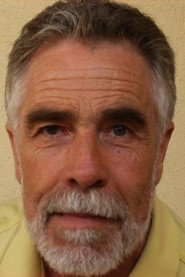 Biagio BaroneSalvatore (segment "Requiem")
- Laura MollicaThe girl / Francesca (segments "L'altro figlio" and "Requiem")
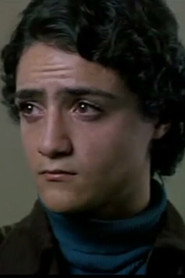 Giovanni MarsalaJeli (segment "La giara")
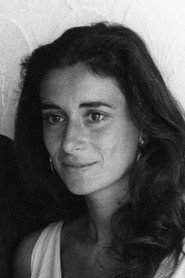 Enrica Maria ModugnoSidora (segment "Mal di luna")
Directing
- Paolo TavianiDirector
- Vittorio TavianiDirector
- Roberto AristarcoFirst Assistant Director
- Jacqueline PerrierScript Supervisor
- Giuseppe De SpuchesSecond Assistant Director
Writing
- Tonino GuerraCo-Writer
- Luigi PirandelloNovel
- Paolo TavianiScreenplay
- Vittorio TavianiScreenplay
Production
- Grazia VolpiLine Producer
- Giuliani G. De NegriProducer
- Barbara Galassi BeriaUnit Manager
- Claudio GaetaUnit Manager