
Film
Katyn
- Crime
- Very dark
Andrzej Wajda's *Katyn* confronts the Soviet massacre of Polish officers in 1940, a crime buried for decades by Cold War politics. Shot in austere black-and-white, it moves through four interconnected stories—a general's wife, a captured officer, a mother, a conspirator—each glimpsing truth through fog and silence. It's patient, anguished, unsparing about how atrocity survives through denial.
Should you watch it?
Watch it if you want a war film that treats history as a quiet, grinding weight on ordinary families, rather than as spectacle, and you are happy to sit with silence and restraint for two hours.
Skip it if you want battles, momentum or a clear hero to follow; this is slow, deliberately withholding and emotionally bleak, and its hush can feel like a long wait before anything happens.
What it asks of you: Around two hours of patient attention, with long unhurried scenes, sparse dialogue and a tone that stays sober and heavy from start to finish.
Not sure? Find tonight's pick in a minute.
If you liked this
Come and See1985
Elem Klimov's unflinching Soviet war film follows a boy conscripted into the Red Army, witnessing brutality that hollows him out. It shares Wajda's refusal to look away, and its moral horror deepens with every frame.
But Nearly three hours of escalating violence and despair. Not cathartic or redemptive. Watching it feels necessary rather than enjoyable.

The Pianist2002
Polanski tracks a Jewish musician's survival through Warsaw's occupation, told with similar restraint. Both films understand how history happens to individuals caught between murderous powers, leaving only fragments of choice.
But Focuses on one man's story. Some find the scale more digestible but less historically incisive than ensemble approaches.

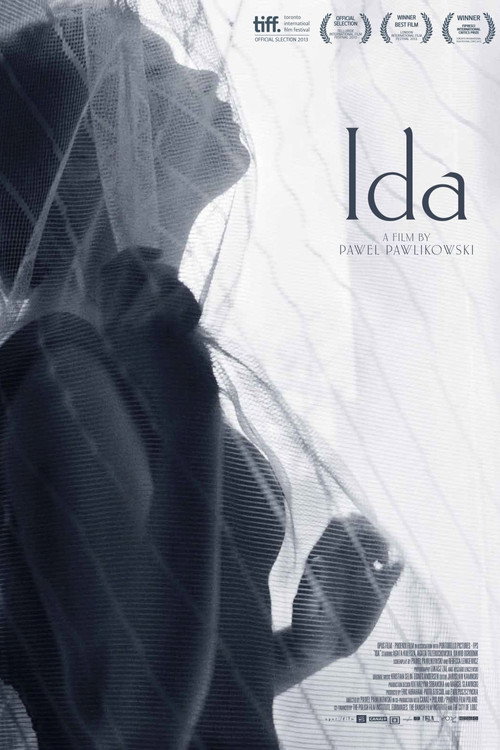
Ida2013
Another Polish film about buried history and Catholic identity. Pawel Pawlikowski photographs silence and doubt in black-and-white, asking what we owe to the dead and how we live with their ghosts.
But Deliberately paced and cryptic. If you need plot momentum or clear emotional beats, this will frustrate you.
Not sure tonight? Get a pick in a minute, starting from Katyn
The wildcard
Something you would not have found on your own.
The Lives of Others2006
Both films anatomize how totalitarian states weaponize denial. The Stasi spy in *The Lives of Others* is watching the same system that murdered Polish officers and made it disappear from history.
Florian Henckel von Donnersmarck's Stasi drama is set in East Germany, not Poland, but it's about the same totalitarian machinery that kept *Katyn* secret. A surveillance officer begins to see the humanity his system destroys. Morally lucid without preaching.
But A genre thriller, so it has plot mechanics and climaxes. If you want pure witnessing rather than narrative shape, this feels more constructed.

More like this (8)
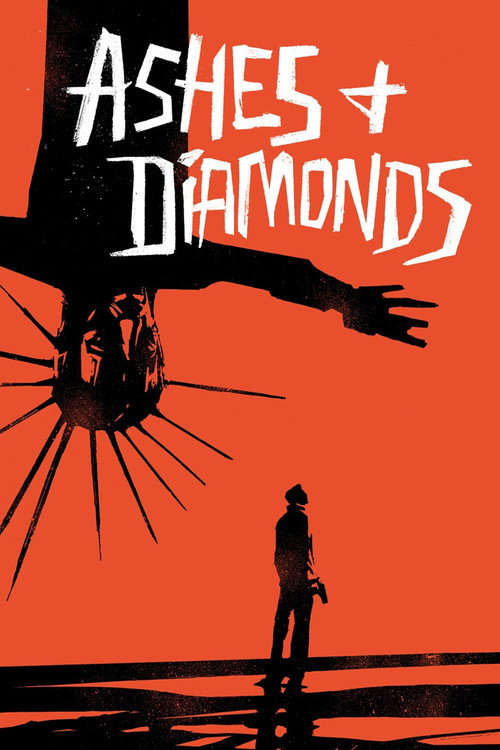
Ashes and Diamonds1958
Wajda's own masterpiece about Poland's collapse into Soviet control at war's end. It's the companion piece to *Katyn*—same director, same wound, seen from a different angle in the same historical moment.
But Shot in 1958, before *Katyn*, so it approaches the subject obliquely. Some viewers find its symbolism harder to parse than direct testimony.
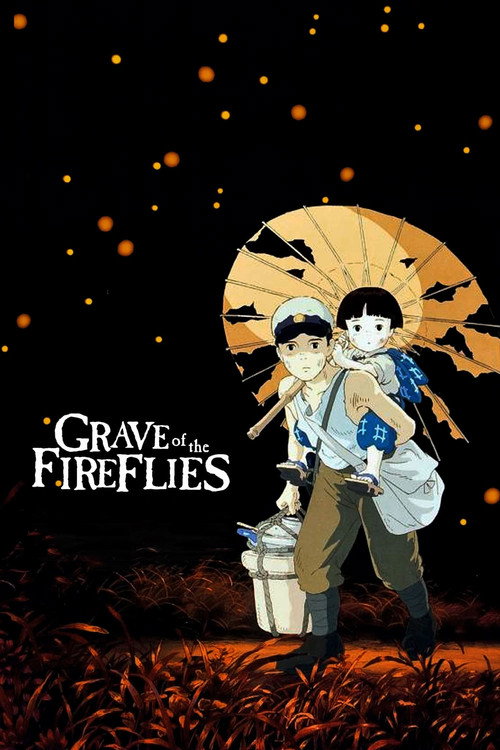
Grave of the Fireflies1988
Takahata's animation tracks two Japanese siblings starving in wartime. Its emotional precision and refusal of sentimentality make it unexpectedly close to *Katyn*'s spirit—grief without consolation.
But Animated. Some dismiss animation as inherently lighter; that's a mistake, but the bias exists. Also devastating in ways that linger.
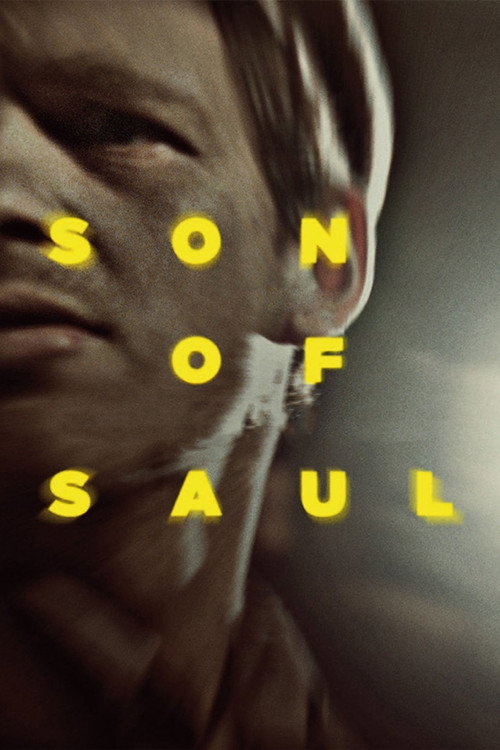
Son of Saul2015
László Nemes follows a Sonderkommando in Auschwitz over one day. Like *Katyn*, it stays close to one consciousness moving through systematic death, refusing grand perspective or redemption.
But Handheld, claustrophobic camera. The Holocaust as lived horror rather than historical event. Some find it too intimate, almost suffocating.
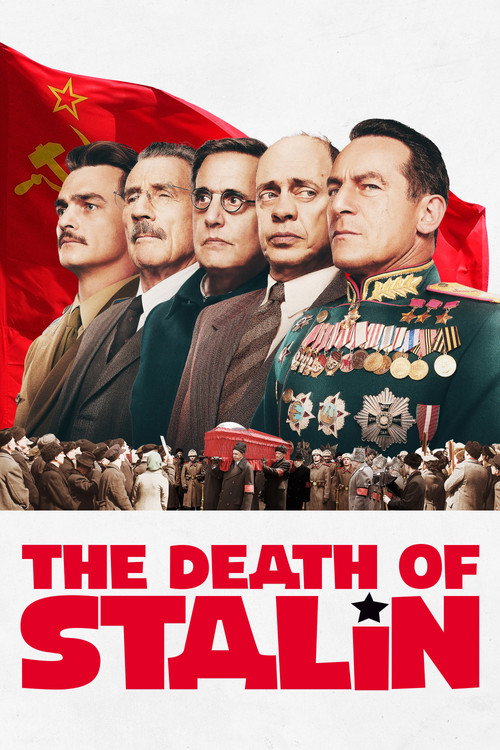
The Death of Stalin2017
Armando Iannucci's black-and-white Soviet political farce tracks the power struggle after Stalin dies. It's funny and furious about totalitarian absurdity, offering *Katyn*'s historical moment from a comic angle.
But Uses comedy to address atrocity and cover-up. If you need solemnity to feel the weight of history, the tone will read as irreverent.
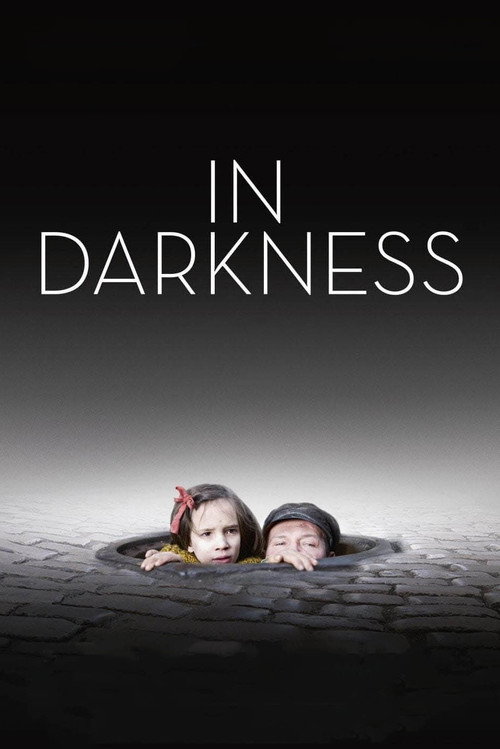
In Darkness2011
Agnieszka Holland's film follows Polish Jews sheltering in Lvov's sewers. Another Polish perspective on occupation and moral compromise, with similar attention to how survival requires impossible choices.
But Literally set in sewers for much of its runtime. The claustrophobia and filth are intentional and relentless. Not everyone can sit with that.
Shoah1985
Lanzmann's nine-hour documentary lets survivors and perpetrators speak without narration or music. It's the opposite of *Katyn* in method but shares the commitment to making silence visible and testimony the only monument.
But Nine hours. Demands total attention. Many find it more appropriate to read about than to watch, though that misses what witnessing gives you.

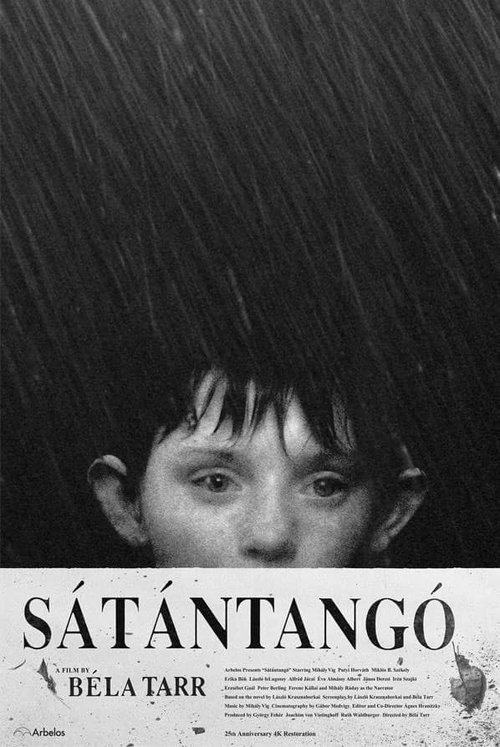
Satantango1994
Both films treat historical trauma as an atmosphere people live in rather than events to recover from. Tarr's commune is inhabited by the spiritual descendants of *Katyn*'s witnesses—people living after the world has already ended.
Béla Tarr's seven-and-a-half-hour Hungarian film moves through a collapsed socialist commune in grayscale. No plot. Just stillness, mud, and the weight of history pressing on people who've already surrendered. It's Wajda's catastrophism taken to its slowest, most hypnotic extreme.
But Genuinely difficult to sit through. Scenes hold for minutes. If you need narrative propulsion, this will feel like punishment rather than cinema.
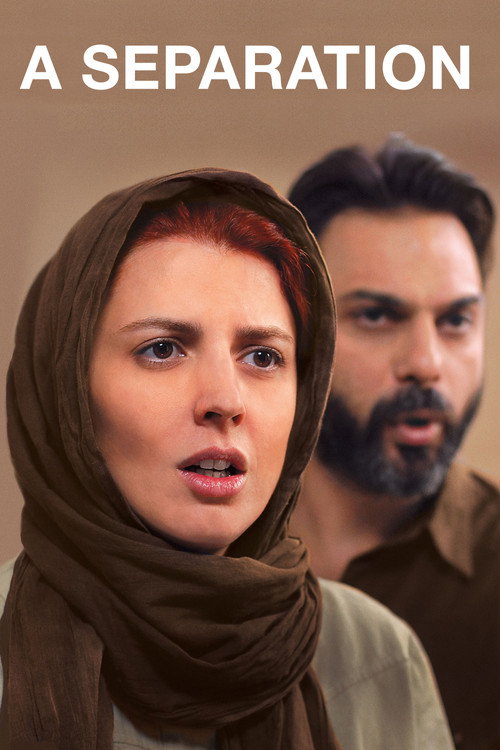
A Separation2011
*Katyn* asks what it means to survive a system that erases you. *A Separation* asks what it means to survive in a system that uses your own testimony against you. Same totalitarian logic, different register.
Asghar Farhadi's Iranian divorce drama seems unrelated until you realize it's about the same thing: how institutional power and personal morality collide, how truth becomes a weapon, how good people betray each other under pressure. Devastating clarity without a single war scene.
But Entirely domestic and contemporary. If you're looking for historical scope or military history, the intimacy might feel too small.
People
Cast
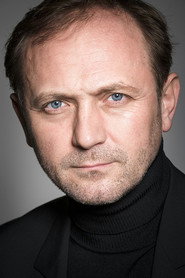 Andrzej ChyraJerzy
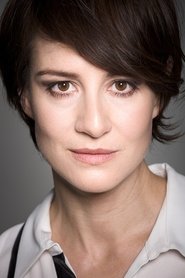 Maja OstaszewskaAnna
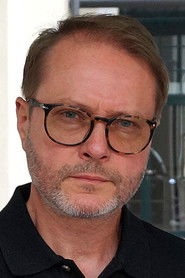 Artur ŻmijewskiAndrzej
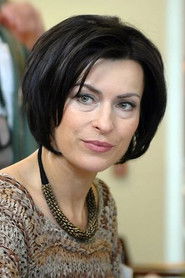 Danuta StenkaGeneral's Wife
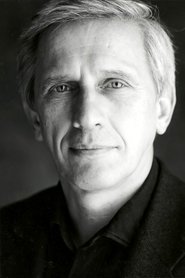 Jan EnglertGeneral
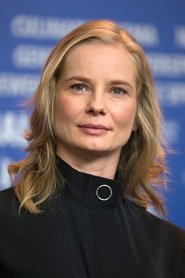 Magdalena CieleckaAgnieszka
 Agnieszka GlińskaSchool Director
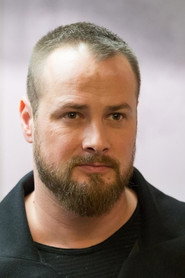 Paweł MałaszyńskiPilot Lieutenant
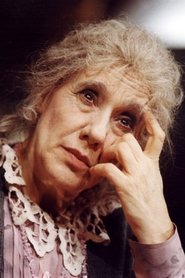 Maja KomorowskaProfessor's Wife
 Władysław KowalskiProfessor U. J.
 Antoni PawlickiTadeusz
Directing
- Andrzej WajdaDirector
- Anna ZenowiczScript Supervisor
- Kamilla ChołoniewskaScript Supervisor
- Ewa BrodzkaSecond Unit Director
- Marek CydorowiczSecond Unit Director
Writing
- Andrzej WajdaScreenplay
- Przemysław NowakowskiScreenplay
- Władysław PasikowskiScreenplay
- Andrzej MularczykStory
Production
- Ewa BrodzkaCasting
- Dominique LesageCo-Producer
- Katarzyna Fukacz-CebulaExecutive Producer
- Michał KwiecińskiProducer
- Kamil PrzełęckiProduction Manager
Recommended by
The Painted Bird, Ashes and Diamonds, Occupation in 26 Pictures