
Film
The Woman in Question
A 1950 British mystery where a fortune teller's murder is told through five conflicting eyewitness accounts. Each flashback reveals a different version of Agnes, her relationships, and her final days—a clever formal trick that asks whether we ever truly know anyone. Ingenious and intimate, a puzzle that trusts its audience completely.
Should you watch it?
Watch it if you like sharp whodunits where every suspect's flashback reshuffles your sense of who was lying and who was merely lonely.
Skip it if you want a brisk thriller, since this is talky and deliberately circular, and its fairground setting is more atmosphere than spectacle.
What it asks of you: Its 88 minutes stay compact, but you must hold five overlapping accounts in your head and stay patient while the same events are replayed from new angles.
Not sure? Find tonight's pick in a minute.
If you liked this
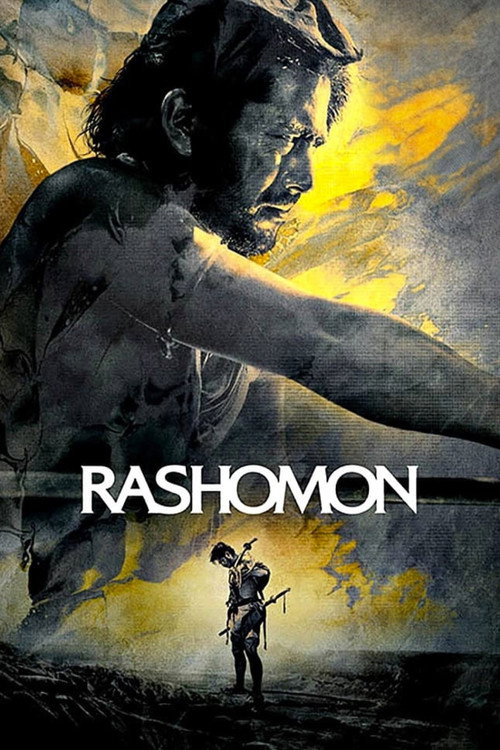
Rashomon1950
The foundational film about unreliable narration and subjective truth. Five witnesses to a crime each remember it entirely differently. Essential viewing that makes *The Woman in Question* click into its full context.
But Black and white Japanese cinema from 1950 moves slowly by modern standards, and the philosophical ambiguity frustrates viewers wanting clear answers.
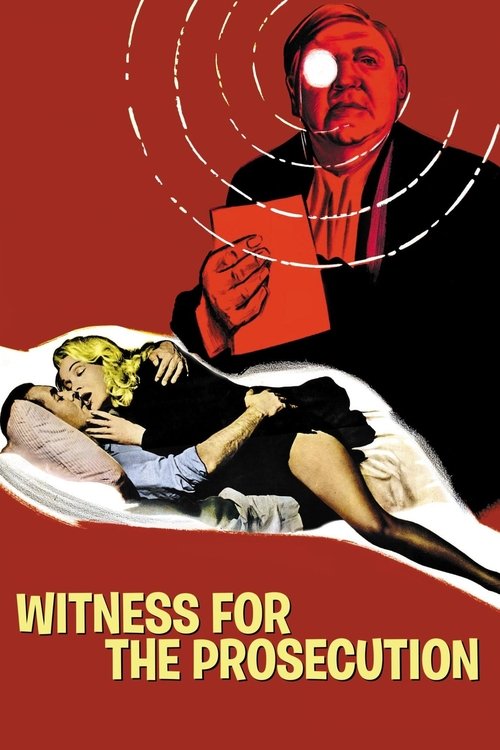
Witness for the Prosecution1957
Agatha Christie courtroom mystery with Billy Wilder's precision. Builds to a genuinely shocking reveal and manages both intellectual puzzle and human drama without sacrificing either.
But The final twist relies on information withheld from the audience, which some find cheap rather than clever.
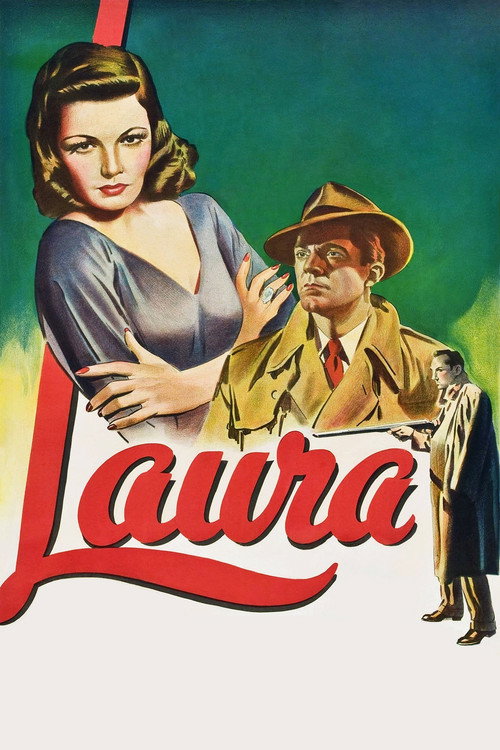
Laura1944
A detective drawn into obsession with a murdered woman's portrait. Stylish film noir where the mystery matters less than the corruption of the investigator's judgment—mood and ambiguity over mechanics.
But Slower and more dreamlike than plot-driven mysteries; the resolution is almost secondary to the atmosphere.
Not sure tonight? Get a pick in a minute, starting from The Woman in Question
The wildcard
Something you would not have found on your own.
Ikiru1952
Both films use fragmented perspectives and memory to construct a portrait of someone; both ask what remains when we're gone and how we're known by others.
Kurosawa's masterpiece: a dying bureaucrat discovers meaning by helping build a children's park. Like *The Woman in Question*, it reveals character through how others perceive and remember someone. But here the mystery isn't whodunit—it's what makes a life matter.
But Three and a half hours, Japanese, and profoundly sad. It doesn't provide easy catharsis or narrative resolution.

More like this (8)
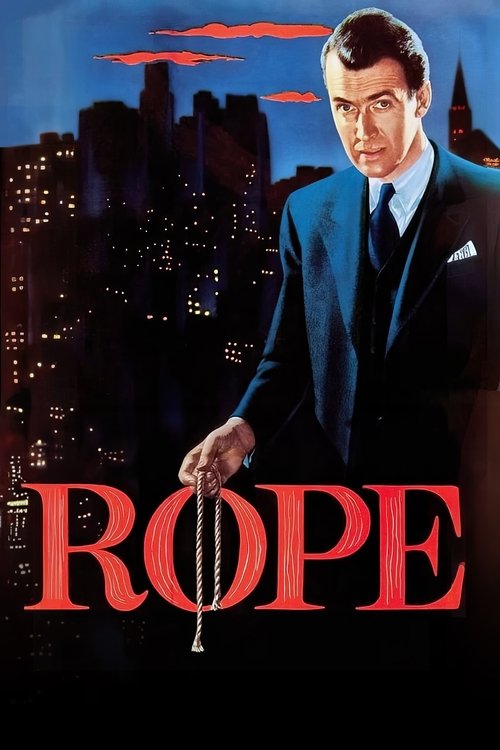
Rope1948
Hitchcock's real-time locked-room thriller where two murderers host a dinner party above their victim's corpse. Audacious formal constraint and unbearable tension with genuine wit.
But Theatrical and stagey by design; the gimmick of the unbroken take can feel like *the* point rather than invisible technique.
The Killers1946
Hemingway short story expanded into a noir masterpiece. A detective unravels why a man walked into an assassination without resistance—a meditation on fate, desire, and self-destruction.
But Structurally fractured and sometimes confusing; the emotional core is deliberately bleak.

The Third Man1949
Post-war Vienna, a man investigating his friend's death in a bombed-out city of shadows and betrayal. Carol Reed's visual composition and the zither score create atmosphere that makes the mystery almost beside the point.
But The pacing is deliberate rather than propulsive, and the moral ambiguity leaves most questions unresolved.

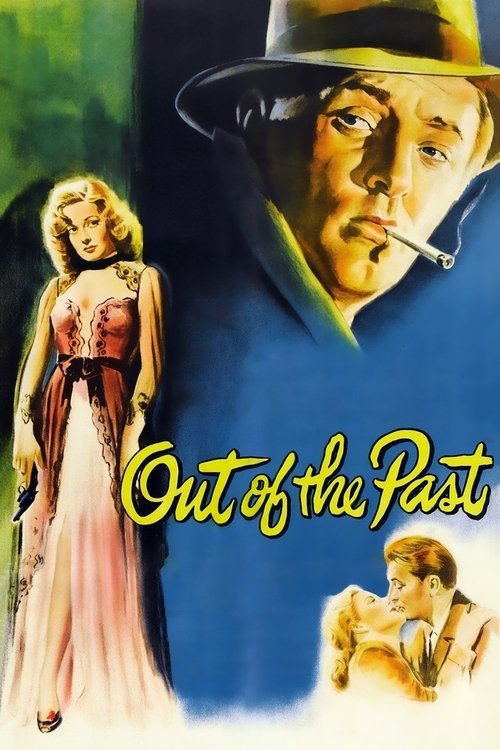
Out of the Past1947
The quintessential noir: a private eye caught between a femme fatale and a crime boss, unable to escape his past. Cynical, stylish, and morally murky in the best way.
But Deeply pessimistic about human nature; the world it shows is corrupt top to bottom with no redemption.
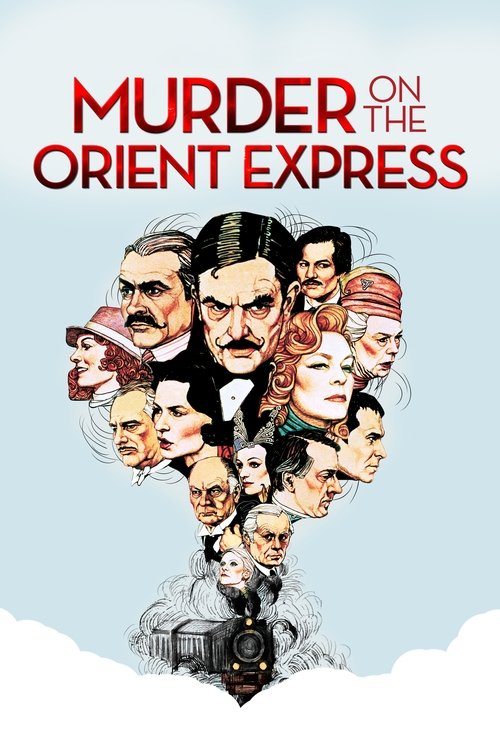
Murder on the Orient Express1974
Agatha Christie's most elegant puzzle: Hercule Poirot on a snowbound train solving a locked-room murder where all twelve suspects had motive. A fair-play mystery that rewards attention.
But An all-star cast sometimes overwhelms the story; the solution asks the detective—and you—to collude in something morally dubious.
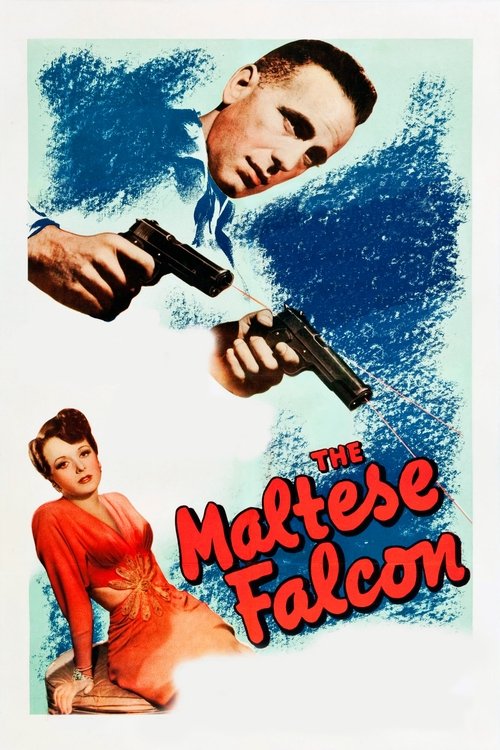
The Maltese Falcon1941
Bogart's definitive performance as Sam Spade navigating a web of double-crossers after a priceless statuette. Tightly plotted, funny, and endlessly quotable.
But The female characters are thin even by noir standards, and parts feel quaint now.
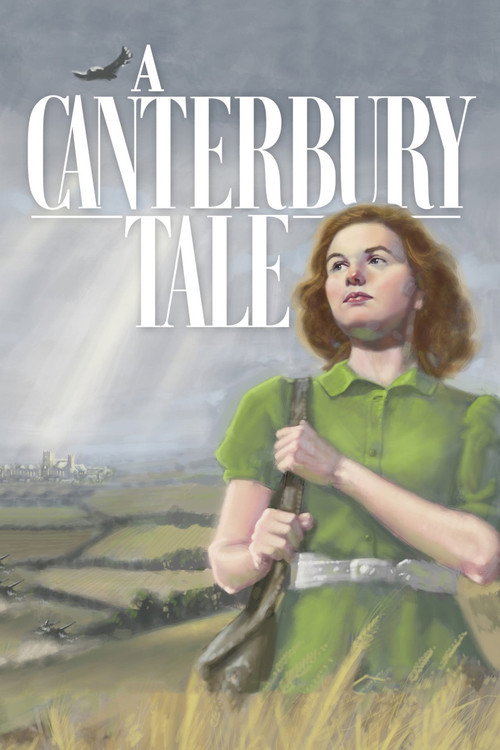
A Canterbury Tale1944
Both use multiple accounts and shifting perspectives to investigate character, but *A Canterbury Tale* is far more fragmented and poetic—less a locked-room puzzle, more a meditation on how strangers collide and change each other.
Powell and Pressburger's wartime puzzle film: three strangers in Kent during an invasion alert, a mysterious 'glue man' assaulting women, and a structure that spirals through time and perspective. Weird, beautiful, and formally inventive in ways that feel ahead of its time.
But Structurally confusing and thematically scattered. The resolution is spiritual rather than rational, which will alienate mystery-puzzle fans.
Memories of Murder2003
Like *The Woman in Question*, it's built on competing narratives and the impossibility of true certainty. But it's a sprawling modern thriller asking whether the search for truth can destroy the seeker—darker and far more brutal than its 1950 ancestor.
A serial killer hunted across 1980s rural South Korea. What appears to be a crime procedural becomes a moral argument about justice, faith, and whether the truth matters if you can't prove it. Bong Joon-ho's masterwork.
But Violent and disturbing. The ending refuses catharsis and will frustrate anyone wanting the detective to win.

People
Cast
 Jean KentAgnes / Madame Astra / Parrot (voice)
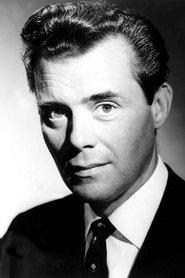 Dirk BogardeR.W. (Bob) Baker
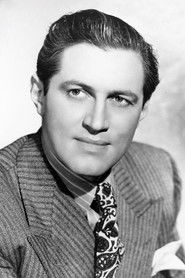 John McCallumMichael Murray
 Susan ShawCatherine Taylor
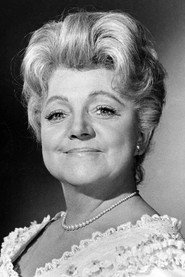 Hermione BaddeleyMrs. Finch
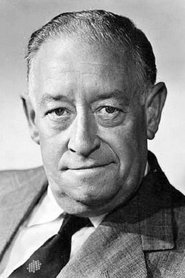 Charles VictorAlbert Pollard
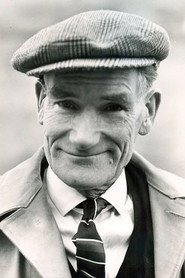 Duncan MacraeSupt. Lodge
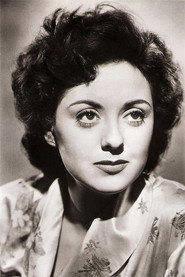 Lana MorrisLana Clark
- Joe LinnaneInspector Butler
 Vida HopeShirley Jones
- John BoxerDetective Lucas
- Albert ChevalierW.T. Gunter
Directing
- George PollockAssistant Director
- Anthony AsquithDirector
Writing
- John CresswellScreenplay
- John CresswellStory
Production
- Weston Drury Jr.Casting
- Joseph JanniExecutive Producer
- Teddy BairdProducer
- Andrew AllanProduction Manager
Recommended by
I See a Dark Stranger, The Strange Case of Dr. Manning, The Man in Grey