
Film
Blind Chance
Made in 1981 but banned by Polish censors until 1987, this is a philosophical thought experiment disguised as a chase film: a young man either catches a train or misses it, and three entirely different lives — different politics, loves, deaths — spool out from that single accident. Cool, exacting, formally rigorous; less about plot than about how much of a life is chosen versus handed to you by circumstance. Patient viewers only.
If you liked this
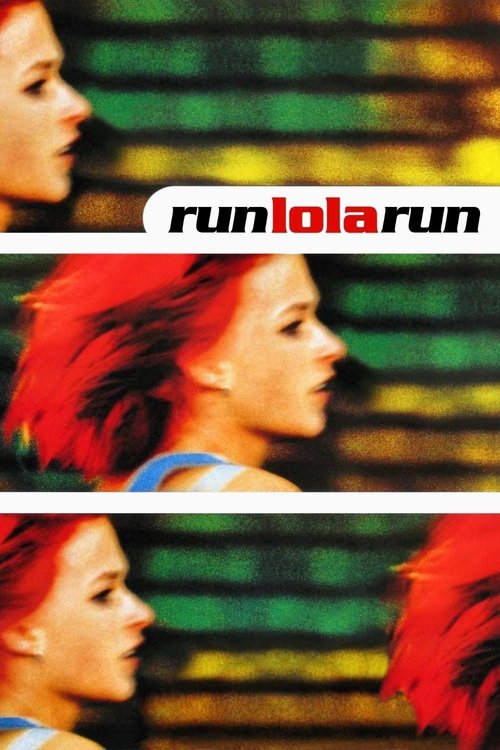
Run Lola Run1998
Tom Tykwer's sprint through three alternate versions of the same twenty minutes is the adrenaline-shot cousin of Kieślowski's structure — pounding techno, hard cuts, same obsession with how one second reroutes everything.
But The visual speed and style are about as far from Kieślowski's stillness as cinema gets; if you wanted contemplation, this is sensory overload.
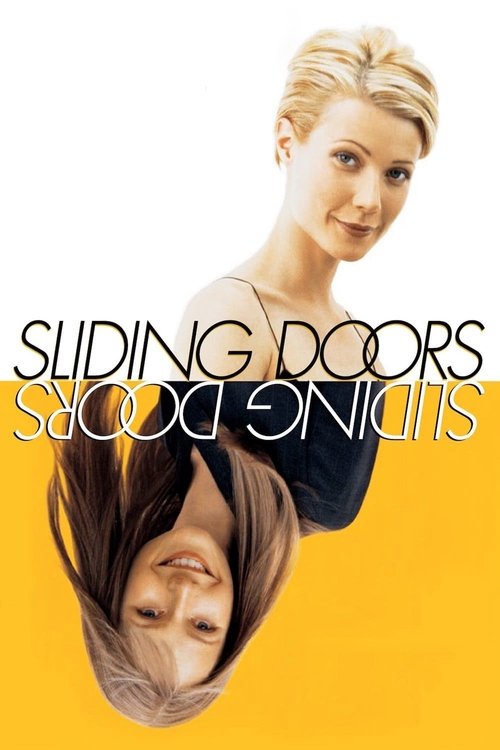
Sliding Doors1998
A British rom-com built on the literal same premise — catch the train or miss it — splitting into two unconnected lives. Funnier, warmer, asking the same question with none of the dread.
But It resolves its parallel lives with a tidy, feel-good clarity Kieślowski would never allow himself.
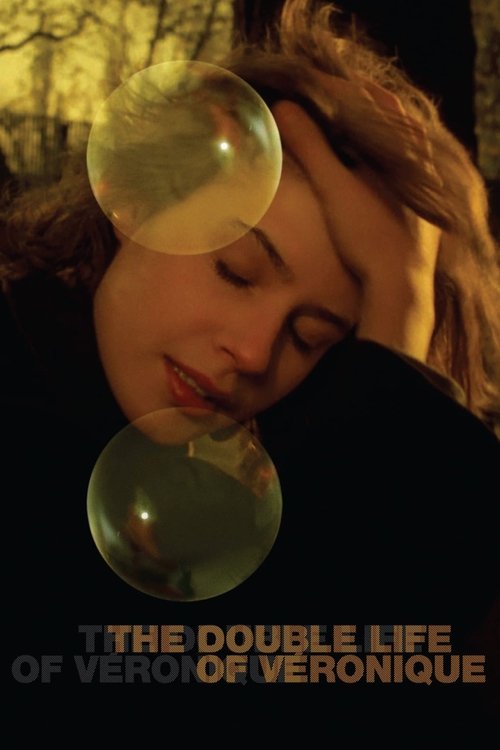
The Double Life of Véronique1991
Kieślowski's own follow-up, doubling a soul instead of a moment — two unconnected women living out uncanny echoes of each other. His most purely poetic, mysterious filmmaking, and the same ache about fate.
But Even less plot-driven and more elusive than Blind Chance; if you wanted answers, you'll get fewer here.
The wildcard
Something you would not have found on your own.
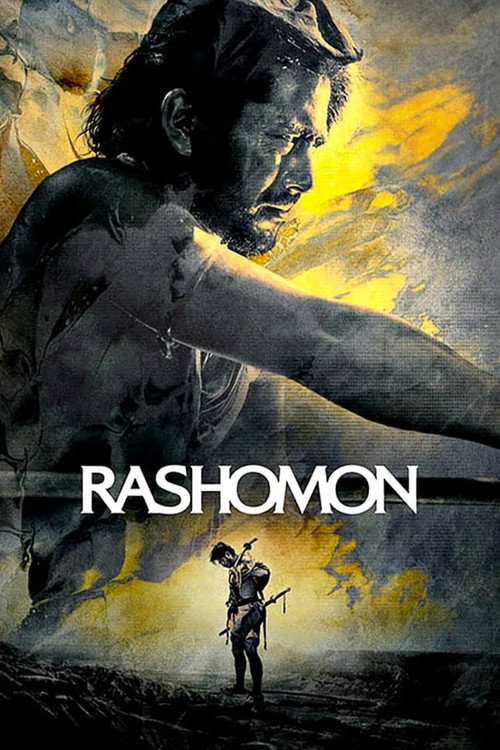
Rashomon1950
Kieślowski's three tellings of one man's fate have a real ancestor here — Kurosawa's four witnesses give four contradictory versions of the same event, both films using structural repetition to argue that truth, like fate, isn't a fixed fact but a matter of vantage.
The film that essentially invented this trick decades before Kieślowski: four witnesses to a crime give four incompatible accounts, none fully trustworthy. Devastating, elegant, and still astonishing.
But Black-and-white 1950s Japanese cinema at a deliberate pace; the unfamiliar rhythm can feel demanding if you're used to modern editing.
More like this (7)
Mr. Nobody2009no page yet
Jared Leto branches across dozens of possible lives stemming from one childhood decision, a maximalist, effects-heavy expansion of the 'three roads' idea into something closer to science fiction.
But Sprawling and occasionally overstuffed — ambition outruns discipline, especially in its back half.
Three Colors: Red1994no page yet
Kieślowski's later meditation on coincidence, following a chance meeting between a model and a retired judge that quietly interrogates whether fate has any design at all. Gorgeous, patient, unmistakably his hand.
But It's part of a trilogy, so some resonance depends on having seen Blue and White first.
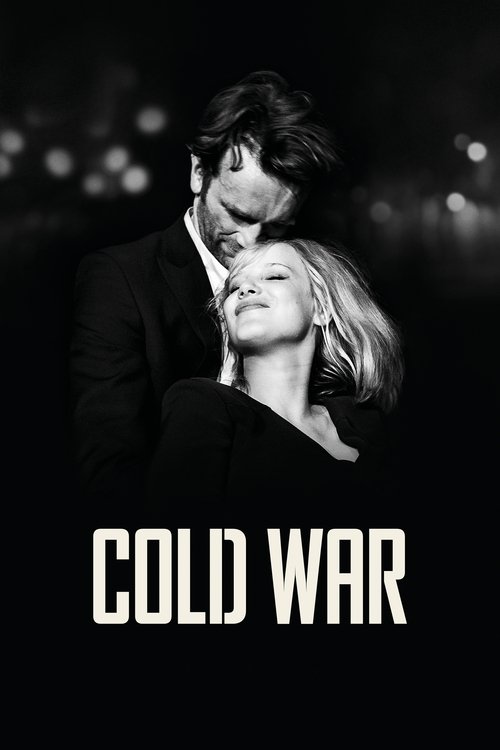
Cold War2018
Same country, same haunted postwar decades — a doomed romance pulled apart and reunited by politics and luck across borders. Cold, beautiful, steeped in identical Polish historical weight.
But It's a love story first, not a puzzle film — if it was the structural trickery you loved, this won't scratch that itch.
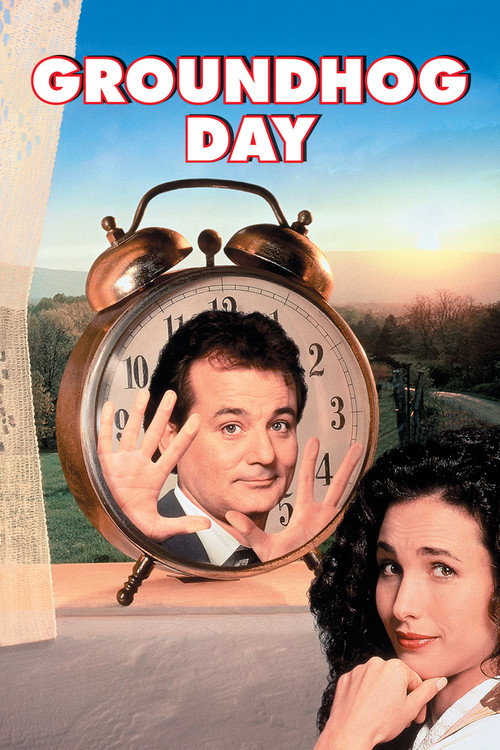
Groundhog Day1993
A comedy that turns 'living the same day differently' into an entire moral education, warm where Kieślowski is cool, built on the exact same bones of repetition and choice.
But Broad American studio comedy tone is a world away from Kieślowski's melancholy realism.
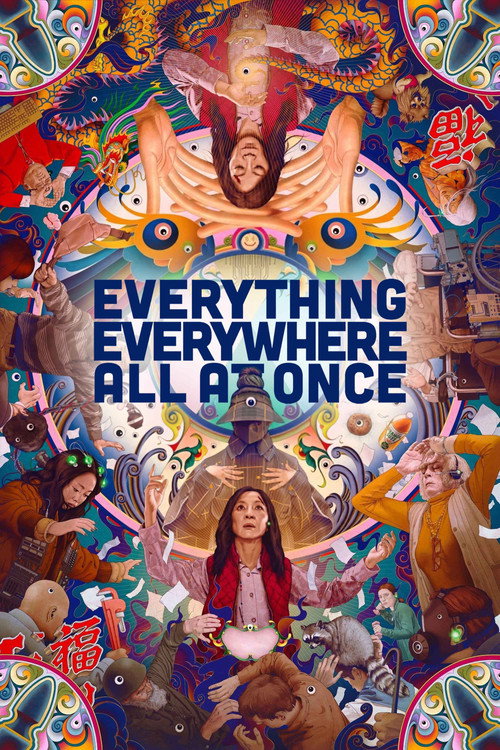
Everything Everywhere All at Once2022
Multiverse chaos as metaphor for roads not taken, swinging from absurd comedy to real grief about the life you didn't live. Loud, maximal, and unexpectedly moving underneath the noise.
But Its kinetic, genre-mashing style is about as far from Kieślowski's restraint as a film can get.
Man of Marble1977no page yet
Andrzej Wajda's investigation into Communist-era Poland through one man's fractured, contested history — same country, same era, same fascination with how official narratives bend individual lives.
But Dense with specific Polish political history that may need outside context to fully land.
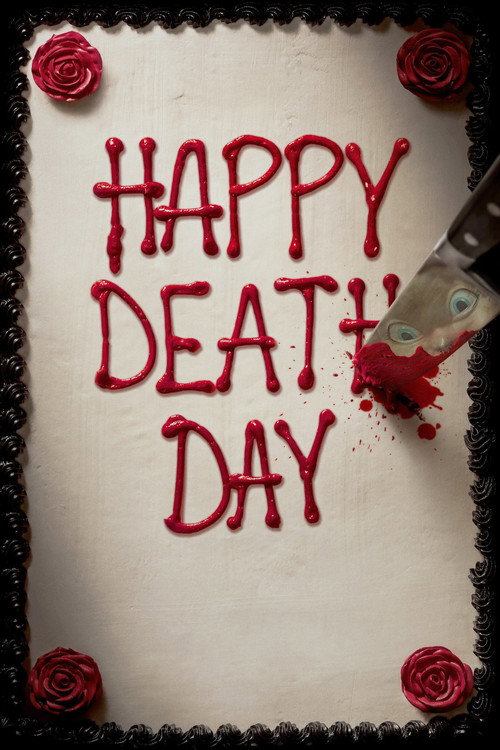
Happy Death Day2017
It takes Kieślowski's premise — one day and its consequences replayed with variations — and drags it into slasher territory, using the loop structure for jump scares and dark comedy instead of philosophical dread.
A gleeful, trashy teen-horror spin on the same 'live the day again, differently' engine, this time with a masked killer instead of existential dread. Genuinely funny and cleverly plotted.
But It's disposable multiplex horror-comedy with zero interest in the metaphysics; if you want depth, this is pure popcorn.
People
Cast
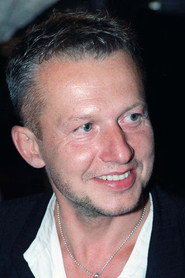 Bogusław LindaWitek Długosz
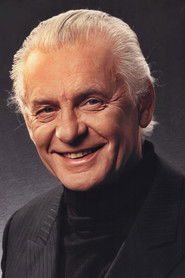 Tadeusz ŁomnickiWerner (1)
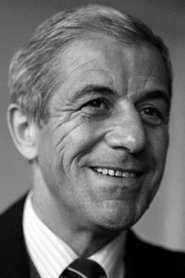 Zbigniew ZapasiewiczAdam (1)
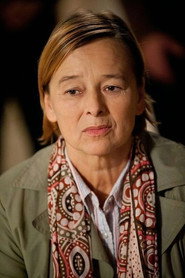 Bogusława PawelecCzuszka (1)
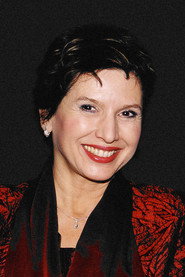 Marzena TrybałaWerka (2)
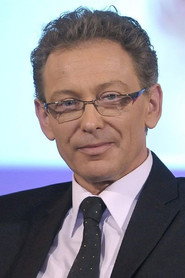 Jacek BorkowskiMarek (2)
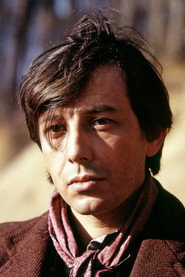 Jacek Sas-UhrynowskiDaniel (2)
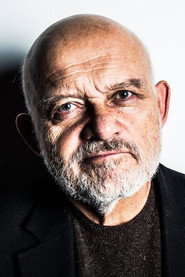 Adam FerencyPriest Stefan (2)
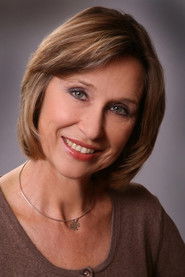 Monika Goździk3. Olga
- Zygmunt HübnerDean (3)
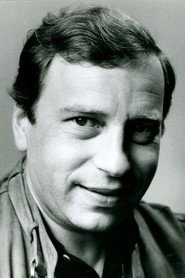 Jerzy StuhrZSMP Member (1)
- Kazimiera NogajównaKasia, friend of Witek's father (1)
Directing
- Jerzy BraszkaAssistant Director
- Maciej J. DrygasAssistant Director
- Małgorzata WichlińskaAssistant Director
- Michał ŻarneckiAssistant Director
- Teresa Violetta BuhlAssistant Director
- Krzysztof KieślowskiDirector
Writing
- Krzysztof KieślowskiScreenplay
Production
- Alicja SkorupaAssistant Production Manager
- Dariusz StruszczakAssistant Production Manager
- Lidia DurajczykAssistant Production Manager
- Stanisław RudowiczAssistant Production Manager
- Zbigniew DobrowolskiAssistant Production Manager
- Jacek SzeligowskiProduction Manager