
Film
Man of Marble
Andrzej Wajda's 1977 masterpiece follows a young documentarian piecing together the story of a bricklayer who rose as a state propaganda hero, then vanished. It's a mystery wrapped in political inquiry, shot with stunning formal precision. Essential for anyone drawn to cinema that asks hard questions about power, myth-making, and who controls the narrative.
If you liked this
Kes1970
Ken Loach's portrait of a working-class boy in industrial England captures the same urgent humanism and social observation, with a documentary texture that feels lived-in rather than imposed.
But It's quieter and more intimate than Man of Marble, less overtly political—some find it slow, though others find that slowness is the point.

The Battle of Algiers1966
Gillo Pontecorvo's reconstruction of colonial conflict uses a similar documentary-realist approach to interrogate power structures and how history gets written by the victor. Equally gripping as political cinema.
But The political argument is fiercer and less ambiguous; some viewers find the rhetorical force exhausting rather than clarifying.

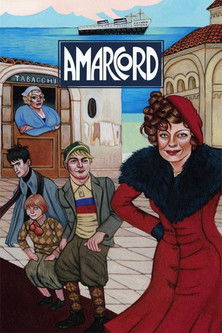
Amarcord1973
Federico Fellini's memory-dive through fascist Italy shares Wajda's fascination with how propaganda shapes individual lives and collective forgetting, but trades severity for grotesque comedy and dreamlike texture.
But It's baroque and associative rather than linear; the politics emerge sideways. You have to surrender to its logic rather than follow an argument.
Not sure tonight? Get a pick in a minute, starting from Man of Marble
The wildcard
Something you would not have found on your own.
Sans Soleil1983
Both are films about the unreliability of the archive and who gets to narrate the past. Marker shows it; Wajda reconstructs it. Opposite methods, identical obsession.
Chris Marker's essay-film is a meditation on memory, state propaganda, and how cinema constructs reality. Like Man of Marble, it's obsessed with what remains when the machine of history stops grinding—but Marker works through collage, poetry, and philosophical digression rather than narrative reconstruction.
But It's genuinely difficult: 100 minutes of images, voiceover, and music without plot. You're required to think in metaphors rather than follow a story.

More like this (8)
A Prophet2009
Jacques Audiard's prison drama builds the same meticulous architecture of rising and falling, showing how institutions shape identity and ambition. Propulsive where Man of Marble is contemplative, but the bone structure is identical.
But It's set in a contemporary French prison, so the political resonance is more intimate and less historically freighted. Some find the style too polished.

The Third Man1949
Carol Reed's Vienna-set mystery has the same DNA: a searcher uncovering the true identity of a missing figure, discovering that reality doesn't match the legend. Gorgeous noir photography and the same sense of betrayal.
But It's a thriller rather than a political essay, so the excavation serves plot rather than inquiry. The tonal register is entirely different.

Stalker1979
Tarkovsky's meditation on desire and authority uses a similar patient, formal approach to ask who gets to define meaning. Both are glacial, both are obsessed with how power works through narrative.
But It's abstract and metaphysical where Man of Marble is concrete and historical. Some experience it as beautiful tedium rather than enlightenment.

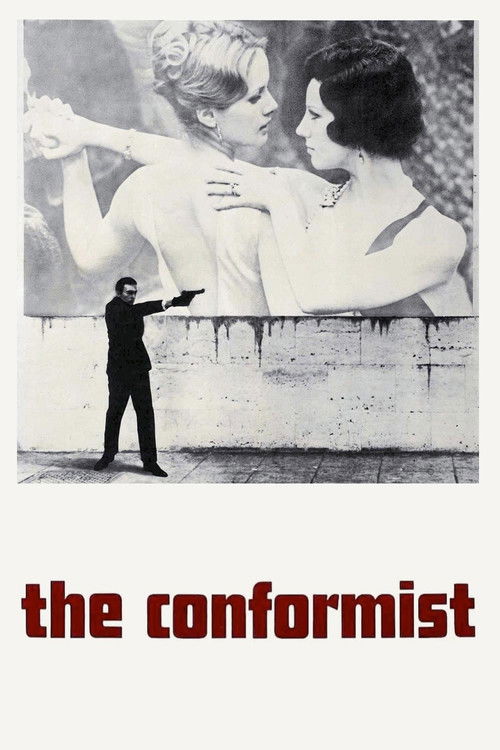
The Conformist1971
Bernardo Bertolucci dissects how an individual is seduced into complicity with state ideology, using rich cinematography and psychological depth. Like Man of Marble, it's about the performance of loyalty.
But It's more visually ornate and sexually charged; the politics are expressed through aesthetics and psychology rather than direct inquiry.
Come and See1985
Elem Klimov's unbearable masterpiece about a Soviet boy soldier uses documentary realism to show how propaganda and state machinery consume youth. The most extreme version of Wajda's question: what does the state do to people?
But It's a trauma document. You do not watch it for pleasure; it's punishment and purification. Man of Marble is difficult; this is disorienting.

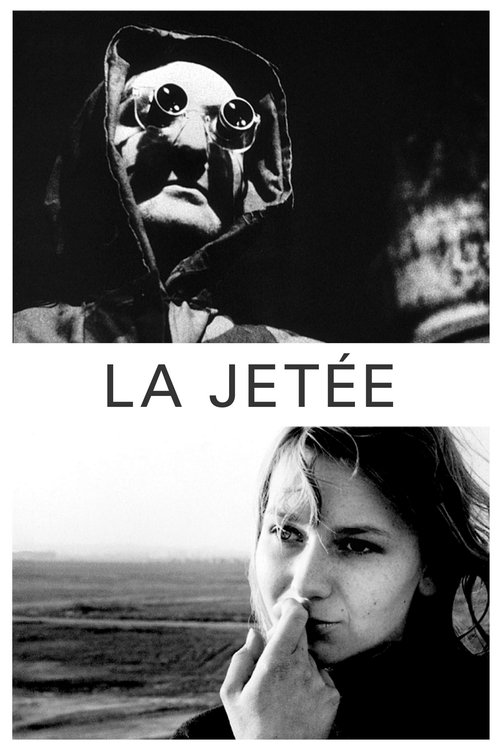
La Jetée1962
Chris Marker's photo-essay on memory, time, and state control uses radical form to explore how narrative constructs identity—the inverse approach to Wajda's realism, but asking identical questions about what we believe and why.
But It's 28 minutes of still photographs and voiceover. The abstraction will alienate anyone seeking conventional storytelling, and it offers no resolution.
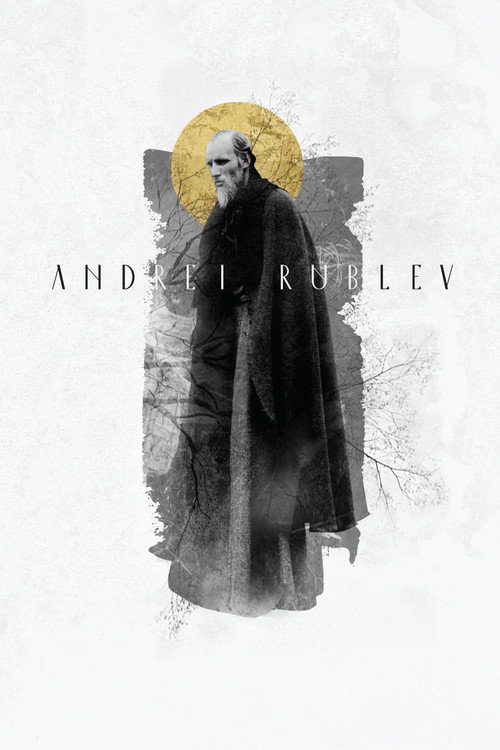
Andrei Rublev1966
Both present an artist (filmmaker/painter) trying to recover or document the truth of a subject under conditions of state suppression. Both treat cinema as an act of witness.
Tarkovsky's epic about a Russian icon painter under political pressure uses the same patient historical sweep and formal rigor. A maker trying to make meaning while power constricts him—the spiritual inverse of Wajda's material inquiry.
But It's three hours of black-and-white Russian cinema in the most demanding register. The pacing is glacial; many experience it as penance rather than reward.
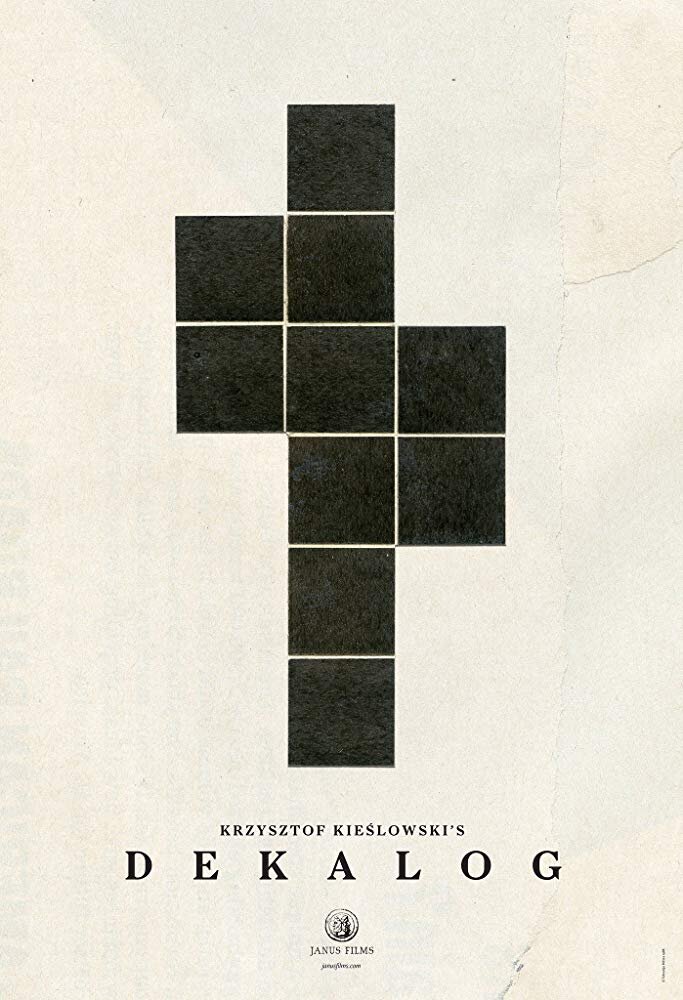
Dekalog1989
Both are post-war Polish meditations on how systems shape moral life. Wajda excavates the political past; Kieśliowski excavates the spiritual present. Same country, parallel truths.
Kieśliowski's ten-part series returns to Warsaw as Wajda's Poland, but approaches moral authority differently: through Ten Commandments rather than historical inquiry. Ten stories of individual conscience in a system. Wajda asks 'What did they do to him?'; Kieśliowski asks 'What must we do with ourselves?'
But It's episodic, sometimes sentimental, and formally much less rigorous than Man of Marble. It operates in intimate domestic scale rather than historical scope. Some find it preachy.
People
Cast
 Krystyna JandaAgnieszka
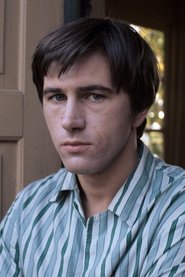 Jerzy RadziwiłowiczMateusz Birkut / Maciek Tomczyk
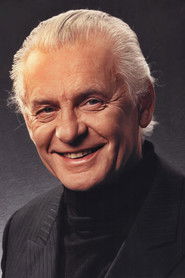 Tadeusz ŁomnickiJerzy Burski
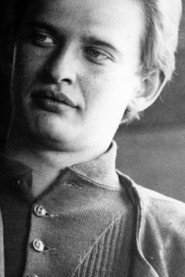 Jacek LomnickiJerzy Burski (young)
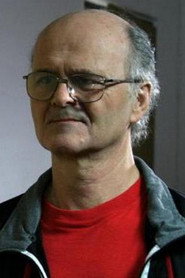 Michał TarkowskiWitek
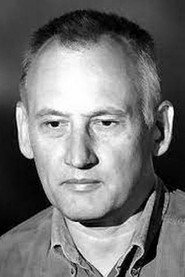 Piotr CieślakMichalak
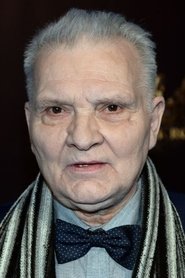 Wiesław WójcikJodła
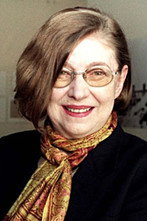 Krystyna ZachwatowiczHanka Tomczyk
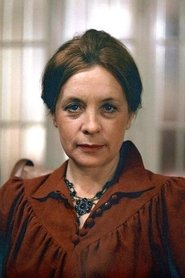 Magda Teresa WójcikEditor
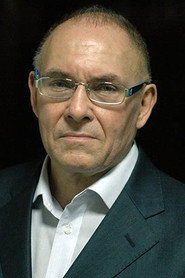 Bogusław SobczukTV Editor
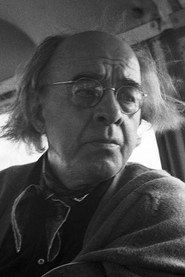 Leonard ZajączkowskiLeonard Zajączkowski, Agnieszka's DP
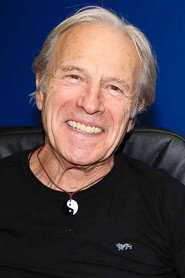 Jacek DomańskiSound Man
Directing
- Jerzy TomczukAssistant Director
- Leszek TarnowskiAssistant Director
- Magdalena StelmaszczykAssistant Director
- Andrzej WajdaDirector
Writing
- Aleksander Ścibor-RylskiScreenplay
Production
- Elżbieta KozłowskaProduction Assistant
- Janusz DziumowiczProduction Assistant
- Waldemar KrólProduction Assistant
- Alina KlobukowskaProduction Executive
- Andrzej SmulskiProduction Executive
- Barbara Pec-ŚlesickaProduction Supervisor