
Film
Disorder in the Court
A 1936 short where the Three Stooges careen through a murder trial as witnesses. It's pure slapstick chaos—pies, pratfalls, and courtroom mayhem compressed into seventeen minutes of relentless physical comedy. Essential if you love silent-era stunts or want to understand why the Stooges mattered.
Should you watch it?
Watch it if you love fast, anarchic short-form slapstick where the Stooges turn a courtroom into a riot of rapid-fire gags, and the plot is merely a clothesline for the chaos.
Skip it if you want a mystery you can follow or characters with depth; the Stooges are the same three types they always were, and the trial exists mainly as a backdrop for noise.
What it asks of you: Over seventeen minutes it moves at a sprint with no room to settle in, so give it your full attention from the first gag.
Not sure? Find tonight's pick in a minute.
If you liked this
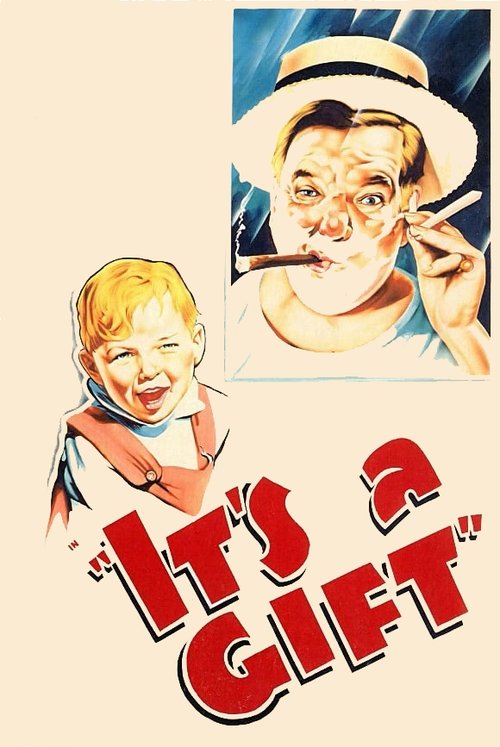
It's a Gift1934
W.C. Fields navigating domestic chaos with the same deadpan precision the Stooges bring to violence. Masterful comic timing and a genuine plot that somehow survives the gags.
But Fields' comedy is slower and more situational; if you want non-stop slapstick, this builds it more deliberately.
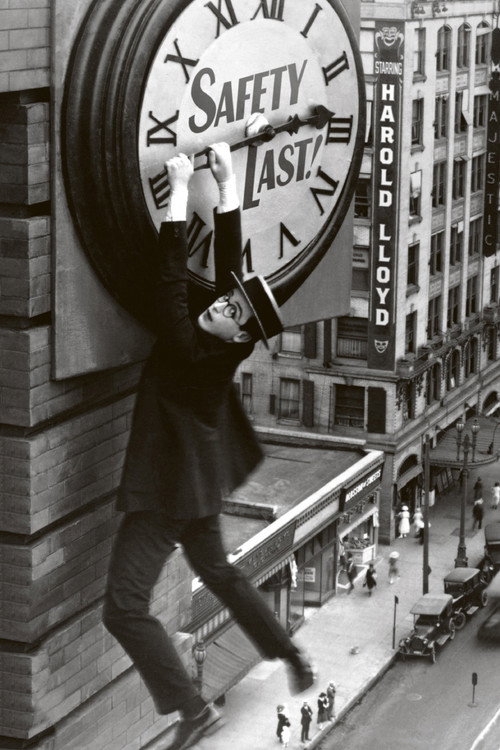
Safety Last!1923
Harold Lloyd climbing a skyscraper is the spiritual ancestor of the Stooges' escalating physical comedy. Genuinely thrilling and funny in equal measure, filmed with real precision.
But Silent film comedy requires patience with intertitles and a different rhythm than talking pictures.
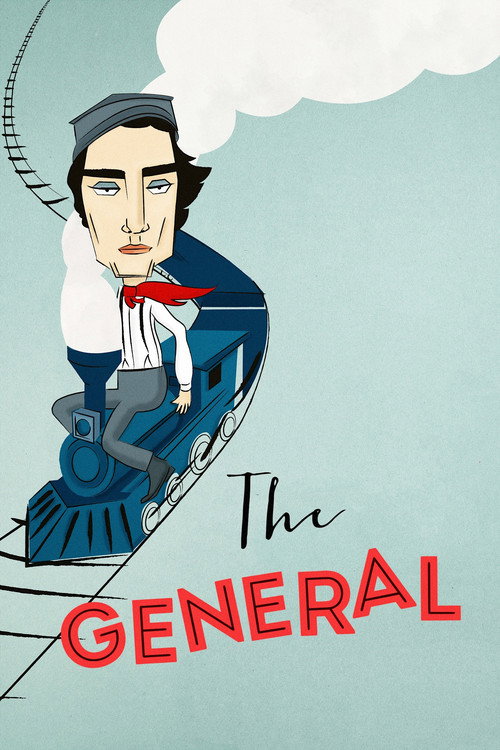
The General1926
Buster Keaton's stone-faced genius amid absolute mayhem—a train, a Civil War, stunts that still look impossible. Comedy at feature length with actual stakes underneath.
But Keaton's style is almost opposite to the Stooges: minimalist where they're explosive, and it requires real attention.
Not sure tonight? Get a pick in a minute, starting from Disorder in the Court
The wildcard
Something you would not have found on your own.
Night and Fog1956
Both are 17-minute films (Night and Fog is 32, but close enough in scale) where the entire emotional weight of something—murder, genocide—gets compressed into urgent, unforgettable form. Disorder is a joke about justice failing; Night and Fog is a statement about it becoming impossible.
A 32-minute documentary about the Holocaust that moves like a tone poem—haunting, precise, devastating. Alain Resnais made something that's part essay, part elegy, utterly original in form.
But It's unbearably heavy and offers no comfort or easy meaning. Pure witness, which is exactly the point and exactly why it's difficult.

More like this (7)
Singin' in the Rain1952
Gene Kelly and Donald O'Connor bring the same physical inventiveness to dance that the Stooges brought to chaos. A joy to watch, beautifully shot, genuinely moving.
But It's a musical, and it's primarily about spectacle rather than jokes—entirely different energy.

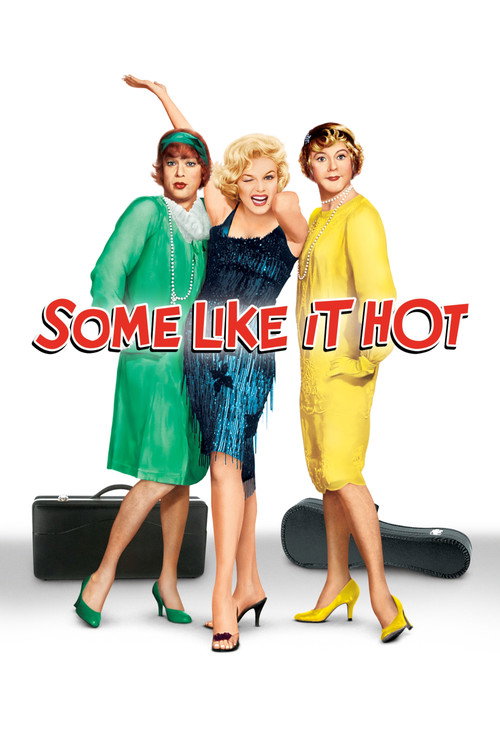
Some Like It Hot1959
Billy Wilder's timing is impeccable, and the cast—Lemmon, Curtis, Monroe—execute physical and verbal comedy with machine-like precision. Smart and hilarious in equal parts.
But Wilder's comedy is urbane and witty; there's almost no slapstick, which some might find too refined.
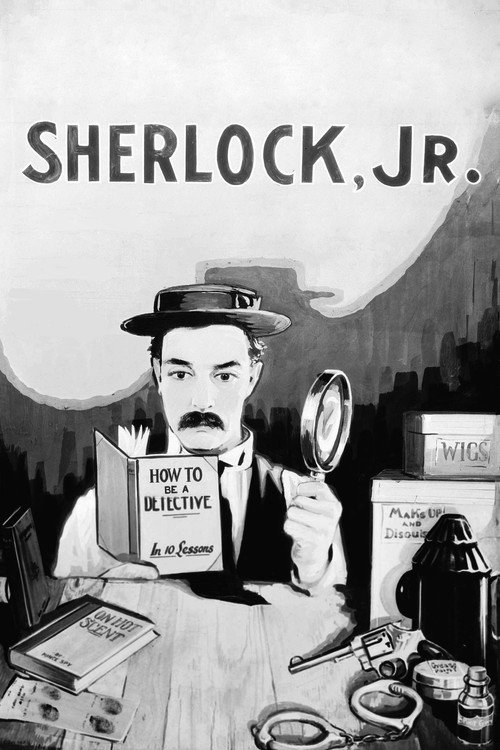
Sherlock Jr.1924
Buster Keaton in a dream sequence where the rules of physics bend; ingenious stunt work and visual gags that reward close watching. Seventeen minutes of pure invention.
But Silent and very short; the gags are subtle compared to the Stooges' bluntness.
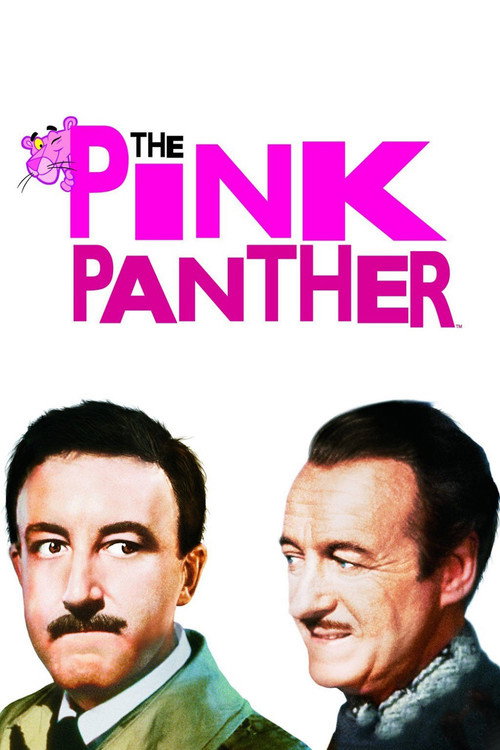
The Pink Panther1963
Peter Sellers as an incompetent detective generating chaos around himself. Slapstick that builds through character rather than short shocks, with a famous animated title sequence.
But Sellers' style is more about fumbling dignity than direct impact—less aggressive than the Stooges.
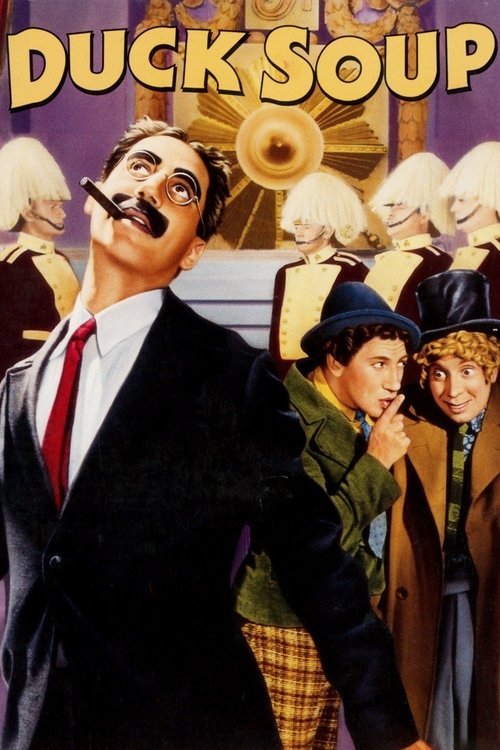
Duck Soup1933
Marx Brothers anarchy in a courtroom too, actually—absurdist dialogue meeting physical comedy. Utterly unhinged and deeply weird, even now.
But More anarchic and word-driven than the Stooges; some of the satire doesn't land if you don't know what they're satirizing.
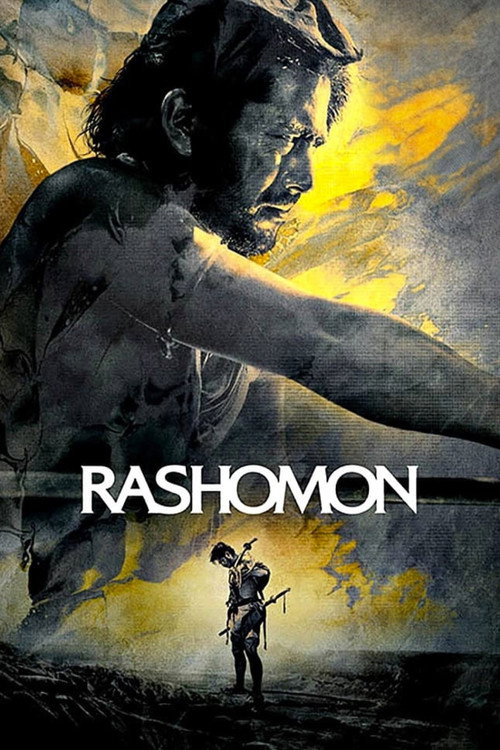
Rashomon1950
Both are fundamentally about the courtroom and witnesses—truth that shifts depending on who's speaking, and how our stories about events are always corrupted by our stake in them.
Kurosawa's masterpiece: four contradictory testimonies about a crime in the woods. Visually stunning, philosophically devastating, and it invented a narrative technique film still uses.
But It moves slowly by modern standards, and the ending is ambiguous in a way that can feel unsatisfying if you want answers.
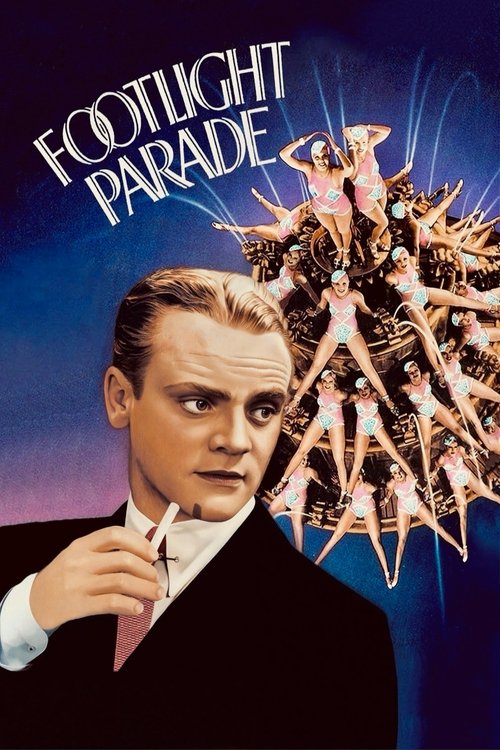
Footlight Parade1933
Both films pack maximum comedy and spectacle into seventeen or so minutes of a larger narrative—both understand that the short form is where the real genius happens, and both were working in 1930s studio systems where you proved yourself in shorts before features.
James Cagney producing and starring in a backstage musical full of cocaine-era energy, Warner Bros. anarchic style, and finally one of cinema's greatest dance sequences. Joyful and weird.
But The first hour is chatty and the dialogue comedy doesn't land the way the Stooges' physical gags do; you're waiting for the dancing.
People
Cast
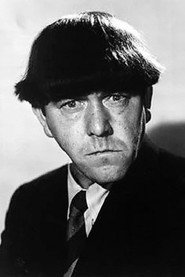 Moe HowardMoe
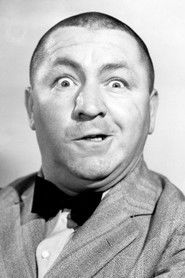 Curly HowardCurly
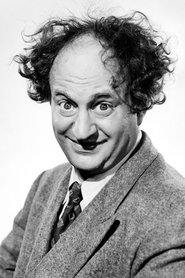 Larry FineLarry
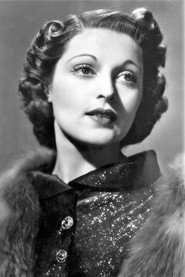 Suzanne KaarenGail Tempest (uncredited)
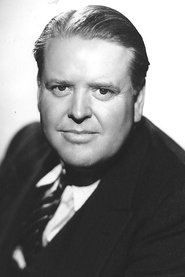 Bud JamisonDefense Attorney (uncredited)
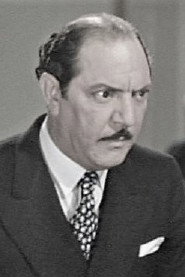 Harry SemelsDistrict Attorney (uncredited)
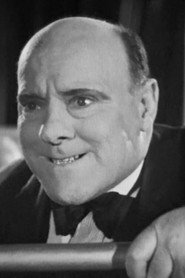 James C. MortonCourt Clerk (uncredited)
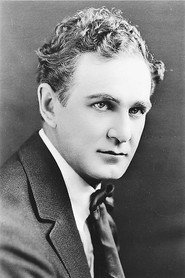 Bobby BurnsGallery Spectator (uncredited)
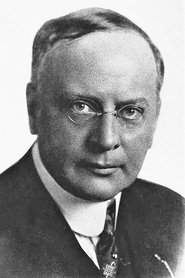 Edward LeSaintJudge (uncredited)
Directing
- Jack WhiteDirector
Writing
- Felix AdlerScreenplay
- Felix AdlerStory
Production
- Jules WhiteAssociate Producer