
Film
Murder Most Foul
Margaret Rutherford's third outing as Agatha Christie's Miss Marple finds the elderly amateur sleuth convinced a condemned man is innocent, so she infiltrates a theatrical company to uncover the real killer. It's a brisk, charming puzzle-box that plays Marple as a force of nature—curious, sharp-eyed, and utterly unafraid of looking foolish. Perfect if you like your mysteries cozy but genuinely twisty.
Should you watch it?
Watch it if you enjoy a cosy mystery where the pleasure lies in a sharp, dry-witted detective outwitting a roomful of stage-trained suspects, with theatre people and their vanities turned into comic set pieces.
Skip it if you want a tightly plotted whodunit with fair-play clues you can chase; this one leans on character comedy and theatrical broadness, so the puzzle can feel secondary to the performances.
What it asks of you: Ninety minutes, unhurried in its middle stretch but brisk enough, and light in tone even when the court case is grim; it asks you to enjoy the company more than to track evidence closely.
Not sure? Find tonight's pick in a minute.
If you liked this
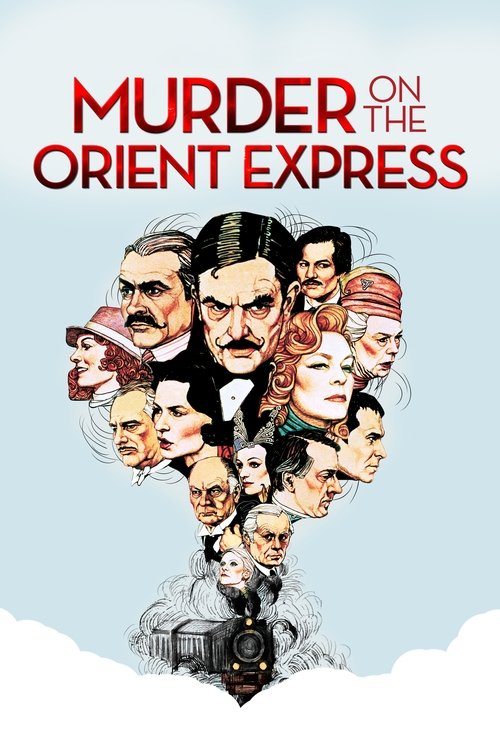
Murder on the Orient Express1974
Agatha Christie at her most ingenious: a locked-room mystery on a snow-bound train with an ensemble cast of suspects, each harboring secrets. Poirot unravels an impossible crime with elegant logic and moral complexity.
But The solution hinges on multiple layers of conspiracy that can feel contrived on reflection, and the film's stateliness may test your patience in the opening act.
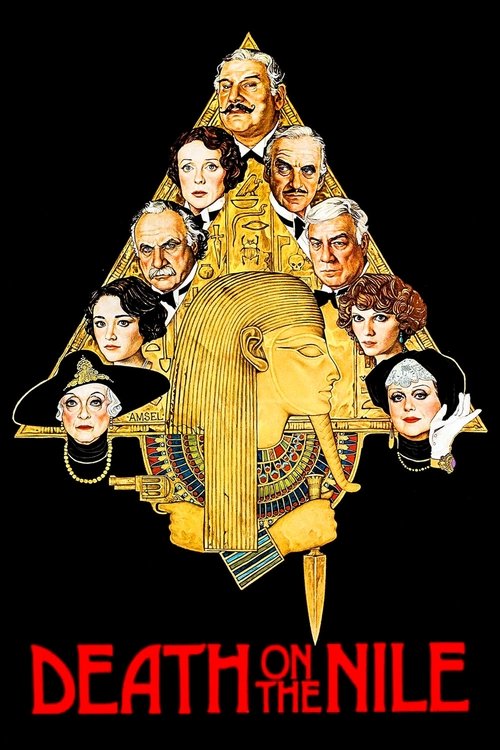
Death on the Nile1978
Peter Ustinov as Poirot investigates a murder aboard a luxury steamer on the Nile, with a glittering cast and gorgeous production design. It's Christie as escapist fantasy—glamorous and absurd in equal measure.
But The plot twists feel inevitable once you know how Christie works, and some of the acting is pitched broadly for laughs rather than suspense.
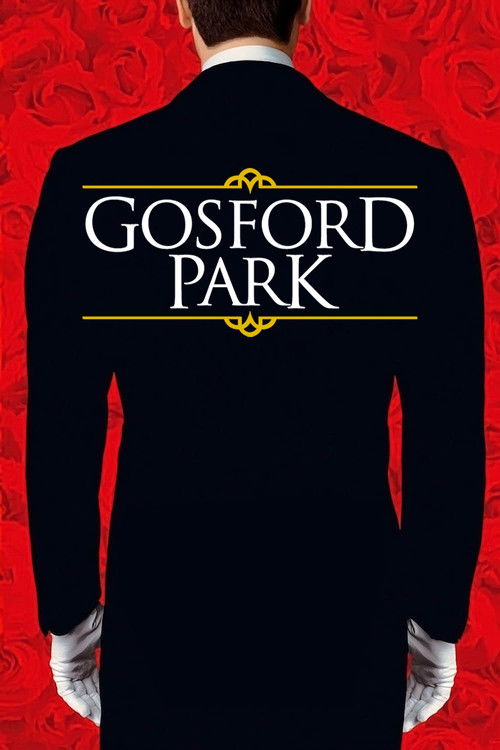
Gosford Park2001
Robert Altman's intricate ensemble mystery set at a grand English country house during a shooting party. It's a love letter to British detective fiction that deconstructs the genre's class anxieties with wit and genuine menace underneath.
But The overlapping dialogue and large cast make it demand active attention. It's less a puzzle to solve than an atmosphere to absorb, which frustrates those craving closure.
Not sure tonight? Get a pick in a minute, starting from Murder Most Foul
The wildcard
Something you would not have found on your own.
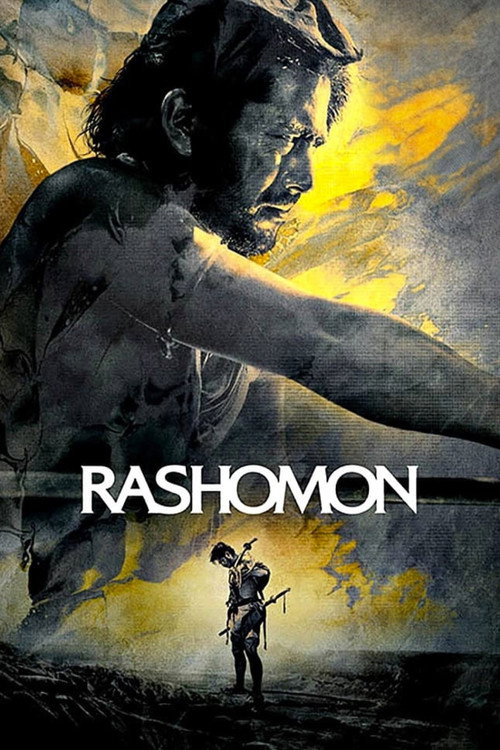
Rashomon1950
Both are structured around competing narratives of guilt and innocence—Marple must judge credibility and motive, while Rashomon suggests judgment itself might be impossible. Each is about how we construct guilt from testimony.
Kurosawa's formal masterpiece: four witnesses recount the same crime differently, each account plausible yet contradictory. It's a mystery without a solution, posing the radical question of whether truth is even knowable. Utterly unlike conventional detective fiction but cuts to its soul.
But It's an art film that demands interpretation rather than closure. If you watch mysteries to have puzzles solved, this will infuriate you. It's also in Japanese with subtitles.
More like this (7)
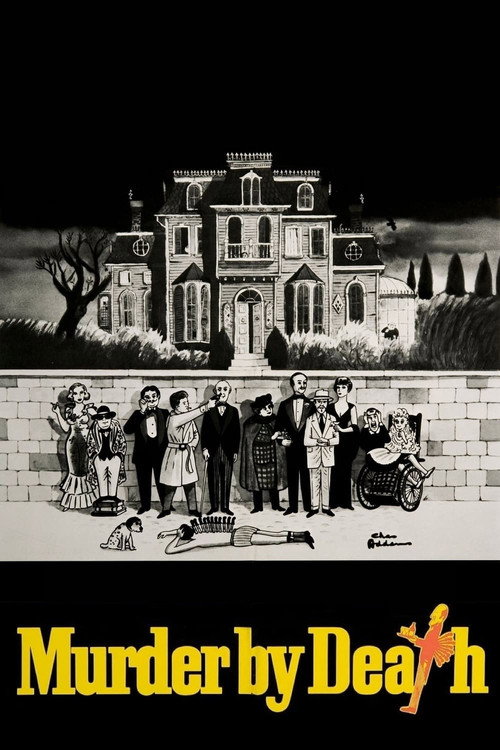
Murder by Death1976
A spoof of detective fiction that lovingly roasts noir, cozy mysteries, and whodunits with a brilliant ensemble cast. Hilarious if you already love the genre—it's written by Neil Simon and genuinely clever, not just loud.
But The humour is entirely in-joke. If you don't know what it's parodying, you'll be baffled and bored. It also feels dated in places.
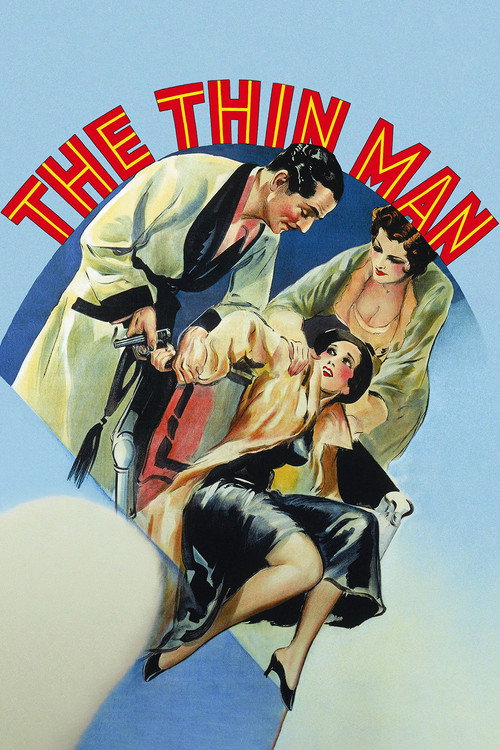
The Thin Man1934
Myrna Loy and William Powell are effortless magic as a married couple who solve murders together while drinking martinis and trading witty insults. It's the blueprint for how to make detection funny without sacrificing mystery.
But The pacing is languid by modern standards, and the plot takes a back seat to the charm of watching two attractive people banter for ninety minutes.
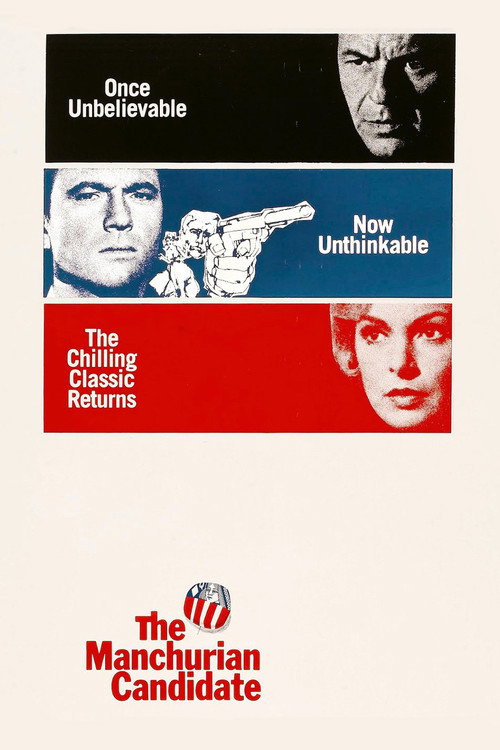
The Manchurian Candidate1962
A paranoid thriller about brainwashing, political assassination, and loyalty that feels prescient even now. Sinatra gives one of his best dramatic performances in a film that's genuinely unsettling beneath its genre mechanics.
But It's dated in its Cold War fixations, and the tonal shifts between comedy and horror can feel jarring if you're not in sync with its particular wavelength.
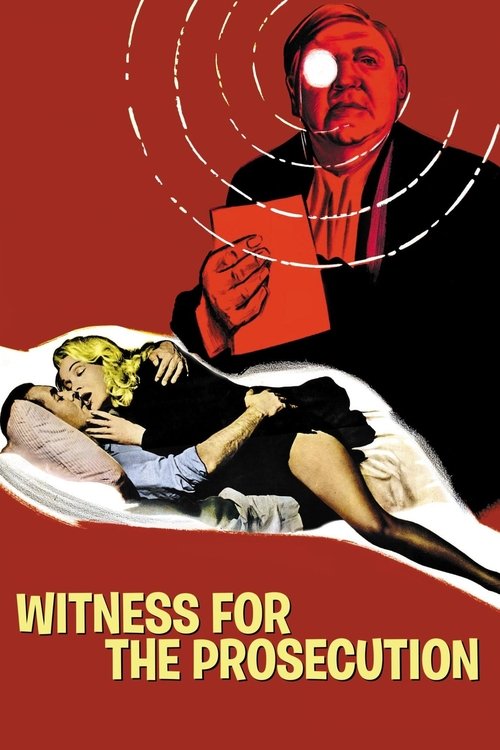
Witness for the Prosecution1957
Billy Wilder's masterpiece: a courtroom mystery that builds tension through testimony and secrets, with Marlene Dietrich and Tyrone Power in career-defining roles. The final twist is genuinely shocking and earned.
But It's a talky film about a trial—there's little action. If you need plot momentum over character and dialogue, you'll find it stagey and slow.
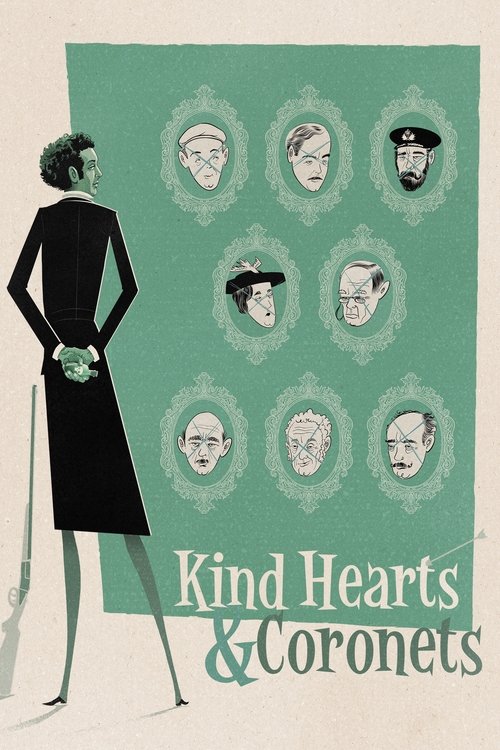
Kind Hearts and Coronets1949
Alec Guinness plays eight different roles as Dennis Price systematically murders his way through the line of succession to a dukedom. It's pitch-black comedy with actual stakes, witty and wickedly entertaining.
But The satire cuts hard at British class and snobbery in ways that feel oblique now. Some find the tonal darkness off-putting when paired with its playfulness.
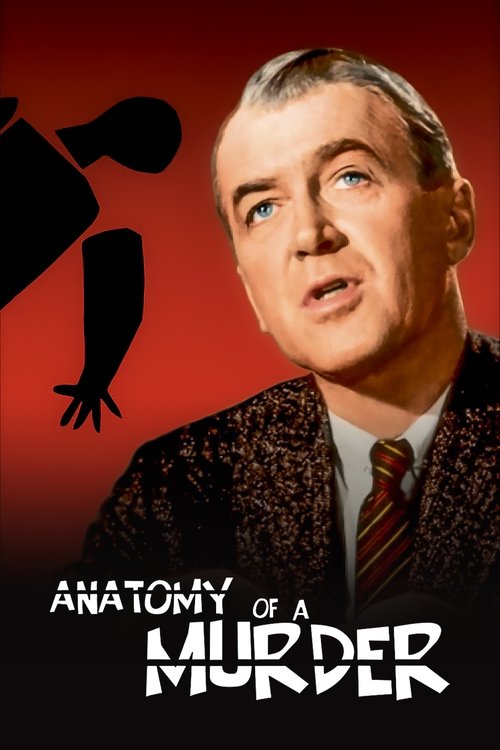
Anatomy of a Murder1959
Like Murder Most Foul, it's built on doubt about judicial certainty. Both pivot on a protagonist convinced the system has erred, and both refuse easy moral answers about guilt.
Otto Preminger's courtroom drama where the 'murderer' may be innocent and the lawyer defending him (James Stewart) operates in moral grey zones. It's serious, legalistic, unflinching about human contradiction in ways that elevate detection beyond puzzle-solving.
But There's no cosy village setting or amateur sleuth—it's procedural and lawyerly, heavily focused on testimony and evidence rather than detective work. It's also 160 minutes long and demands stamina.
The Ascent1977
Where Marple seeks truth through observation and logic, Tarkovsky explores whether truth even matters when tested by extremity. Both ask who judges guilt, but The Ascent suggests the question itself collapses under pressure.
Andrei Tarkovsky's slow meditation on morality, faith, and human weakness set during WWII as two Soviet partisans are captured and interrogated. It's philosophical, glacially paced, almost unbearably tense—nothing like a cosy mystery but entirely about moral choice and truth.
But It's a dense Soviet art film that eschews plot in favour of psychological and spiritual anguish. It's punishing, bleak, and requires real concentration. Most viewers will find it impenetrable and grim.

People
Cast
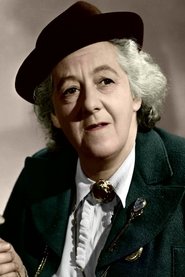 Margaret RutherfordMiss Jane Marple
 Ron MoodyH. Driffold Cosgood
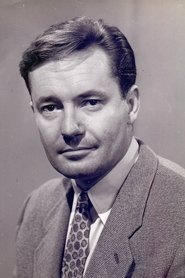 Charles TingwellInspector Craddock
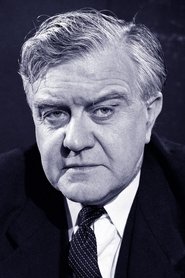 Andrew CruickshankJustice Crosby
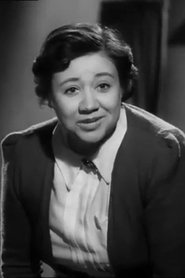 Megs JenkinsGladys Thomas
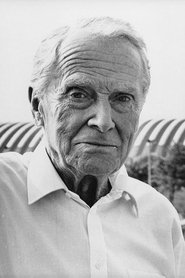 Ralph MichaelRalph Summers
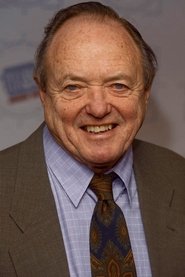 James BolamBill Hanson
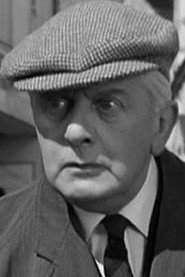 Stringer DavisJim Stringer
 Francesca AnnisSheila Upward
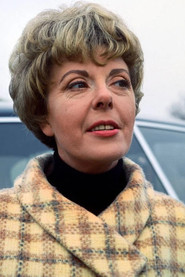 Pauline JamesonMaureen Summers
 Annette KerrDorothy
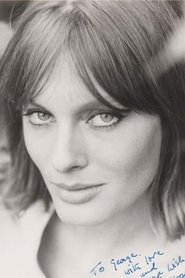 Alison SeebohmEva McGonigall
Directing
- David TomblinAssistant Director
- George PollockDirector
Writing
- Agatha ChristieNovel
- David PursallScreenplay
- Jack SeddonScreenplay
Production
- Irene HowardCasting
- Lawrence P. BachmannExecutive Producer
- Ben ArbeidProducer
- Sydney StreeterProduction Manager