
Film
Chaos
A ransom kidnapping spirals catastrophically when each actor—kidnapper, victim, negotiator, cop—discovers the plot isn't what they thought. This Japanese thriller from Masato Hagiwara's director Sion Sono treats crime as a web of competing lies and hidden motives, where control is an illusion and chaos is the only honest outcome.
If you liked this
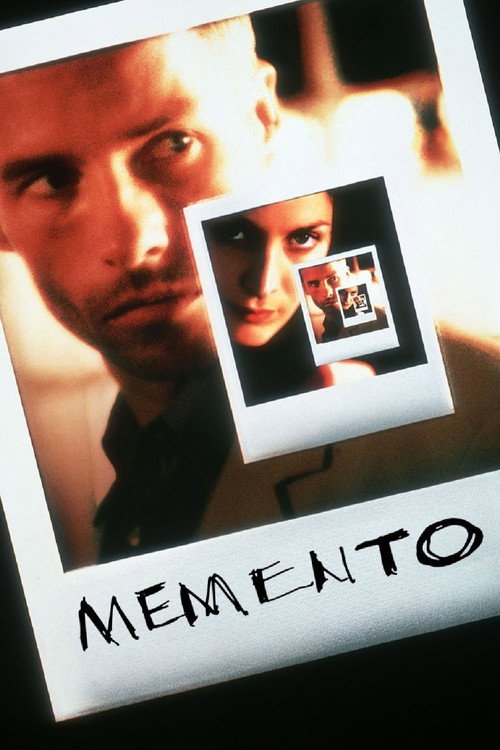
Memento2000
Like Chaos, it deconstructs crime narrative by fragmenting chronology and perspective. You're perpetually catching up, discovering that your understanding of who did what—and why—was always incomplete.
But The backwards structure can feel gimmicky on first viewing. Some find the repeated sequences tedious rather than illuminating.
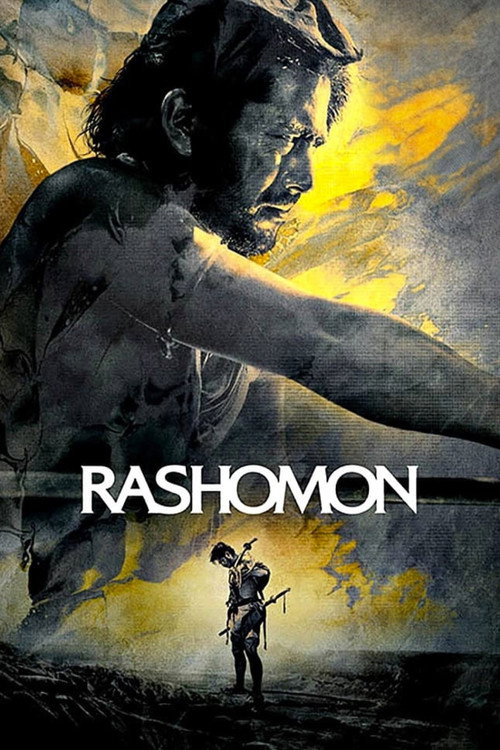
Rashomon1950
The foundational film about competing truths in crime. Four witnesses describe the same incident utterly differently, leaving you unsure what actually happened—a direct spiritual ancestor to Chaos's paranoia.
But Made in 1950, it moves at a measured pace. The philosophical ambiguity frustrates anyone wanting a definitive answer.
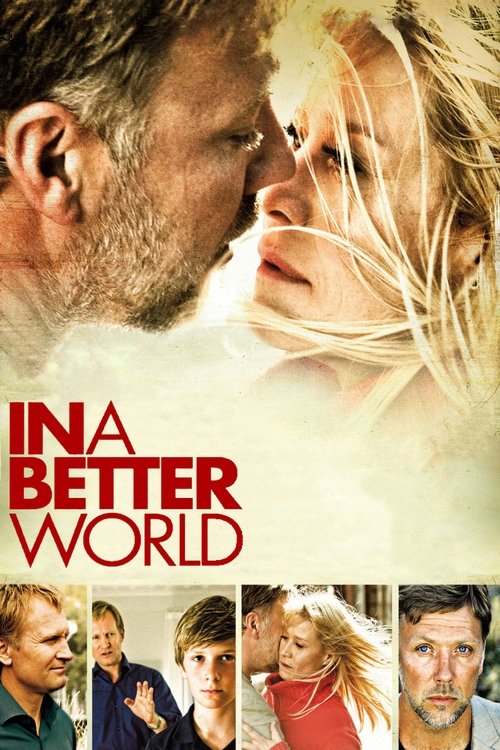
In a Better World2010
Danish thriller where violence cascades unexpectedly from hidden trauma and misunderstanding. Like Chaos, it shows how vengeance and justice become indistinguishable once the plot fractures.
But Slow-burn and heavily character-driven. The climax is emotional rather than explosive, which some find anticlimactic.
Not sure tonight? Get a pick in a minute, starting from Chaos
The wildcard
Something you would not have found on your own.
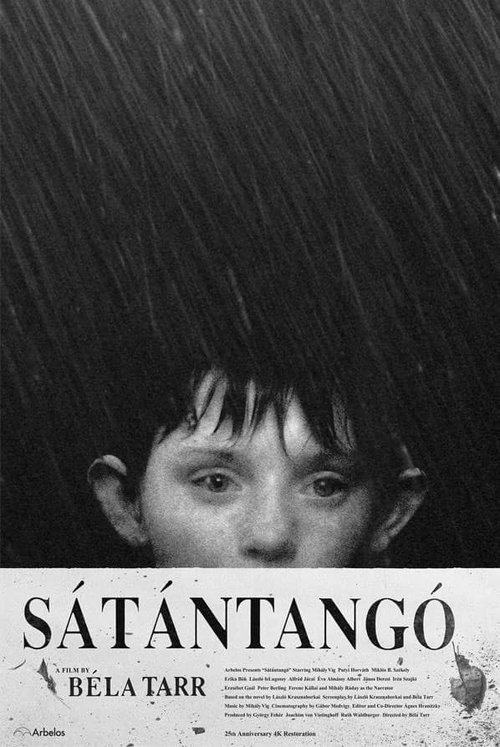
Satantango1994
Both treat crime and chaos as the natural state when isolated humans compete for control. Both refuse to center on the crime itself—it's just the trigger for moral collapse.
Béla Tarr's seven-and-a-half-hour opus: a community of broken people in a decaying building negotiate truth, deception, and survival in a plot that only exists to dissolve. Same DNA as Chaos—crime, conspiracy, the impossibility of knowing—but operatic in scale and patience.
But A film you have to *schedule*. Hypnotic but demands surrender. If you need plot momentum, you will be bored into madness.
More like this (7)
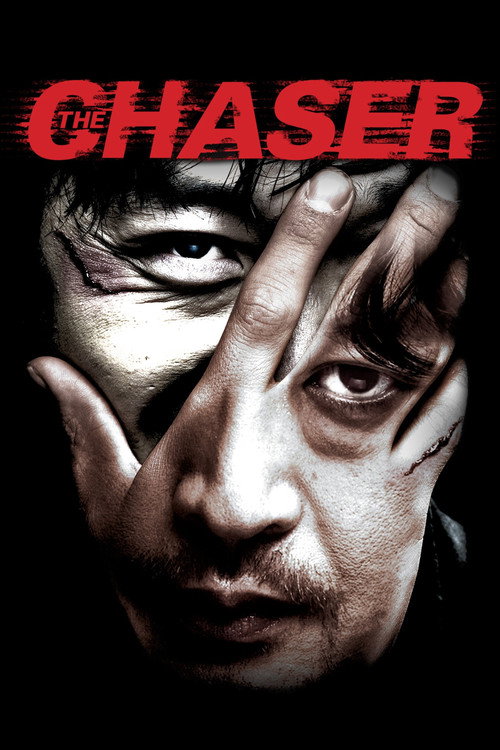
The Chaser2008
Korean thriller where a pimp becomes obsessed with tracking a serial killer. It shares Chaos's willingness to flip genre conventions—your hero is morally compromised, the plot doesn't resolve tidily.
But Genuinely brutal. The violence is graphic and often difficult to watch without irony or distance.
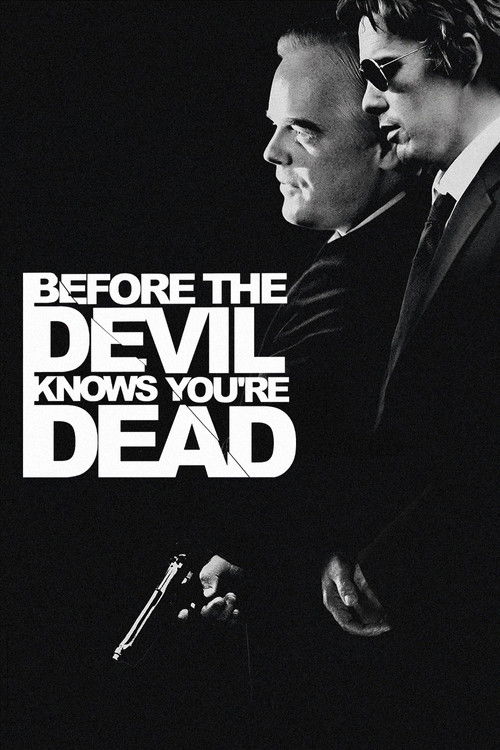
Before the Devil Knows You're Dead2007
Heist-gone-wrong film that fragments timeline and perspective to show how a single plan creates catastrophe for everyone involved. The paranoia and moral deterioration mirror Chaos directly.
But Sidney Lumet's final film arrived with little fanfare. It's formally clever but can feel cold, even when the stakes are highest.
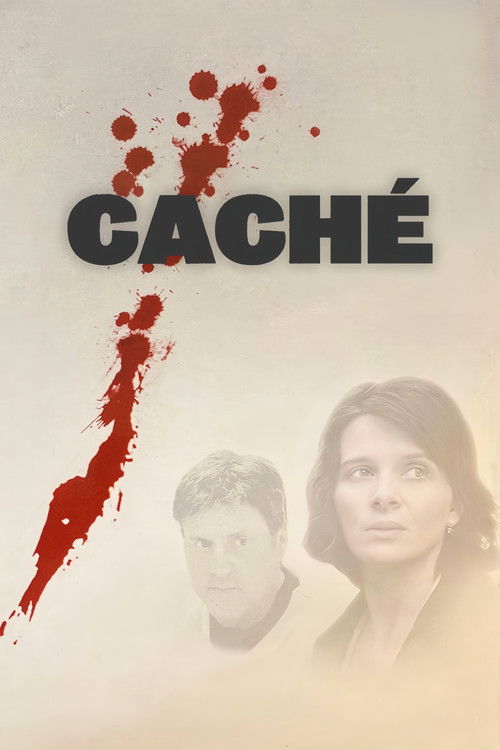
Caché2005
Haneke's masterpiece about a family receiving mysterious videotapes. Like Chaos, it's obsessed with what happens when you can't verify the truth, and how suspicion corrodes relationships.
But Deliberately obscure and slow. Haneke refuses to explain or resolve. Some find it frustratingly withholding rather than mysteriously profound.
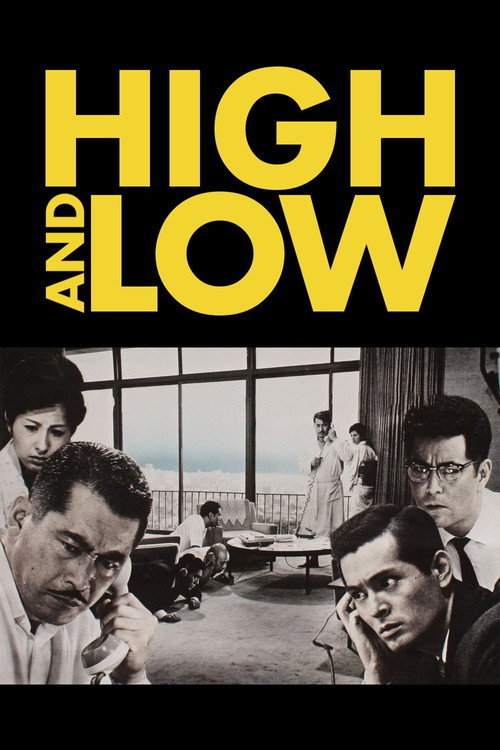
High and Low1963
Kurosawa's kidnapping drama where the act itself is less important than its ripple effects through class and conscience. Formally brilliant, emotionally devastating—a template for what Chaos attempts.
But At 143 minutes and largely dialogue-driven in its second half. Patience required; kinetic it is not.
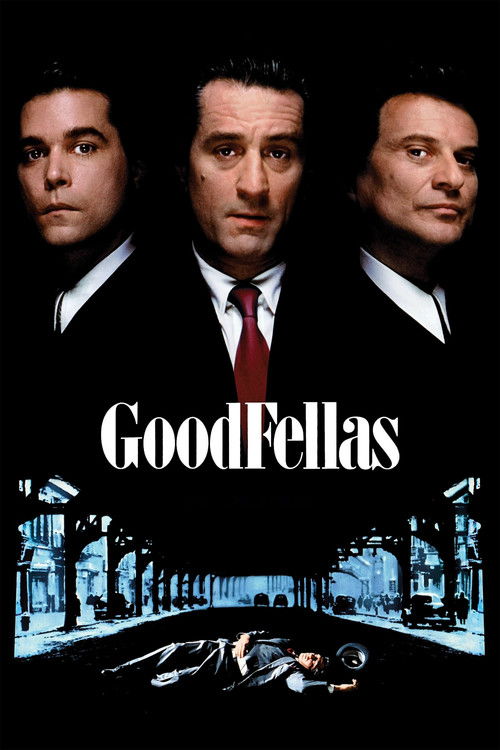
GoodFellas1990
Scorsese's masterpiece about crime from inside, where loyalty, paranoia, and competing egos destabilize the organization. The energy and momentum feel almost chaotic—controlled chaos performed brilliantly.
But Violent, misogynistic, and explicitly celebratory of terrible behavior. The film doesn't judge its characters, which some viewers find morally troubling rather than honest.
The Killing1956
Kubrick's debut, a heist film where multiple perspectives and bad timing conspire to undo meticulous planning. Early proof that crime cinema's real subject is human fallibility, not the crime itself.
But Noir-era filmmaking and pacing. If you need psychological depth over incident, the characters may feel like functions rather than people.

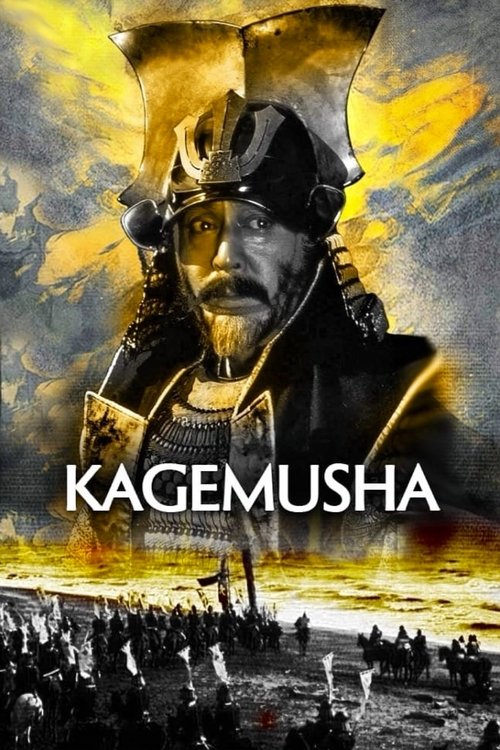
Kagemusha1980
Both hinge on a central deception that was meant to be contained but instead spreads, infecting everyone it touches. Both treat the plan as comedy before it becomes tragedy.
Kurosawa: a peasant is hired to impersonate a dead warlord. As the deception metastasizes, identity becomes fluid and the distinction between truth and useful fiction collapses—all triggered by a single lie intended to restore order.
But A samurai epic from an octogenarian director. Scope and historical specificity may feel distant. Also long—163 minutes.
People
Cast
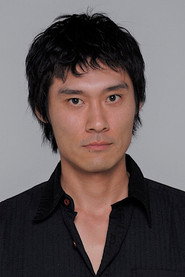
 Masato HagiwaraGorō Kuroda
 Miki NakataniSaori Komiyama / Satomi Tsushima
 Ken MitsuishiTakayuki Komiyama
 Jun KunimuraInspector Hamaguchi



Directing
- Hideo NakataDirector
Writing
- Hisashi SaitoWriter
Production
- Hideharu YamashitaProduction Manager