
Film
Deewangee
Deewangee is a 2002 Indian crime thriller about a lawyer defending a man accused of murder who may have dissociative identity disorder. It's a twisty legal procedural that revels in courtroom theatrics and psychological ambiguity, built on the tension between reasonable doubt and the terrifying possibility that you're defending someone genuinely dangerous. For fans of high-stakes drama and unreliable narrators.
If you liked this
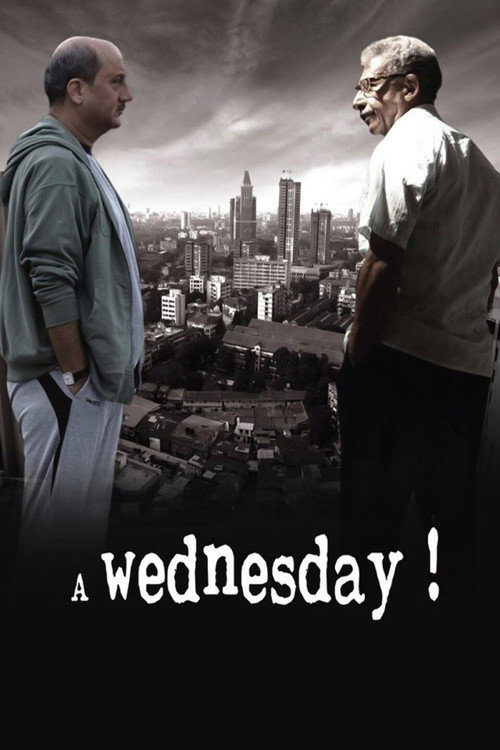
A Wednesday!2008
A taut Mumbai thriller about a man holding the city hostage, with a protagonist whose motives and sanity are deliberately unclear. Smart, propulsive, and structured around the same cat-and-mouse game of reading someone's true nature.
But The second half pivots into territory that some find preachy; the political messaging can override the thriller's momentum.
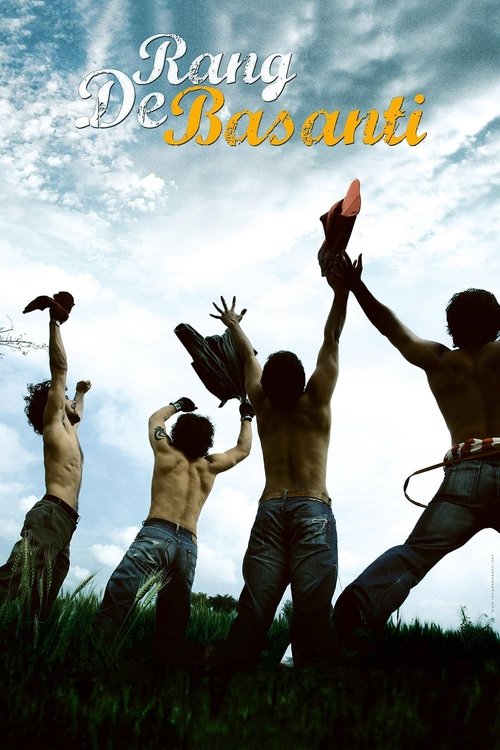
Rang De Basanti2006
Aamir Khan and an ensemble cast in a film that shifts from college romance to something far darker and morally complex. The tonal whiplash is intentional—it's about how ordinary people spiral into extraordinary circumstances.
But Nearly three and a half hours, and some plot threads feel underbaked. The ending divides viewers on whether it earns its final statement.
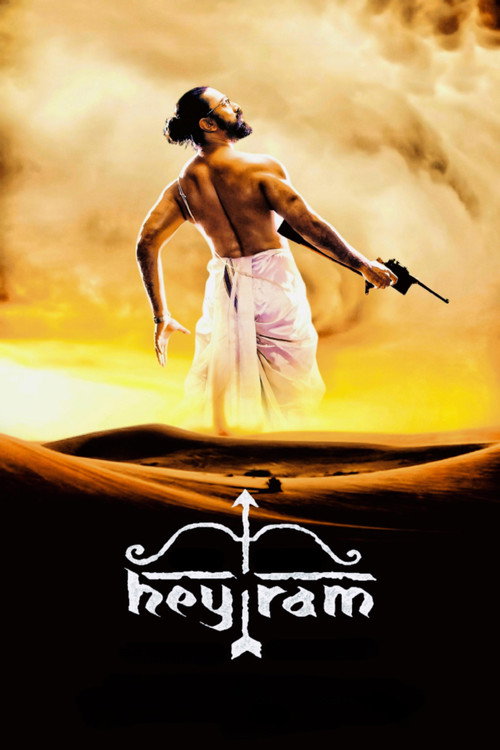
Hey Ram2000
Kamal Haasan in Madhur Bhandarkar's meditation on obsession, paranoia, and how certainty corrodes the soul. A deeply unsettling film about a man convinced of a truth that may destroy him.
But Wilfully difficult, preachy at times, and aesthetically challenging. It's more interested in discomfort than satisfaction.
Not sure tonight? Get a pick in a minute, starting from Deewangee
The wildcard
Something you would not have found on your own.
Psycho1960
Both centre on a protagonist with dissociative identity disorder and the crucial question of whether we're witnessing real illness or calculated performance. The entire genre of legal thrillers about unreliable minds traces back to this.
The template. Hitchcock's portrait of split identity and the horror of not knowing who you're actually talking to. It establishes every question Deewangee grapples with, from a medium that was still learning what cinema could do with the human mind.
But Sixty years old and not always aged as gracefully as its reputation suggests. Some plot decisions feel dated, and the psychiatrist's final monologue is legendarily clumsy.

More like this (8)
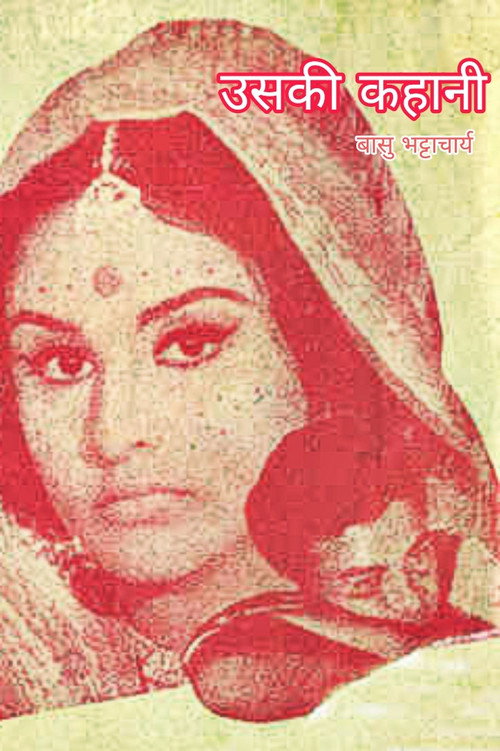
Uski Kahani1966
Vidya Balan as a pregnant woman navigating a murder mystery in Kolkata. It's Deewangee's spiritual descendant—a thriller that makes you reassess everything you've been told, with a powerhouse central performance.
But Some plot mechanics creak under scrutiny if you rewatch it. The final act explanation isn't quite as airtight as it seems on first viewing.
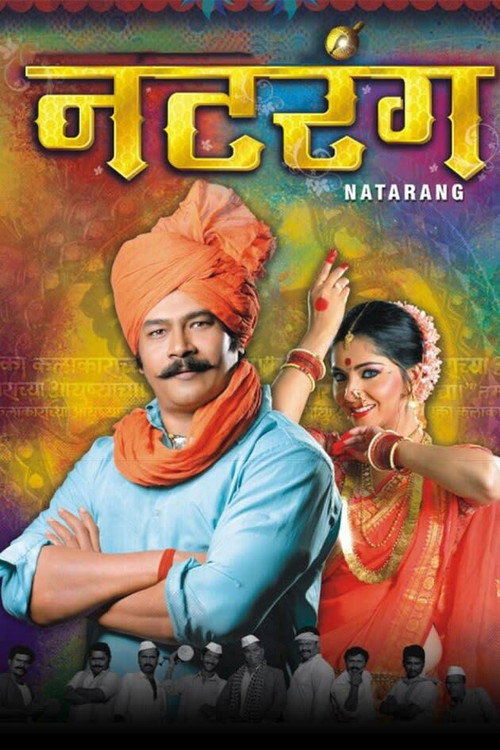
Natrang2010
An older man pursuing his passion for theatre slips into delusion and obsession. It's a character study wrapped in the texture of Marathi cinema, exploring how the mind creates its own truth.
But It's in Marathi with subtitles, and deliberately paced. The narrative threads are subtle; easy to get lost if you're not tracking closely.
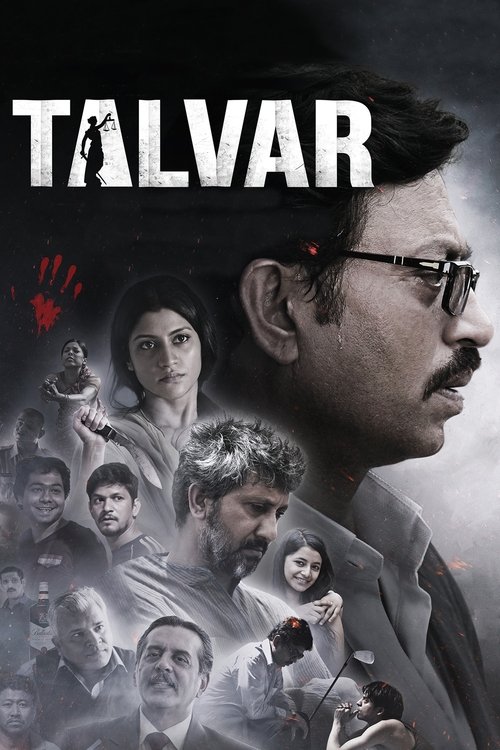
Talvar2015
A real murder case told from three contradictory perspectives, with Irrfan Khan as a tenacious investigator. It mirrors Deewangee's fascination with how we convince ourselves we know what happened.
But Based on an actual tragedy, which means there's a real family's grief underneath. It's bleaker than you might expect for a police procedural.
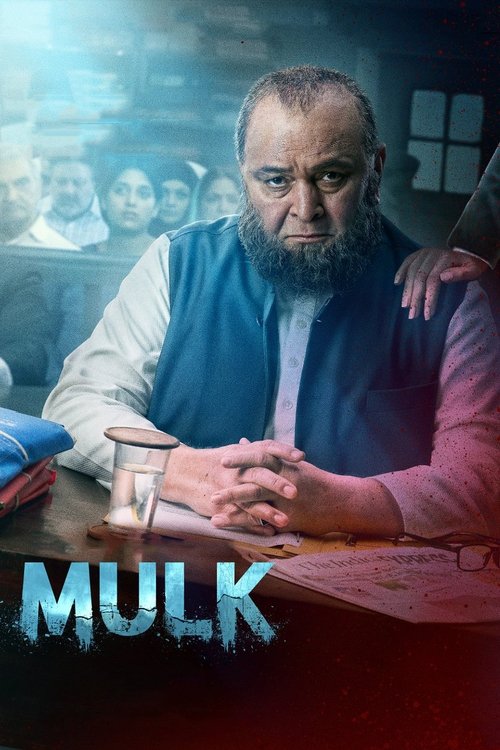
Mulk2018
Rishi Kapoor as a Muslim man defending his home and reputation against suspicion and prejudice. A courtroom drama about the fragility of innocence in a climate of fear.
But Its politics are very present and explicit; if you're not aligned with its arguments, it can feel didactic rather than dramatically earned.
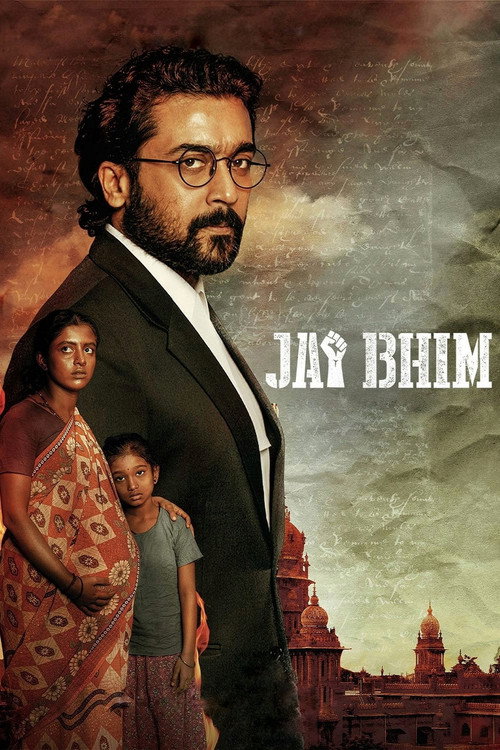
Jai Bhim2021
A police brutality case told through a lawyer's determination to uncover the truth. Tamil cinema at its most socially urgent, with a protagonist driven by principle rather than spectacle.
But It's 164 minutes of relentless heaviness. There's no lightness here, and the violence is depicted unflinchingly.
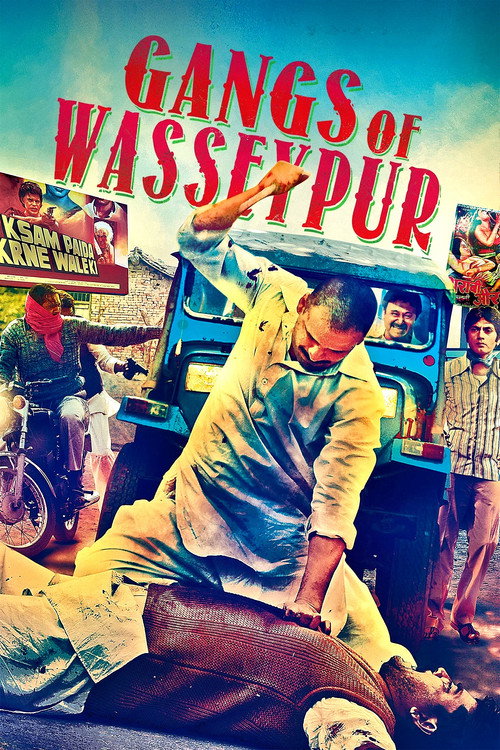
Gangs of Wasseypur - Part 12012
Anurag Kashyap's five-hour sprawl about crime, family, and obsession across generations. The same idea as Deewangee—how conviction (righteous or deranged) becomes destiny—but at epic scale.
But Brutally crude in places, with a narrative that sprawls across two parts. Some find it nihilistic; others find it honest.
Rashomon1950
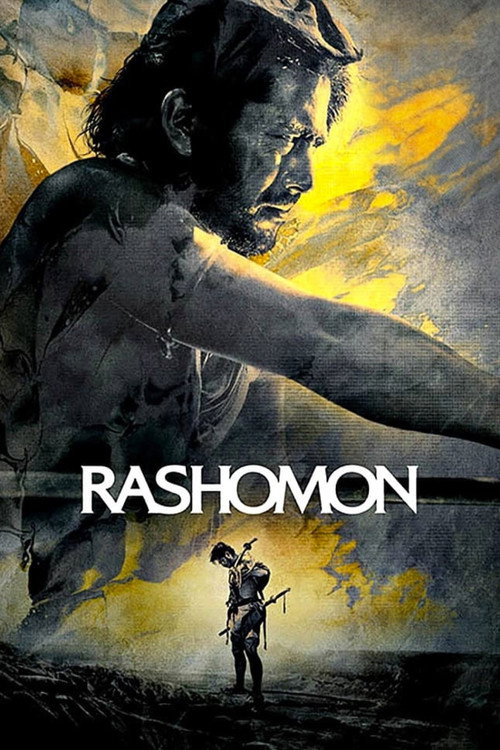
Both are structured as investigations into whether truth is knowable. Deewangee asks this within the rules of legal evidence; Rashomon asks it without rules at all. They're the same obsession in different registers.
Kurosawa's masterpiece about a single crime told four times, each account completely plausible and completely contradictory. It's the philosophical ancestor of every whodunit built on the impossibility of truth—what Deewangee tries to do in a courtroom.
But It's a 1950 Japanese film in black and white, which is not a casual ask. It's also genuinely difficult: it offers no comfort and no resolution, only the vertigo of uncertainty.
Take Shelter2011
Like Deewangee, it's a film that won't let you know if its central character is prophetic or delusional—and makes you understand that the distinction might not matter. Both are about how conviction feels identical from the inside, whether it's genius or illness.
Michael Shannon as a man building a bunker to protect his family from a catastrophe only he can sense. It's a portrait of obsession and mental illness so precise and terrifying that you can never quite separate the two. American, contemporary, quietly devastating.
But It's a slow burn about escalating paranoia, which means it gets darker and lonelier the further it goes. There's no catharsis, only a question mark that haunts you after.

People
Cast
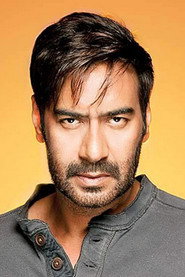 Ajay DevgnTarang
 Akshaye KhannaRaj Goyal
 Urmila MatondkarSargam
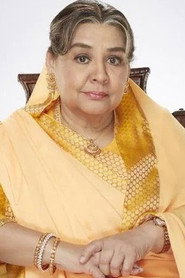 Farida JalalMrs. Goyal
 Seema BiswasPsychiatrist
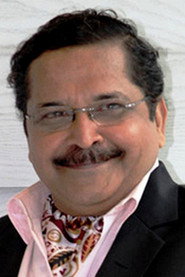 Tiku TalsaniaRaj's Uncle
 Tannaz IraniYana
 Neelam KothariMrs. Mehta
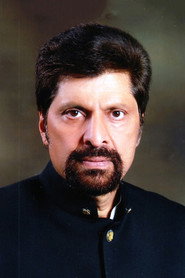 Vijayendra GhatgeAshwin Mehta
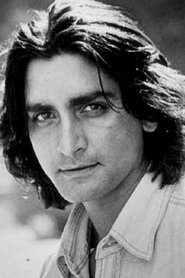 Nirmal PandeyAbhijeet Mehta
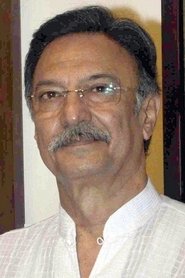 Suresh OberoiPublic Prosecutor Bhullar
 Suhasini MulayJudge
Directing
- Anees BazmeeDirector
Writing
- Neeraj PathakDialogue
- Nusrat BadrLyricist
- Salim BijnoriLyricist
- Anees BazmeeScreenplay
- Anees BazmeeWriter
Production
- Nitin ManmohanProducer