
Television series
48 Hours
- Crime
- Investigative journalism
- Dip in and out
48 Hours is CBS's flagship crime investigation magazine, where experienced correspondents spend real time unraveling complex cases—cold cases, wrongful convictions, unsolved mysteries. Each episode treats a crime like a puzzle worth solving, with the patience to dig past headlines. It's rigorous without being sensational, human without being maudlin. For anyone who loves a real mystery where the investigation itself is as absorbing as the answer.
Should you watch it?
Watch it if you like long-form reporting that lingers on a single case, with the patient, document-heavy legwork of a real reporter rather than scripted recreations or cheap cliffhangers.
Skip it if you need a self-contained story each week, since a real case can sprawl over time and the grimmer ones linger long after the credits.
What it asks of you: Each episode runs about an hour and asks for steady attention, with interviews, records and timelines stacked up patiently rather than rushed through.
Not sure? Find tonight's pick in a minute.
If you liked this
Dateline NBC2012
The closest sibling to 48 Hours: same patient, forensic approach to real crime, same willingness to reopen cases and follow threads for years. Dateline's correspondents are equally skilled at finding the humanity in complicated stories.
But After dozens of seasons, the formula can feel familiar. Some episodes blur together if you watch too many in succession.
60 Minutes1968
48 Hours learned from this masterclass in investigative magazine storytelling. The same structure—smart correspondent, deep dive, time to breathe—but across politics, business, science. Essential viewing for understanding how real journalism television works.
But The pace is deliberate, almost meditative. If you want explosions of revelation every five minutes, this will feel slow.
The Jinx: The Life and Deaths of Robert Durst2015
A true-crime deep-dive that mirrors 48 Hours' investigative rigor but with cinematic intensity. Six hours to follow a real mystery with a correspondent (Andrew Jarecki) who uncovers something genuinely shocking. Compulsively watchable.
But The subject is genuinely disturbing, and the pacing accelerates into breathlessness. Not for a calm evening.
Not sure tonight? Get a pick in a minute, starting from 48 Hours
The wildcard
Something you would not have found on your own.
Rashomon1950
Both are built on the insight that investigating a crime means learning that witnesses, suspects, and evidence tell competing stories, and that journalism's job is to hold all of them at once.
A masterpiece about how the same crime can be told four entirely different ways, each version plausible, none provably false. It's the philosophical ancestor of what 48 Hours does—dig into a crime and discover how malleable truth becomes under scrutiny.
But It's a 1950 Japanese film in black and white with subtitles, and deliberately refusal to resolve into a single truth. Modern viewers trained on crime procedurals expect clarity; this offers none.
More like this (8)
Making a Murderer2015
Shares 48 Hours' fascination with wrongful conviction and the machinery of justice, but as an extended argument rather than a balanced investigation. Brilliantly structured, infuriating, impossible to stop watching.
But The series has a perspective—it argues a case rather than presenting evidence neutrally. Some viewers find it manipulative; others find that clarity preferable to false balance.
Cold Case Files1999
Essentially a spiritual cousin: real detectives and correspondents revisit unsolved cases with fresh evidence and new leads. Same satisfaction of watching a puzzle piece click into place, less network sheen.
But Lower production values and occasionally repetitive structure. Some cases resolve, many don't, which can feel unsatisfying if you're expecting closure.
Unbelievable2019
A dramatized take on a real serial crime case that inspired 48 Hours episodes. Merritt Wever and Kaitlyn Dever anchor a meticulously researched story about police investigation and survivor trauma. Genuinely brilliant.
But It's deeply upsetting—the subject matter is sexual assault. The first episode is deliberately hard to watch, and that difficulty doesn't entirely lift.
I'll Be Gone in the Dark2020
A six-part documentary about hunting the Golden State Killer, mixing true-crime investigation with portrait of the crime writer pursuing it. 48 Hours fans will recognize the procedural pleasure; others will feel the obsession.
But The investigation becomes as much about the investigator as the crime. If you want pure mystery, the personal element might distract.
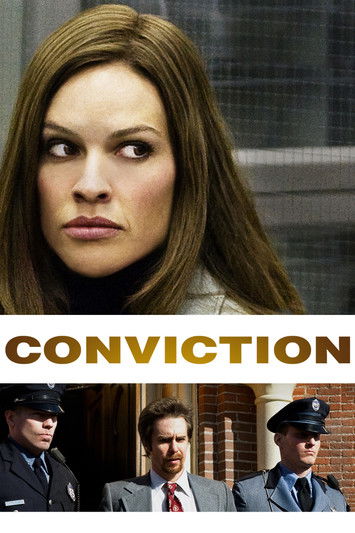
Conviction2010
Documentary about the Innocence Project's legal battles to free the wrongly convicted. 48 Hours has exonerated real people; this film shows what happens next, in the courtroom and in lives rebuilt. Quietly powerful.
But It's more legal argument than narrative thriller. Patience required; no dramatic reveals, only the slow accumulation of evidence and hope.
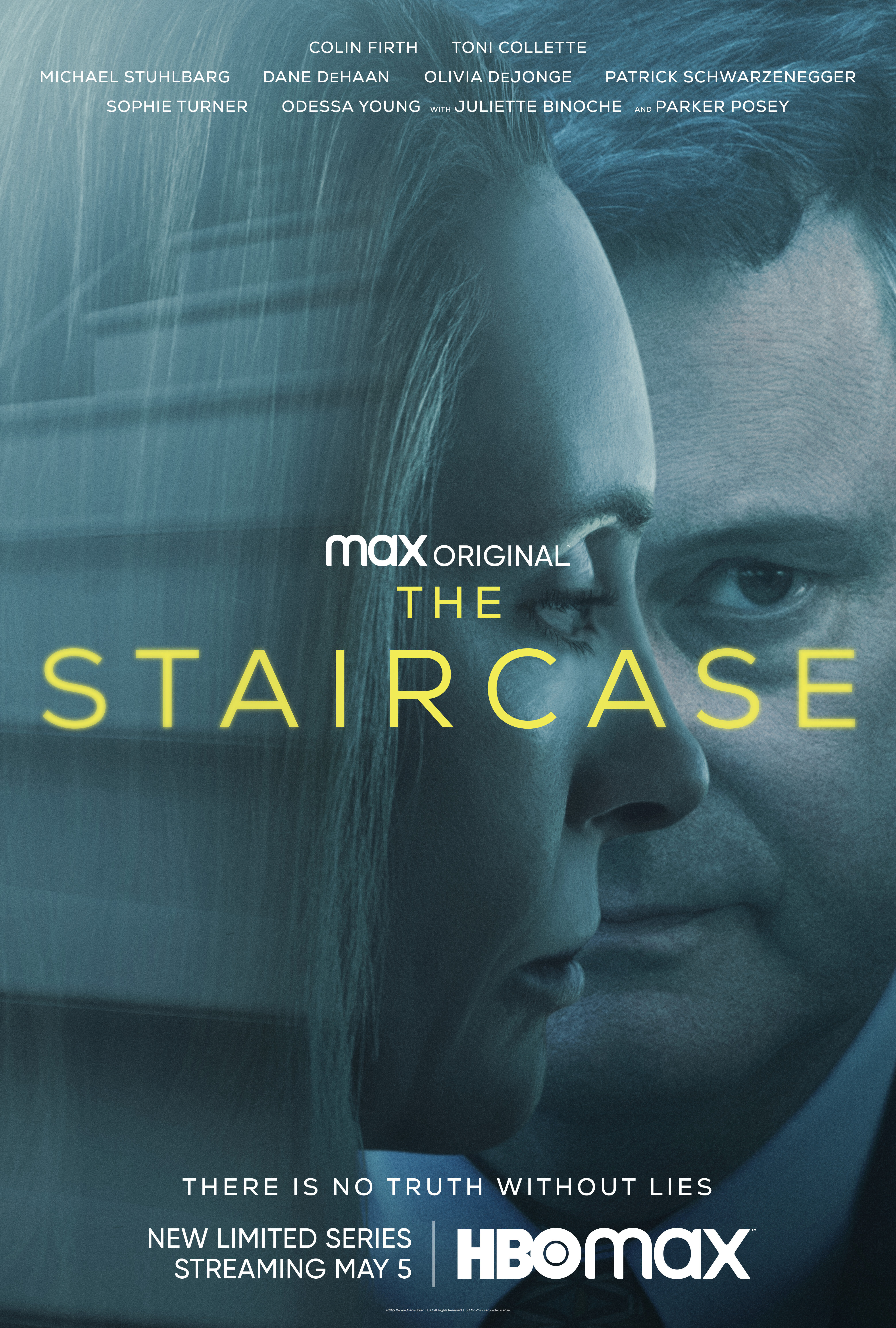
The Staircase2022
Eight-part dive into a North Carolina death that may or may not be murder, told across decades with real trial footage and interviews. Deliberately ambiguous in a way 48 Hours rarely is; unsettling precisely because reasonable people disagree.
But The opacity can frustrate viewers who want answers. Some found the later episodes, focusing on the filmmaker, self-indulgent.
The Act of Killing2012
Like 48 Hours, it's built on patient observation and extended time with its subjects. But where 48 Hours investigates to clarify, this film investigates to confound—to show that understanding evil doesn't make it rational.
A documentary that inverts the investigative premise: instead of journalists investigating killers, it puts the camera in the hands of genocide perpetrators and asks them to reenact their crimes. Disturbing, revelatory, impossible to look away from. A meditation on guilt, memory, and performance.
But It's methodologically shocking—giving killers a platform and a megaphone. Some viewers found it immoral; others found the discomfort essential to the film's point about complicity.

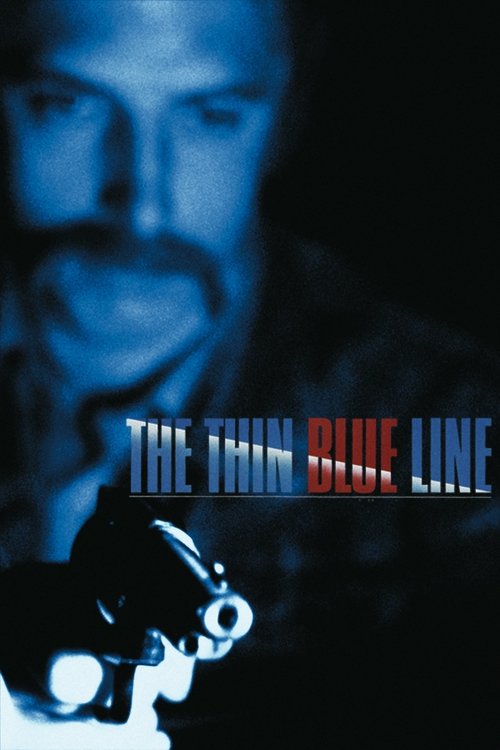
The Thin Blue Line1988
Both are investigative journalism that led to real exonerations. The Thin Blue Line did what 48 Hours does—followed a thread until something that seemed settled came undone—but as cinema rather than television, with artistic choices that television news wouldn't make.
Errol Morris's 1988 documentary about a wrongful murder conviction, told entirely through interviews and stylized reconstructions. This film literally freed an innocent man—it's 48 Hours condensed to 100 minutes, with the precision of a magician and the moral clarity of a manifesto.
But The visual style—repetitive crime scene animation, unusual score—can feel mannered. Some find the aesthetic distancing cold; others find it necessary to the clarity.
People
Cast







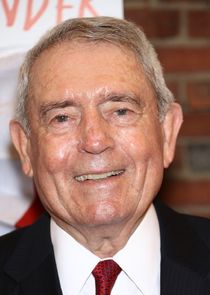

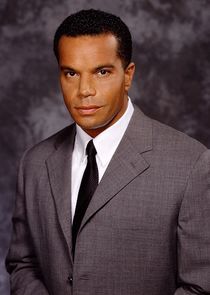
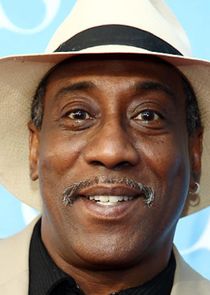
Production
- Susan ZirinskyExecutive Producer
- Alicia TejadaProducer
- Anthony BatsonProducer
- Clare FriedlandProducer
- Elena DiFioreProducer
- Gregory F. McLaughlinProducer
- Joan AdelmanProducer
- Judy TygardProducer
- Lourdes AguiarProducer
- Ruth ChenetzProducer
- Shoshanah WolfsonProducer
Recommended by
The First 48, Murder in the Heartland, America's Most Wanted, Forensic Files, American Justice, Snapped, Dateline NBC, The Genetic Detective, Snapped: Behind Bars, Swipe Right on the Devil, Evil Lives Here