Television series
Snapped: Behind Bars
- Prison
- Very dark
- Dip in and out
Snapped: Behind Bars revisits the crimes that shocked audiences, then relocates into prison cells to let the convicted speak for themselves. It's intimate, unsettling true crime that trades gotcha moments for discomfort—ideal for viewers who've exhausted the standard formula and want to sit with the people who did the unthinkable.
Should you watch it?
Watch it if you are curious what a convicted killer sounds like years after the verdict, in their own words, rather than in a courtroom or a headline.
Skip it if you want a mystery to solve, since the answers were settled long ago and these episodes are more about the people than the puzzle.
What it asks of you: Expect talky sit-downs at an unhurried pace, with each roughly hour-long episode built around a single case and its aftermath.
Not sure? Find tonight's pick in a minute.
If you liked this
Forensic Files1996
Methodical, gripping examination of real homicides solved through evidence and procedure. The quiet confidence of the storytelling and the puzzle-box satisfaction make every episode magnetic.
But The narration is deliberate and measured, sometimes to the point of slowness. If you need constant escalation, this will feel patient.
48 Hours1988
Deep-dive investigations that stay with a single case long enough to find its contradictions and complexity. The crime itself is almost secondary to the human mystery underneath.
But At roughly an hour per episode, these sprawl. The pacing assumes patience and rewards it, but not everyone has either.
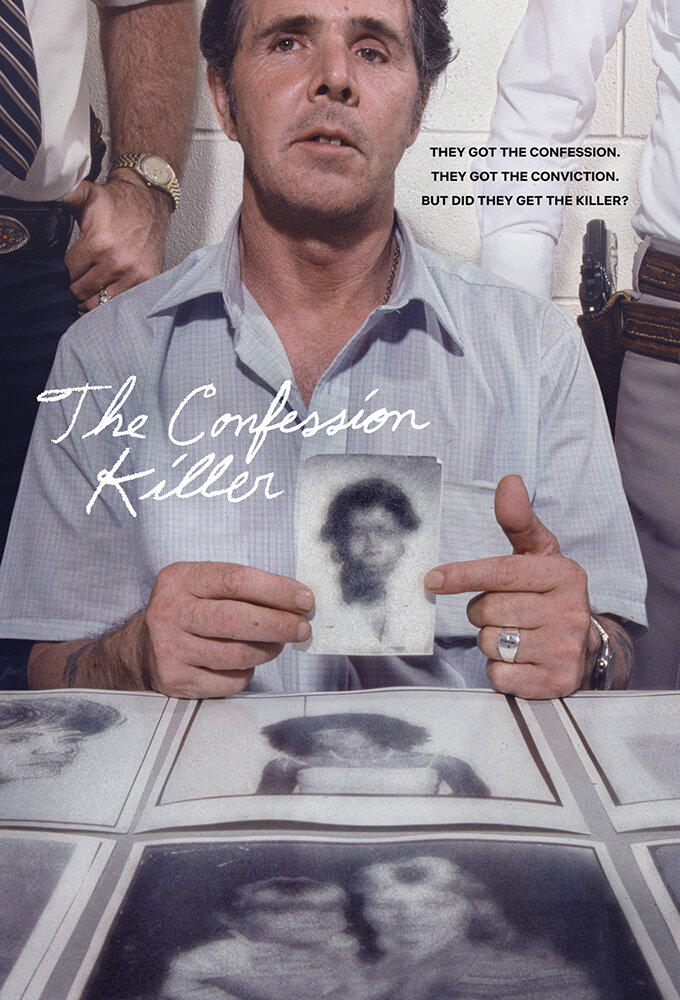
The Confession Killer2019
Questions the machinery of criminal justice itself—a man who confesses to murders he may not have committed, and why the system believed him. It's more detective story than crime story.
But It's slow-burn and conceptual. If you want clear resolution and closure, this deliberately denies you both.
Not sure tonight? Get a pick in a minute, starting from Snapped: Behind Bars
The wildcard
Something you would not have found on your own.
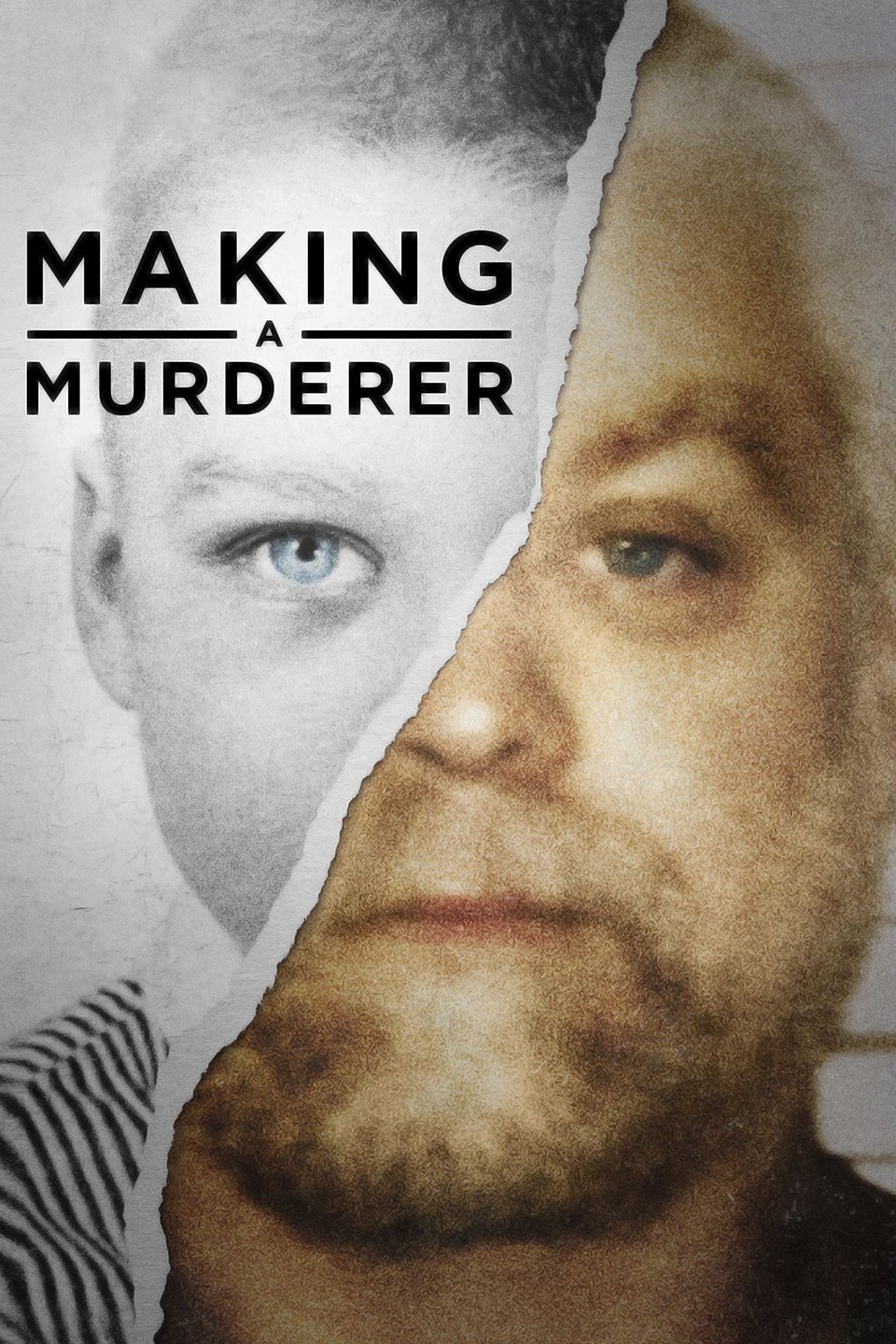
Making a Murderer2015
Both embed you with the convicted, but Making a Murderer questions guilt itself—it's what happens when Behind Bars meets actual reasonable doubt.
Follows a single incarcerated man over years while the filmmakers interrogate whether he's guilty. It abandons the resolved-crime format entirely to ask whether our justice system even works.
But It's argued to have shaped public opinion unfairly. Some viewers find the editing manipulative and resent the ambiguity it champions.
More like this (5)
Murder in the Heartland2017
Community-focused investigations that let ordinary people tell the story. Less polished than network true crime, more humane. You feel the weight in the town, not just the crime.
But Production values are modest. If you're used to slick cinematography and celebrity narration, this will look like local news.
Evil Lives Here2016
Family members of killers speak directly to camera about what they saw, what they missed, what they carry. The emotional texture is raw in ways reconstruction-heavy docs can't match.
But Relying entirely on testimony from people with trauma means narratives can shift and contradict. It's deliberately unreliable.
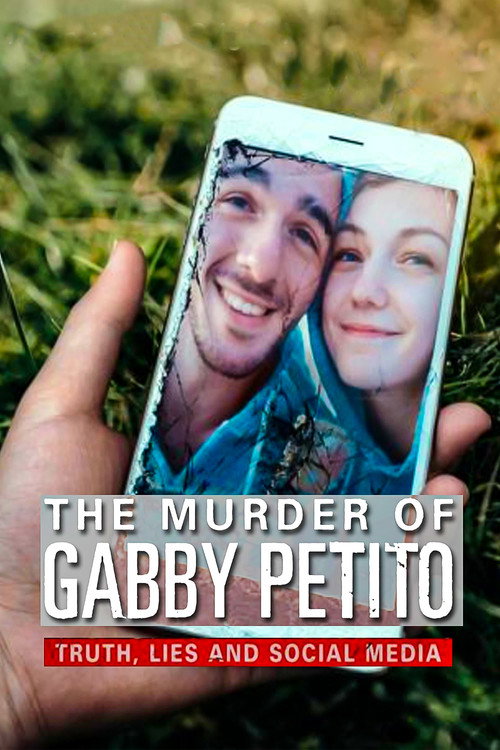
The Murder of Gabby Petito: Truth, Lies and Social Media2021
A missing-person case that exploded across social media and search-and-rescue. It captures a specific cultural moment and the chaos of amateur investigation meeting institutional failure.
But Recent enough that it still feels raw. Heavy viewer investment in a case that has already dominated news cycles may feel like revisiting rather than discovering.
Strangers in the Night2015
Like Behind Bars, it lets prisoners speak, but it goes further by suggesting the prison itself may be the real crime.
Two men, two violent crimes separated by decades, both claiming innocence in a system stacked against them. It's an investigation that refuses to conclude, instead documenting systemic failure.
But Australian documentary with a different legal framework. The pacing is glacial and there is no satisfying payoff—some find this honest, others find it frustrating.
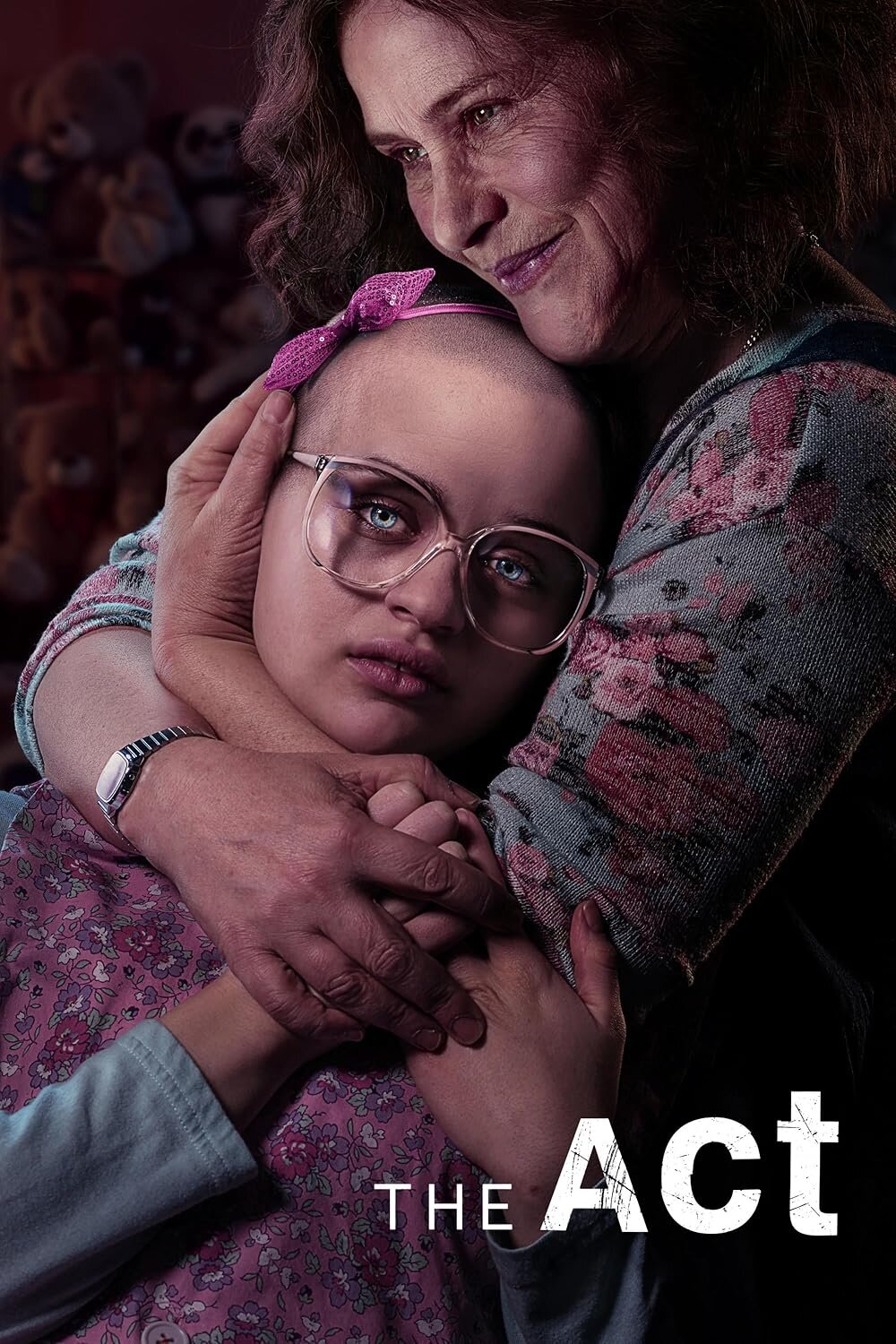
The Act2019
Both ask you to sit with the interior life of someone who killed, but The Act does it through scripted empathy—a wildly different method reaching the same discomfort.
Dramatized true story of Gypsy Rose Blanchard, a woman whose mother's abuse drove her to murder. It's psychological horror disguised as crime, exploring how victims become perpetrators.
But Fictional reconstruction rather than documentary. If you want unmediated reality, this stylized approach will feel slick and compromised.