
Television series
Forensic Files
- Police procedural
- Mystery
- Dip in and out
Forensic Files is the ur-text of case-of-the-week true crime: thirty tidy minutes per episode, Peter Thomas's flat, unshakeable narration walking you from body to verdict via mitochondrial DNA and blood spatter. There's no sensationalism, no cliffhangers, just the quiet satisfaction of watching methodical people out-think a liar. Comfort food for anyone who finds procedure soothing rather than dull; frustrating if you need drama, doubt, or a villain with a face.
Should you watch it?
Watch it if you like the quiet satisfaction of watching cold, methodical science close in on a lie, one lab result at a time, with a narrator who never raises his voice.
Skip it if you want characters you get to know or any sense of who these people are beyond the evidence, since each half-hour case is handled as a puzzle rather than a life.
What it asks of you: Each episode is short and self-contained, so you can dip in for one case, and it rewards patient attention to procedure over emotional investment or plot momentum.
Not sure? Find tonight's pick in a minute.
If you liked this
Cold Case Files1999
Same DNA, literally and structurally. Bill Kurtis narrates decades-old murders cracked open by new forensic techniques, with the same patient build from mystery to closure that made Forensic Files addictive.
But Cases run longer and the pacing is looser, so it lacks the crisp thirty-minute efficiency you might be hooked on.
Unsolved Mysteries2020
Robert Stack's trench coat and grave, drone-like voice invented the true-crime narrator template Forensic Files perfected. Cold cases, missing persons, occasional UFOs, all delivered with total sincerity.
But Not everything resolves — some cases stay genuinely unsolved, which can feel deflating after Forensic Files' guaranteed verdicts.
Dateline NBC2012
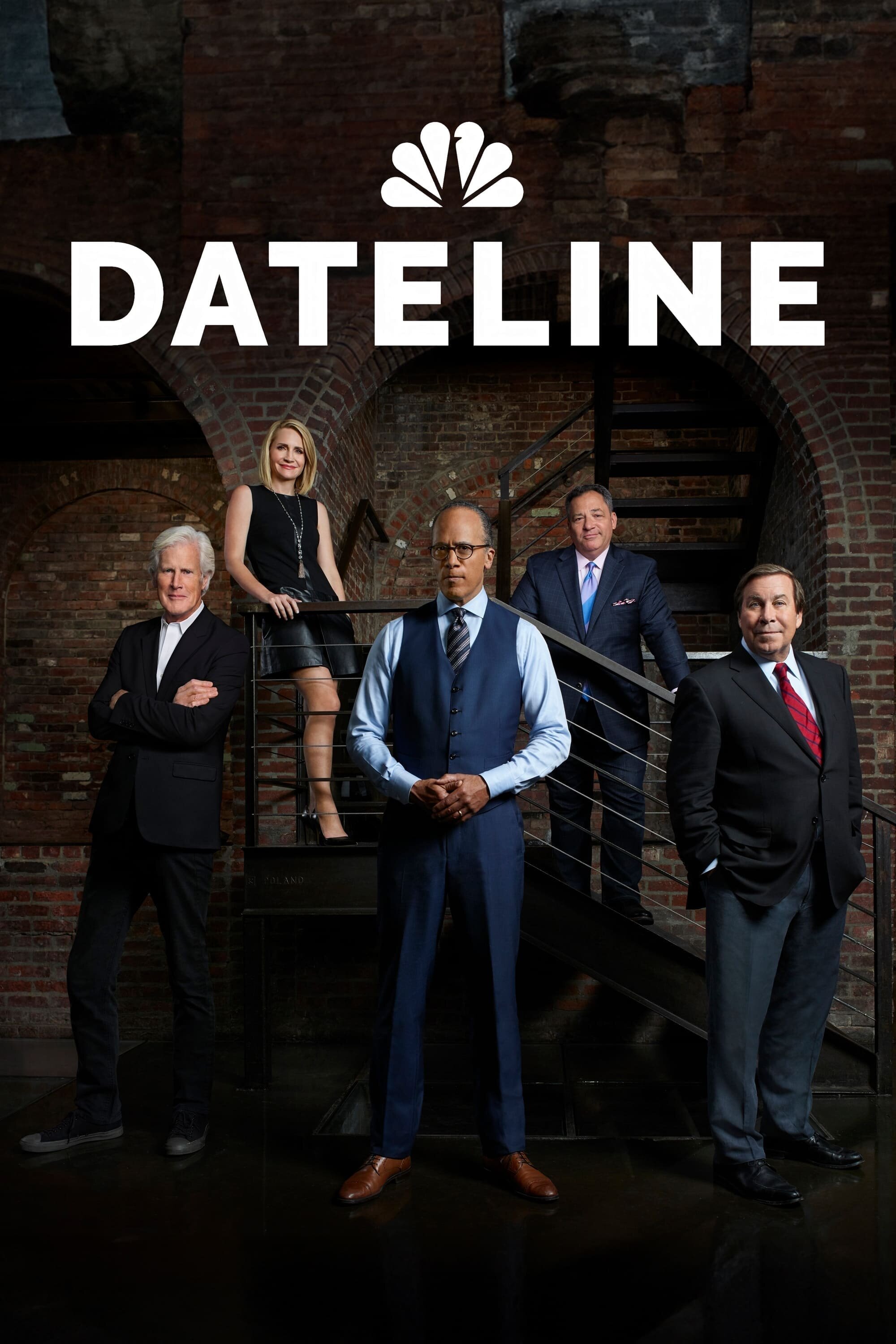
Keith Morrison's hushed, ominous delivery turns small-town murders into hour-long slow burns. It's the newsmagazine cousin of Forensic Files — less lab work, more interviews with the people who lived it.
But Episodes lean on emotional interviews more than hard science, so the forensic detail you love can end up thin.
Not sure tonight? Get a pick in a minute, starting from Forensic Files
The wildcard
Something you would not have found on your own.
Quincy, M.E.1976
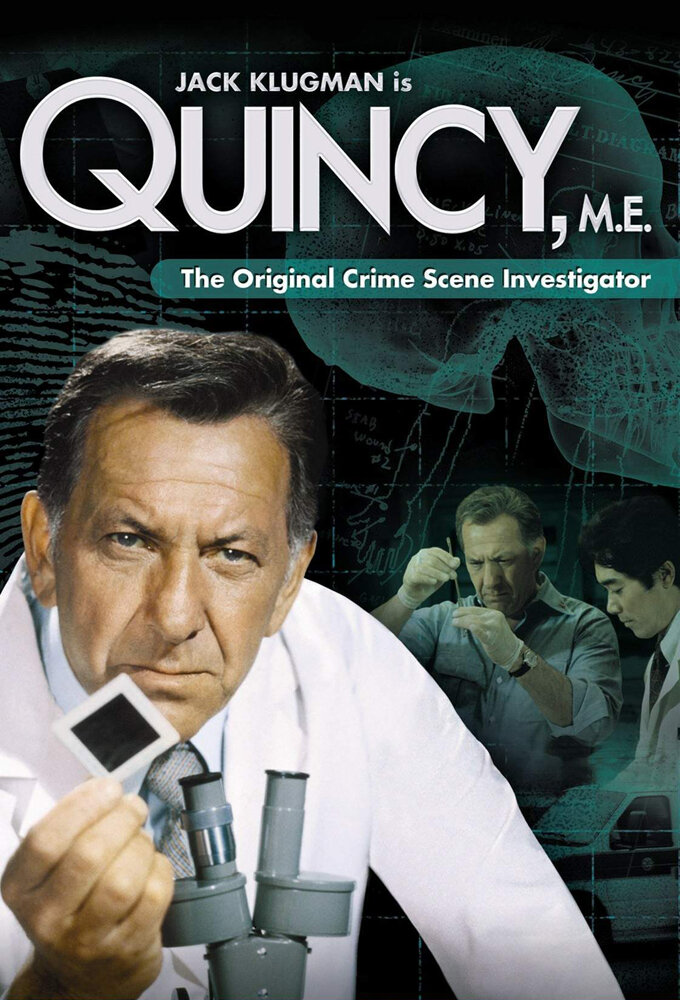
Same engine as Forensic Files — an expert reading a body for the truth — but fictionalized, decades earlier, and running on gut instinct instead of mitochondrial DNA.
Jack Klugman's cranky medical examiner refuses to let inconvenient bodies get buried without answers — this is the forensic procedural's ancestor, decades before DNA testing, all instinct and stubbornness.
But It's a network drama with a plot and a hero, not a documentary, and the science is dated and sometimes just wrong by modern standards.
More like this (7)
48 Hours1988
CBS's long-running true-crime staple digs into real investigations with courtroom footage and detective interviews, scratching the same itch for procedure and resolution.
But Hour-long episodes can feel padded next to the no-fat efficiency of a Forensic Files half-hour.
The First 482004
Swap the lab coats for handheld cameras following real homicide detectives through the critical first two days of a case — a rawer, less tidy cousin to the forensic procedural.
But It's messier and more anxious than Forensic Files' calm hindsight — you're watching cases unfold, not puzzles already explained.
Making a Murderer2015
A single case stretched across ten hours instead of thirty minutes, obsessing over the same kind of forensic evidence Forensic Files trusts implicitly — except here the science itself becomes the argument.
But It's a slow, angry deep dive with a clear agenda, nothing like Forensic Files' brisk, settled certainty.
Snapped2004
Focused entirely on women who kill, it shares the same case-file structure and matter-of-fact narration, moving from motive to arrest with tabloid efficiency.
But It leans harder into psychology and motive than physical evidence, so the forensic payoff is thinner.
CSI: Crime Scene Investigation2000
The glossy fictional descendant — the same fascination with trace evidence and lab work, dressed up with a cast, a plot, and Las Vegas neon instead of a narrator.
But It's fiction, so cases are invented and the science gets dramatized past plausibility — a different pleasure than watching real cases resolve.
The Thin Blue Line1988
Forensic Files trusts forensic science to deliver certainty; this film, using the identical recreation technique, shows how easily that certainty gets fabricated and believed.
Errol Morris invented the modern true-crime recreation with this documentary, using the same dramatized re-enactments Forensic Files relies on — except here they dismantle a wrongful conviction instead of confirming one.
But It's slow, stylized, and offers no tidy verdict or comforting closure within the film itself.
1000 Ways to Die2008
Both build episodes around 'here's exactly how the body reveals what killed it' — one narrates it like a courtroom, the other like a carnival barker.
The same case-of-the-week, narrator-explains-the-body structure, but gleefully trashy — dramatized bizarre deaths played for shock and dark comedy instead of sober procedure.
But It's crude, campy, and occasionally mean-spirited about real deaths — the exact opposite of Forensic Files' restraint.
People
Cast
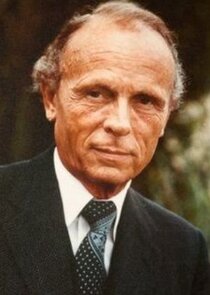 Peter ThomasNarrator
Recommended by
Quincy, M.E., The First 48, 1000 Ways to Die, America's Most Wanted, Cold Case Files, American Justice, Dateline NBC, Unmasking a Monster: Aileen Wuornos, Snapped: Behind Bars, Evil Lives Here