
Television series
Unmasking a Monster: Aileen Wuornos
- Serial killer
- Very dark
A documentary series using innovative visualization techniques to reconstruct Aileen Wuornos's story through first-person accounts, investigative records, and testimony. Rather than traditional talking-head interviews, it animates voices from transcripts and evidence to create an immersive true-crime narrative. For viewers seeking fresh approaches to familiar cases and interested in how documentary form itself can reshape understanding.
Should you watch it?
Watch it if you are drawn to true crime told through reconstructed testimony and the texture of case files, and want to hear how a story looks from inside the people who lived it.
Skip it if you want a dramatised story with actors playing scenes, since this is documentary built on visualised testimony, and it is not out yet to prove its new approach.
What it asks of you: Three one-hour episodes, a short commitment, with a documentary pace and dark subject matter that asks you to sit with testimony rather than be carried along.
Not sure? Find tonight's pick in a minute.
If you liked this
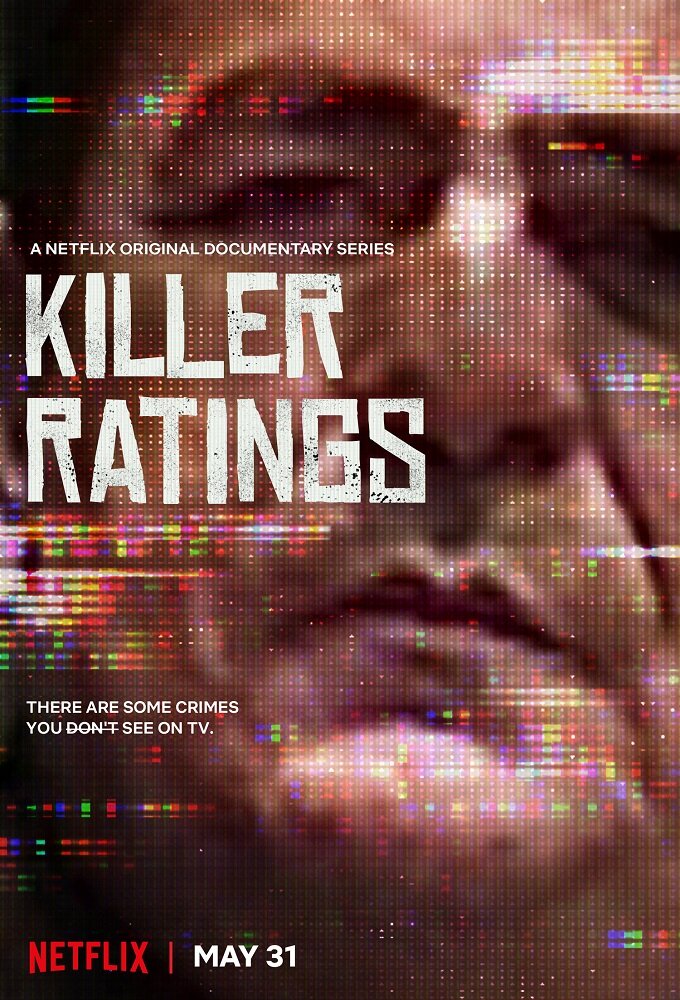
Killer Ratings2019
Explores how media sensationalism shapes criminal cases and public perception, with sharp analysis of how coverage influences justice. Directly relevant to understanding Wuornos's legacy.
But Slower paced than typical true crime; more focused on media criticism than lurid details.
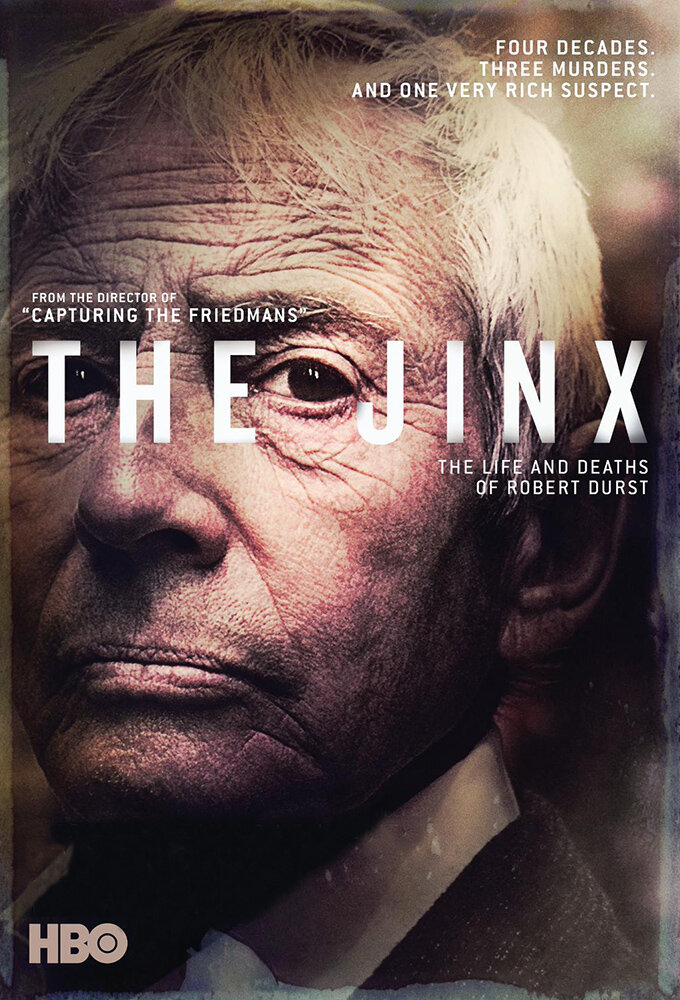
The Jinx: The Life and Deaths of Robert Durst2015
Masterclass in interrogating a subject through documents, confessions, and investigation. Uses primary materials to construct narrative tension. Andrew Jarecki's approach rewards close attention to evidence.
But Six hours is a substantial commitment, and Durst's crimes and personality may feel suffocatingly claustrophobic.
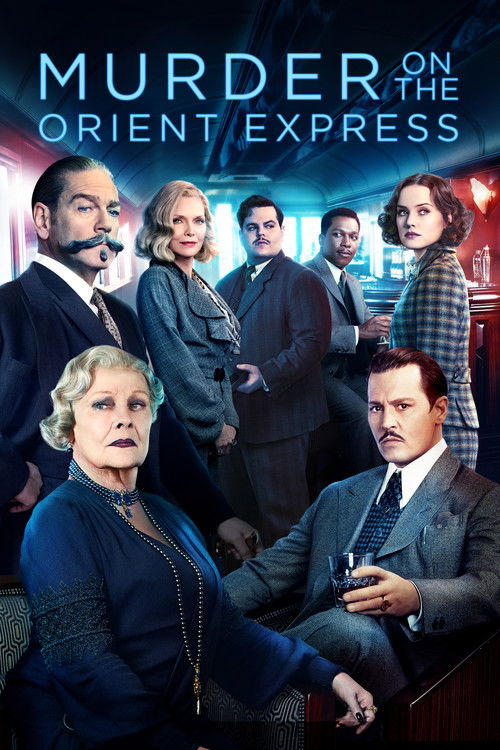
Murder on the Orient Express2017
Poirot methodically reconstructs how a murder happened by interviewing witnesses and assembling evidence. Elegant procedural storytelling that respects the intelligence of reconstruction over sensationalism.
But It's a whodunit, not true crime; some may find the puzzle-box approach detached from real suffering.
Not sure tonight? Get a pick in a minute, starting from Unmasking a Monster: Aileen Wuornos
The wildcard
Something you would not have found on your own.
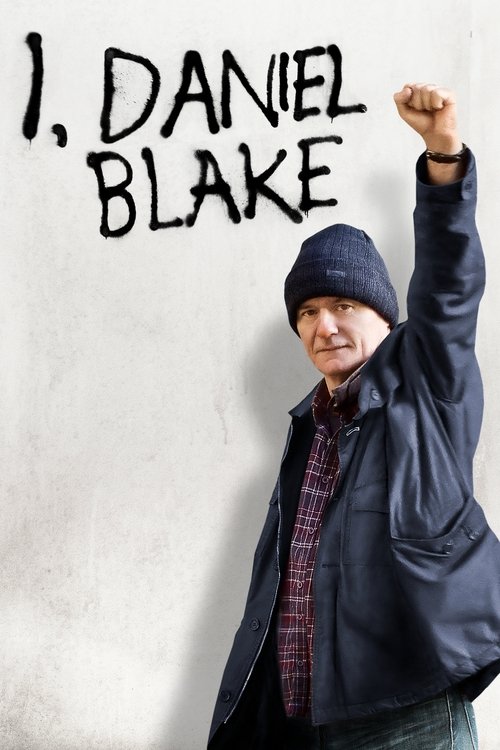
I, Daniel Blake2016
Both examine how those without power are trapped by systems that refuse to hear them; both ask how we decide who deserves survival.
Ken Loach documentary-drama about a man destroyed by systems designed to judge him. Like Wuornos's case, it's about how institutions determine whose life matters and whose testimony is believed.
But Not crime storytelling. British social drama about welfare bureaucracy—sounds tedious, requires patience, ends in devastation.
More like this (6)
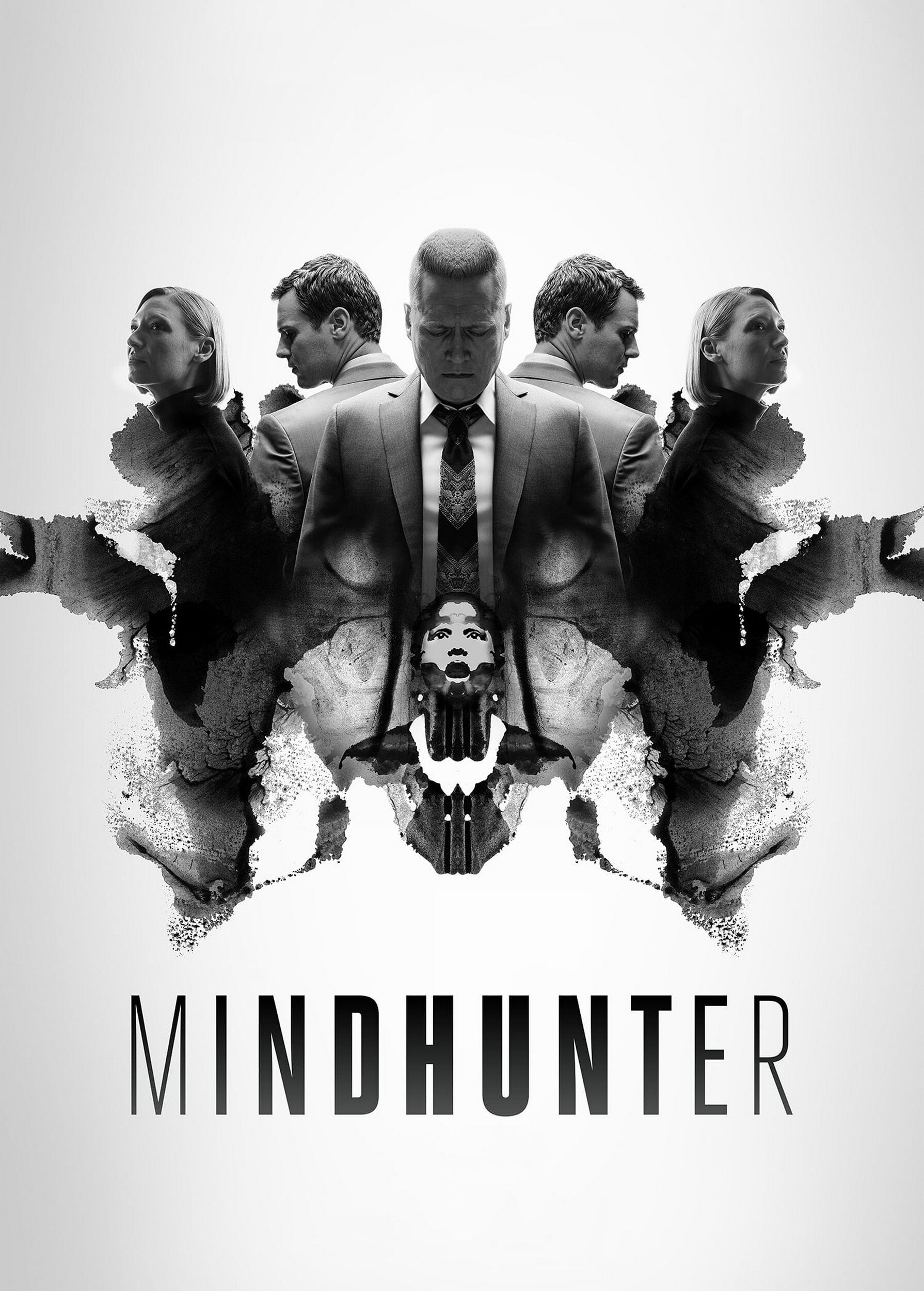
MINDHUNTER2017
Dramatizes the birth of criminal profiling through interviews and investigation. Shows how law enforcement comes to understand violent offenders through testimony and behavioral analysis.
But Fictionalized; serial killer content is deliberately graphic and may feel exploitative regardless of sophistication.
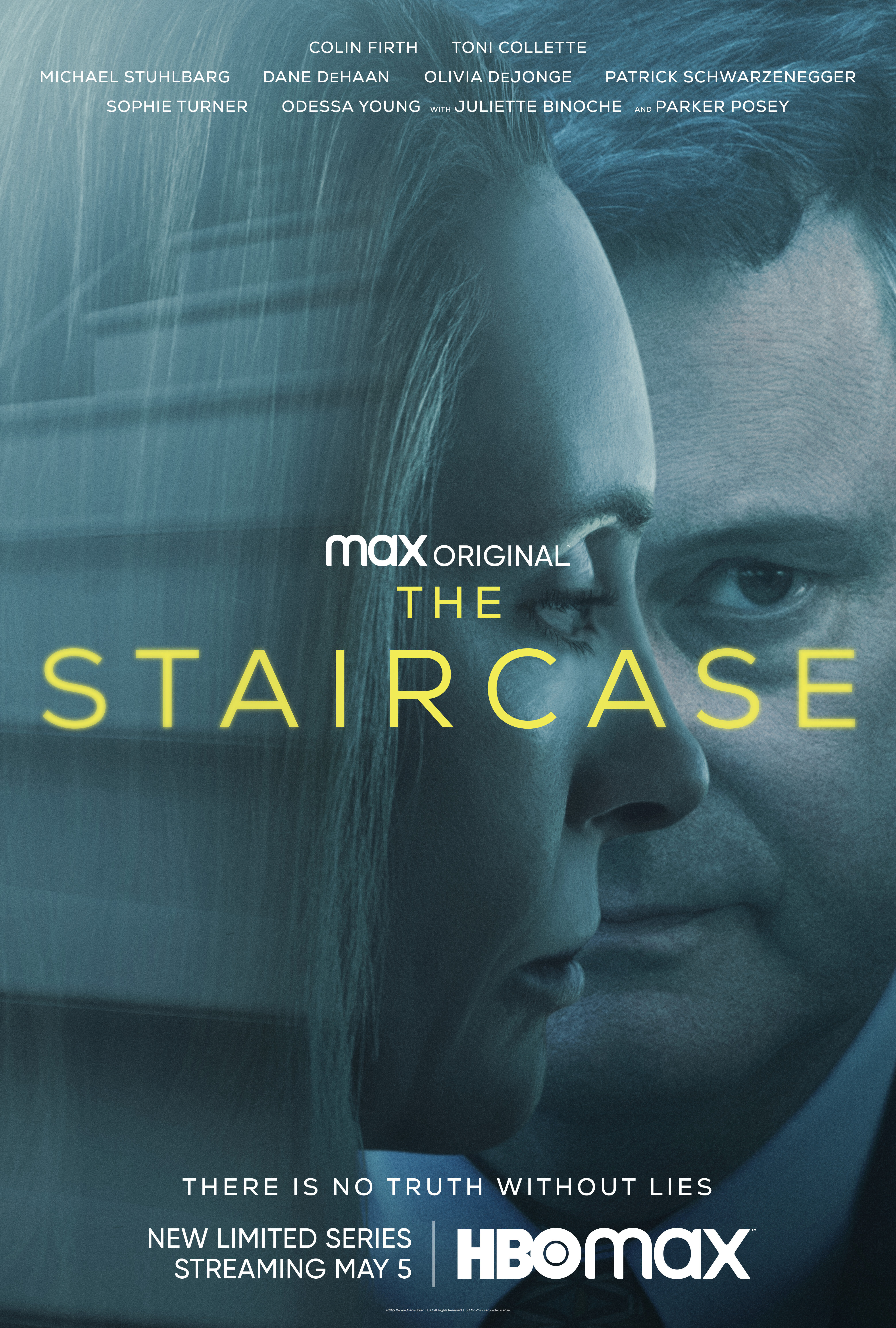
The Staircase2022
HBO's reconstruction uses trial footage, animation, and expert testimony to examine a case of contested guilt. Shows how visual storytelling can interrogate reasonable doubt.
But Nearly as long as a film degree program. The protagonist's privilege may make engagement difficult depending on your patience.
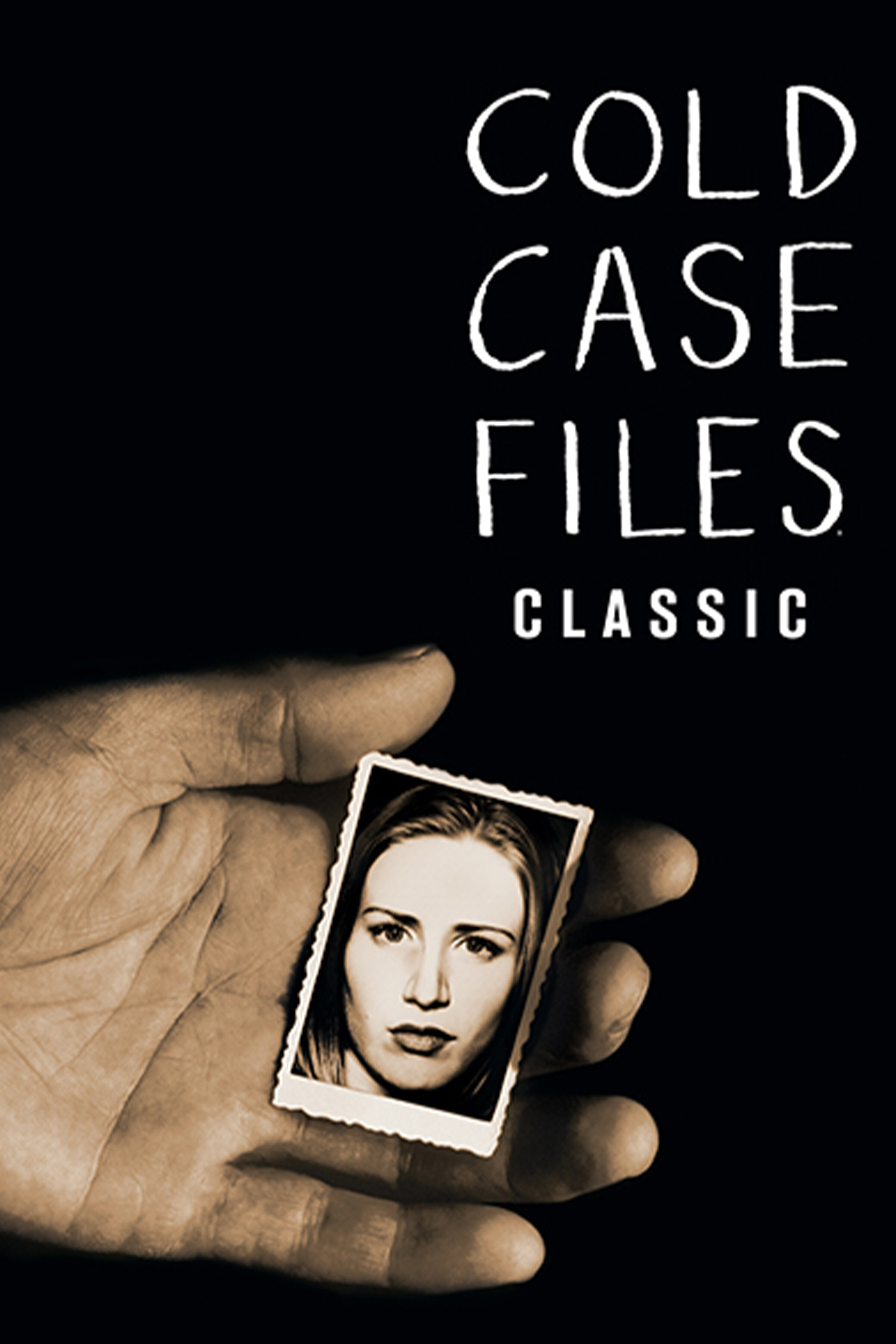
Cold Case Files1999
Early and influential true crime series that respects investigative procedure and evidence gathering. Straightforward, well-produced cases without manufactured drama.
But By modern standards, the pacing feels glacial. No narrative tricks or stylistic flourishes.
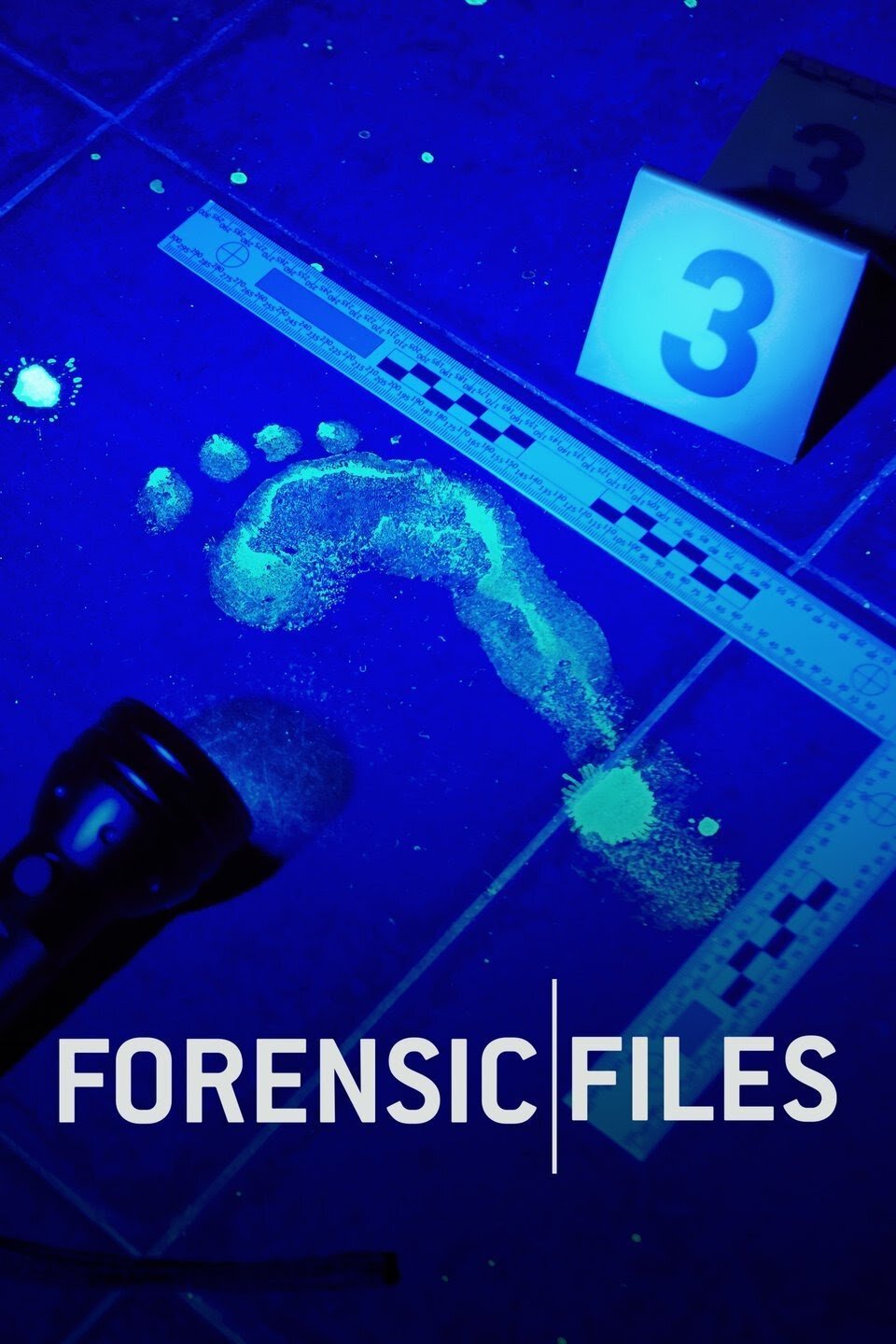
Forensic Files1996
Decades-spanning series that builds cases through forensic evidence and witness accounts. Calming narrator, logical construction, satisfying resolutions rooted in science.
But Each episode prioritizes clarity over emotional depth. Some find the clinical tone alienating when the subject is human tragedy.
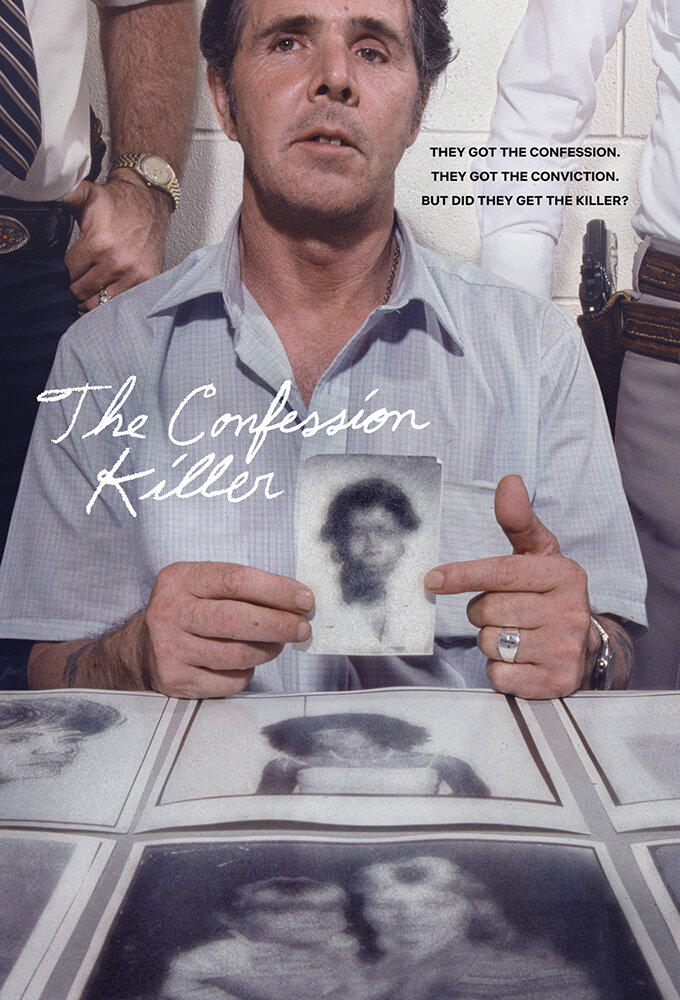
The Confession Killer2019
Examines a case where confession doesn't equal guilt, using evidence reconstruction and testimony to question the narrative. Thoughtful about how justice can misfire.
But Less momentum than other true crime; the subject matter is deliberately unsettling and unresolved.
The Act of Killing2012
Both use reconstruction and testimony to resurrect buried violence; both refuse easy judgment and force viewers to hold complexity about human monstrosity.
Indonesian genocide perpetrators reenact their own crimes on camera. A radical documentary that stages testimony and asks viewers to sit with moral discomfort. Formally inventive and philosophically ambitious.
But Extremely difficult. Asks you to look at people committing simulated atrocities. No closure. Politically unsettling even after the credits.
