Television series
The Confession Killer
The Confession Killer traces how a drifter named Henry Lee Lucas confessed to hundreds of unsolved murders — and how overworked police departments across America were only too happy to believe him. Told through archive footage and unflinching interviews, it's less a killer's portrait than an indictment of a system that wanted easy answers. Slow-burning, damning, and deeply unsettling for anyone who trusts official case closures.
If you liked this
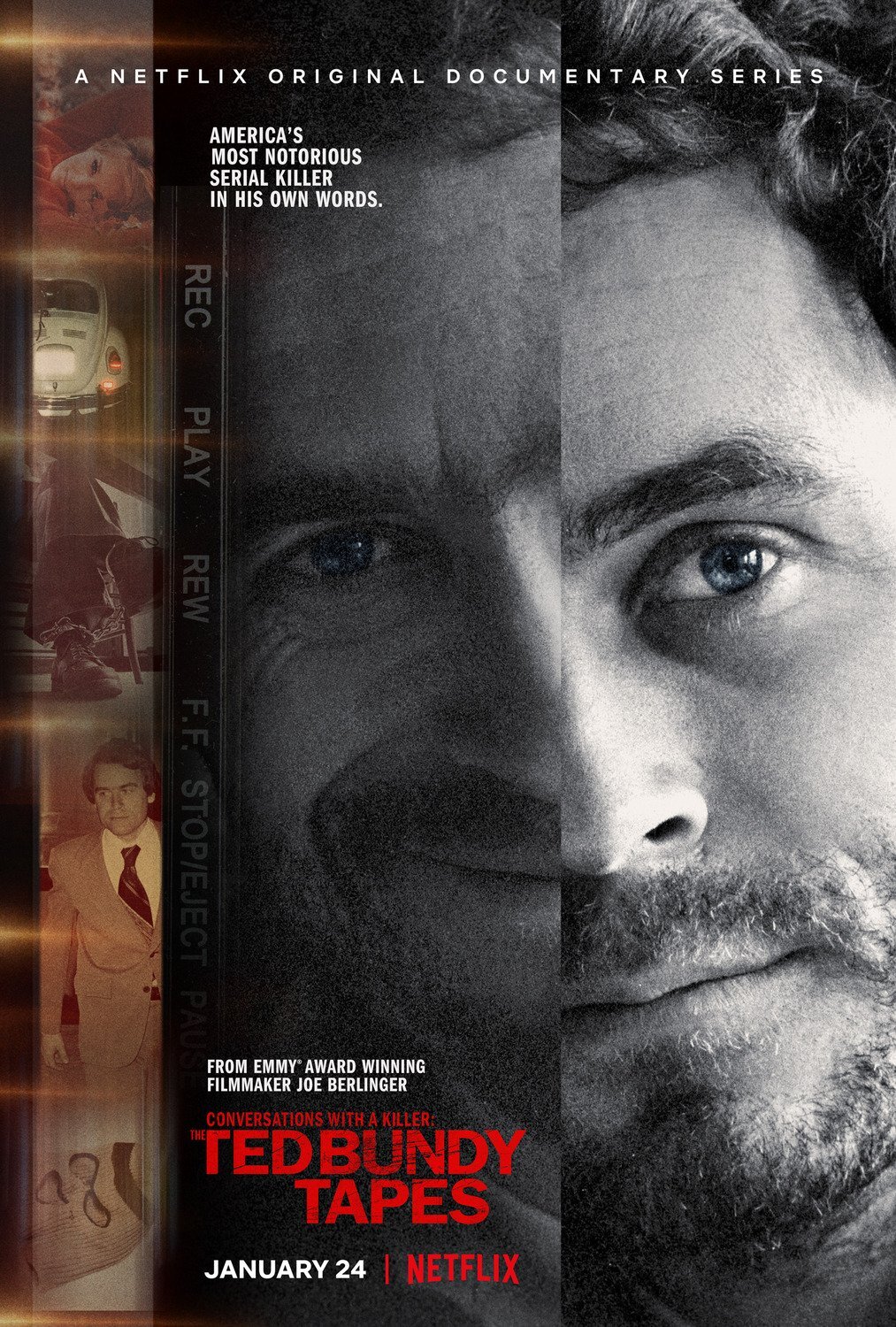
Soupçons2004
A defense attorney fights to save a man accused of killing his wife, and the series spends years inside the machinery of doubt, evidence and legal spin — patient, exhausting, brilliant.
But Thirteen episodes across two decades of footage; it demands real stamina and offers no tidy verdict.
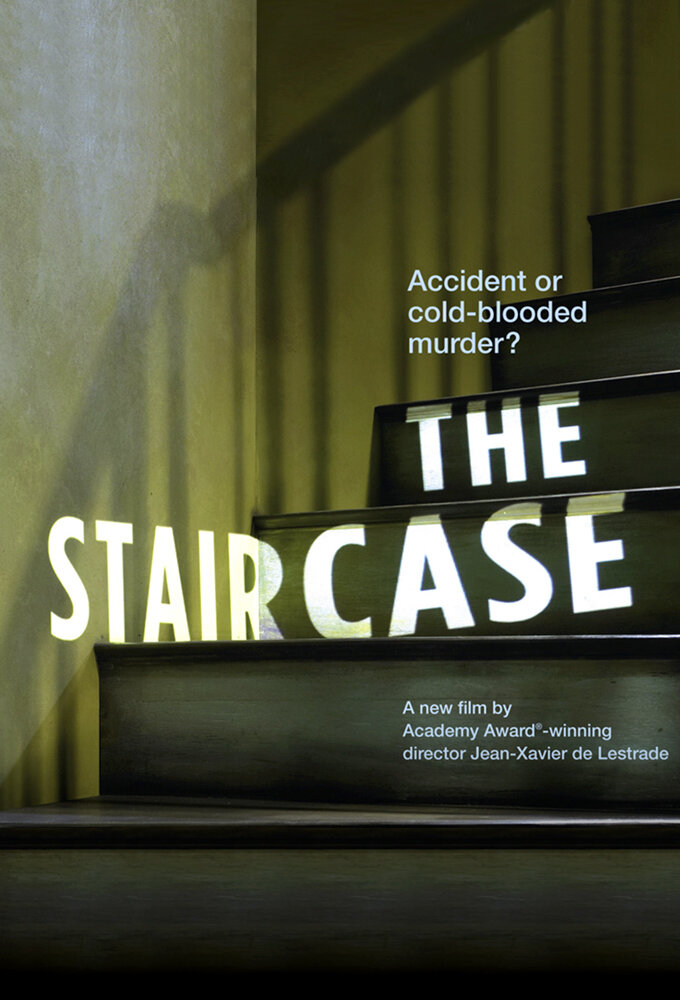
The Jinx: The Life and Deaths of Robert Durst2015
Robert Durst narrates his own possible guilt across six hypnotic episodes that end with one of the most jaw-dropping accidental confessions ever filmed.
But The ethics of how that ending was captured have been picked apart for years, and it can colour the whole experience.
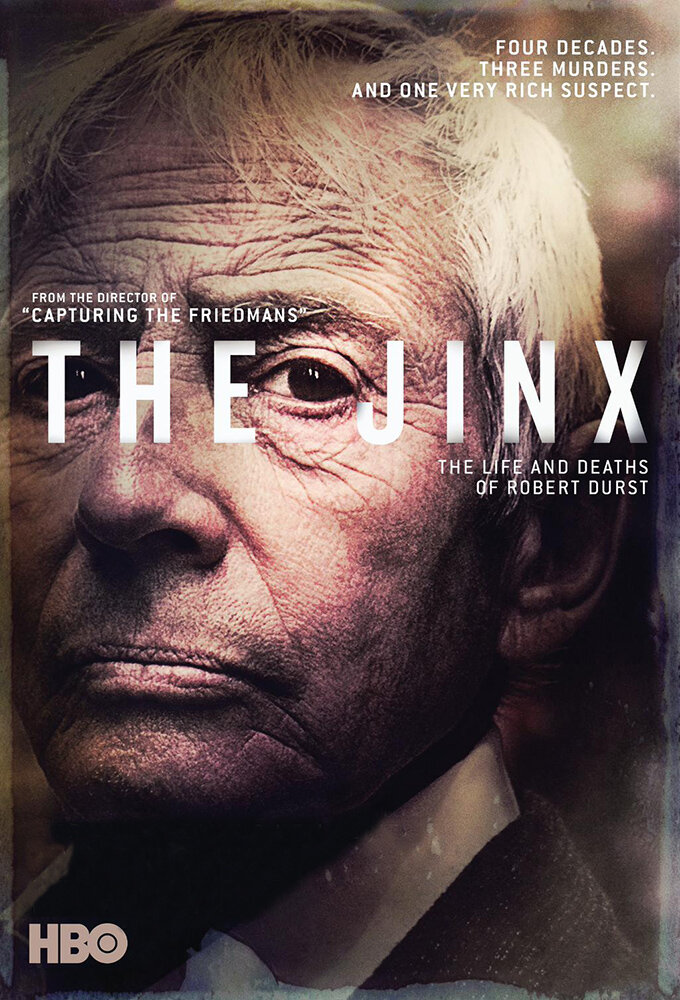
Conversations with a Killer: The Ted Bundy Tapes2019
Built almost entirely from prison interview tapes, it lets Bundy talk his way toward — and away from — the truth, showing exactly how a false narrative gets built and sold.
But Bundy's charisma is the point, but sitting with it for four hours is genuinely queasy.
The wildcard
Something you would not have found on your own.
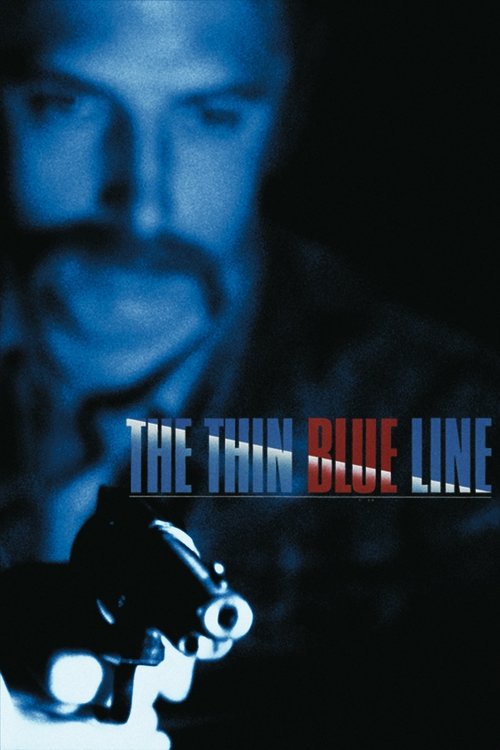
The Thin Blue Line1988
This is the ancestor of every false-confession documentary made since, including this one — the same machinery of coerced admission and institutional convenience, thirty years earlier and in a single tight feature instead of a series.
Errol Morris's stylised, moody investigation into a false confession on death row essentially invented this genre — its atmospheric reenactments and interviews got an innocent man released.
But Its techniques are so influential now that some of the artistry can feel familiar rather than radical.
More like this (8)
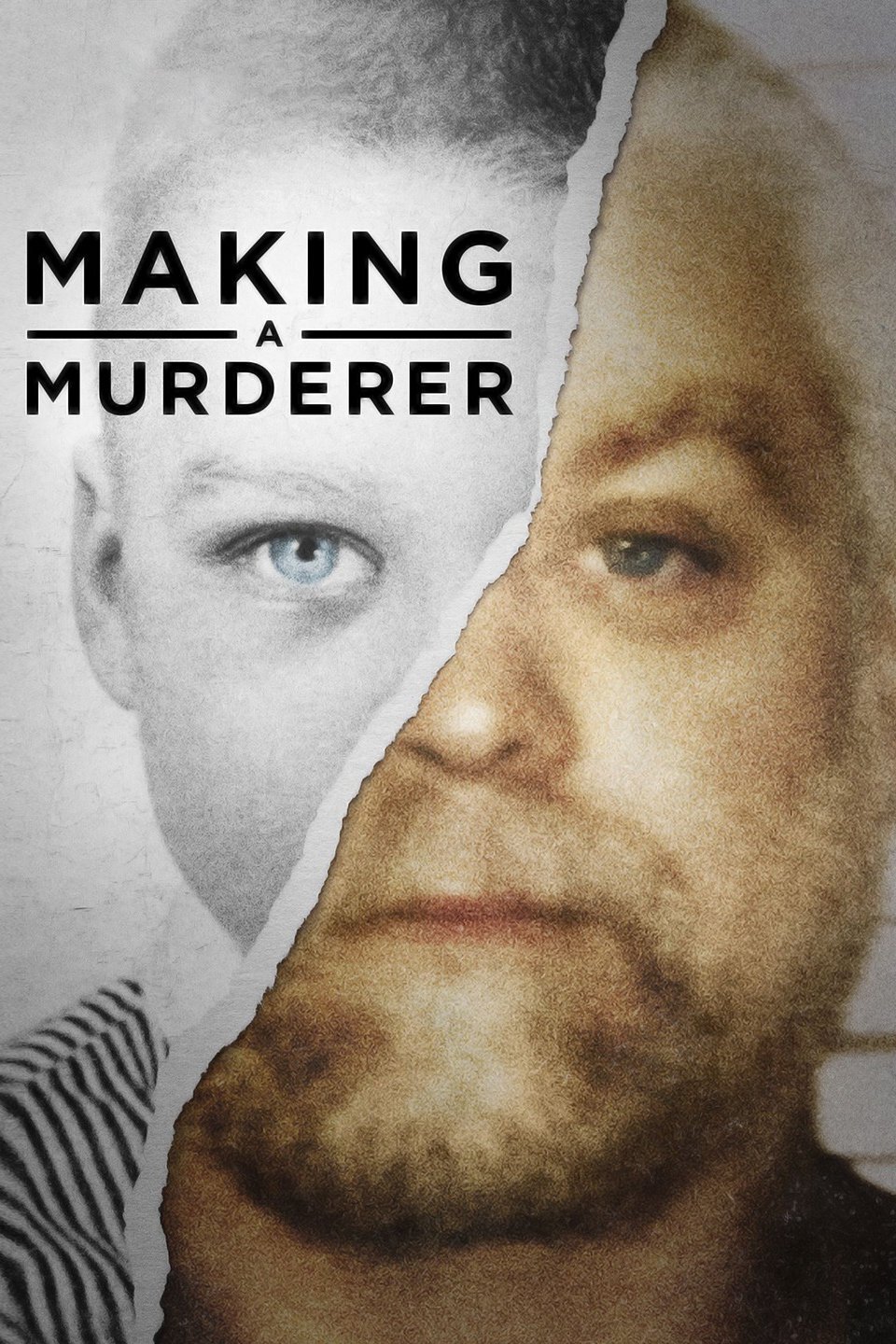
Making a Murderer2015
The series that kickstarted the modern true-crime boom, following a wrongful-conviction case where police procedure looks less like justice and more like a closed loop.
But Its one-sidedness has been widely criticised; treat it as advocacy, not the full picture.
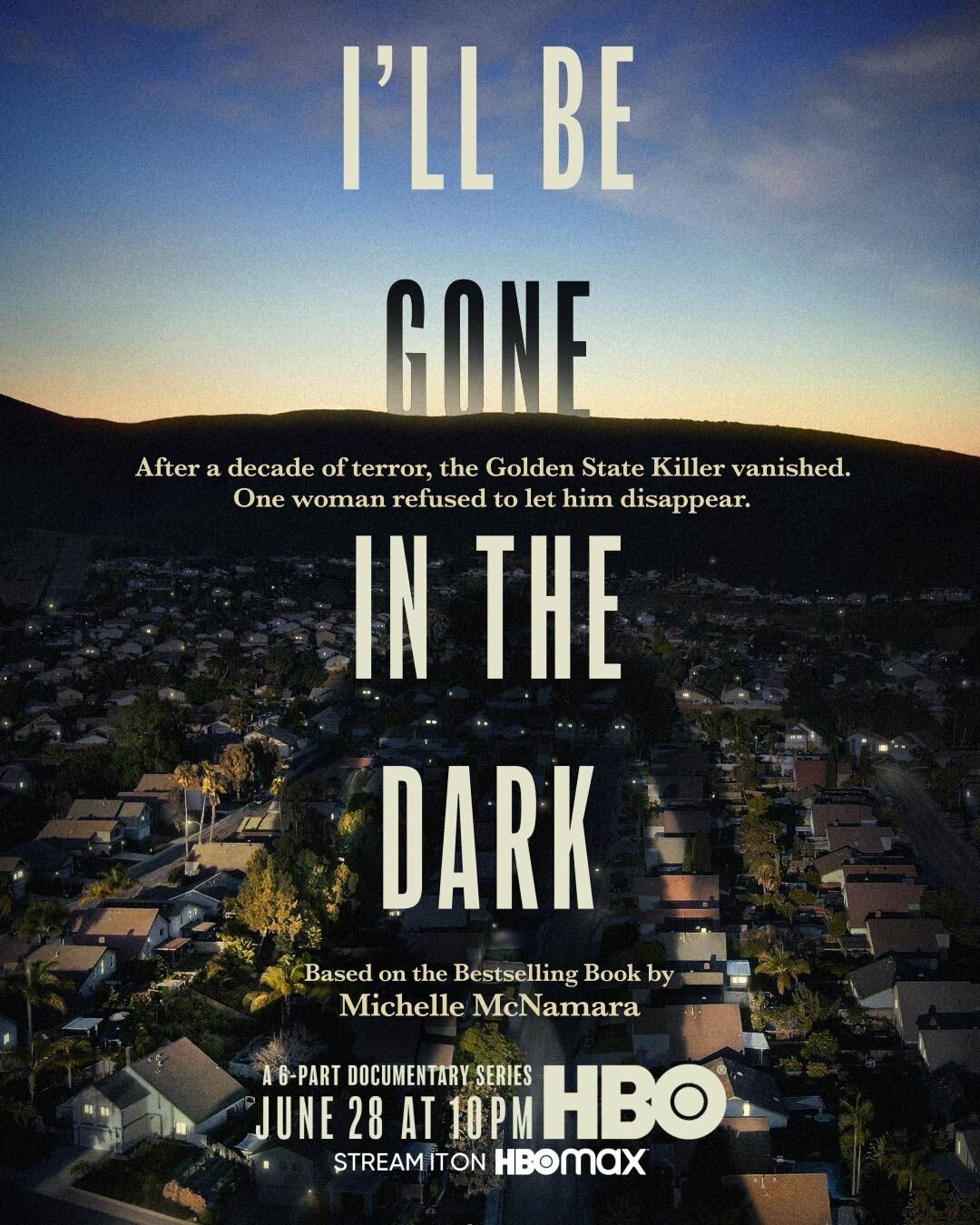
I'll Be Gone in the Dark2020
Michelle McNamara's obsessive hunt for the Golden State Killer becomes a meditation on true-crime obsession itself, tender and haunted rather than sensational.
But It's grief as much as investigation, and the pace is deliberately slow and mournful.
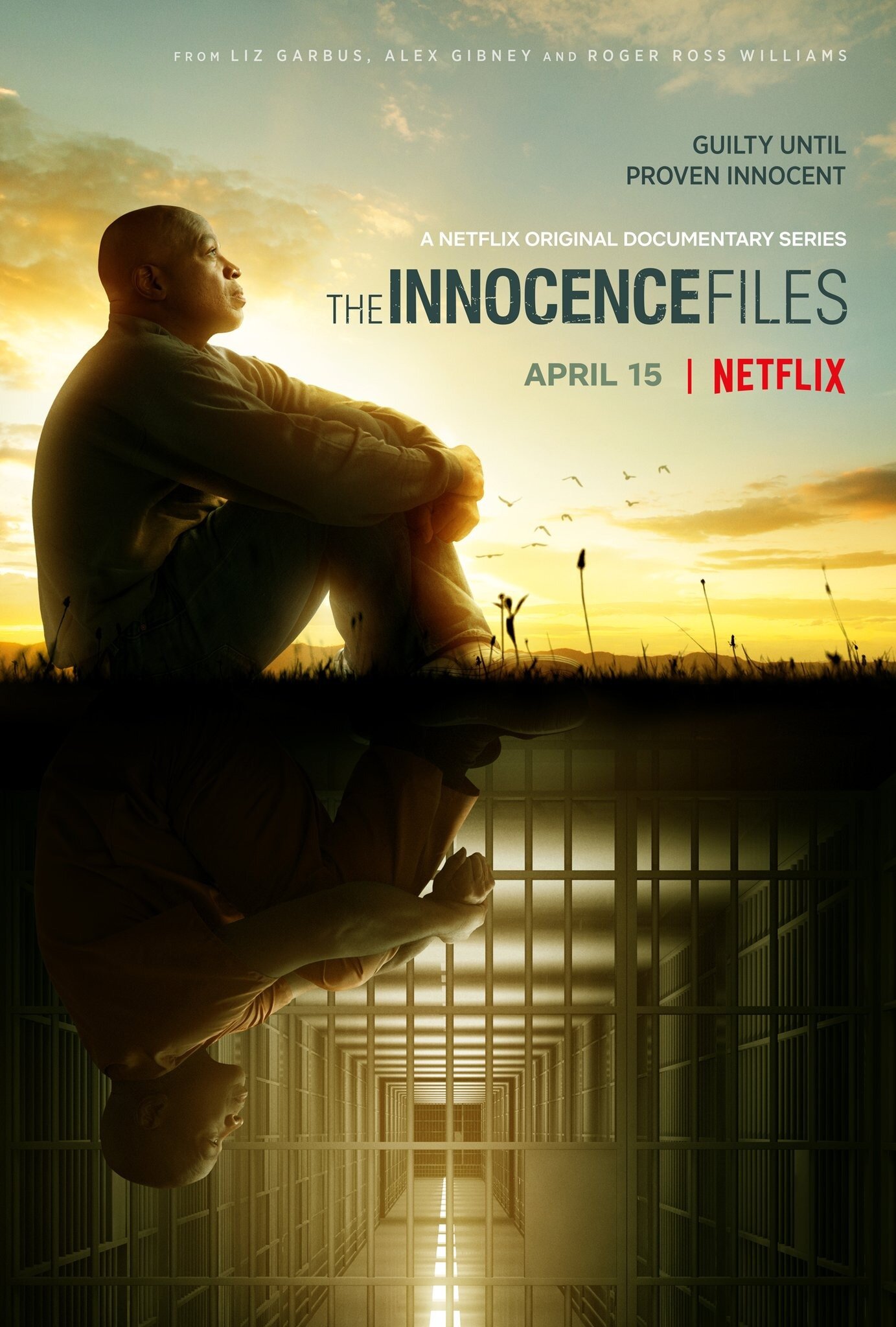
The Innocence Files2020
Eight cases, eight wrongful convictions, one recurring villain: forensic evidence that was wrong from the start. A furious, methodical companion piece to Lucas's story.
But Anthology format means it restarts its emotional momentum each episode; some entries land harder than others.
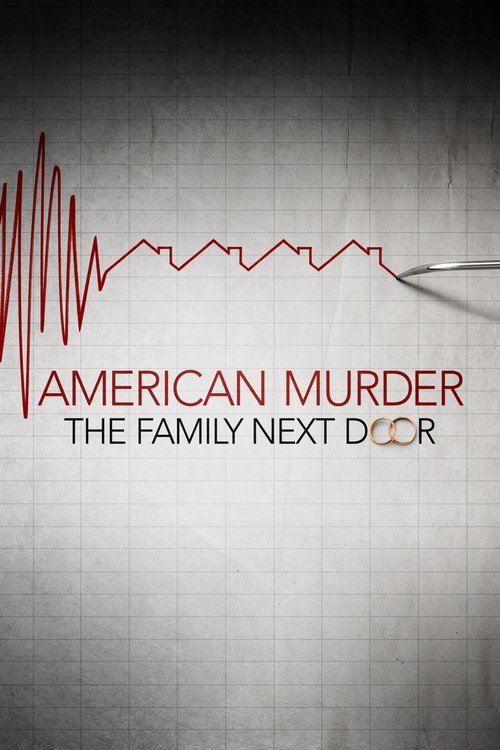
American Murder: The Family Next Door2020
Built entirely from texts, police footage and social media, it recreates a real tragedy with no narrator or talking heads — chillingly immediate.
But There is no editorial distance offered; it can feel less like documentary and more like surveillance.
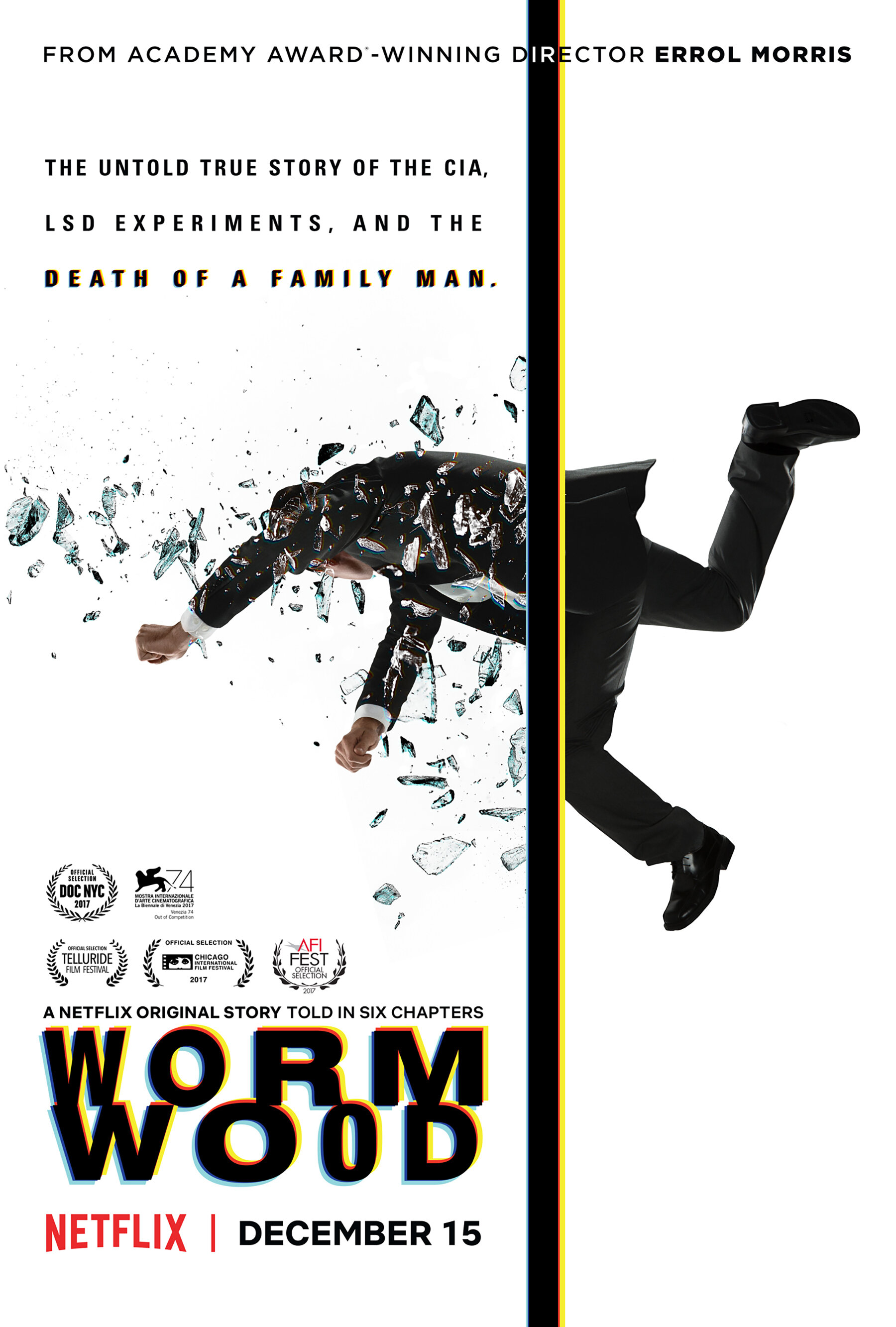
Wormwood2017
Errol Morris blends interviews with dramatized reenactments to unpick a Cold War death that was covered up for decades — audacious form matching a paranoid subject.
But Six hours long and structurally strange; the reenactments will either hypnotise you or throw you right out.
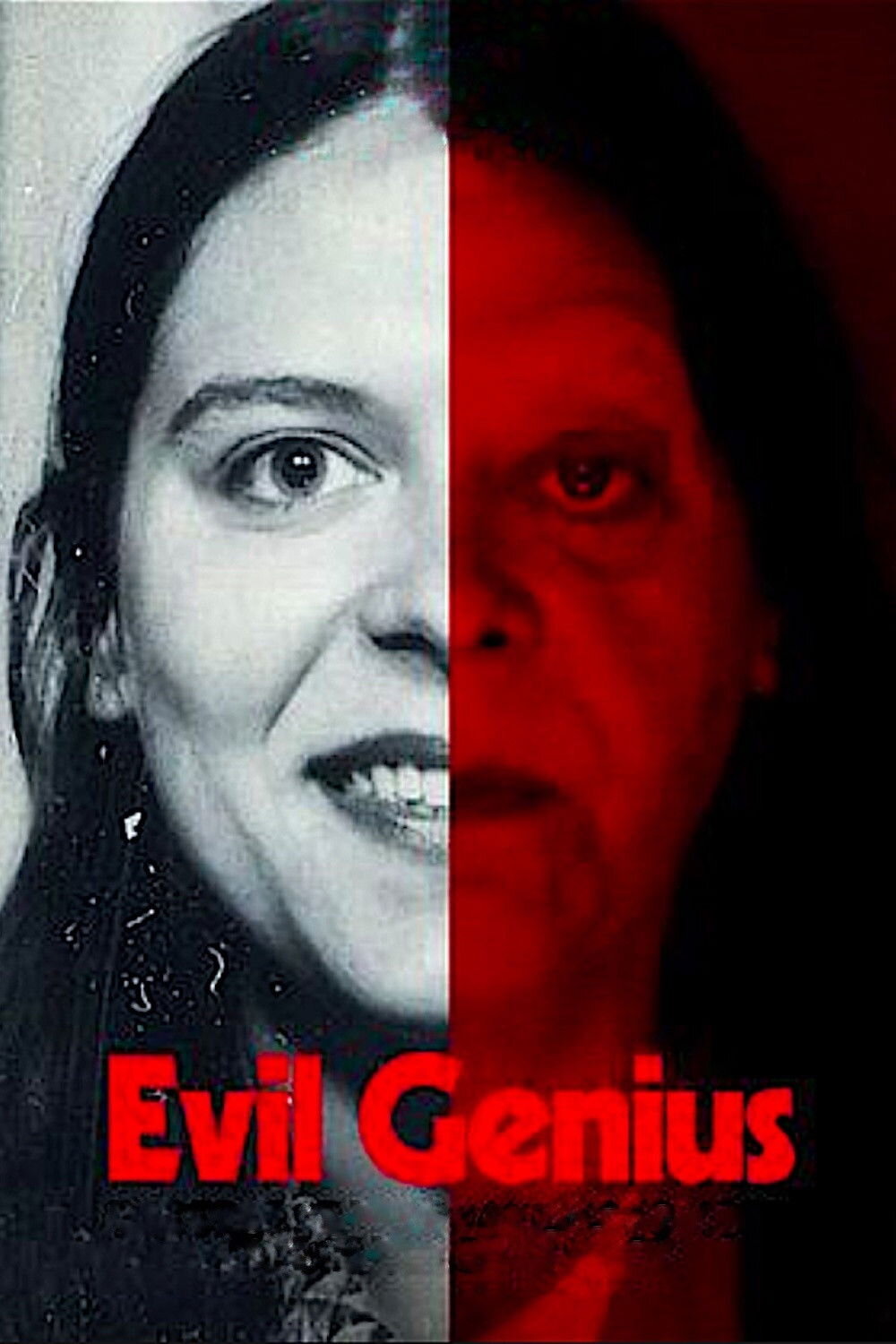
Evil Genius: The True Story of America's Most Diabolical Bank Heist2018
A bizarre pizza-delivery bombing unravels into one of the strangest true-crime plots on record, proof that reality keeps outrunning fiction.
But It's stranger than it is deep — great fun, but lighter weight than the others here.
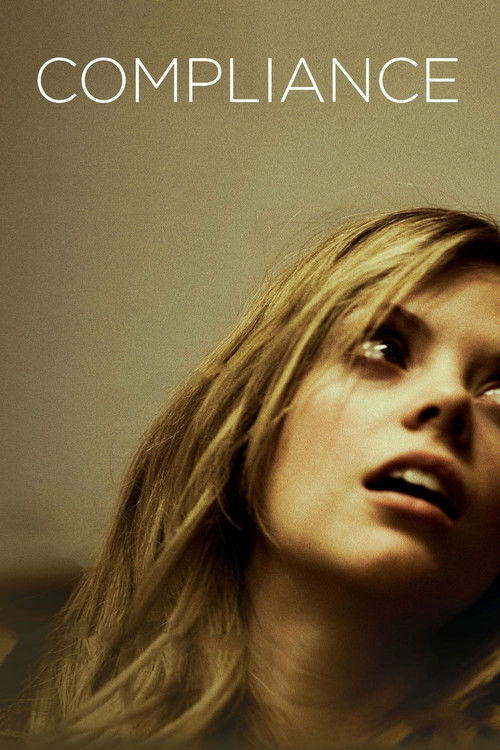
Compliance2012
Same question as Lucas's story asked from the inside — how ordinary people, faced with authority, will comply with and even manufacture false confessions and accusations rather than resist.
A fictional thriller about a fast-food manager manipulated by a caller impersonating a police officer, escalating into humiliation and abuse that nobody in the room stops.
But It's deliberately excruciating to sit through, and some viewers find the premise implausible until they learn it's based on real events.
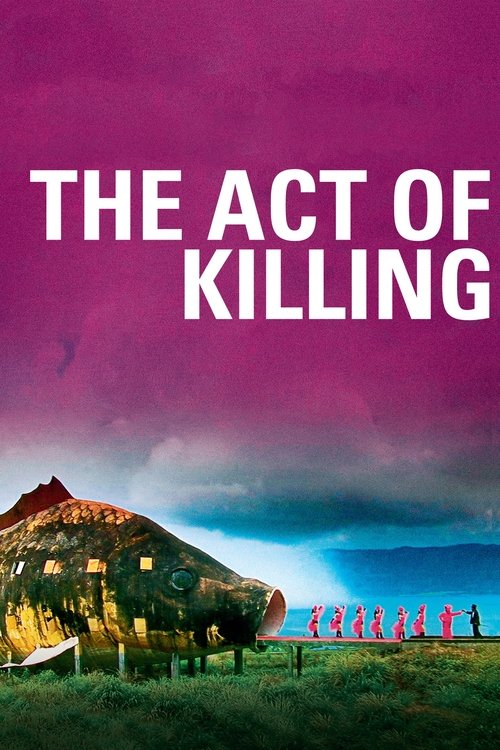
The Act of Killing2012
Both films are studies in performed guilt — men narrating and dramatizing their own atrocities for cameras, and the terrifying gap between confession as theatre and confession as truth.
Indonesian death squad leaders are invited to reenact their real 1965 massacres in whatever film genre they like — musical, gangster film, western — with unbearable, revealing results.
But It is far more disturbing and morally vertiginous than a true-crime series; not something to watch lightly.